What Is A Pdf Reader
📖 Table of Contents
- Understanding the Role of a PDF Reader in Education
- How to Choose the Right PDF Reader for Your Needs
- The Benefits of Using a PDF Reader for Homeschooling
- Common Features of a PDF Reader
- How to Use a PDF Reader with Younger Learners
- The Importance of Compatibility in a PDF Reader
- How a PDF Reader Supports Homeschooling Goals
- Make It Your Way
- Frequently Asked Questions
I remember the first time I encountered a PDF file — it was a worksheet my son’s teacher sent home after a field trip to the science museum. I opened it on my laptop, and it looked like a regular document, but the formatting was strange and the text couldn’t be edited. That’s when I realized I needed a PDF reader. A PDF reader is a software application that allows you to open, view, and sometimes annotate PDF files, which are a common format for sharing documents in education, business, and government. This tool became essential for our homeschooling journey, especially when it came to accessing worksheets, textbooks, and other educational materials.
What is a PDF reader, exactly? It’s not just a program for opening files — it’s a gateway to the world of digital learning. As a homeschooling parent, I quickly discovered that most of the resources we downloaded were in PDF format, and without a proper reader, we couldn’t fully benefit from them. A PDF reader ensures that the document appears as intended, with all the fonts, images, and formatting intact, which is crucial for educational materials like workbooks and lesson plans. It’s one of those tools that I wish I had known about earlier in our homeschooling journey.
Over time, I’ve found that a good PDF reader can do much more than just open a file. It can let you search for keywords, add notes, highlight important text, and even convert the document into other formats like Word or Excel. In our home, we’ve used several different readers, and each one has its own strengths. Some are better for younger learners, some for older students, and some for parents who need to manage multiple files at once. Understanding what a PDF reader is and how it works has made a huge difference in our ability to access and use educational resources effectively.[1]
Why You'll Love This Educational Tool
- Access to a vast library of educational materials in PDF format
- Ability to search, highlight, and annotate documents for deeper learning
- Compatibility with a wide range of devices and platforms
- Support for converting PDFs into other useful formats like Word and Excel
Understanding the Role of a PDF Reader in Education
As of September 2026, in education, PDF files are used for everything from worksheets and lesson plans to textbooks and research papers. A PDF reader is the tool that allows you to view these files as they were intended to be seen. It preserves the exact formatting, fonts, and images used by the author, which is especially important for educational materials that rely on specific layouts, diagrams, or illustrations. Without a PDF reader, you might miss out on key details, making it harder for your child to understand the material.
One of the most important features of a PDF reader is its ability to maintain the structure of a document. This means that even if you download a PDF file on a different device or operating system, it will look the same. For homeschooling parents, this is a huge benefit — it ensures that the materials you use are consistent across all your devices and that your child can access the same learning experience wherever they are.
I've used a PDF reader for years, and I can't imagine going back to a time when I couldn’t access educational resources in their original format. The ability to open a file and know exactly what to expect has made a significant difference in our homeschooling routine. It’s not just about convenience — it’s about ensuring that your child gets the best possible learning experience.
Before using a PDF reader, make sure you understand how to open and navigate a PDF file. Most readers have simple controls that let you zoom in, scroll, and search for specific terms.
How to Choose the Right PDF Reader for Your Needs
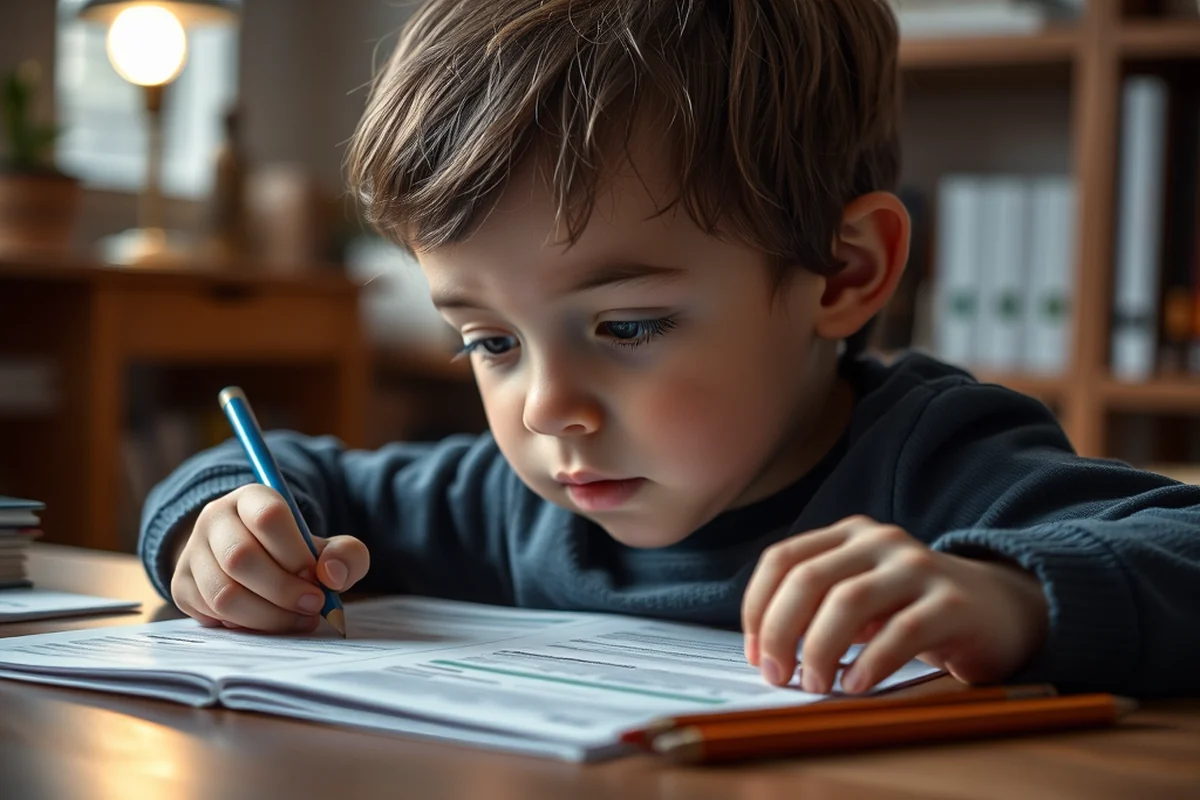
There are many PDF readers on the market, and not all of them are created equal. Some are better suited for younger learners, while others are designed for older students who need to work with more complex documents. For example, if your child is in elementary school, you might want a reader that has simple navigation and clear fonts. If your child is in high school, you might need a reader that supports features like note-taking and annotation.
Another factor to consider is the devices your family uses. Some PDF readers are compatible with Windows and Mac computers, while others work best on mobile devices like tablets and smartphones. It's important to choose a reader that works across all your devices so that your child can access their materials wherever they are.
I’ve found that choosing the right PDF reader can make a huge difference in your child’s learning experience. Whether you’re using a free online reader or a paid desktop application, the key is to find one that meets your specific needs and supports your child’s educational goals.
Choose a PDF reader that works with your devices and your child’s learning needs.
Related: Why teach reading comprehension
The Benefits of Using a PDF Reader for Homeschooling
One of the biggest benefits of using a PDF reader is that it gives you access to a vast library of educational materials. From science experiments to math workbooks, there are countless resources available in PDF format that can help your child learn in a structured and engaging way. These materials are often designed by educators and can be used as supplementary tools to reinforce what your child is learning at home.
Another benefit is that a PDF reader allows you to annotate and highlight important information in a document. This can be especially helpful for students who need to review material multiple times or who benefit from visual cues. For example, if your child is studying for a history exam, they can use a PDF reader to highlight key dates and events, making the information easier to remember.
I’ve noticed that using a PDF reader has made it easier for my child to organize their learning materials. The ability to search for specific terms, add notes, and even convert documents into other formats has been a game-changer. It’s not just about accessing information — it’s about making that information more useful and accessible.
Encourage your child to use the annotation tools in their PDF reader to highlight important information. This can help them focus on key concepts and review the material more effectively.
“I remember the first time I encountered a PDF file — it was a worksheet my son’s teacher sent home after a field trip to…”— Teaching Reading to Homeschoolers editors
Related: Teaching reading book pdf
Common Features of a PDF Reader

Most PDF readers come with a set of standard features that are useful for educational purposes. These include the ability to search for specific words or phrases, zoom in on text and images, and add notes or highlights to important sections of a document. These features can be especially helpful for students who are reading long documents or studying for exams.
Some PDF readers also allow you to convert PDF files into other formats, like Word or Excel. This can be useful if you need to edit the content or use it in a different application. For example, if you download a science worksheet in PDF format, you might want to convert it into a Word document so that you can add your own notes or customize the worksheet for your child.
In my experience, the most useful feature of a PDF reader is the ability to search for specific terms. Whether you're looking for a particular math problem or a historical event, the search function makes it easy to find exactly what you're looking for. This has saved me a lot of time and frustration over the years.
Related: Teaching reading pdf
How to Use a PDF Reader with Younger Learners
When working with younger learners, it's important to choose a PDF reader that is easy to use and has a clean, intuitive interface. Young children may not have the motor skills or attention span to navigate complex menus or buttons, so a simple reader with large, clearly labeled icons is ideal. These features help make the learning experience more accessible and engaging for younger students.
Some PDF readers are specifically designed for younger users, with features like color-coded text, interactive elements, and built-in pronunciation guides. These tools can be especially helpful for early readers or students who are learning English as a second language. The ability to hear the text read aloud can make a big difference in comprehension and confidence.
I've found that using a simple PDF reader with a few key features has made a big difference in my younger child's learning experience. The ability to zoom in on text, highlight important words, and even read the text aloud has helped them engage with the material in a way that's both fun and educational.
Related: How to teach reading with comprehension
The Importance of Compatibility in a PDF Reader
One of the most important considerations when choosing a PDF reader is compatibility with your devices and operating systems. If you're using a Windows computer, you'll want a reader that works well with Windows. Similarly, if you're using a Mac, iPad, or Android tablet, you'll need a reader that supports those platforms. Compatibility is essential because it ensures that your child can access their learning materials from any device they use.
In our home, we use a mix of devices, including tablets, laptops, and smartphones. Finding a PDF reader that works across all of these devices has been a big help. It means that my child can study from their tablet during the day and review their notes on their laptop in the evening without having to worry about compatibility issues.[2]
I've made the mistake of choosing a PDF reader that didn't work on my child's device, and it was a real hassle. It took time to find a new reader that supported all of our devices, and it delayed our learning process. Now, I make sure to check for compatibility before choosing a PDF reader, which has saved us a lot of time and frustration.
Compatibility is key when choosing a PDF reader — it ensures that your child can access their materials from any device.
Related: Teaching reading in the 21st century motivating all learners
How a PDF Reader Supports Homeschooling Goals
A PDF reader can be a valuable tool for tracking your child's progress and ensuring that they are meeting their learning goals. Many educational resources include answer keys or progress checks that can be accessed through a PDF reader. These tools allow you to monitor your child's understanding and identify areas where they may need additional support.
In addition to tracking progress, a PDF reader can help you access a wide range of learning resources. Whether you're looking for science experiments, math problems, or language arts activities, there are countless resources available in PDF format that can be used as supplementary materials. These resources can be tailored to your child's learning style and pace, making it easier for them to stay engaged and motivated.
I've found that using a PDF reader has made it easier to track my child's progress and provide them with the resources they need to succeed. The ability to access answer keys, progress checks, and additional learning materials has helped me create a more structured and effective homeschooling experience.
🧑👧 Younger Learners
For younger children, choose a PDF reader with large icons, simple navigation, and interactive elements.
🧑🎓 Older Students
For older students, look for a PDF reader with advanced features like note-taking, annotation, and document conversion.
🪄 No-Prep Version
Use a browser-based PDF reader to access materials instantly without installing any software.
👥 Group Version
Choose a PDF reader that allows multiple users to collaborate on the same document in real time.
🧩 Extension Activity
Use a PDF reader to explore additional learning activities, such as interactive quizzes or printable worksheets.
| The mistake | Why it happens | The fix |
|---|---|---|
| Choosing a PDF reader that is incompatible with your devices | If the PDF reader you choose doesn't work on your child's device, it can be a major inconvenience and delay your learning process. | Before choosing a PDF reader, make sure it is compatible with all your devices and operating systems. This will ensure a smoother experience for your child. |
| Not taking advantage of the search feature in a PDF reader | The search feature in a PDF reader can help you find specific information quickly, but if you don't use it, you may waste a lot of time scrolling through long documents. | Encourage your child to use the search function in their PDF reader to find specific terms or phrases quickly and efficiently. |
| Ignoring the annotation tools in a PDF reader | Annotation tools in a PDF reader can help your child highlight important information and make notes in the margins, but if they're not used, the learning experience may be less effective. | Teach your child how to use the annotation tools in their PDF reader to highlight key concepts and make notes for future review. |
| Not checking for updates to the PDF reader | PDF readers are often updated to improve performance, fix bugs, and add new features. If you don’t keep your reader up to date, you may miss out on important improvements. | Make sure to check for updates to your PDF reader regularly, either through the application itself or by visiting the developer's website. |
What Is A Pdf Reader
Common Questions
What is the best PDF reader for homeschooling?
Can I use a free PDF reader for homeschooling?
Is it possible to convert PDF files into other formats using a PDF reader?
How do I choose the right PDF reader for my child?
References
Cite this guide
Teaching Reading to Homeschoolers (2026). What Is A Pdf Reader. https://homeschoolread.com/what-is-a-pdf-reader/
Feel free to cite or share this guide.