
How To Homeschool Without Losing Your Mind
📖 Table of Contents
I remember the morning I sat at my kitchen table, my toddler daughter staring at me with wide eyes, expecting me to be the expert in everything from long division to phonics. I had zero training, zero resources, and a ton of fear. The idea of homeschooling without losing my mind felt like a fantasy — until I started to experiment, fail, and then finally find a rhythm. I learned that the key wasn't perfection, but practicality, intention, and a bit of flexibility.[1]
That first year, I tried to do it all: scripted curricula, rigid schedules, and endless worksheets. It didn't work. I was exhausted, my child was bored, and my sanity was on thin ice. It was only when I stopped trying to be everything to everyone and started focusing on what actually worked for us — and what made learning feel like play — that the stress began to lift. I didn't lose my mind because I stopped pretending I had all the answers.[4]
Homeschooling without losing your mind isn't about avoiding stress. It's about managing it, creating systems that support you and your child, and embracing the messiness of learning. You don't need to be a teacher, a planner, or a magician. You just need to be present, curious, and willing to adapt — and that's exactly what I'll show you how to do here.
Why You'll Love This Approach
- Reduces stress with flexible, low-pressure learning methods
- Uses everyday moments as teaching opportunities
- Builds a strong, collaborative parent-child relationship
- Incorporates play and creativity for lasting engagement
Start with the Right Mindset
As of August 2026, I used to believe that homeschooling required a structured, textbook-heavy approach, but that only led to burnout. What changed everything was accepting that learning can happen in any setting — in the kitchen, the park, or even during a car ride. I stopped trying to be a teacher and became a guide, which made the process feel more natural and less overwhelming.
One of the most important shifts I made was to focus on progress over perfection. I stopped comparing my child to others and instead celebrated small wins — like recognizing letters or solving a simple math problem. This mindset helped me feel less pressured and more in control of the experience.
Another mindset shift was realizing that I don't need to be an expert in everything. I started asking my child questions and learning alongside them, which made the experience more collaborative and less stressful for both of us.[2]
Try keeping a journal where you write down your child's progress, no matter how small. This helps you see the big picture and reduces the pressure to be perfect.
Part of our Teach homeschool graduation guide.
Create a Realistic Schedule
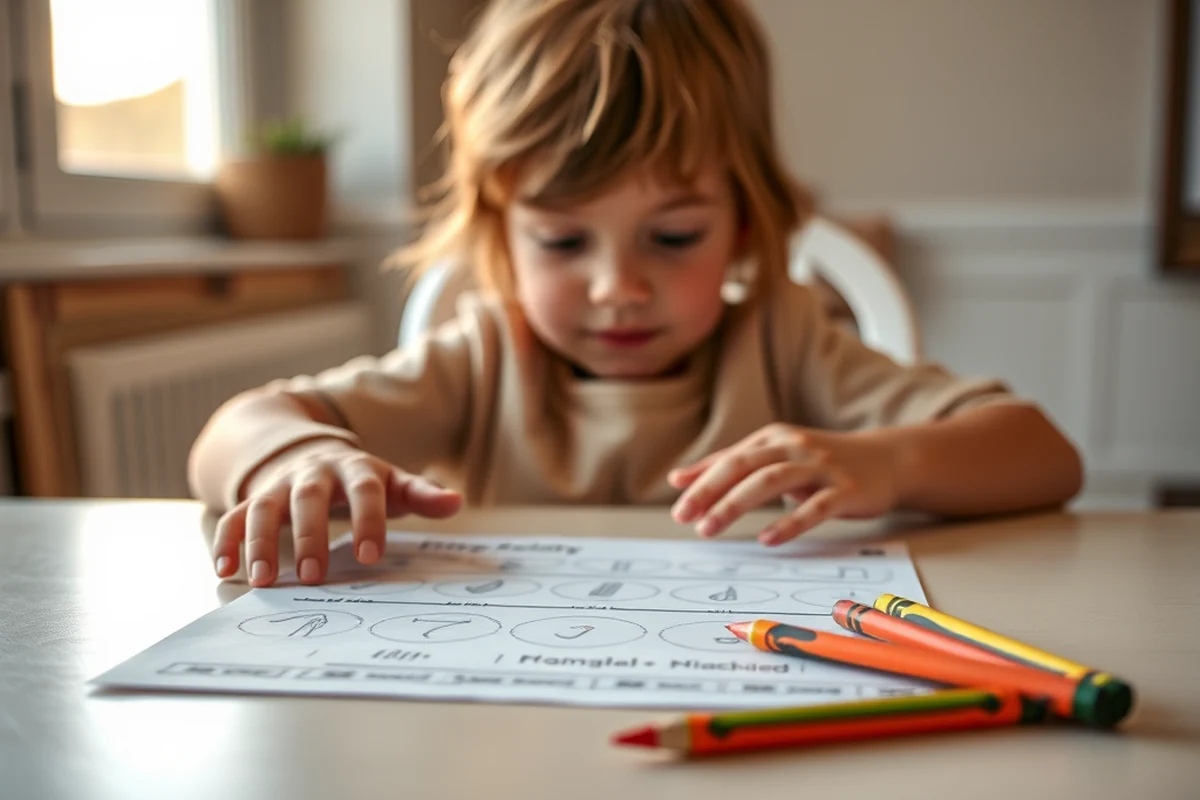
When I first tried to homeschool, I created a rigid schedule with strict time blocks for every subject. It didn't work — it left me exhausted and my child bored. What I realized was that flexibility is key. I now use a loose schedule that includes core learning times but also allows for rest, play, and spontaneous learning.
I found that a 3-4 hour school day, broken into 30-minute segments with regular breaks, worked best for my child. We start with reading, move on to math, and then do a hands-on activity. This structure keeps things on track without feeling overwhelming.[3]
Another key element of my schedule is the inclusion of unstructured time. We often take breaks to go outside, play with blocks, or simply chat. This balance helps maintain energy and engagement throughout the day.
A flexible schedule is the foundation of a stress-free homeschooling experience.
Related: Homeschool teachers get paid
Related: How much to homeschool my child
Related: Homeschool Teaching Jobs Remote
Related: Teach homeschool group washington nc
Related: Homeschool With Heart
Use Everyday Learning Opportunities
I used to think that learning had to happen in a dedicated classroom setting, but that wasn't realistic for our lifestyle. What I discovered was that learning can happen anywhere — while cooking, cleaning, or even shopping. I started asking my child questions like, 'What shape is this?' or 'How many apples do we need for dinner?'
One of the most valuable lessons I learned was that learning doesn't always need to be planned. When my child asked why the sky was blue, we took a moment to look it up and discuss it. These spontaneous moments made learning feel more organic and less forced.
I also found that hands-on activities like sorting laundry by color or measuring ingredients for a recipe were great learning tools. My child learned about classification, counting, and measurement without even realizing they were learning.
Make a list of everyday activities that can double as learning opportunities — like grocery shopping, cooking, or cleaning — and use them as teaching moments.
“I remember the morning I sat at my kitchen table, my toddler daughter staring at me with wide eyes, expecting me to be the expert…”— Teaching Reading to Homeschoolers editors
Build a Support System

I used to try to do everything on my own, but that only led to burnout. What I learned was that having a support system — whether it's a fellow homeschooling parent, a grandparent, or a local community — made a huge difference. I started joining online homeschooling groups where I could share ideas and get advice.
I also found that having a co-parent or a trusted friend who could help with certain subjects — like math or science — was incredibly helpful. It allowed me to focus on other areas and gave my child a more well-rounded education.
Another support system I built was with local libraries, museums, and parks. I made a point to visit these places regularly, which not only enriched our learning but also gave me a break from the daily routine of homeschooling.
Leverage Free Resources
I used to think that homeschooling required expensive materials and curricula, but that wasn't the case. What I found was that there are a wealth of free resources available online, from printable worksheets to interactive learning apps. I started using these to supplement our education without spending a fortune.
One of the most useful free resources I found was Khan Academy, which provided excellent math and science lessons. I also used educational YouTube channels like Sesame Street and Crash Course to teach subjects like history and biology.
Another resource I used was my local library, which offered a wide range of books, audiobooks, and even educational workshops. I also used free online platforms like Duolingo for language learning and Code.org for coding basics.
Practice Self-Care
I used to neglect my own needs, thinking that self-care was a luxury I couldn't afford. But what I discovered was that when I took care of myself, I was a better parent and more effective teacher. I started setting aside time each day for activities that helped me recharge — like going for a walk or reading a book.
I also found that taking regular breaks throughout the day helped me stay focused and energized. I made it a point to step away from the desk every hour or so, which not only helped me avoid burnout but also gave my child a chance to move and play.
Another form of self-care I practiced was getting enough sleep and eating well. I realized that when I was well-rested and nourished, I was more patient and less prone to stress. I started preparing healthy meals in advance and making sure I got at least seven hours of sleep each night.
Your well-being is the foundation of your child's learning journey.
Embrace the Learning Process
I used to be so focused on the end goal — getting my child through school — that I forgot to enjoy the journey. What I realized was that the process itself was just as important as the outcome. I started embracing the little moments, like my child solving a problem on their own or showing interest in a new subject.
I also learned that it's okay for my child to make mistakes. Instead of correcting them immediately, I now encourage them to explore different ways of thinking. This has helped them become more confident and resilient learners.
Finally, I've learned to celebrate progress, no matter how small. Whether it's my child recognizing a letter or solving a math problem, I take time to acknowledge their achievements. This has made the learning process more enjoyable and less stressful for both of us.
🧱 Younger Kids (Ages 3-6)
Use play-based learning with blocks, puzzles, and sensory activities to build foundational skills.
📖 Older Kids (Ages 7-12)
Incorporate project-based learning, science experiments, and reading challenges to keep learning engaging.
⏰ No-Prep Version
Use spontaneous learning moments like cooking, shopping, and nature walks to teach on the fly.
👥 Group Version
Connect with other homeschooling families for collaborative learning and shared resources.
🚀 Extension Activities
Add advanced learning experiences like coding, music lessons, and science kits to expand your child's knowledge.
| The mistake | Why it happens | The fix |
|---|---|---|
| Trying to cover too many subjects at once | This can overwhelm your child and lead to burnout for both of you. | Focus on core subjects and allow your child to explore interests through hands-on activities. |
| Neglecting self-care | If you're not taking care of yourself, you won't be able to support your child effectively. | Schedule regular breaks, practice mindfulness, and make time for activities that help you recharge. |
| Being too rigid with a schedule | A strict schedule can be stressful and leave little room for creativity or rest. | Use a flexible schedule with core learning times and allow for unstructured play and breaks. |
| Not building a support system | Trying to do everything on your own can lead to isolation and burnout. | Join online homeschooling groups, connect with local libraries, and seek help from family or friends. |
How To Homeschool Without Losing Your Mind
Common Questions
How do I handle teaching multiple subjects?
What if I'm not good at math or science?
How do I stay motivated?
How do I handle difficult days or tantrums?
References
- Christian School Relationships with Homeschool Families (digitalcollections.dordt.edu)
- how homeschooling happens: a phenomenological study of (digitalcommons.liberty.edu)
- Your home is not a school: The limits of homeschooling as a political ... (dspace.mit.edu)
- So You Want to Continue Teaching Your Kids at Home (gse.harvard.edu)
Cite this guide
Teaching Reading to Homeschoolers (2026). How To Homeschool Without Losing Your Mind. https://homeschoolread.com/how-to-homeschool-without-losing-your-mind/
Feel free to cite or share this guide.