
How To Discipline Homeschoolers
📖 Table of Contents
When my 7-year-old daughter refused to pick up her toys after school, I felt like I was back to square one with discipline. It was a moment I never expected — not because I didn’t know how to discipline homeschoolers. Because I had forgotten how important consistency was in a home environment where the rules are often flexible. Homeschooling is a unique challenge, and discipline is one of the most overlooked aspects of the journey. As a mother of three who has homeschooled for over a decade, I've learned that discipline in a homeschool setting doesn’t rely on time-outs or punishments — it's about creating structure, setting boundaries. Reinforcing positive behavior through daily routines that feel natural, not forced.[3]
Discipline in a homeschool setting doesn’t have to be harsh or punitive. It can be gentle, purposeful, and effective — if you know how to discipline homeschoolers. My approach has always been rooted in clear expectations, consistent consequences, and a focus on long-term character development. I discovered that the most successful discipline strategies come from understanding the unique needs of each child and tailoring the approach to fit their age, maturity, and learning style. Whether you're a new homeschooling parent or have been at it for years, the key is to find a system that works for your family — one that feels like a natural extension of your home life, not a battle for control.[4]
Over the years, I’ve tested dozens of discipline strategies, and the one that made the most lasting impact was a combination of daily routine checklists, positive reinforcement systems, and natural consequences. When my son refused to do his math worksheet, instead of yelling or taking away screen time, I simply said, ‘I know you don’t want to do this. You’ll have to finish it before we can go outside.’ It worked because he understood the connection between his actions and the outcome. This is how to discipline homeschoolers — not through fear or frustration, but through clarity, consistency, and a deep understanding of what motivates your child.
Why You'll Love This Approach to Discipline
- You’ll create a peaceful home environment without yelling or punishment.
- You’ll teach your children the value of responsibility and self-control.
- Your children will feel supported and understood, even when they’re being disciplined.
- You’ll develop a consistent system that works for your family’s unique needs.
Establishing Clear Expectations
As of August 2026, when I first started homeschooling, I didn’t realize how crucial it was to sit down with my children and outline exactly what we expected from them each day. Whether it was completing their worksheets by a certain time or cleaning up their workspace before lunch, we made sure everyone knew the rules. This helped reduce confusion and created a sense of security for my kids.[1]
We created a visual schedule with colored blocks that indicated when each activity was happening. For example, blue meant math time, yellow meant a snack break, and green meant outdoor play. My children quickly learned that following the schedule meant they got to do the things they loved most — like playing in the park or reading a story before bed.
One of the most important parts of this process was explaining why the rules existed. My children weren’t just following a list of do’s and don’ts; they were learning to be responsible members of our homeschool family. This clarity helped reduce power struggles and made discipline a much smoother process.
Create a visual schedule with colored blocks to help your children understand and follow the day's expectations.
Natural Consequences for Learning
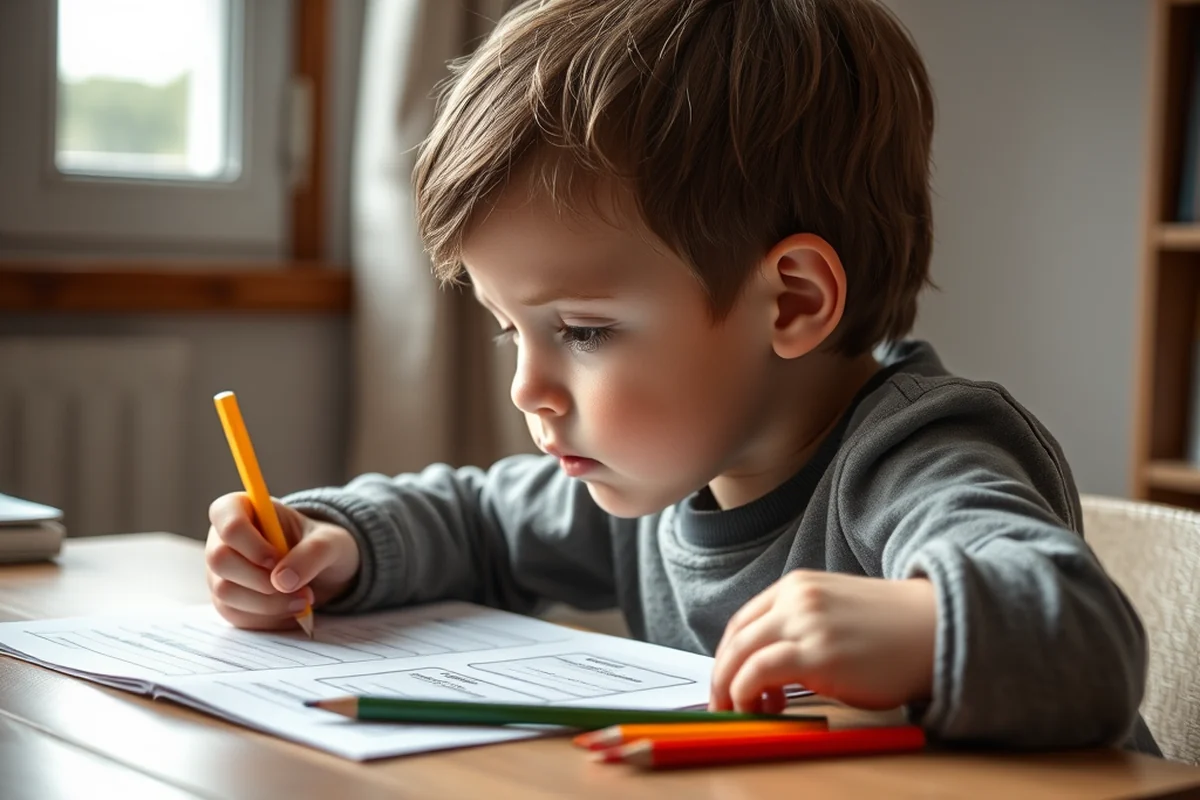
One of the most effective discipline strategies I’ve used is allowing my children to experience the natural consequences of their choices. For example, if my son decided not to complete his science project, I didn’t take away his video game time — I simply reminded him that he wouldn’t have the opportunity to present his work at the homeschool co-op meeting.
This approach taught him that his actions had real-world results. It also helped him understand the value of responsibility and consistency. Over time, he started to take his assignments more seriously, knowing that skipping them would cost him opportunities to share his work with others.
Natural consequences don’t always have to be negative. If my daughter refused to help with dinner prep, I encouraged her to see the outcome — no extra dessert. It was a simple but effective way to show her that her choices had real effects on her life.
Natural consequences are lessons in disguise.
Related: Teach homeschool graduation 2
Related: How to homeschool without losing your mind
Related: What do i need to homeschool kindergarten
Related: What Is The Homeschooling Process
Related: What supplies do i need for kindergarten homeschool
Positive Reinforcement That Works
I’ve found that the most effective discipline strategies come from focusing on the positive. Instead of only pointing out when my children made a mistake, I made it a habit to recognize their effort and progress. If my son completed his math worksheet on time, I would give him a small reward — like a sticker or a few extra minutes of screen time.
This approach helped my children associate good behavior with positive outcomes. Over time, they started to take pride in their accomplishments and became more motivated to follow the rules. It wasn’t about bribing them; it was about reinforcing the idea that hard work and responsibility were worth celebrating.
I also kept a chart where we tracked our achievements as a family. Each week, we would review our progress and set new goals. This made discipline feel less like a battle and more like a journey we were all on together.
Use a chart or a reward system to celebrate your child’s efforts and progress — even the small ones.
“When my 7-year-old daughter refused to pick up her toys after school, I felt like I was back to square one with discipline.”— Teaching Reading to Homeschoolers editors
Creating a Consistent Routine
After a few years of homeschooling, I realized that the most important factor in maintaining discipline was consistency. We didn’t always have the same activities or the same schedule every day, but we always had the same structure. Whether it was a morning routine that included reading, a midday break for snacks, or an evening review session, we stuck to our plan as much as possible.
This consistency helped my children know what to expect — and that made a world of difference. They didn’t have to spend energy questioning what was coming next; they could focus on their learning and their behavior. It also helped me manage my time better, since I knew exactly how each day would unfold.
One of the best things about a consistent routine is that it creates a sense of normalcy and security. My children knew that if they did their work on time, they would get to do the things they loved. This made discipline feel more like a natural part of life, not a battle to be won.
Building a Supportive Home Environment
I’ve learned that the way we speak to our children — even during discipline moments — has a huge impact on their behavior and their sense of self-worth. Instead of yelling or punishing, I focused on being calm, firm, and kind. When my daughter acted out during a lesson, I would pause, take a breath, and say, ‘I see you’re frustrated. Let’s take a moment to calm down before we continue.’
This approach helped her understand that her emotions were valid, but they didn’t have to control her actions. It also taught her that she could expect support from her family, even when she made mistakes. Over time, she started to take more responsibility for her behavior and became more self-aware.
Creating a supportive home environment also meant being patient with the process. Discipline isn’t something that happens overnight — it’s a long-term commitment to helping your children grow into responsible, independent learners.
Teaching Self-Discipline Through Choices
One of the most powerful discipline strategies I’ve used is giving my children the opportunity to make their own choices. Instead of telling them exactly what to do, I would ask them questions like, ‘What do you think is the best way to handle this?’ or ‘What would you like to do next?’
This helped them develop critical thinking skills and a sense of ownership over their learning. When they made the right choice, they felt proud. When they made the wrong choice, they learned from it — and that was just as valuable.
Over time, my children began to take more initiative in their learning. They started to understand that their decisions had real consequences — and that made them more responsible, focused, and independent.
Empower your children to make choices — even small ones — and watch their self-discipline grow.
Setting Realistic Boundaries
I’ve found that setting realistic boundaries is essential for maintaining discipline in a homeschool setting. It’s important to be clear about what is and isn’t acceptable, but it’s also important to be realistic about what your children can and can’t do. If your child is only 5 years old, for example, you might not expect them to sit for long periods of time without a break.
I created a list of boundaries for my home that included things like ‘no yelling during lessons’ and ‘complete your work before playing.’ We reviewed these boundaries together and made sure that my children understood why they were important. This helped reduce confusion and made it easier for them to follow the rules.
Setting realistic boundaries also helped me stay consistent with my expectations. I knew exactly what was acceptable and what wasn’t, and that made it easier to handle discipline moments without getting frustrated or overwhelmed.
👶 Younger Kids
Use simple, visual cues to teach discipline to preschoolers through play and routine.
🎓 Older Kids
Focus on self-regulation and long-term responsibility for teens and older students.
🧾 No-Prep Version
Create a flexible system that works without extra planning or materials.
👥 Group Version
Use group activities and shared goals to foster discipline among homeschooling families.
🚀 Extension Activity
Incorporate character development and life skills into your discipline strategies for long-term growth.
| The mistake | Why it happens | The fix |
|---|---|---|
| Yelling at your child during a discipline moment | Yelling can create fear and long-term emotional damage. It also sets a poor example for your child. | Stay calm and use clear, firm communication instead. |
| Being inconsistent with your rules and consequences | Inconsistency can confuse your child and make discipline feel unfair or ineffective. | Be consistent with your rules and follow through with consequences every time. |
| Focusing only on punishment and not on teaching | Discipline should be about teaching, not just punishing. Focusing only on punishment can create resentment and fear. | Use natural consequences and positive reinforcement to teach your child the value of good behavior. |
| Ignoring your child’s emotions during discipline moments | Ignoring your child’s emotions can make them feel ignored or misunderstood. It can also lead to more resistance and power struggles. | Acknowledge your child’s feelings and help them understand the impact of their actions. |
How To Discipline Homeschoolers
Common Questions
What are some simple ways to discipline a homeschooled child without yelling?
How can I keep my child on task during lessons?
What should I do if my child refuses to follow the rules?
How do I teach self-discipline to a young child?
Cite this guide
Teaching Reading to Homeschoolers (2026). How To Discipline Homeschoolers. https://homeschoolread.com/how-to-discipline-homeschoolers/[2]
Feel free to cite or share this guide.
References
- A Parent's Paideia - Bethlehem College and Seminary (bcsmn.edu)
- Homeschooling and Its Impact on Educational Outcomes (blogs.oregonstate.edu)
- Discipline in the parental home and at school: Instead of the "blame ... (academia.edu)
- COM-25-076 - Homeschool updates - ADE Commissioner's Memo (adecm.ade.arkansas.gov)