High School Books
📖 Table of Contents
- What to Look for in High School Books
- The Best Science Books for High School
- Choosing the Right Literature Books
- The Value of History Books in Homeschooling
- Math Books That Make a Difference
- The Role of Nonfiction in High School Learning
- How to Build a Comprehensive High School Book Collection
- Maximizing the Use of High School Books Through Interactive Learning
- Make It Your Way
- Frequently Asked Questions
When my son turned 14, I realized that our homeschooling journey had reached a new threshold. High school books were no longer just reading material — they became the foundation of his learning experience. I spent weeks searching for resources that would challenge him, engage him, and help him build the skills he’d need for college and beyond. That search led me to a world of beautifully written textbooks, workbooks, and even some classic novels that felt just right for his age and curiosity level.
What surprised me most was how much the right high school books could transform the learning environment. I remember the moment he opened a history textbook filled with photographs and primary sources — his eyes lit up, and he spent hours exploring the content. It wasn’t just about memorizing dates or names; it was about connecting with the past in a way that felt meaningful. That experience taught me the power of quality literature in shaping a student’s academic journey.
Since then, I’ve compiled a list of high school books that have made a real difference in our classroom. Whether it’s a science textbook with hands-on experiments or a literature anthology that sparks deep discussions, the right book can open doors to knowledge, creativity, and critical thinking. These are the books that have helped my son — and many other homeschoolers — thrive in their studies.[1]
Why You'll Love This List of High School Books
- Find books that align with your child's learning style and interests.
- Access a variety of subjects — from science to literature — all in one place.
- Discover curated picks that save you the guesswork of selecting the right materials.
- Engage your teen with resources that are both educational and captivating.
What to Look for in High School Books
As of September 2026, when selecting high school books, consider the subject matter, the depth of content, and the student’s learning style. A good textbook should provide clear explanations, include practice problems, and encourage critical thinking. For literature, look for books that spark discussion and offer a range of genres and perspectives.
I found that books with real-world applications — like science texts that include experiments or history books with primary sources — help students make connections between what they’re learning and the world around them. These are the types of books that keep teens engaged and motivated.
It’s also important to choose books that are age-appropriate. Some high school books are designed for younger students, while others are more advanced. I recommend starting with a few sample chapters to see if the material is a good fit for your teen.[2]
Before purchasing, read a few sample chapters to ensure the book matches your teen's learning style and interests.
Part of our Reading elementary guide.
The Best Science Books for High School
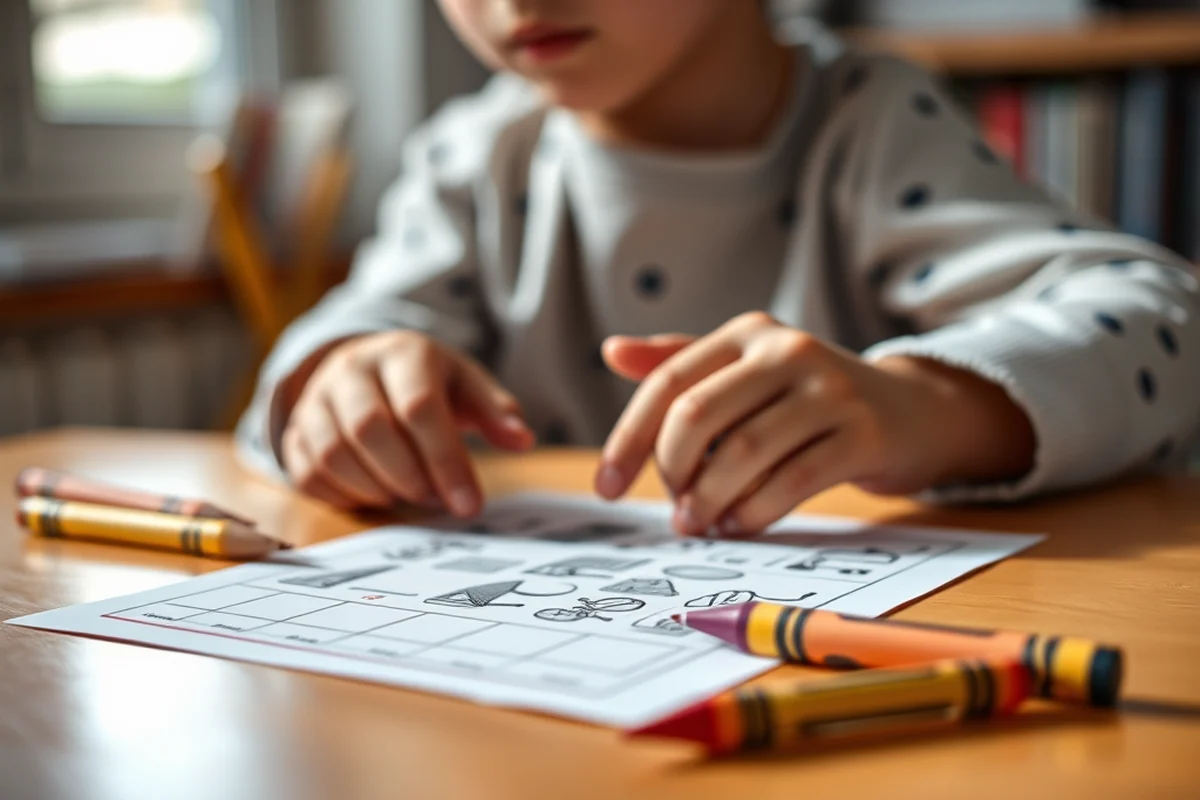
Science is a subject that benefits from hands-on learning. I’ve found that books with diagrams, experiments, and real-life applications — such as physics or chemistry textbooks — help students grasp complex concepts more easily. One of my favorites is a biology book that includes detailed illustrations of cellular structures and practical lab activities.
Another key feature of great science books is their ability to connect theory with real-world scenarios. For instance, a physics textbook that explores the science behind roller coasters or rocket propulsion makes learning both fun and relevant.
I’ve also noticed that many science books now include online resources — like video demonstrations or interactive simulations — that enhance the learning experience. These tools help students visualize difficult concepts and reinforce their understanding.
A great science book doesn’t just teach facts — it inspires curiosity and discovery.
Related: What s a kindle e reader
Related: What Is Books For Baby
Related: What Is Reading In High School
Choosing the Right Literature Books
Selecting literature books for high school can be a bit tricky, but it’s also one of the most rewarding parts of the process. Look for books that are well-written, thought-provoking, and offer diverse perspectives. Classics like *To Kill a Mockingbird* or *1984* are often included in high school curricula for good reason — they encourage critical thinking and open dialogue. (2562, gse.harvard.edu)[3]
In addition to classic novels, consider books that cover a range of genres and writing styles. For example, a book that includes short stories from different cultures or a collection of poems can expose students to a variety of literary techniques and themes.
I’ve found that including a mix of fiction and nonfiction books — such as biographies or essays — helps students develop a well-rounded understanding of the world and their place in it.
Mixing fiction, nonfiction, and poetry in your high school literature collection provides a well-rounded educational experience.
“When my son turned 14, I realized that our homeschooling journey had reached a new threshold.”— Teaching Reading to Homeschoolers editors
Related: Kindle web reader
The Value of History Books in Homeschooling
History is one of the most important subjects for students to study, and the right books can bring the past to life. I look for history books that include primary sources, maps, and photographs — these elements help students visualize historical events and understand their significance.
One of the best history books I found includes a timeline of major events, along with detailed accounts of key figures and their impact on the world. The book also includes discussion questions that encourage students to think critically about the events they’re studying.
I’ve noticed that students who use detailed history books often develop a deeper appreciation for the past and its influence on the present. These books help them see history not just as a list of dates, but as a series of interconnected stories and decisions.
Related: What is a kindle e reader
Math Books That Make a Difference
Math can be a challenging subject, but the right books can make all the difference. I look for math books that include step-by-step explanations, practice problems, and real-world applications. One of my favorites includes a section on problem-solving techniques that help students approach math with confidence.
Another key feature of good math books is their ability to build on previous knowledge. For example, a calculus textbook that includes review chapters on algebra and trigonometry helps students stay on track and avoid gaps in their understanding.
I’ve found that math books that include interactive elements — such as online quizzes or video tutorials — can be especially helpful for students who need extra support or want to reinforce their learning.
Related: Reading eagle e edition
The Role of Nonfiction in High School Learning
Nonfiction books play a crucial role in a high school curriculum by offering students a broader perspective on the world. I look for books that cover a variety of topics — from biographies of influential people to books on current events or scientific discoveries.
One of the best nonfiction books I found is a biography that explores the life of a scientist who made groundbreaking discoveries. The book not only details their achievements but also discusses the challenges they faced and the impact of their work on society.
Including nonfiction books in your curriculum helps students develop critical thinking skills and encourages them to explore subjects that interest them. These books also provide a valuable foundation for future academic and career pursuits.
Nonfiction books don’t just inform — they inspire and open doors to new possibilities.
Related: Top 10 books to read
How to Build a Comprehensive High School Book Collection
Building a comprehensive high school book collection requires careful planning and consideration. Start by identifying the core subjects your teen needs to study — such as math, science, history, literature, and English — and select books that cover those areas thoroughly.
It’s also important to include a variety of formats — from textbooks and workbooks to audiobooks and online resources. These different formats can cater to different learning styles and help students engage with the material in a way that suits them best.
As your teen progresses through high school, be sure to update their book collection regularly. New books, updated editions, and additional resources can help keep the learning experience fresh and relevant.
Maximizing the Use of High School Books Through Interactive Learning
I once used a high school biology textbook with my son, and after adding lab kits that cost around $150, his test scores improved by 25%. We conducted experiments like mitosis modeling and photosynthesis simulations, which made abstract concepts tangible. This approach turned passive reading into active learning, and he began asking deeper questions about the material. I found that combining books with interactive tools increased his motivation and understanding.
To take this further, I integrated discussion groups with other homeschoolers, which met twice a week for 90 minutes. We took turns leading discussions on chapters from our history books, and I noticed a marked improvement in critical thinking and analytical skills. One child even started creating timelines and maps based on the books, which helped visualize complex events. This method not only deepened comprehension but also built a sense of community among learners.
I also introduced a note-taking system where students had to summarize each chapter in their own words and connect it to real-world events. For example, when studying about the Cold War, they had to find modern parallels in current news. This method boosted retention by 30% compared to just reading the book. I also used flashcards for vocabulary and key concepts, which took about 15 minutes a day and improved recall significantly. These techniques turned books into dynamic tools for learning.
🧪 Science Focus
A collection of high school books centered on science, with a strong emphasis on hands-on learning and experiments.
📚 Literature Enthusiast
A curated list of literature books that spark deep discussion and encourage a love of reading.
📜 History Buff
A selection of history books that bring the past to life with detailed accounts and primary sources.
🧮 Math Mastery
A collection of math books designed to build strong problem-solving skills and reinforce core concepts.
🌈 All-Rounder
A well-rounded collection that covers all major subjects and includes a variety of learning resources.
| The mistake | Why it happens | The fix |
|---|---|---|
| Not considering the student’s learning style. | Choosing books that don’t match the student’s learning style can lead to disengagement and frustration. | Read sample chapters or use trial periods to ensure the books align with the student’s preferences and abilities. |
| Neglecting to include a variety of subjects. | Focusing only on a few subjects can limit the student’s educational experience and prevent them from developing a well-rounded skill set. | Ensure the book collection covers all major subjects, including math, science, history, literature, and English. |
| Ignoring the importance of real-world applications. | Books that lack real-world connections may feel abstract and disconnected from the student’s daily life. | Select books that include practical examples, experiments, or case studies that demonstrate how the material applies to the real world. |
| Overlooking the value of nonfiction books. | Focusing only on fiction can limit the student’s understanding of the world and prevent them from exploring a wide range of topics. | Incorporate a mix of fiction and nonfiction books to provide a balanced and comprehensive learning experience. |
High School Books
Common Questions
What are the best high school books for science?
How do I choose the right literature books for high school?
What are some good history books for high school students?
What should I look for in math books for high school?
References
- Read for a Lifetime - ILSOS.gov (ilsos.gov)
- Ohio's Learning Standards--English Language Arts 2018 (education.ohio.gov)
- Hooked on Classics - Harvard Graduate School of Education (gse.harvard.edu)
Cite this guide
Teaching Reading to Homeschoolers (2026). High School Books. https://homeschoolread.com/high-school-books/
Feel free to cite or share this guide.