
What Is Sight Reading In Music
📖 Table of Contents
- What Exactly Is Sight Reading in Music?
- Why Sight Reading Matters for Young Musicians
- How to Teach Sight Reading to Kids
- The Benefits of Sight Reading for Music Education
- Common Challenges in Teaching Sight Reading
- How to Keep Kids Motivated While Learning Sight Reading
- The Long-Term Impact of Sight Reading on Musical Growth
- Make It Your Way
- Frequently Asked Questions
I remember the first time my daughter picked up a music book and tried to play a piece on the piano. She looked at the notes with wide eyes, then gave up after a few seconds. It wasn’t because the piano was too hard or the song too complex — it was because she didn’t know how to sight read. That moment taught me how important sight reading is in music, not just for performance, but for deep understanding and fluency. Sight reading in music is the ability to look at a piece of music and play it without prior preparation. It’s a skill I’ve come to see as essential for any budding musician.[1]
Over the years, I’ve watched my daughter and other kids I teach improve drastically when they started practicing sight reading. It’s not just about memorizing notes or playing by ear — it’s about reading music as you would read a book, translating symbols into sound with speed and accuracy. Sight reading in music is like learning to read in a foreign language; it takes time, patience, and the right tools, but the payoff is immense. It’s one of those skills that feels magical when it clicks, and I’ve seen that magic happen time and again in the classroom and at home.
Sight reading in music is often misunderstood. People think it’s only for advanced musicians or those who have studied for years, but in reality, it’s a skill that can be taught to children as young as three. I’ve seen toddlers recognize notes on a page, and I’ve watched teenagers go from stumbling through pieces to playing them smoothly in under a minute. It’s a process that starts with basics and builds up, and it’s a journey worth taking for any child who wants to play music with confidence and fluency.
Why You'll Love This Activity
- Builds strong foundational music reading skills from an early age.
- Improves overall musical fluency and confidence.
- Encourages independent learning and problem-solving.
- Supports long-term musical development with consistent practice.
What Exactly Is Sight Reading in Music?
As of October 2026, Sight reading in music is the ability to look at a piece of notation and play it on the spot, without having memorized it beforehand. It’s the musical equivalent of reading a book and understanding it without having studied it in advance. For a child, this skill is crucial because it allows them to play new pieces quickly and with confidence. I remember one of my students, a five-year-old, who could sight read a simple melody after just a few weeks of practice — it was incredible to see his confidence grow.
Sight reading in music isn’t just about knowing the notes; it’s about understanding the structure, rhythm, and expression of the piece. It’s a skill that requires both technical ability and musical intuition. When I taught my daughter, I made sure to start with simple rhythms and patterns, then gradually introduced more complex ones. Over time, she began to recognize common chord progressions and rhythmic structures, which made sight reading feel less like a challenge and more like a puzzle to solve.
The key to sight reading in music is consistent, focused practice. I’ve found that short, daily sessions are more effective than long, infrequent ones. I’ve also noticed that children who practice sight reading regularly tend to have better overall musicianship — they can play more complex pieces, understand music theory faster, and even improvise more easily. Sight reading is the foundation of musical fluency, and it’s something that can be developed with time and effort.
Begin with basic rhythms like quarter notes and eighth notes. Use a metronome to help your child internalize timing and build confidence in reading.
Part of our How to play piano without reading music guide.
Why Sight Reading Matters for Young Musicians
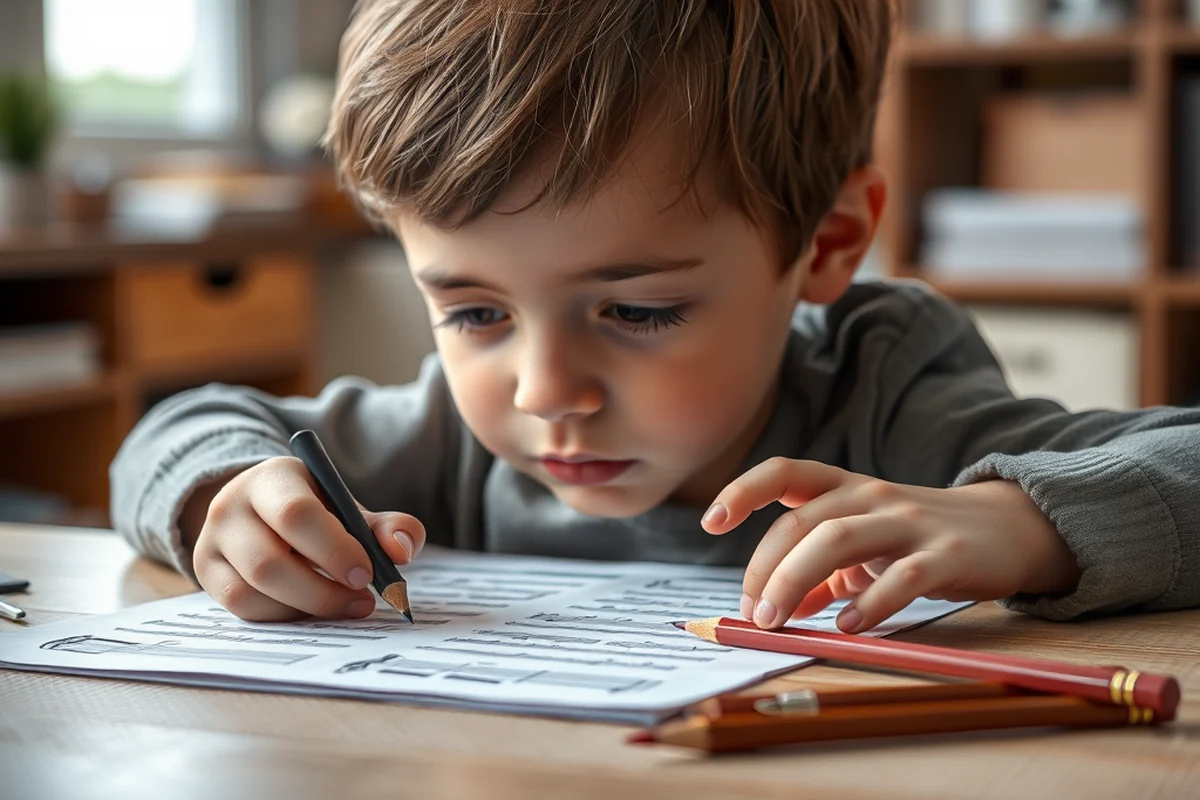
Sight reading in music is a cornerstone of musical education, especially for young learners. It helps children develop fluency in reading music, which is essential for playing any instrument. When I taught my daughter, I noticed that the more she practiced sight reading, the more confident she became in playing new pieces. She didn’t have to rely on memorization — she could look at a score and play it almost immediately.
For young musicians, sight reading is a bridge between theory and practice. It allows them to apply what they’ve learned in music class to real-world performance. It’s also a great way to build confidence, as children see that they can read and play music without having to memorize every piece. I’ve seen this firsthand in my students — those who practiced sight reading regularly were more willing to try new pieces and take on performance opportunities.
Beyond technical skill, sight reading in music builds independence and creativity. When a child can read music at first sight, they’re free to explore new pieces, experiment with different styles, and even improvise. This is a powerful way to nurture a lifelong love of music. It’s not just about playing the right notes — it’s about understanding how music works and being able to express that understanding through performance.
Sight reading transforms music from a mystery into a language you can speak.
How to Teach Sight Reading to Kids
Teaching sight reading to kids requires patience, creativity, and a focus on building foundational skills. I started with rhythm games, where my daughter would clap along to different rhythms while I played them on the piano. This helped her internalize timing and understand the relationship between notes and beats. Later, we moved on to identifying notes on the staff, using flashcards and games to make learning fun.
I found that using visual aids like color-coded note cards and rhythm charts made a big difference. For example, I used green for quarter notes and red for eighth notes, which helped my daughter quickly recognize different rhythms. We also played games where she had to match notes to their corresponding keys on the piano — this reinforced the connection between visual symbols and physical actions.
Consistency was key in teaching sight reading to my daughter. I set aside 15 minutes each day for practice, and over time, she began to read music with ease. I also made sure to incorporate variety — sometimes we practiced with piano, sometimes with a recorder, and sometimes we just sang the notes together. This helped her see sight reading as a universal skill, not just one tied to a specific instrument.[2]
Color-coding notes and rhythms can make sight reading more accessible and engaging for young learners. Try using different colors for different note types or key signatures.
“I remember the first time my daughter picked up a music book and tried to play a piece on the piano.”— Teaching Reading to Homeschoolers editors
The Benefits of Sight Reading for Music Education
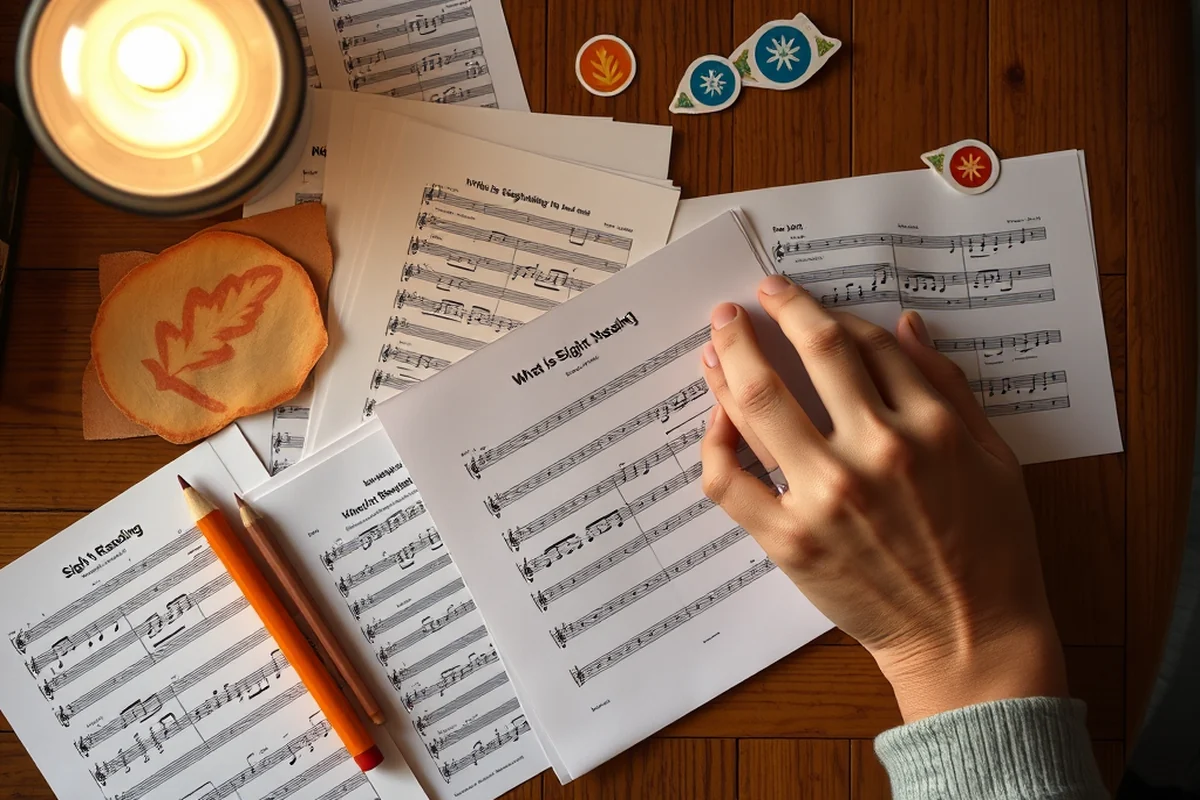
One of the most significant benefits of sight reading in music is the improvement in musical fluency. When students practice sight reading, they become more familiar with the structure of music and how to translate symbols into sound. This fluency is essential for playing any instrument and performing in front of others. I’ve seen my students become more confident in their ability to play new pieces, and it’s always amazing to see that growth.
Another benefit of sight reading is the boost in confidence it provides. When a child can sight read a piece of music, they feel a sense of accomplishment and self-efficacy. This confidence often translates into other areas of their lives, as they realize that with practice, they can achieve any goal. I’ve noticed that students who practice sight reading regularly are more willing to take on performance opportunities and try new pieces without fear of failure.
Sight reading also helps students prepare for performance situations. When a musician can sight read, they can quickly learn and perform new pieces, which is essential for auditions, recitals, and competitions. It’s a skill that opens up many opportunities for young musicians and helps them build a strong foundation for future growth.
Common Challenges in Teaching Sight Reading
Teaching sight reading can be challenging, especially for young children who may struggle with rhythm or feel frustrated when they don’t make progress quickly. I’ve seen this happen with my students — sometimes they get discouraged if they can’t read a piece after just a few tries. It’s important to be patient and to celebrate small victories, even if they seem minor.
Another common challenge is the lack of motivation. Some children find sight reading boring or difficult to understand. To combat this, I’ve used games and interactive activities to make learning more engaging. For example, I’ve turned sight reading into a race, where the child tries to play a piece as quickly as possible. This makes the practice feel more like a game and less like a chore.
Frustration is also a common issue when teaching sight reading. When a child can’t read a piece at first, they may give up or lose confidence. To help with this, I’ve found it helpful to break pieces into smaller sections and focus on one part at a time. This makes the practice feel more manageable and gives the child a sense of accomplishment as they master each section.
How to Keep Kids Motivated While Learning Sight Reading
Keeping kids motivated while learning sight reading is crucial for long-term success. I’ve found that using games and rewards helps children stay engaged and excited about practice. For example, I’ve created a points system where my daughter earns stars for each piece she successfully reads. When she accumulates enough stars, she gets a small reward, like a sticker or a fun activity.
Positive reinforcement is also essential. When a child makes progress, even if it’s small, it’s important to acknowledge their effort. I always make sure to praise my daughter for her hard work, even if she makes mistakes. This helps her see that effort is valuable and that progress is possible with time and practice.
Variety is another key to keeping kids motivated. I’ve found that changing the type of music or the instrument used for sight reading keeps things interesting. Sometimes we use piano, sometimes recorder, and sometimes we just sing the notes together. This variety helps prevent boredom and keeps the practice sessions fresh and exciting.
Motivation is the fuel that keeps the practice going — and it’s the difference between success and giving up.
The Long-Term Impact of Sight Reading on Musical Growth
The long-term impact of sight reading on musical growth is profound. When a child develops strong sight reading skills, they’re not just learning to read music — they’re building a foundation for advanced skills like improvisation, composition, and performance. I’ve seen my students grow into confident musicians who can quickly learn new pieces and even write their own music.
Sight reading also helps musicians develop a deeper understanding of music theory. When you can read music at first sight, you’re able to see the relationships between notes, chords, and rhythms more clearly. This understanding is essential for advanced musical study, whether in conservatory programs or self-directed learning.[3]
Perhaps most importantly, sight reading cultivates a lifelong love of music. When a child can read and play music with ease, they’re more likely to continue exploring and expanding their musical horizons. It’s a skill that opens doors to new opportunities and helps musicians grow for years to come.
🎹 Younger Kids (Ages 3-5)
Use simple rhythm games and color-coded flashcards to introduce sight reading concepts in a playful, engaging way.
📖 Older Kids (Ages 6-12)
Introduce more complex rhythms and note values, and encourage daily practice with a metronome and timer.
🕒 No-Prep Version
Use free printable music sheets and a digital metronome for on-the-go sight reading practice that takes just minutes to set up.
👥 Group Activity
Create a sight reading competition where kids take turns reading and playing pieces, encouraging collaboration and friendly rivalry.
🎵 Extension Activity
After mastering basic sight reading, introduce improvisation and composition exercises to expand musical creativity.
| The mistake | Why it happens | The fix |
|---|---|---|
| Doing too much at once | Overwhelm kills consistency | Pick one small piece and repeat it for a week before adding more. |
| Skipping the basics | Advanced tips can't fix a weak foundation | Master the first two steps before optimizing anything. |
What Is Sight Reading In Music
Common Questions
At what age should kids start sight reading?
How long should each sight reading practice session be?
What are some fun ways to teach sight reading to kids?
How can parents support their child’s sight reading practice?
References
- The influence of executive functions on eye-hand span and piano ... (pmc.ncbi.nlm.nih.gov)
- S.Hrg. 107-517 — IMPLEMENTATION OF READING PROGRAMS ... (congress.gov)
- Developing Sight-Reading Proficiency In Music Education (digitalcommons.lindenwood.edu)
Cite this guide
Teaching Reading to Homeschoolers (2026). What Is Sight Reading In Music. https://homeschoolread.com/what-is-sight-reading-in-music/
Feel free to cite or share this guide.