
What Is Reading Mode
📖 Table of Contents
I remember the first time I saw my son’s eyes light up while reading a book. It was a quiet afternoon in our living room, and he was completely absorbed in a story about dragons and knights. He didn’t just flip pages—he stopped, pointed at words, and asked questions. That moment made me realize how powerful reading can be, especially when done right. But I didn’t understand what exactly made that experience so different. It wasn’t just the book, or the time of day. It was something deeper, something I would later come to call 'reading mode.'[1]
Reading mode isn’t just a term; it’s a state of being. It’s that focused, calm, and curious space where a child (or even an adult) can lose themselves in the world of words, pictures, and ideas. I’ve seen it happen time and again in our homeschooling journey—my son’s eyes widening as he discovers a new word, or my daughter stopping to trace letters in the air as she reads aloud. It’s a magical, yet very real, state that can be cultivated with intention and practice.
So, what exactly is reading mode? It’s the combination of environment, mindset, and technique that allows a reader to engage fully with a text. It’s the quiet space where a child can sit with a book, surrounded by the right tools and support, and truly immerse themselves in the story. In our home, we’ve found that creating this kind of atmosphere is one of the most important things we can do to nurture a lifelong love of reading. And that’s what this article is all about: understanding and building that powerful reading mode.
Why You'll Love This Reading Mode Approach
- It helps kids focus and engage more deeply with stories.
- It creates a calm, inviting space for learning.
- It builds confidence and curiosity in young readers.
- It supports long-term reading skills and habits.
What Exactly Is 'Reading Mode'?
As of October 2026, at its core, reading mode is a mental and physical state of complete engagement. It’s when a child is so absorbed in a book that they forget the world around them, and when they’re not just reading, but truly thinking, wondering, and imagining. I’ve noticed this state most clearly when my son is reading a favorite book—his entire body is still, his eyes are wide, and his voice is soft as he reads aloud. It’s a magical time, and it’s something I want to create for him more often.
This kind of deep reading doesn’t happen by accident. It’s the result of intentional preparation, a calm environment, and a mindset that prioritizes learning over distraction. I’ve learned that creating the right conditions—like a quiet corner with good lighting and a comfortable chair—can make all the difference in helping a child get into reading mode. It’s not just about the book; it’s about the whole experience.
I’ve also found that reading mode is more than just a passive activity. It’s an active process of thinking, questioning, and even talking to oneself as a reader. This is the kind of deep thinking that builds comprehension and vocabulary, and it’s something that can be nurtured with the right support and tools.
Set up a cozy reading nook with soft lighting and a plush cushion. It helps children transition into reading mode by making it feel like a special, safe space.
Part of our Reading strategies guide.
How to Enter Reading Mode
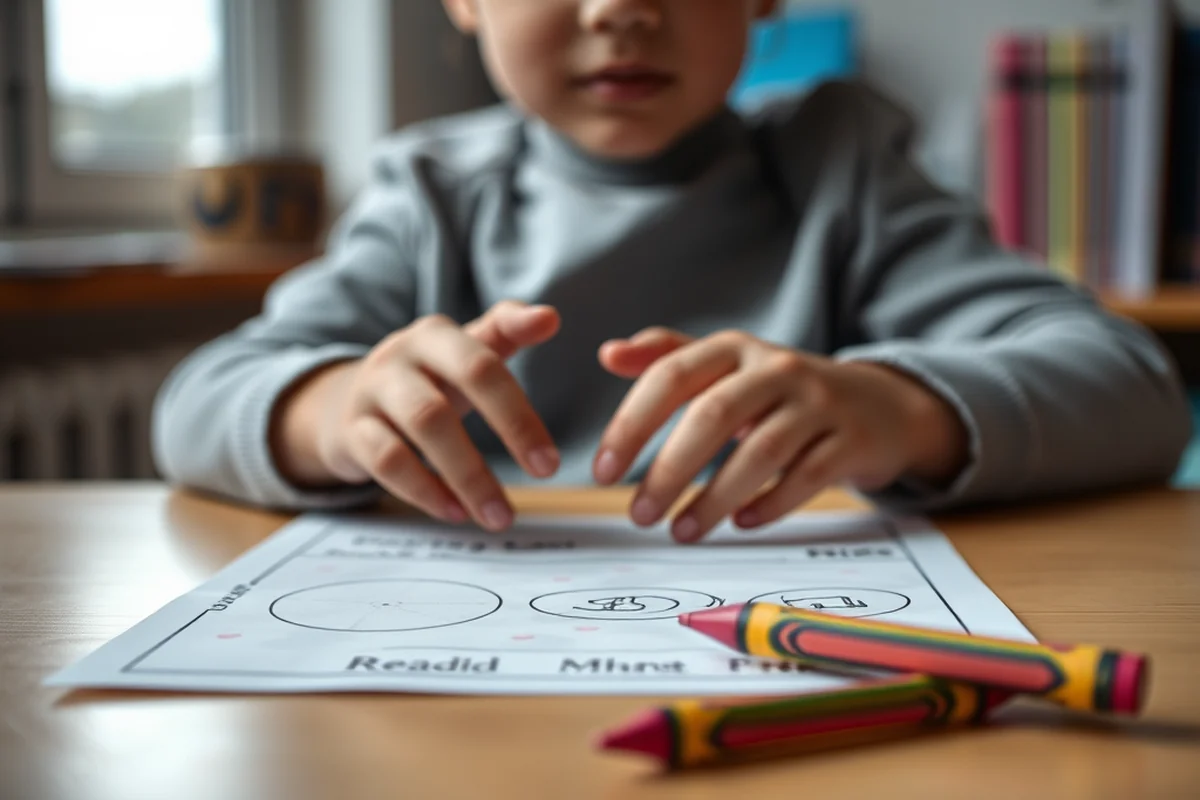
I’ve discovered that entering reading mode starts with a simple but powerful ritual. We set aside 10 minutes each day for reading, and during that time, we turn off the TV, put away toys, and make sure the space is quiet. It’s not about being perfect, but about creating the right conditions for deep reading. I’ve noticed that even small changes, like using a favorite blanket or a soft lamp, can signal to my son that it’s time to read.[2]
Choosing the right book is also key. Sometimes, a child’s favorite book can be the perfect trigger for entering reading mode. Other times, I’ll pick a book that matches their current interests, like dinosaurs or space. I’ve found that when a child is excited about the topic, they’re more likely to engage with the text and enter reading mode.
Another thing that helps is modeling reading behavior. When I read, my son often joins me, and we read together. It’s a way of showing him that reading is something we both enjoy. This kind of shared experience helps build a sense of connection and makes reading mode feel more natural and inviting.
Reading mode is not about perfection—it’s about presence and connection.
Related: What is reading with comprehension
The Benefits of Reading Mode
I’ve seen the benefits of reading mode time and again in our home. When my son is in reading mode, he’s not just reading—he’s thinking, asking questions, and even drawing pictures that match the story. It’s a time when his brain is working hard, but in a way that feels fun and natural. I’ve noticed that he’s learning new words, understanding more complex sentences, and even using those words in his own speech.
This kind of deep engagement also helps build confidence. When a child is in reading mode, they feel a sense of accomplishment and pride in what they’re doing. It’s not just about the book—it’s about the child’s growth, and I’ve seen that growth in my son over the past year. He’s more curious, more confident, and more eager to explore new books.
I’ve also found that reading mode helps create a lifelong love of reading. It’s not just about learning to read—it’s about enjoying the process. When a child is in reading mode, they’re not just absorbing information—they’re building a connection with the story, the characters, and the world around them. It’s a connection that can last a lifetime.
Ask your child to draw or write about what they’re reading. This helps reinforce comprehension and builds a personal connection with the material.
“I remember the first time I saw my son’s eyes light up while reading a book.”— Teaching Reading to Homeschoolers editors
Related: What is a kindle reader
The Science Behind Reading Mode
As a homeschooling parent, I’ve always been curious about the science behind reading. I’ve learned that when a child enters reading mode, their brain is actually working in a way that’s similar to meditation. It’s a state of deep focus where the brain is more receptive to learning and less distracted by external stimuli. Studies have shown that this kind of focused reading can improve memory, vocabulary, and even emotional intelligence.
I’ve noticed that when my son is in reading mode, he’s more relaxed and less easily distracted. It’s as if his brain is entering a kind of 'learning flow' where he’s fully absorbed in the story. This is a powerful state that can be harnessed to build strong reading skills and support long-term learning.
Research also shows that reading mode helps build neural pathways in the brain that support comprehension and critical thinking. It’s not just about reading—it’s about the brain working in a way that promotes deep understanding and long-term retention. I’ve found that when a child is in reading mode, they’re not just reading—they’re building a foundation for future learning.
Related: What is in reading pa
How to Recognize When a Child Is in Reading Mode
One of the most important things I’ve learned about reading mode is how to recognize when a child is in that state. I’ve noticed that when my son is in reading mode, he’s completely focused on the book. His eyes are wide, and he’s looking at the text with a kind of curiosity and wonder. He doesn’t just flip pages—he reads slowly, and sometimes he even stops to ask me questions.
Another sign is that he’s in a calm, relaxed state. When he’s in reading mode, he doesn’t fidget or move around. He’s sitting still, with his head tilted slightly, and his body is relaxed. It’s a state that feels almost meditative, and it’s something I’ve come to appreciate as a parent.
I’ve also noticed that when my son is in reading mode, he’s more willing to talk about what he’s reading. He’ll point to pictures, ask me about the characters, and even draw his own version of the story. It’s a sign that he’s not just reading—he’s thinking, imagining, and engaging with the text in a deep way.
Related: Best teaching reading strategies
Tips for Encouraging Reading Mode in Younger Readers
For younger readers, the key to encouraging reading mode is to make it a shared, interactive experience. I’ve found that reading picture books together helps build a sense of connection and makes reading feel like a fun activity. When I read to my son, he often points at the pictures and asks me questions, which helps reinforce comprehension and vocabulary.
Another tip is to read aloud together. This not only helps build confidence but also gives a child a model of how to read. I’ve noticed that when we read together, my son is more likely to stay focused and engage with the text. It’s a way of showing him that reading is something we both enjoy.
I’ve also found that making reading a shared activity helps build a sense of connection and makes reading mode feel more natural. Whether we’re reading in the morning or before bedtime, it’s a time when we both feel calm, focused, and connected to each other.
Reading together is not just about learning—it’s about building a bond.
Related: How to teaching reading comprehension
Reading Mode and Long-Term Learning
One of the most important things I’ve learned about reading mode is how it supports long-term learning. When a child is in reading mode, they’re building habits that can last a lifetime. It’s not just about reading a few books—it’s about creating a routine that helps them learn, grow, and develop a love for reading.
I’ve noticed that reading mode helps build vocabulary in a way that feels natural and effortless. When a child is in reading mode, they’re not just memorizing words—they’re using them in context, understanding their meanings, and even using them in their own speech. This kind of deep learning is something that can be nurtured over time.
I’ve also found that reading mode supports critical thinking skills. When a child is in reading mode, they’re not just absorbing information—they’re thinking about it, asking questions, and even drawing their own conclusions. This kind of deep thinking is something that can help a child thrive in school and in life.
👶 Early Childhood Reading Mode
For toddlers and preschoolers, use picture books, interactive stories, and read-aloud sessions to encourage early literacy.
📚 Elementary Reading Mode
Use chapter books, guided reading sessions, and discussion circles to build comprehension and critical thinking skills.
📖 No-Prep Reading Mode
Grab a book and read together in any space, using the environment to support learning and engagement.
👥 Group Reading Mode
Use shared reading sessions, group discussions, and cooperative activities to build community and learning.
⏳ Extended Reading Mode
Create longer reading sessions with follow-up activities, like drawing, writing, or acting out stories to deepen understanding.
| The mistake | Why it happens | The fix |
|---|---|---|
| Trying to force reading mode. | Forcing a child into reading mode can make them feel pressured and resistant to reading. | Create a relaxed, supportive environment where reading feels like a choice and a joy. |
| Using too many distractions. | Too many distractions can prevent a child from entering deep reading mode. | Turn off screens, minimize noise, and create a calm space that encourages focus. |
| Choosing books that are too difficult. | Books that are too challenging can make a child feel frustrated and disengaged. | Choose books that match your child’s reading level and interests to support reading mode. |
| Not modeling reading behavior. | When parents don’t model reading, it can be harder for children to enter reading mode. | Read alongside your child, ask questions, and show them that reading is something you both enjoy. |
What Is Reading Mode
Common Questions
How can I help my child enter reading mode?
What are the signs that my child is in reading mode?
Can reading mode be used for older kids?
How long should a reading session last?
References
- a Cognitive Model of Regressive Eye Movements during Reading (pmc.ncbi.nlm.nih.gov)
- Libby App - ebooks & audiobooks FREE from your library - OverDrive (eugene-or.gov)
Cite this guide
Teaching Reading to Homeschoolers (2026). What Is Reading Mode. https://homeschoolread.com/what-is-reading-mode/
Feel free to cite or share this guide.