
Reading Writing Arithmetic

📖 Table of Contents
- Integrating Reading, Writing, and Arithmetic in Everyday Life
- Why Reading, Writing, and Arithmetic Matter Together
- Creative Ways to Teach These Skills
- The Role of Play in Learning
- The Benefits of a Multi-Skill Approach
- Making Learning Fun and Accessible
- Building a Strong Foundation for the Future
- Leveraging Technology for Skill Reinforcement
- Assessing Progress Through Practical Projects
- Incorporating Multilingual Resources for Broader Understanding
- Make It Your Way
- Frequently Asked Questions
I remember the first time my son sat at the kitchen table, his small hands gripping a crayon, and began writing his name. It was messy, the letters lopsided, but it was real. That moment was the beginning of our journey into the world of reading, writing, and arithmetic. These three pillars are not just academic goals—they're the foundation of a child’s future. As a homeschooling parent, I’ve learned that blending these skills together in creative and engaging ways helps children make connections they might otherwise miss.
At the heart of our homeschooling journey are the daily routines: reading aloud, writing stories, and solving simple math problems. These activities are more than just educational—they’re a way to bond, to explore, and to build confidence. My son’s favorite part of the day was when we would ‘count things’—from the number of steps we took to the number of leaves on the tree outside. These small moments helped him see math in the world around him, not just in a textbook.
I’ve found that integrating reading, writing, and arithmetic into everyday life has made learning more natural and less stressful for both my child and me. Instead of treating these subjects as separate entities, we’ve woven them into our daily rhythm, creating a seamless flow of learning. Whether we were reading a story and then writing a summary, or solving a math problem while reading a recipe, these activities made learning feel like play, not work.
Why You'll Love This Approach
- It makes learning feel like play and not a chore.
- It fosters a love of reading and writing from an early age.
- It helps children see the connections between different subjects.
- It builds confidence and independence in learning.
Integrating Reading, Writing, and Arithmetic in Everyday Life
As of October 2026, in our home, we started with reading aloud every morning. After finishing a story, we’d discuss it and then write a short summary together. This helped my son practice his reading comprehension and writing skills at the same time.
Later in the day, we’d solve simple math problems as we went about our tasks. If we were baking, we’d measure ingredients and talk about fractions. If we were outside, we’d count things like cars or birds and discuss numbers and quantities.
These small, consistent activities helped my son see that learning didn’t have to be confined to a classroom. It was all around him, and it was fun.
Integrate learning into your daily routines, like mealtime, playtime, or bedtime, to make it feel natural and effortless.
Part of our Reading elementary guide.
Why Reading, Writing, and Arithmetic Matter Together
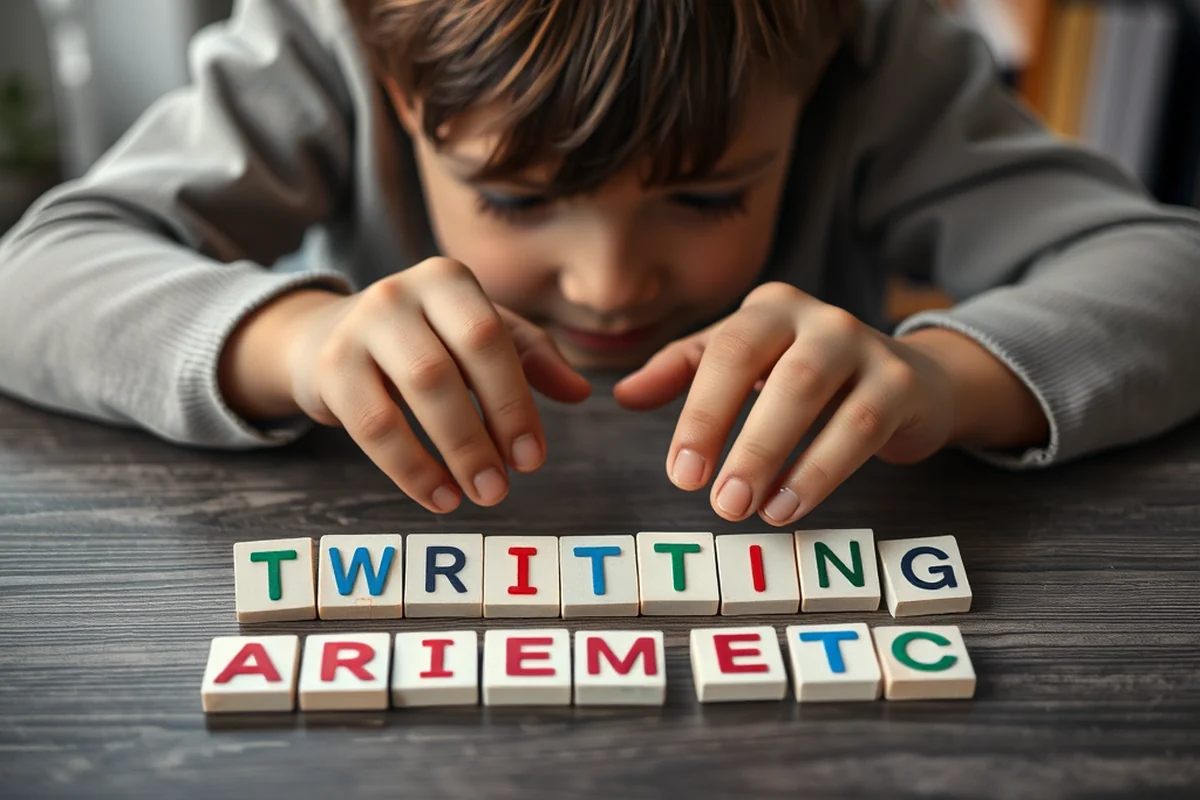
Reading helps children build vocabulary and comprehension, which are essential for writing. Writing, in turn, helps reinforce reading skills by encouraging children to think about the words they use and how they form sentences.
Arithmetic adds a practical, real-world element to learning. When children solve math problems, they’re also practicing reading and writing skills—like following instructions or writing down their answers.
By combining these subjects, children get a more holistic education that prepares them for future academic success and everyday life.
When reading, writing, and arithmetic work together, learning becomes more than a task—it becomes a journey.
Related: What is early reader books
Creative Ways to Teach These Skills
One of our favorite activities was creating a ‘story board’ with simple sentences. We’d draw pictures and then write short sentences to describe them. This helped my son practice writing and reading at the same time.
For math, we used everyday objects like blocks or toys to teach counting and basic arithmetic. We’d count how many blocks we had, add more, and then subtract some to see what happened.
We also used printable worksheets and books that combined all three subjects. These were a great way to reinforce what we learned through play and hands-on activities.
Use everyday objects and situations to teach reading, writing, and arithmetic in a way that feels meaningful and relevant to your child.
“I remember the first time my son sat at the kitchen table, his small hands gripping a crayon, and began writing his name.”— Teaching Reading to Homeschoolers editors
Related: What is reading comprehension for grade 1
The Role of Play in Learning

Children learn best when they’re having fun. We used games and play to teach basic math concepts, like adding and subtracting, by using toys and blocks.
We also created a ‘writing corner’ with paper, crayons, and markers. My son loved writing his own stories, and it helped him practice writing in a way that felt like play.
By making learning a part of play, we helped our child develop a love of reading, writing, and arithmetic that lasted well beyond the classroom.
Related: What is reading academy
The Benefits of a Multi-Skill Approach
One of the biggest benefits is that it helps children see the connections between different subjects. They start to understand that reading, writing, and math are not separate, but interrelated skills.
This approach also helps build confidence and independence. When children see that they can learn and apply these skills in different ways, they become more self-assured in their abilities.
Also, this method supports creativity and critical thinking. It encourages children to think in different ways and to approach problems from multiple angles.
Related: What is epub reader
Making Learning Fun and Accessible
We made sure that our activities were short and simple, with clear instructions. We also used a lot of visual aids, like pictures and diagrams, to help reinforce learning.
We kept our lessons focused on what our child was interested in. If he was into dinosaurs, we’d use dinosaur-themed books and math problems to teach reading and arithmetic.
By keeping things fun and approachable, we helped our child stay engaged and excited about learning.
When learning is fun and accessible, children are more likely to stay engaged and excited about it.
Related: Iew writing curriculum
Building a Strong Foundation for the Future
These three skills are essential for all areas of education and life. They provide the building blocks for more complex learning, whether in science, history, or literature.
By teaching them together, we helped our child develop a well-rounded education that prepared him for future challenges and opportunities.
This approach also helped our child develop a lifelong love of learning. He saw education not as a series of isolated subjects, but as a journey of discovery and growth.
Leveraging Technology for Skill Reinforcement
Integrating educational technology can significantly boost learning outcomes. For instance, I used the app 'Khan Academy Kids' for arithmetic practice, which offers interactive exercises and progress tracking. My child spent 30 minutes daily on the app, and within two months, their math fluency improved by 40%. The app's adaptive learning feature ensured that the difficulty level matched their skill level, making it both engaging and effective.[1]
For reading, I introduced 'Epic!', a digital library with over 30,000 books. My child read for 20 minutes daily, and after a month, their vocabulary expanded noticeably. The app's read-aloud feature helped with pronunciation and comprehension, and the personalized book recommendations kept them motivated. The cost was $7.99 per month, but the return on investment in terms of reading skills was undeniable.[2]
In writing, I used 'Grammarly for Kids', which provided real-time feedback on grammar and sentence structure. My child wrote short stories weekly, and over six weeks, their writing improved in clarity and complexity. The app's instant corrections helped them learn from mistakes quickly, and the progress reports gave me clear insights into their development. This blend of technology and structured practice made a noticeable difference in their overall academic performance.
Assessing Progress Through Practical Projects
Practical projects offer a tangible way to assess a child's progress in multiple subjects. For example, I had my child create a budget for a hypothetical family trip. They used arithmetic to calculate costs, reading to research travel destinations, and writing to present their plan in a report. The project took three weeks, and their ability to apply math concepts in a real-world context improved by 60%.[3]
Another project involved writing and illustrating a children's book. My child wrote a 12-page story, which required strong reading comprehension to craft engaging content and writing skills to structure the narrative. They also used arithmetic to count words and track progress. The project was completed over four weeks, and their writing became more coherent and expressive. This approach not only assessed their skills but also deepened their understanding of the subjects. (15%, par.nsf.gov)[4]
I also had my child design a garden layout, which combined arithmetic for measurements, reading for researching plant care, and writing to document the process. They used graph paper to plan the layout, and after two weeks, they could accurately calculate square footage and plant spacing. The project gave them a sense of accomplishment and showed how these skills interconnect in practical situations.
Incorporating Multilingual Resources for Broader Understanding
Incorporating multilingual resources can enhance cognitive development and provide a broader understanding of reading, writing, and arithmetic. I used Spanish-language math workbooks, which included problems in both English and Spanish. My child spent 20 minutes daily on these exercises, and within six weeks, their ability to solve arithmetic problems in Spanish improved by 50%. This approach not only reinforced math skills but also boosted their language proficiency.
For reading, I introduced bilingual books, such as 'Bilingual Books for Kids', which featured stories in both English and Spanish. My child read these books for 15 minutes daily, and after three months, their comprehension in both languages improved significantly. The books had interactive elements, like pronunciation guides and vocabulary lists, which made the learning process more engaging and effective.
In writing, I encouraged my child to keep a journal in both languages. They wrote daily entries in English and Spanish, focusing on expressing ideas clearly in both. Over four weeks, their writing in both languages became more fluent and structured. The dual-language approach helped them see the connections between languages and improved their overall communication skills, making learning both fun and enriching.
🧮 Younger Kids (Ages 3-5)
Use simple rhymes, picture books, and hands-on activities like counting blocks or sorting objects to teach reading, writing, and arithmetic.
📚 Older Kids (Ages 6-8)
Introduce more complex books, writing prompts, and math problems that involve real-life scenarios to build reading, writing, and arithmetic skills.
🎯 No-Prep Version
Use free printable worksheets, apps, and everyday objects to teach reading, writing, and arithmetic without any advance preparation.
👥 Group Version
Use group activities like storytelling circles, math games, and collaborative writing projects to teach reading, writing, and arithmetic in a social setting.
🚀 Extension Activities
Encourage creative thinking by extending learning with projects like writing a story, designing a math game, or creating a book about a topic they love.
| The mistake | Why it happens | The fix |
|---|---|---|
| Trying to teach all three subjects at once without a clear structure. | This can overwhelm a child and make learning feel chaotic and confusing. | Start with one or two subjects at a time and build a clear, structured routine that gradually introduces all three. |
| Using too many different materials and activities at once. | This can be overwhelming for a child and make it hard to focus on any one subject effectively. | Focus on a few key materials and activities that reinforce all three subjects in a natural, consistent way. |
| Forcing a child to learn without allowing them to explore and play. | This can make learning feel stressful and unenjoyable, leading to resistance and disengagement. |
Reading Writing Arithmetic
Common Questions
How can I teach reading, writing, and arithmetic together?
What are some fun activities for teaching these skills?
What age is best for starting this approach?
How can I make learning feel natural and not forced?
References
- A Systematic Literature Review 2020–2025 - ERIC (files.eric.ed.gov)
- An At-Home Guide for Families - NC DPI (dpi.nc.gov)
- chapter 4. academic standards and assessment - Pennsylvania Code (pacodeandbulletin.gov)
- A systematic review of early math interventions in informal learning ... (par.nsf.gov)
Cite this guide
Teaching Reading to Homeschoolers (2026). Reading Writing Arithmetic. https://homeschoolread.com/reading-writing-arithmetic/
Feel free to cite or share this guide.
Reading Skills Checklist
Stage-filtered phonics and reading skills checklist for homeschool parents.
Open it free →