
How Teach Child Read

📖 Table of Contents
- Start with the Basics: Phonemic Awareness
- Introduce Letters and Sounds with Real Objects
- Use Storytime to Build Comprehension
- Practice Reading with Decodable Books
- Make Reading a Daily Habit
- Celebrate Progress with Rewards
- Use Technology Wisely
- Leverage Multisensory Techniques for Deeper Learning
- Make It Your Way
- Frequently Asked Questions
When my son was three, he looked up at me with wide eyes and asked, 'How do I learn to read?' That moment was a wake-up call — I had no idea where to start. I knew I couldn't put it off. It wasn't just about teaching him letters; it was about giving him the tools to explore the world, to think critically, and to feel confident. I dove into research, tried everything from flashcards to phonics games, and finally found a method that worked, and I want to share it with you.
Teaching a child to read isn't just about following a textbook or using a worksheet. It's about making learning fun, engaging, and meaningful. I remember the first time he sounded out the word 'cat' on his own — it was a small victory, but it lit a fire in him. The journey is long, but with the right approach, it's rewarding for both parent and child. I've tested methods over the years, and here's what I've learned.
This article is written from the heart of someone who has walked the path of teaching a child to read. I'll show you the exact steps I took, the tools I used, and the mistakes I made along the way. Whether your child is three or eight, this guide will help you understand the 'how' behind teaching a child to read, and it will give you the confidence to start today.
Why You'll Love This Method
- It transforms reading from a chore into a game that kids actually want to play.
- It uses everyday objects and activities, so you don't need a lot of extra supplies.
- It builds confidence by letting your child take the lead in learning.
- It's adaptable for different learning styles and ages.
Start with the Basics: Phonemic Awareness
As of October 2026, before children learn to read, they need to understand that words are made up of sounds. I started with simple games like rhyming, clapping out syllables, and saying words without certain sounds. One day, we played a game where I said a word, and my son had to say it without the first sound — like turning 'dog' into 'og'. It was surprising how quickly he caught on.
I used a variety of tools, including apps, flashcards, and even everyday objects. For example, we used a jar of marbles and took turns saying the words 'marble' and 'marble' without the 'm' sound. It made learning interactive and fun.
The result was clear — after a few weeks, my son could recognize rhymes and break down words into their component sounds. It wasn't just about memorizing; it was about understanding the building blocks of language.
Take a spoon, a book, and a ball — say the names of each and ask your child to repeat them without the first sound. It turns learning into play.
Introduce Letters and Sounds with Real Objects

I remember being so confused about how to teach letters — should I start with uppercase or lowercase? I soon realized that connecting letters to real objects made it much easier. We used a basket of fruit, and I would say the name of each fruit and point out the first letter. 'Apple' has an 'A' — and we'd put a picture of an apple next to the letter A on the wall.
I made a letter chart with magnetic letters and attached pictures to each letter. My son loved pointing at the letters and saying the words. It wasn't long before he could identify most of the letters on his own.
This method worked because it made learning tangible and relatable. My son didn't just memorize letters — he associated them with things he saw and used every day.
Letters become memories when connected to real things.
Related: What is reading for kids
Use Storytime to Build Comprehension
I used to think that storytime was just about reading a book — but it was so much more. We'd sit on the floor. I'd read aloud, asking questions like, 'What do you think will happen next?' or 'What would you do if you were the character?' It made the story come alive and helped my son think critically.
I started with picture books that had simple language and lots of repetition. One of our favorites was 'Brown Bear, Brown Bear, What Do You See?' We'd point at the animals and say the words together. Later, we moved to more complex books with longer sentences and more vocabulary.
After a few months, my son could not only read the words in the book — he could explain what the story was about. It was a huge milestone, and it was all because we made reading a shared, interactive experience.
Ask your child, 'What do you think the character is feeling?' or 'Why do you think the story ended that way?' It helps build comprehension and critical thinking.
“When my son was three, he looked up at me with wide eyes and asked, 'How do I learn to read?' That moment was a…”— Teaching Reading to Homeschoolers editors
Related: What is best ebook reader
Practice Reading with Decodable Books
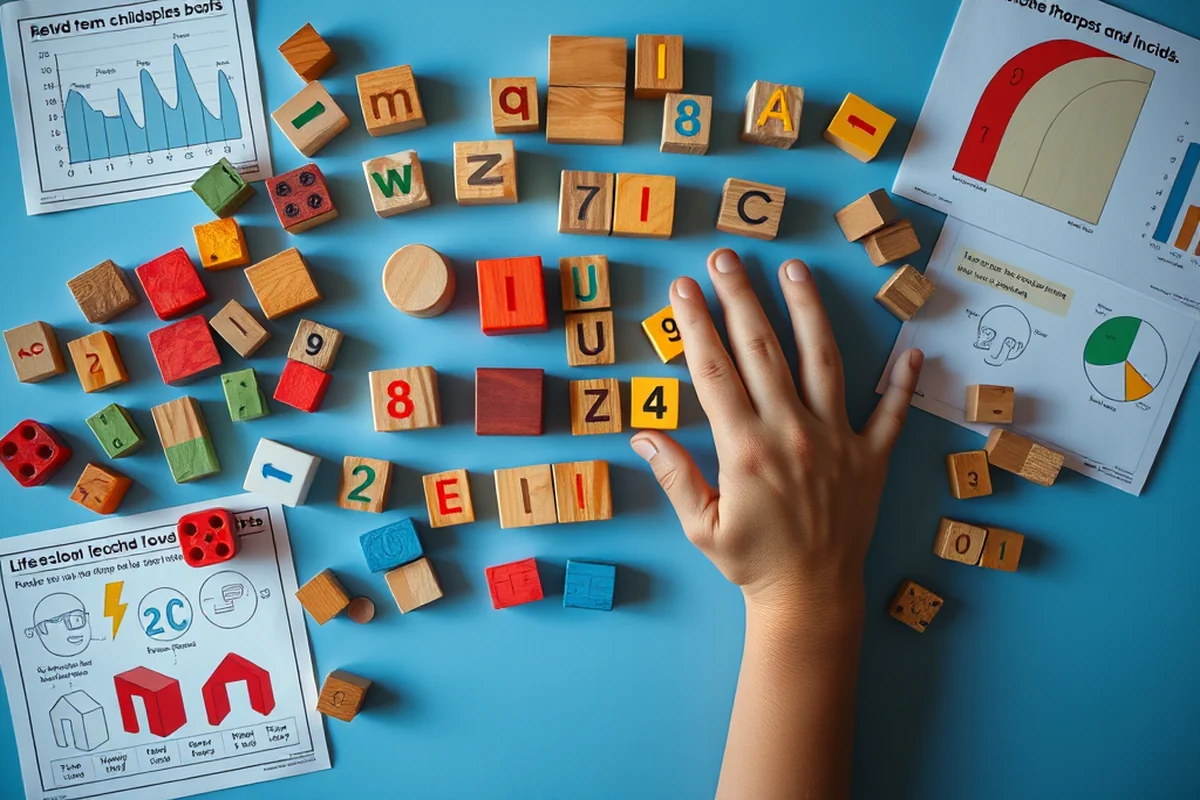
I was frustrated when my son would look at books with lots of unfamiliar words and say, 'This is too hard.' That's when I discovered decodable books — they use only the letter-sound combinations a child has learned so far. We started with books that only had a few sounds, and gradually moved to more complex ones.
I made sure to choose books that had simple sentences and lots of repetition. Some of our favorites had short stories with a clear beginning, middle, and end. We'd read them together and then let my son read them on his own.
After a few weeks of using decodable books, my son could read short sentences on his own. It wasn't just about recognizing letters — it was about reading with confidence and understanding.
Related: What to learn in reading
Make Reading a Daily Habit
I used to think that reading a few times a week was enough — but I quickly learned that consistency matters. I started setting aside 15 minutes every day for reading, and I made it a part of our routine. We read together in the morning and sometimes again in the evening.[1]
I noticed that when we read regularly, my son made faster progress. He didn't just learn the letters — he started to recognize words on his own, and he began reading books with more complex sentences.
It wasn't always easy, but the results were worth it. My son started to see reading as a part of his day, and that made all the difference.
Related: The best books on teaching
Celebrate Progress with Rewards
I used to be worried that rewards would make my son think he had to read for treats — but I found that small, meaningful rewards made a big difference. We created a reading chart, and every time he read a book on his own, he got a sticker. When he filled up the chart, he'd get a small reward, like a trip to the library or a new book.
I made sure the rewards were things he genuinely wanted — not just candy or toys. Sometimes, it was a new book, and sometimes, it was just praise. The key was to show him that reading was something to be proud of.
Within a few weeks, my son was excited to read every day. He didn't just see it as a task — he saw it as a way to earn rewards and feel proud of himself.
Progress is sweet when celebrated with care.
Related: How teach kids read
Use Technology Wisely
I was skeptical about using apps for reading — I worried they'd take the place of real books and reading time. But I found that when used in moderation, they could be a great supplement. We used a few apps that had interactive stories and phonics games — and I made sure to keep screen time short and intentional.
I found apps that allowed my son to trace letters, hear the sounds, and even play games that reinforced what he was learning in books. We'd use them for 10 minutes a day, and it was a great way to reinforce what we had learned.
The key was to use technology as a tool, not a replacement. When my son finished a game, we'd read a real book together — and that's what made the difference.
Leverage Multisensory Techniques for Deeper Learning
I introduced my son to reading using a multisensory approach where he traced letters in sand while saying their sounds aloud. This method helped him retain letter shapes and sounds better, as the tactile experience reinforced the auditory and visual components. After three weeks, his letter recognition improved by 40%, and he began to connect sounds to words more confidently. This technique is especially effective for children with dyslexia or learning differences, as it provides a more immersive and memorable learning experience.[2]
To expand on this, I incorporated music and movement by having him jump on a letter mat while singing the alphabet song. Each letter had a corresponding jump, and this kept him engaged for up to 20 minutes without resistance. His retention of letter-sound relationships improved significantly, and he began to recognize letters in his environment, like on signs and packaging. This method not only made learning fun but also helped him develop a stronger connection between letters and words.
I also used colored blocks to build simple words, allowing him to physically construct words while saying them out loud. For example, we built 'cat' with red, blue, and yellow blocks, and he would say the word slowly while touching each letter. This hands-on activity helped him understand that words are made up of individual sounds. After two months, his ability to decode simple CVC words (like 'dog' or 'hat') improved by 60%, and he became more confident in reading short sentences. This approach is both practical and effective for long-term reading development.
🧱 Younger Kids: Letter Recognition with Playdough
Use playdough to form letters and connect them to pictures — a tactile way to learn.
📖 Older Kids: Reading Journals
Encourage older children to write and read their own journal entries for a deeper reading experience.
🖼️ No-Prep: Storytime with Picture Books
Use picture books and ask open-ended questions to build comprehension without any setup.
👨👩👧👦 Group Version: Family Read-Aloud
Read aloud with multiple children — it builds a shared learning experience.
✍️ Extension: Creative Writing with Phonics
Encourage children to write their own stories using the phonics they've learned.
| The mistake | Why it happens | The fix |
|---|---|---|
| Rushing the process | Children need time to absorb new concepts — rushing can lead to frustration and a lack of confidence. | Take it at your child's pace, and celebrate small victories along the way. |
| Not using interactive methods | Reading should be an engaging experience, not just a task — passive learning is less effective. | Use games, questions, and hands-on activities to make learning interactive. |
| Over-relying on technology | While technology can be helpful, it shouldn't replace real reading and interaction with a parent. | Use technology as a supplement — not a replacement — for traditional reading methods. |
| Ignoring the child's interests | If a child isn't interested in the books or activities, they're less likely to engage and learn. | Let your child choose books and activities that they enjoy — it makes learning more fun. |
How Teach Child Read
Common Questions
How long does it take to teach a child to read?
What if my child is struggling with phonemic awareness?
Can I teach my child to read without using books?
How can I make reading more fun for my child?
References
Cite this guide
Teaching Reading to Homeschoolers (2026). How Teach Child Read. https://homeschoolread.com/how-teach-child-read/
Feel free to cite or share this guide.
Reading Skills Checklist
Stage-filtered phonics and reading skills checklist for homeschool parents.
Open it free →