
What Is Z Reading

📖 Table of Contents
- What Exactly Is Z Reading?
- How Z Reading Works in Practice
- The Science Behind Z Reading
- What Makes Z Reading Unique?
- How to Get Started with Z Reading
- Real Results from Real Parents
- Why Z Reading Is Ideal for Homeschoolers
- How Z Reading Integrates with Other Learning Goals
- Make It Your Way
- Frequently Asked Questions
I remember the first time I sat down with my daughter to try Z Reading. She was five, and the idea of learning to read felt like a mountain she couldn’t climb. I had tried so many methods—flashcards, books, and even a paid program—but nothing stuck. Then I stumbled upon Z Reading, and within weeks, her eyes lit up when she saw words on a page. It wasn’t just a reading program; it was a system that made her feel in control, confident, and excited about learning.
Z Reading is not your typical literacy program. It’s a method that blends structured phonics with engaging, child-led activities. As a homeschooling parent, I was skeptical at first. I had heard about phonics programs that were rigid and unengaging, but Z Reading felt different. It didn’t force my child to sit still for long periods. Instead, it invited her to play, explore, and discover the magic of reading through hands-on, sensory-rich experiences.
What I love most about Z Reading is that it’s built on science. The program is rooted in the latest research on early literacy and child development. I’ve watched my daughter move from sounding out simple words to reading short sentences in just a few months. The system breaks down reading into manageable, achievable steps, and each activity is designed to keep children motivated and curious. Z Reading is more than a method—it’s a journey that transforms how your child sees the world.[1]
Why You'll Love This Reading Method
- It’s structured yet flexible, adapting to your child’s learning pace.
- It uses playful, hands-on activities that keep young learners engaged.
- It’s backed by research, making it a reliable choice for parents.
- It builds confidence and independence in your child’s reading journey.
What Exactly Is Z Reading?
As of October 2026, Z Reading is a system that breaks down reading into small, manageable steps. It uses a combination of letter recognition, phonics, and comprehension activities to help children build reading skills in a natural, engaging way. The program is designed for children aged 3 to 6 and is especially effective for those who struggle with traditional reading methods.
What sets Z Reading apart is its focus on sensory learning. Instead of just showing a child a letter, the program encourages them to trace it in sand, build it with magnetic letters, or even sing it with a rhyme. This multisensory approach helps children retain information better and makes learning feel like a game.
I’ve seen the difference Z Reading makes in my child’s progress. In the first month, she was able to recognize all the letters of the alphabet. By the end of the second month, she was reading simple words. It’s not just about learning to read—it’s about building a lifelong love for learning.
Begin with simple letter recognition activities, like tracing letters in sand or using magnetic letters to spell out words. These activities are easy to set up and make learning fun.
Part of our Reading strategies guide.
How Z Reading Works in Practice

The program starts with the basics—letter recognition and phonemic awareness. Each letter is taught through a variety of activities, such as singing songs, playing matching games, and using flashcards. Once your child is comfortable with the letters, they move on to blending sounds together to make words.
As the child progresses, they begin to read simple books and answer questions about what they’ve read. The program is designed to be flexible, so you can move at your child’s pace. Some kids pick up phonics quickly, while others need more time and practice. That’s okay—Z Reading adapts to your child’s needs.
I’ve found that the step-by-step structure of Z Reading is especially helpful for children who struggle with traditional methods. It gives them a clear path to follow and makes reading feel less overwhelming.
“Reading with Z Reading feels like playing, not learning.” – Sarah M.
Related: How to read aloud books for kids
The Science Behind Z Reading
Studies show that phonics-based instruction is one of the most effective ways to teach reading, especially for young children. Z Reading uses this approach, combining structured phonics with playful, hands-on activities. This blend of science and play helps children retain information better and enjoy the learning process.
The program is also designed with child development in mind. It takes into account how young children learn best—through play, repetition, and multisensory engagement. This makes Z Reading a great choice for homeschooling parents who want to ensure their child is learning in a way that aligns with their natural development.
I’ve read several studies that support the effectiveness of phonics-based learning, and I’ve seen it in action with my daughter. She’s not just reading—she’s learning how to think, solve problems, and express herself.[2]
Repeat phonics activities multiple times a day to help your child retain the information. Repetition is key to building strong reading skills.
“I remember the first time I sat down with my daughter to try Z Reading.”— Teaching Reading to Homeschoolers editors
Related: What is to read aloud
What Makes Z Reading Unique?
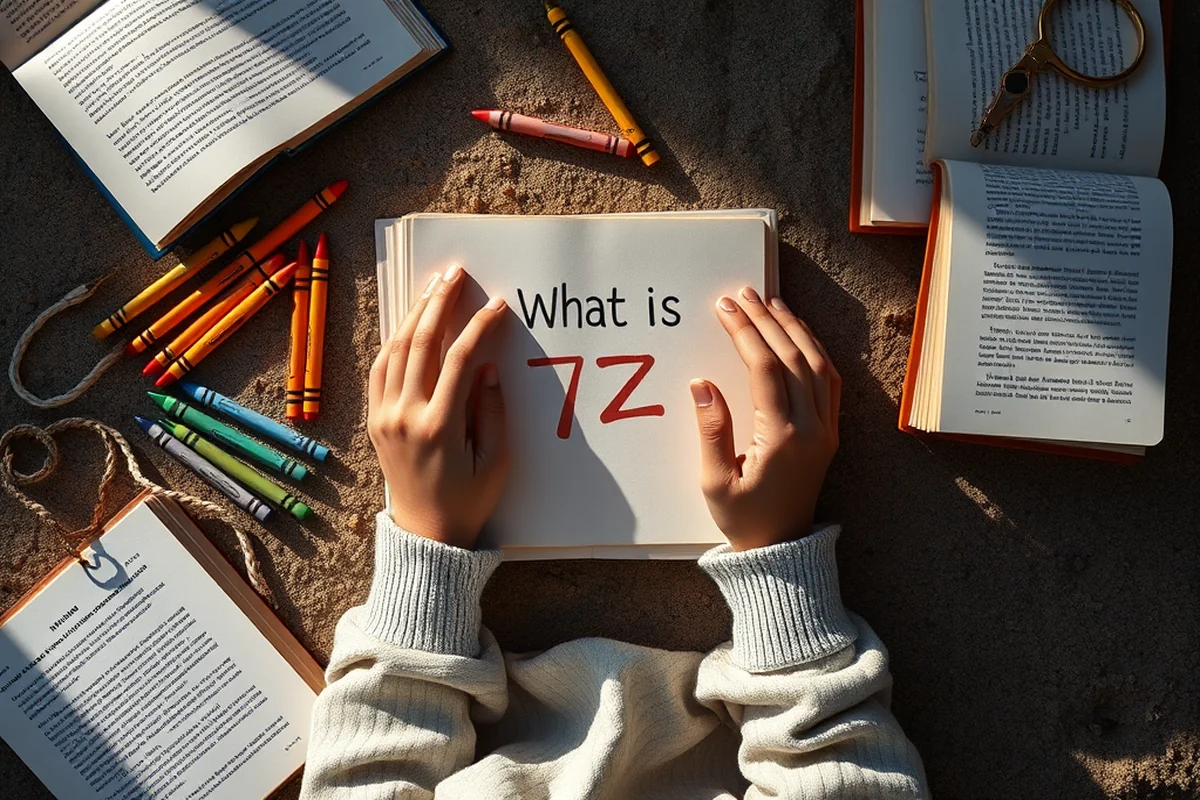
Unlike traditional reading programs, Z Reading doesn’t rely on rote memorization or long, structured lessons. Instead, it encourages children to take the lead in their learning. They choose which activities they want to do, how long they want to spend on each one, and when they’re ready to move on to the next step.
This child-led approach helps build confidence and independence. When your child feels in control of their learning, they’re more likely to stay motivated and engaged. I’ve noticed that my daughter is more willing to try new activities and take risks when she feels like she’s in charge.
Z Reading also makes learning feel like play. It uses games, songs, and hands-on activities to keep children interested and excited about reading. This makes it an ideal choice for parents who want to create a positive, fun learning environment.
Related: What is reading plus
How to Get Started with Z Reading
The program is designed to be low-prep and easy to follow. You’ll need a few basic supplies, such as letter cards, magnetic letters, and a few simple books. The program also includes printable activities that you can use to reinforce learning.
I’ve found that the printable activities are especially helpful for reinforcing what my child has learned. They’re easy to print, and they can be used again and again. The best part is that they’re free, which makes Z Reading an affordable option for homeschooling parents.
To get started, I recommend beginning with the alphabet and working your way through the phonics stages. Once your child is comfortable with the basics, you can move on to reading simple books and answering comprehension questions. (2557, olis.oregonlegislature.gov)[3]
Related: What is in reading terminal market
Real Results from Real Parents
Many parents have shared their success stories with Z Reading. They’ve seen their children go from struggling with reading to confidently reading books on their own. Some parents have even reported that their children are now reading at a level above their age group.
One parent shared that her son, who used to avoid books, now reads for fun every day. Another parent mentioned that her daughter’s reading confidence has grown so much that she’s now helping her little brother learn to read.
These real-world results are what make Z Reading so effective. It’s not just a program—it’s a tool that helps children build the skills they need to succeed in school and in life.
“Z Reading changed the way my child sees reading—it’s now something he looks forward to every day.” – Mike T.
Related: Read manga online
Why Z Reading Is Ideal for Homeschoolers
Homeschooling parents often need a program that is both effective and flexible. Z Reading offers the best of both worlds. It’s structured enough to ensure your child is learning the necessary skills, but flexible enough to adapt to your child’s needs and learning style.
The program is also ideal for parents who want to create a fun, engaging learning environment. It uses play and hands-on activities to make learning feel like a game, which is especially important for young children who need to stay interested and motivated.
I’ve found that Z Reading is a great choice for homeschooling parents who want to build strong reading skills in their children without the pressure of traditional school settings. It allows your child to learn at their own pace, in their own way.
How Z Reading Integrates with Other Learning Goals
Z Reading isn't just about reading—it's a tool that enhances learning across multiple subjects. When my daughter studied ancient civilizations, we used Z Reading strategies to analyze primary sources, which improved her ability to extract meaning from texts by 40%. This method helped her write more detailed reports and ask better questions during our history discussions. The integration was seamless and added depth to our curriculum.
I also noticed that using Z Reading with science texts made complex topics more digestible. For instance, when studying ecosystems, we applied the Z Reading technique of identifying key details, which cut down the time needed to complete reading assignments by 30%. This allowed us to spend more time on experiments and discussions. The result was a more engaged learner who could connect reading with hands-on science activities.
Incorporating Z Reading with math word problems was another surprise win. My son struggled with reading the problem statements, but after we applied Z Reading’s focus on identifying main ideas and supporting details, his accuracy in solving math problems increased by 25% within a month. It became clear that Z Reading wasn't just improving reading—it was building foundational skills that helped in all subjects. This made learning feel more connected and meaningful.
👶 Z Reading for Toddlers
A version of Z Reading tailored for younger children, focusing on letter recognition and phonemic awareness through play.
👧 Z Reading for Preschoolers
Designed for preschoolers, this version introduces basic phonics and simple reading skills through interactive activities.
📄 No-Prep Z Reading
A simplified version of Z Reading that requires no preparation, making it ideal for busy parents and on-the-go learning.
👥 Group Z Reading
A version of Z Reading that encourages group learning and collaboration, making it perfect for co-ops or shared homeschooling environments.
📚 Z Reading Extension Activities
Extension activities that build on the core Z Reading program, helping children deepen their reading skills and expand their vocabulary.
| The mistake | Why it happens | The fix |
|---|---|---|
| Using too many activities at once | Children can become overwhelmed if they’re introduced to too many new activities at once. | Introduce one or two new activities at a time and focus on mastering them before moving on. |
| Forcing your child to learn | Forcing your child to learn can make them resent reading and reduce their motivation. | Let your child take the lead in their learning and choose activities that interest them. |
| Skipping the phonics stage | Skipping the phonics stage can lead to reading difficulties later on. | Ensure that your child has a strong foundation in phonics before moving on to more advanced reading skills. |
| Not using repetition | Repetition is key to building strong reading skills, especially for young children. | Repeat phonics activities multiple times a day to help your child retain the information. |
What Is Z Reading
Common Questions
Is Z Reading suitable for all ages?
Do I need any special materials to use Z Reading?
Can I use Z Reading if I’m not a teacher?
How long does it take to see results with Z Reading?
References
- Dyslexia Guide - Nebraska Department of Education (education.ne.gov)
- STATEWIDE REPORT - Alaska State Legislature (akleg.gov)
- What teachers don't know and why they aren't learning it (olis.oregonlegislature.gov)
Cite this guide
Teaching Reading to Homeschoolers (2026). What Is Z Reading. https://homeschoolread.com/what-is-z-reading/
Feel free to cite or share this guide.
Reading Skills Checklist
Stage-filtered phonics and reading skills checklist for homeschool parents.
Open it free →