
What Is Speed Reading Test

📖 Table of Contents
- What Is a Speed Reading Test?
- Why Are Speed Reading Tests Important?
- How to Use a Speed Reading Test in Homeschooling
- Types of Speed Reading Tests
- How to Prepare for a Speed Reading Test
- Interpreting the Results of a Speed Reading Test
- Using Speed Reading Tests to Support Learning
- Make It Your Way
- Frequently Asked Questions
I remember the first time my son took a speed reading test. He was nine, and I watched him sit at the table with his eyes darting across the page, trying to keep up with the words that were flying by. It was both fascinating and a little alarming. As a homeschooling parent, I wanted to understand what this test was actually measuring and why it mattered. What is a speed reading test, really? Was it just about how fast you could read, or was there more to it?[1]
Speed reading tests are often misunderstood. They're not just about how many words a child can read in a minute, although that is a part of it. These tests are designed to assess a variety of reading skills, including comprehension, fluency, and vocabulary. I've used several different types of speed reading tests over the years, and each one gave me a unique insight into how my child was progressing. Some were more about how many words he could read in a set time, while others focused on how well he understood what he was reading.[2]
What I've learned is that speed reading tests are valuable tools in the homeschooling journey. They help identify areas where a child might need more support, whether it's with decoding, fluency, or comprehension. These tests are not meant to be stressful or intimidating. Instead, they should be used as a way to track progress and celebrate growth. I've watched my son's confidence grow as we've used these tests to measure his improvement over time, and that's been one of the most rewarding parts of the process.[3]
Why You'll Love This Approach to Speed Reading Tests
- Identify reading strengths and weaknesses with precision
- Track progress over time with measurable results
- Encourage confidence and motivation through clear feedback
- Support personalized learning plans tailored to your child’s needs
What Is a Speed Reading Test?
As of November 2026, a speed reading test is a tool that helps educators and parents assess a child's reading speed, comprehension, and fluency. These tests are designed to be quick and efficient, allowing for regular assessments without overwhelming the child. I've used various formats of these tests, from timed reading exercises to comprehension checklists, and each one gave me valuable insight into my child's abilities.[4]
The key to a good speed reading test is that it's not just about speed. It also includes a measure of comprehension, so the child isn't just reading fast but also understanding what they're reading. I've found that tests that include both speed and comprehension metrics give a more complete picture of a child's reading skills.
In my experience, the best speed reading tests are those that are tailored to the child's age and reading level. They should be engaging and not feel like a chore. Using a test that's too hard or too easy can be discouraging or unhelpful. It's important to find a test that's challenging but not overwhelming.
Look for tests that are age-appropriate and include both speed and comprehension metrics.
Part of our Reading strategies guide.
Why Are Speed Reading Tests Important?
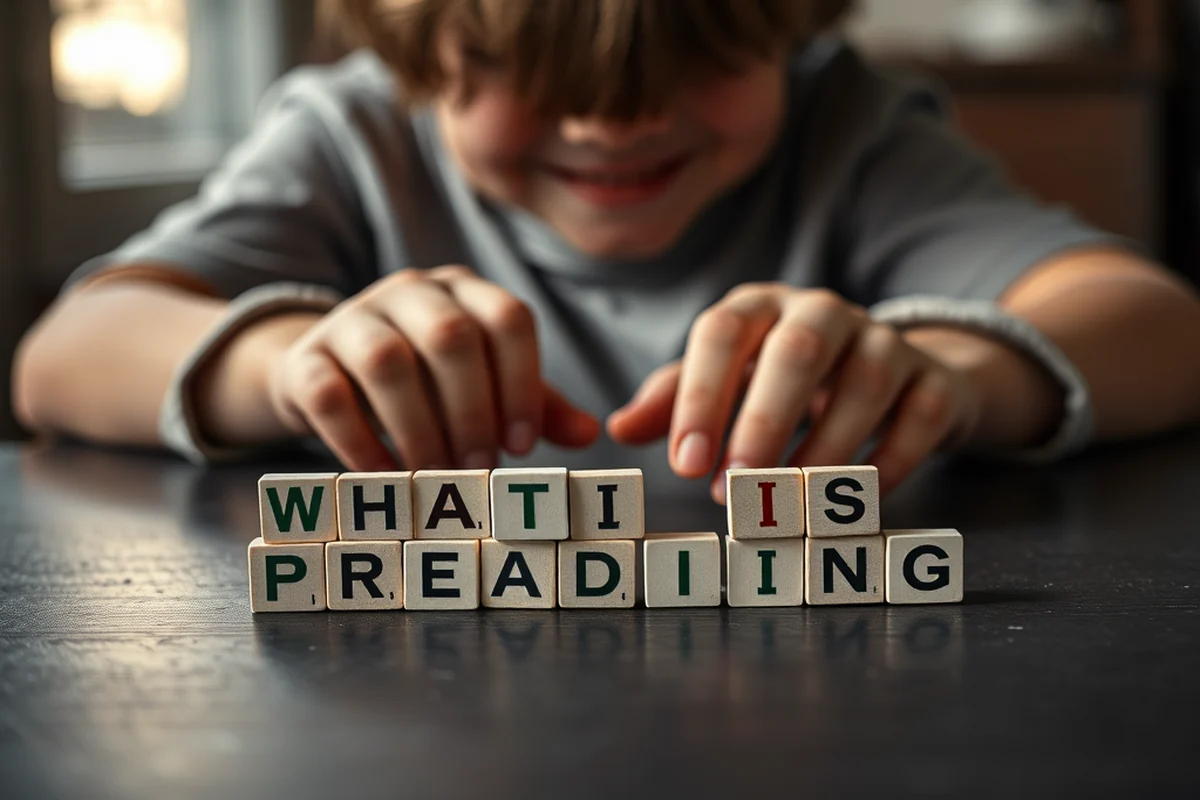
Speed reading tests are important because they help educators and parents understand where a child is struggling. These tests can highlight issues with reading speed, comprehension, or fluency, which can then be addressed through targeted instruction. In my experience, using these tests regularly has helped me spot patterns in my child's progress that I might have otherwise missed.
These tests are especially useful in a homeschooling environment, where a child might not have the same level of support as they would in a traditional classroom. By using speed reading tests, I can monitor my child's progress and make adjustments to our learning plan as needed. This has been especially helpful as my child has progressed from early reading to more complex texts.
One of the benefits of using speed reading tests is that they provide concrete data. This data can be used to celebrate progress and set goals for the future. I've found that my child is more motivated when he can see his improvements over time, and these tests have been a great way to track that.
Speed reading tests are like a compass, guiding us to where our child needs more support.
Related: What is reading the room
How to Use a Speed Reading Test in Homeschooling
Incorporating a speed reading test into your homeschooling routine can help you track your child's progress over time. These tests are best used regularly, such as once a month or once a quarter, to see how your child is improving. I've found that using a consistent test format makes it easier to compare results over time and see where improvements are happening.
When using a speed reading test, it's important to create a comfortable environment for the child. This means finding a quiet space, minimizing distractions, and allowing the child to take their time. I've noticed that my child does better on these tests when he's relaxed and not rushed.
After taking a test, it's important to review the results with your child. This can be a great opportunity to celebrate their progress and discuss any areas where they might need more practice. I've found that my child is more motivated when he feels like he's being supported and encouraged, rather than criticized for his mistakes.
Use the test results as a way to celebrate progress and set goals for improvement.
“I remember the first time my son took a speed reading test.”— Teaching Reading to Homeschoolers editors
Related: What is reading quotes
Types of Speed Reading Tests

There are several different types of speed reading tests, each designed to measure different aspects of a child's reading skills. Some tests focus on reading speed alone, while others include comprehension, vocabulary, and fluency. In my experience, the most effective tests are those that include multiple metrics, as they provide a more complete picture of a child's abilities.
One type of test is the timed reading test, where a child is given a set amount of time to read a passage and then answer questions about it. These tests are great for measuring both speed and comprehension. Another type is the sight word test, which measures how quickly a child can recognize and read common words.
There are also tests that focus on fluency, such as reading aloud with expression. These tests are especially useful for younger children who are still developing their reading skills. In my experience, using a combination of different test types has given me the most comprehensive view of my child's progress.
Related: How to read a book
How to Prepare for a Speed Reading Test
Preparing for a speed reading test involves more than just practicing reading. It's important to ensure that the child is well-rested and not stressed before taking the test. In my experience, my child does better on these tests when he's had a good night's sleep and hasn't been overwhelmed with other tasks.
Another important aspect of preparation is ensuring that the child is familiar with the format of the test. If the test includes comprehension questions, it's a good idea to practice these types of questions in advance. This helps the child feel more confident and prepared when the actual test takes place.
It's also important to create a calm and comfortable environment for the test. This means finding a quiet space, minimizing distractions, and making sure the child feels supported. I've found that my child is more relaxed and focused when he knows that the test is a low-pressure way to track his progress.
Related: What is read aloud revival
Interpreting the Results of a Speed Reading Test
Interpreting the results of a speed reading test is an important step in the process. These results can provide valuable insight into a child's reading abilities and help identify areas where they may need more support. In my experience, I've found that reviewing the results with my child has been a great way to set goals and celebrate progress.
One of the key things to look at when interpreting the results is the child's reading speed. This can be measured in words per minute, and it's important to compare this to age-appropriate benchmarks. If the child is reading significantly slower or faster than expected, it may be a sign that they need more support in certain areas.
Another important factor to consider is the child's comprehension score. This score indicates how well the child understood what they were reading. A low comprehension score can be a sign that the child is reading too fast or is struggling with vocabulary and fluency. In my experience, addressing these issues early can make a big difference in a child's overall reading ability.
Results are not just numbers—they are a roadmap to improvement.
Related: What is reading rope
Using Speed Reading Tests to Support Learning
Speed reading tests can be used as a tool to support a child's learning journey by identifying strengths and areas for improvement. These tests are especially useful in a homeschooling environment, where a child may not have the same level of support as they would in a traditional classroom. In my experience, using these tests regularly has helped me create a more personalized learning plan for my child.
One of the benefits of using speed reading tests is that they provide concrete data. This data can be used to track progress over time and set goals for the future. I've found that my child is more motivated when he can see his improvements over time, and these tests have been a great way to track that.
Another benefit of using speed reading tests is that they can be used to celebrate progress and encourage confidence. These tests are not meant to be stressful or intimidating, but rather a way to measure growth and set goals for the future. In my experience, my child has become more confident in his reading abilities as we've used these tests to track his progress.
📚 Younger Kids Reading Practice
A simplified version of the speed reading test for children ages 3-6, focusing on sight words and recognition.
📖 Older Kids Reading Challenge
A more advanced version of the test for children ages 7-12, incorporating comprehension and fluency.
📝 No-Prep Reading Assessment
A quick and easy test that requires no preparation, ideal for busy homeschooling families.
👥 Group Reading Activity
A fun and engaging way for multiple children to take the test together, promoting teamwork and friendly competition.
🎯 Reading Extension Task
A follow-up activity that allows children to apply their reading skills in a more complex setting, such as reading aloud or discussing the text.
| The mistake | Why it happens | The fix |
|---|---|---|
| Using the same test format every time | This can lead to inaccurate results and prevent the child from improving in areas that need more support. | Vary the test format to ensure a more comprehensive assessment of the child's reading abilities. |
| Not creating a comfortable environment for the test | This can cause the child to feel stressed or distracted, leading to inaccurate results. | Create a quiet and comfortable environment for the test to ensure the child can focus and perform at their best. |
| Not reviewing the results with the child | This can prevent the child from understanding their progress and may discourage them from continuing to improve. | Review the results with the child to celebrate progress and set goals for future improvement. |
| Using the test in a high-pressure way | This can make the child feel stressed and may lead to inaccurate results. | Use the test in a low-pressure way to ensure the child feels supported and encouraged. |
| Not preparing the child for the test | This can lead to the child feeling unprepared and may affect their performance. | Prepare the child for the test by ensuring they are well-rested and familiar with the test format. |
What Is Speed Reading Test
Common Questions
How often should I use a speed reading test?
What should I do if my child is struggling with the test?
Can speed reading tests be used for older children?
Are speed reading tests suitable for all reading levels?
References
- Iris Speed Reading Class Review | David Larochelle's Blog (archive.blogs.harvard.edu)
- Class D Practice Knowledge Test - Minnesota.gov (assets.dps.mn.gov)
- Getting More Out of Your Readings | Bowdoin College (bowdoin.edu)
- Evidence of Speedâ•flHighway Radar (digitalcommons.law.uw.edu)
Cite this guide
Teaching Reading to Homeschoolers (2026). What Is Speed Reading Test. https://homeschoolread.com/what-is-speed-reading-test/
Feel free to cite or share this guide.
Reading Skills Checklist
Stage-filtered phonics and reading skills checklist for homeschool parents.
Open it free →