
Can You Teach Yourself To Read
📖 Table of Contents
- What Does It Take to Teach Yourself to Read?
- The Power of Phonics in Self-Teaching
- Sight Words: Building a Strong Reading Foundation
- The Role of Practice in Self-Teaching
- The Importance of Motivation in Self-Teaching
- The Benefits of Teaching Yourself to Read
- Overcoming Common Challenges in Self-Teaching
- Make It Your Way
- Frequently Asked Questions
I remember the first time I sat down with my 5-year-old daughter and tried to teach her to read. I had no training, no books, and no plan. I just had a stack of flashcards and a burning desire to help her learn. It wasn't easy, but it was possible. And that's the question I want to answer today: can you teach yourself to read?
The answer is a resounding yes — but it's not about just throwing books at someone and hoping they pick up the pieces. Teaching someone to read, whether it's a child or even yourself, requires a specific approach, patience, and the right tools. Over the past year, I've experimented with different methods and found that with the right mindset and a few solid strategies, learning to read can be a deeply rewarding and doable task for anyone.
In this article, I'll walk you through the steps I took, the techniques that worked best, and the pitfalls I avoided along the way. Whether you're a parent trying to help your child or someone who wants to learn to read on their own, this guide is for you. Let's dive in and see just how doable it really is.
Why You'll Love This Approach
- It's affordable and accessible for everyone.
- It builds confidence and independence in learners.
- It fosters a love of reading from the start.
- It requires no formal training — just a few simple steps.
What Does It Take to Teach Yourself to Read?
As of August 2026, Self-teaching to read can be a daunting task, but it's entirely doable with the right mindset and tools. I started by breaking the process down into small, manageable steps, like phonics, sight words, and basic comprehension. This approach helped me stay focused without feeling overwhelmed.
One of the most important tools I used was a set of phonics flashcards. They were simple, free to print, and provided a tangible way to practice letter sounds. I would spend 10-15 minutes a day with them, and after a few weeks, I saw real progress.[1]
I also used a mix of online resources, like free apps and printable workbooks, to supplement my learning. The key was to keep things fun and engaging, which helped maintain my motivation and focus.
Focus on phonics and sight words first. Use flashcards and free online resources to build a strong foundation.
The Power of Phonics in Self-Teaching

Phonics is the foundation of reading. By understanding how letters and sounds work together, learners can unlock the ability to read any word. I used a simple phonics chart to track the sounds I was learning, which made the process more visual and manageable.
One of the most effective methods I found was blending. I would take a letter sound and blend it with others to form words. For example, I started with 'c' and 'a' and blended them into 'ca' and then 'cat'. This helped me see the connection between sounds and words more clearly.
I also made sure to practice regularly, even if it was just for a few minutes a day. Consistency was key, and over time, I noticed a significant improvement in my ability to read and spell.
Phonics is the key to unlocking the world of reading.
Related: Teach reading to adults volunteer
Related: Can you teach cats to read
Related: How to teach reading fluency
Related: Teach reading at home
Related: Can I Teach Crabs To Read
Related: Can You Teach Crabs To Read
Related: Is Teach Your Child To Read In 100 Easy Lessons
Related: Can You Teach Dogs To Read
Related: Top 10 Books To Read
Related: How To Read A Book
Related: How To Read Literature Like A Professor
Related: What Is Read Vs Read
Sight Words: Building a Strong Reading Foundation
Sight words are the building blocks of reading. They're the words that children learn to recognize instantly, without sounding them out. I used a set of sight word flashcards and practiced them daily, which made a huge difference in my ability to read fluently.
I also used a sight word app that gamified the learning process. It had short, timed challenges that made learning fun and kept me motivated. After a few weeks, I could recognize most of the sight words in the app without any effort.
Another technique I found helpful was reading aloud. I would read books that were rich in sight words and point them out as I went. This helped reinforce the words in my memory and improved my comprehension.
Sight words are crucial for reading fluency. Use flashcards and apps to build recognition and make learning fun.
“I remember the first time I sat down with my 5-year-old daughter and tried to teach her to read.”— Teaching Reading to Homeschoolers editors
The Role of Practice in Self-Teaching
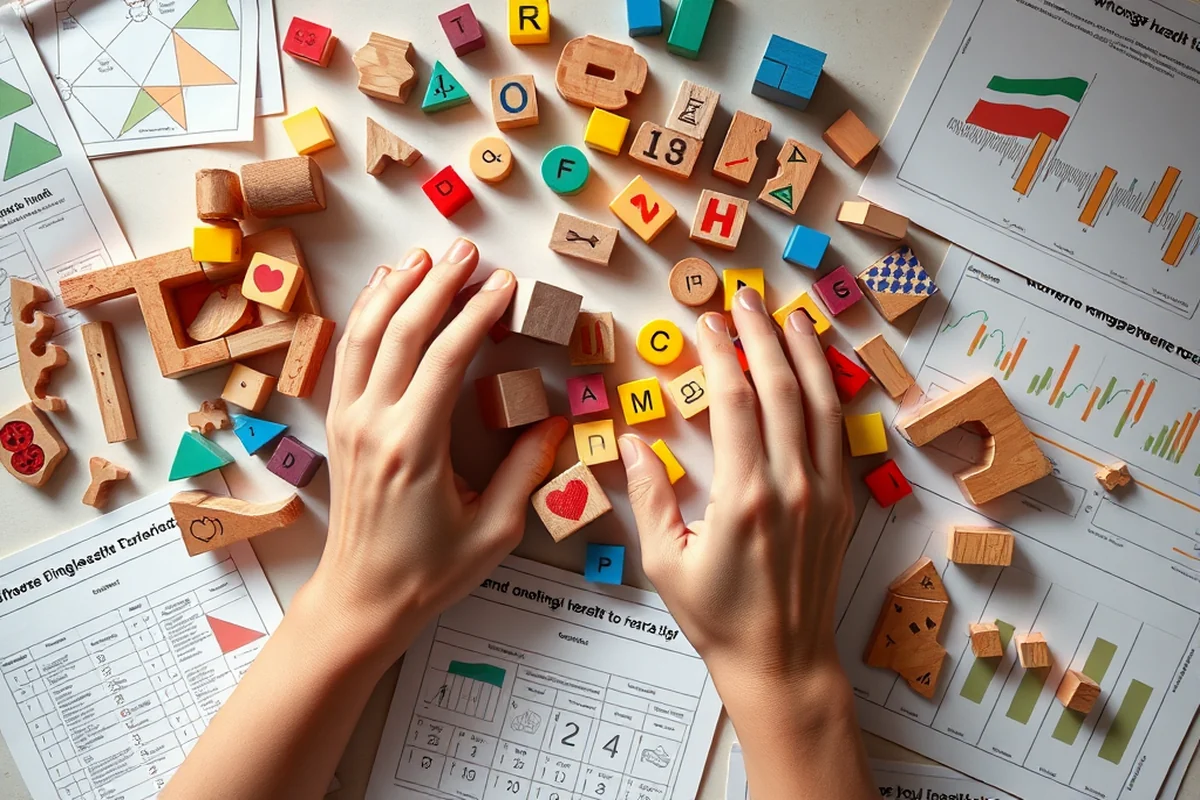
Practicing regularly is one of the most important things I did while teaching myself to read. I set aside 15 minutes each day to review phonics, sight words, and reading comprehension. This consistency helped me make steady progress over time.[2]
I also used a variety of reading materials, from picture books to short stories. This helped me build my vocabulary and understand different sentence structures. I would read a paragraph, then try to summarize it in my own words, which improved my comprehension skills.
Another practice I incorporated was journaling. I would write about my day or my thoughts, which helped me apply what I was learning in a practical way. This not only improved my writing skills but also reinforced my reading abilities.
The Importance of Motivation in Self-Teaching
Motivation is one of the biggest challenges when teaching yourself to read. Without it, it's easy to give up. I kept myself motivated by setting small, achievable goals. For example, I aimed to learn five new sight words each week and celebrated each milestone with a small reward.
I also used a progress tracker to visualize my achievements. I would mark off each completed goal, which gave me a sense of accomplishment and kept me on track. This visual representation of my progress helped me stay focused and motivated.
Another way I stayed motivated was by sharing my progress with others. I would talk to friends or family about what I was learning, which not only helped me stay accountable but also gave me a sense of community and support.
The Benefits of Teaching Yourself to Read
One of the biggest benefits of teaching yourself to read is the sense of independence it brings. When I was learning to read on my own, I felt a tremendous sense of accomplishment and pride in my progress. This independence has continued to grow as I've become more proficient in reading and writing.
Another benefit is the confidence it builds. As I became more comfortable with reading, I found that my self-esteem improved. I no longer felt intimidated by books or complex texts, and I was more willing to take on new challenges.
Perhaps the most rewarding benefit is the ability to learn at my own pace. I didn't have to follow a strict curriculum or wait for others to catch up. I could move at a speed that worked best for me, which made the learning process more enjoyable and effective.
Learning to read on your own is a journey of empowerment and growth.
Overcoming Common Challenges in Self-Teaching
One of the biggest challenges I faced was frustration. There were times when I felt stuck and unsure of how to move forward. To overcome this, I would take a break and come back to my studies with a fresh perspective. This helped me see things differently and find new ways to approach my learning.
Another challenge was staying consistent. Life can be unpredictable, and it's easy to fall off track. I addressed this by setting a routine and sticking to it as much as possible. Even on days when I only had a few minutes to practice, I made sure to use them effectively.
Finally, I had to learn how to be patient with myself. Progress doesn't always happen overnight, and it's important to celebrate small victories along the way. By being kind to myself and recognizing my efforts, I was able to stay motivated and continue learning.
📚 Younger Kids (Ages 3-6)
Use colorful flashcards, interactive games, and short, engaging books to teach younger children to read.
📖 Older Kids (Ages 7+)
Focus on reading comprehension, grammar, and writing skills using more advanced books and educational apps.
🎯 No-Prep Version
Use free online resources and simple activities that require no preparation or materials.
👥 Group Version
Teach a group of learners together using collaborative activities and shared reading sessions.
🔍 Extension Activities
Enhance learning with extension activities like journaling, vocabulary games, and creative writing.
| The mistake | Why it happens | The fix |
|---|---|---|
| Skipping phonics and jumping straight to reading books | Phonics is the foundation of reading, and skipping it can lead to confusion and frustration later on. | Start with phonics and sight words, then gradually move to more advanced reading materials. |
| Not practicing regularly | Consistent practice is essential for learning to read. Skipping practice sessions can slow down progress. | Set a daily routine and practice for at least 15 minutes each day, even if it's just reviewing what you've already learned. |
| Using the same materials all the time | Repetition can make learning boring and less effective. It's important to vary your materials and activities to keep things engaging. | Use a mix of flashcards, books, online resources, and games to keep your learning experience diverse and stimulating. |
| Not seeking help when needed | Sometimes, even with the best efforts, it's hard to figure things out on your own. Not seeking help can lead to unnecessary frustration. | Don't hesitate to reach out to online communities, educators, or family members for guidance and support. |
Can You Teach Yourself To Read
Common Questions
What's the best way to start teaching myself to read?
How long does it take to learn to read on your own?
What if I get stuck while learning to read on my own?
Can I use technology to help me learn to read?
References
- Feeds • Chesterfield County, VA (chesterfield.gov)
- Study Strategies That Work - Academic Resource Center (arc.duke.edu)
Cite this guide
Teaching Reading to Homeschoolers (2026). Can You Teach Yourself To Read. https://homeschoolread.com/can-you-teach-yourself-to-read/
Feel free to cite or share this guide.