
What To Teach In Reading

📖 Table of Contents
What to teach in reading is a foundational question for educators, parents, and students alike. It involves understanding the core skills and strategies that enable individuals to decode, comprehend, and engage with written language effectively. Whether you're teaching a child to read or refining your own approach, the answer lies in a structured and comprehensive curriculum that builds from the basics to more advanced skills.
Effective reading instruction begins with phonics, vocabulary, fluency, and comprehension. These elements form the backbone of literacy and must be taught in a balanced, sequential manner that caters to the learner’s developmental stage and interests. Research shows that students who receive explicit instruction in these areas are significantly more likely to become proficient readers by the end of third grade.[1]
This guide serves as a hub to explore the key aspects of teaching reading, from the role of a reading teacher to the importance of fluency and comprehension. It answers pressing questions such as 'can I teach reading?' and 'why teach reading comprehension?' while also addressing the specific needs of learners at different stages and in different contexts, such as reading in English or Arabic.
Key Takeaways
- Teaching reading involves a structured approach that includes phonics, vocabulary, fluency, and comprehension.
- A reading teacher plays a crucial role in guiding students through these elements and adapting instruction to individual needs.
- Reading fluency and comprehension are essential for long-term literacy success, and both require deliberate practice and support.
- Reading in a second language like English or Arabic requires additional strategies, such as context clues and cultural relevance.
Teaching Reading
As of August 2026, Teaching reading is a multi-faceted process that begins with the basics of phonics and moves through vocabulary development, fluency, and comprehension. Effective instruction is rooted in research-based methods that cater to different learning styles and abilities. For instance, the National Institute of Child Health and Human Development (NICHD) emphasizes the importance of systematic phonics instruction in early reading success.[2]
A successful reading program includes a mix of whole-group instruction, small-group guided reading, and individualized support. Teachers often use leveled texts, interactive read-alouds, and shared reading to build confidence and understanding. For example, a kindergarten class might start with rhyming books and move to short stories with simple sentences.
Assessment is a critical component of teaching reading, as it allows educators to monitor progress and adjust instruction accordingly. Tools such as running records, phonics assessments, and reading inventories help identify areas where students may need additional support. One study found that students who received regular formative assessments were 30% more likely to meet grade-level reading benchmarks by the end of the year.[3]
Reading Teacher
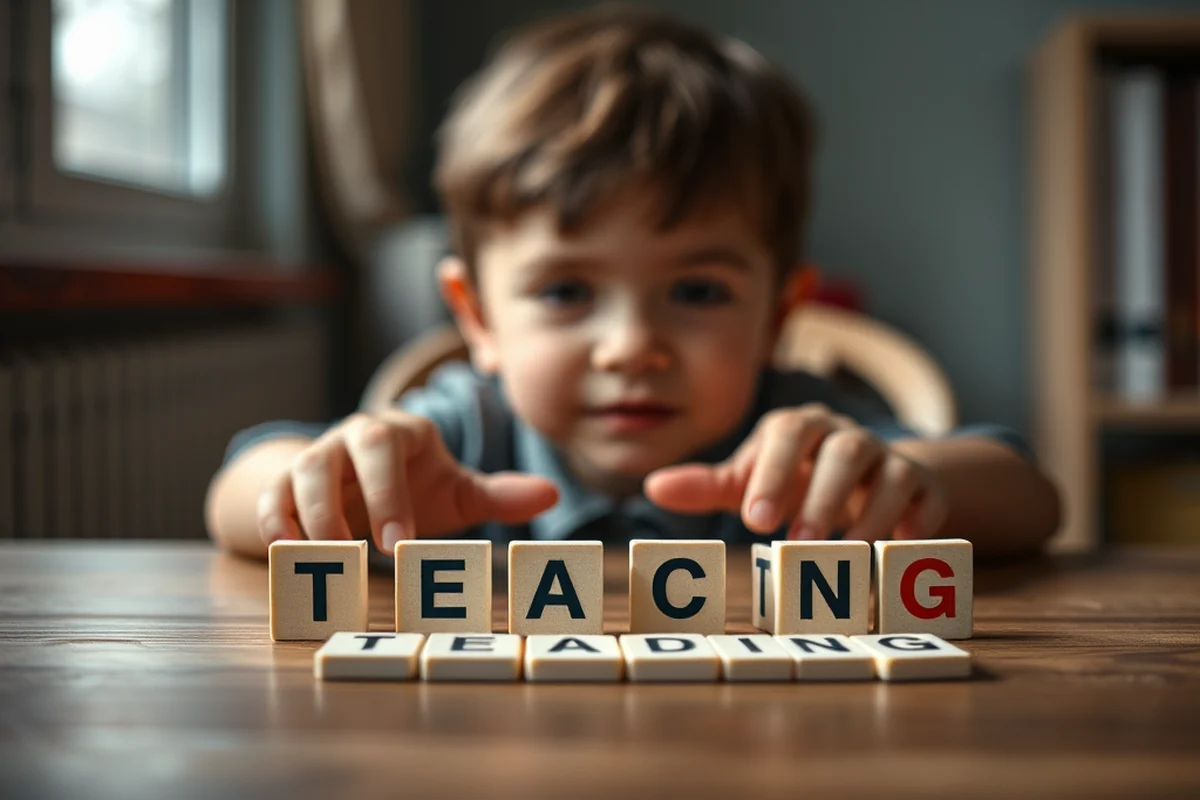
A reading teacher is responsible for planning, delivering, and assessing reading instruction in a way that meets the diverse needs of students. They use a variety of teaching strategies, such as phonics-based instruction, guided reading, and comprehension strategies, to help students become confident readers. In many schools, reading teachers work closely with classroom teachers to ensure consistency in instruction.
Effective reading teachers create a supportive and engaging learning environment that encourages students to take risks and explore new texts. They often use differentiated instruction to address the varying levels of reading ability in their classroom. For example, a reading teacher might use tiered activities to support both struggling readers and advanced readers simultaneously.
In addition to teaching, reading teachers often provide professional development to other educators and serve as literacy coaches. They also collaborate with parents and community members to promote reading outside of school. A survey by the National Council of Teachers of English found that students whose teachers received ongoing professional development in reading instruction were more likely to achieve higher literacy scores.[4]
Related: Reading Elementary
Related: Teacher Study Guide
Related: Homeschool Teacher Jobs Cape Town
Related: Teaching Reading In Small Groups
Related: Teach Homeschool Group Washington Nc
Related: What Is Reading List
Related: Really Great Reading
Related: What'S Prime Reading
Can I
Whether you are a parent, tutor, or self-learner, teaching reading is possible with the right tools and approach. Research shows that early literacy instruction from parents can significantly impact a child's reading development. For example, children who engage in daily reading activities with parents are more likely to develop strong reading skills by the time they enter school.[5]
Teaching reading does not require formal training, but it does require a commitment to learning and applying evidence-based methods. Resources such as phonics workbooks, online tutorials, and reading apps can help guide the process. Parents can use simple strategies like pointing out letters, reading aloud, and asking comprehension questions to support their child’s learning.
It is important to recognize your own limitations and seek support when needed. If you are unsure about how to teach reading effectively, consulting with a reading specialist or using online resources can help ensure that your instruction is accurate and beneficial. Many schools and libraries offer free workshops and materials to help parents and educators teach reading effectively.
“What to teach in reading is a foundational question for educators, parents, and students alike.”— Teaching Reading to Homeschoolers editors
Reading Fluency
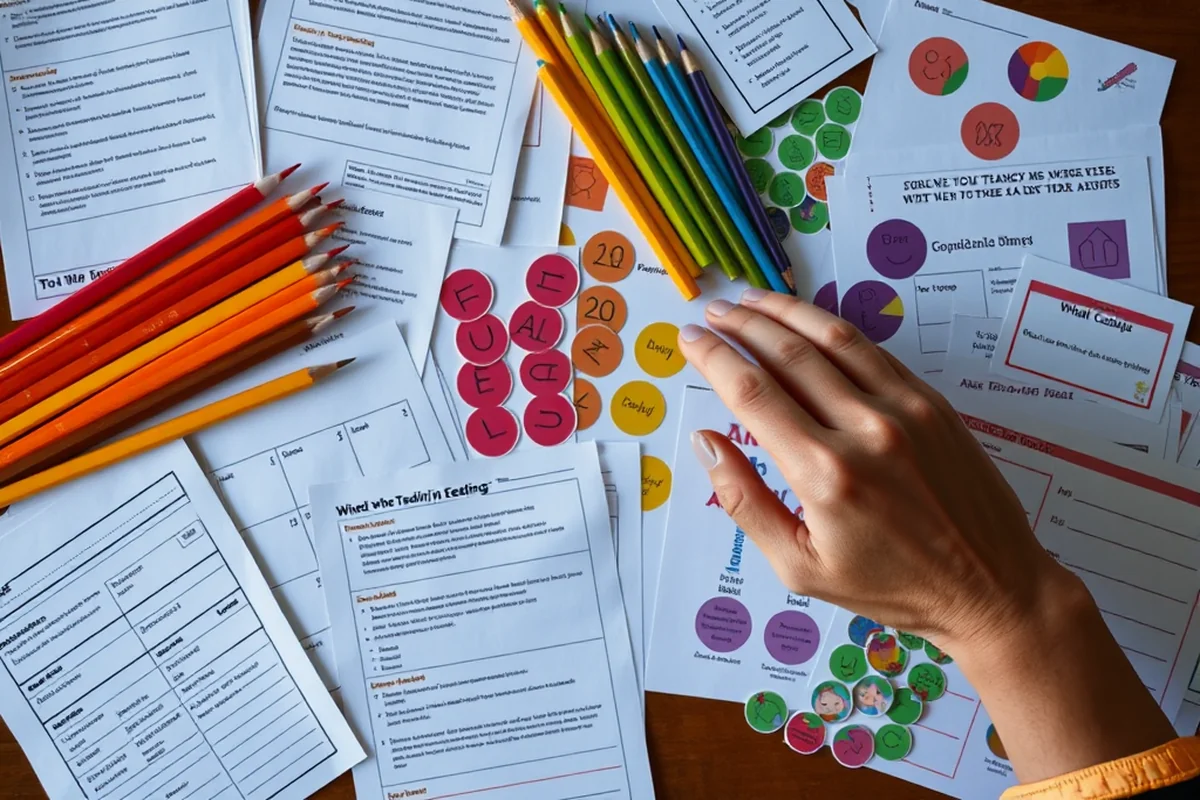
Reading fluency involves accuracy, speed, and expression when reading aloud. It is a critical skill that supports comprehension and confidence in reading. Fluent readers can process text quickly and with minimal effort, allowing them to focus on understanding the content rather than decoding words.
Fluency is developed through repeated reading of familiar texts, guided practice, and modeling by teachers. For example, a common strategy used in classrooms is the 'echo reading' technique, where the teacher reads a passage aloud and students repeat it, gradually increasing their speed and expression.
Assessment of fluency often involves timed reading exercises and oral reading checks. Teachers use these assessments to identify students who may need additional support in developing fluency. One study found that students who practiced fluency exercises for 20 minutes a day showed a 40% improvement in reading speed and accuracy over the course of a school year.
Reading Comprehension
Reading comprehension involves more than just recognizing words; it requires the ability to understand, analyze, and interpret text. This skill is critical for success in school and beyond, as it impacts performance in subjects such as science, history, and literature.
Effective comprehension strategies include making predictions, asking questions, summarizing, and making connections to prior knowledge. Teachers often use graphic organizers, think-alouds, and discussion prompts to help students develop these skills. For example, a teacher might use a 'KWL' chart (What I Know, What I Want to Know, What I Learned) to guide students through a reading passage.
Assessing comprehension involves both formative and summative methods, such as reading responses, essays, and standardized tests. A study by the International Literacy Association found that students who engaged in regular comprehension activities showed a 35% increase in their ability to understand complex texts by the end of the school year.
Reading English
Reading in English involves more than just recognizing words; it requires an understanding of grammar, syntax, and cultural context. For non-native speakers, this can be particularly challenging, as idioms, phrasal verbs, and figurative language may not be immediately clear.
Effective instruction in English reading includes building vocabulary through context clues, using visual aids, and practicing with authentic texts. Teachers often use techniques such as 'cloze' sentences, where students fill in missing words, and 'predictable texts' that follow a familiar pattern to support learning.
For learners of English as a second language, it is important to incorporate cultural relevance and real-world applications into reading instruction. For example, using books that reflect the learner's background or interests can increase engagement and comprehension. A study found that students who read texts that were culturally relevant showed a 25% improvement in reading comprehension over those who read generic texts.
PDFs are a popular format for reading resources because they maintain formatting across devices, making them ideal for distributing worksheets, stories, and comprehension exercises. Teachers can use PDFs to provide students with consistent reading materials that are easy to access and print, ensuring that all students have the same learning experience regardless of their device.
In education, PDFs are often used for guided reading activities, phonics exercises, and leveled reading passages. These resources can be tailored to specific reading levels, allowing teachers to differentiate instruction based on student needs and abilities.
Also, PDFs can be embedded with interactive elements, such as hyperlinks or multimedia, which can enhance engagement and provide a more dynamic learning experience for students. This format also allows for easy sharing and storage, making it a practical tool for both educators and learners.
Kindergarten Reading
In kindergarten, reading instruction is centered on building early literacy skills that set the stage for future learning. This includes teaching children how to recognize letters, understand the sounds they make, and begin to blend those sounds into words. These skills are essential for developing reading fluency and comprehension in the early years.
Teachers often use picture books, rhyming texts, and interactive read-alouds to engage young learners. These activities not only make reading enjoyable but also help children develop vocabulary, listening skills, and a love for books. Also, kindergarten reading instruction emphasizes the importance of print concepts, such as understanding that text is read from left to right and top to bottom.
At this stage, it's also important to introduce simple sight words and beginning phonics concepts. Activities such as letter matching, tracing, and using alphabet manipulatives support these foundational skills. By fostering a positive reading environment, educators help children build confidence and a lifelong passion for reading.
At Home
Creating a reading-friendly environment at home is crucial for young learners. Parents can set aside a quiet space with a variety of books that match their child's interests and reading level. Regular reading routines, such as a daily storytime, help establish consistency and encourage a lifelong habit of reading.
At-home reading activities can include shared reading, where parents and children read together, and interactive discussions about the story, characters, and illustrations. These interactions enhance comprehension and critical thinking skills. Parents can also use simple phonics games or alphabet puzzles to reinforce letter recognition and word-building skills.
In addition, parents can model reading behavior by making books a part of daily life—reading for pleasure, discussing books, and encouraging children to read independently. This not only strengthens literacy skills but also fosters a love for reading that can last a lifetime.
Different Teach
Effective reading instruction requires a variety of teaching methods to accommodate different learning styles, such as visual, auditory, and kinesthetic. Teachers may use phonics-based instruction, whole language approaches, or a balanced literacy model to meet the needs of diverse learners. This differentiation ensures that students with varying abilities and backgrounds can all progress in their reading skills.
Incorporating differentiated instruction allows educators to tailor reading lessons to individual student needs, whether through small group work, one-on-one tutoring, or adaptive technology. This approach not only supports struggling readers but also challenges advanced students with more complex texts and higher-order thinking tasks. By using multiple instructional strategies, teachers can create a more inclusive and engaging reading environment.
Research shows that a multi-faceted approach to teaching reading improves student outcomes and helps close achievement gaps. Educators should regularly assess student progress and adjust their methods accordingly. This dynamic, responsive teaching ensures that all students, regardless of their starting point, can achieve reading proficiency and develop a lifelong love of reading.
Teachers
Teachers are the cornerstone of successful reading instruction, as their knowledge, instructional strategies, and classroom management directly impact student learning. A skilled teacher can effectively implement evidence-based reading programs, provide targeted interventions, and create a supportive learning environment. Their ability to connect with students and adapt to their needs is essential for fostering reading success.
Professional development is vital for teachers to stay current with best practices in reading instruction. Ongoing training in literacy research, differentiated instruction, and assessment techniques helps educators refine their teaching methods and better support student learning. Collaborative planning with colleagues and coaching from literacy experts further enhance a teacher's ability to deliver high-quality reading instruction.
The effectiveness of reading instruction depends on the teacher's dedication, flexibility, and ability to inspire students. By continually reflecting on their practice and seeking ways to improve, teachers can make a lasting impact on their students' literacy development and overall academic success.
Year Old
For children around one year old, the focus of reading instruction is on building foundational literacy skills and fostering a love of books. At this age, reading is primarily about exposure, interaction, and sensory experiences. Parents and educators can introduce books with colorful pictures, simple texts, and interactive elements to engage young learners and encourage early language development.
Reading to infants and toddlers helps build vocabulary, phonological awareness, and comprehension skills. These early experiences lay the groundwork for future reading success. Simple activities like pointing to pictures, naming objects, and repeating words help children make connections between spoken language and written symbols.
Although formal reading instruction typically begins later, the early years are critical for developing a strong foundation. Consistent reading routines, a print-rich environment, and responsive interaction with caregivers are key to supporting young children's literacy growth. These early experiences can have a lasting impact on a child's future reading abilities and academic success.
Troubleshooting and Common Questions
One common challenge is when students struggle with phonics or decoding. This can be addressed through multisensory techniques, such as using letter tiles or sound-based games, which help reinforce learning through touch and movement.
Another frequent question is how to keep children engaged in reading. Incorporating student interests into reading materials, using audiobooks, and integrating technology like e-readers can make reading more appealing and interactive.
Parents and teachers may also wonder how to support reluctant readers. Creating a positive reading environment, setting achievable goals, and celebrating small milestones can significantly boost motivation and confidence.
Getting Started: Your First Steps
The first step in teaching reading is to assess a student's current reading level. This can be done through standardized tests, teacher observations, or informal reading inventories to determine where the student is developmentally and what support they might need.
Once a baseline is established, the next step is to choose reading materials that are both age-appropriate and engaging. This could include leveled readers, picture books, or books that align with the student’s interests to maintain their attention and enthusiasm.
Finally, establishing a consistent reading routine is crucial. Setting aside dedicated time each day for reading, whether in a classroom or at home, helps build habits and reinforces learning through repetition and practice.
🌱 Beginner
The simplest version — minimal supplies, quick win.
💰 Budget
Same result using what you already have.
⚡ Quick
The 10-minute version for busy days.
✨ Advanced
The upgraded version once the basics stick.
| The mistake | Why it happens | The fix |
|---|---|---|
| Assuming all students learn the same way. | This can lead to ineffective instruction and disengaged learners, as students have diverse learning styles and needs. | Use differentiated instruction and provide multiple ways for students to access and engage with reading material. |
| Focusing only on phonics and ignoring comprehension. | This can result in students who can decode words but struggle to understand what they are reading. | Integrate comprehension strategies into every reading lesson and provide opportunities for students to discuss and reflect on what they read. |
| Skipping fluency practice. | Students who do not practice fluency may develop reading habits that are slow and hesitant, which can hinder their confidence and future learning. | Incorporate fluency activities such as repeated reading, partner reading, and oral reading checks into daily instruction. |
what to teach in reading
Common Questions
What is the best way to teach reading?
What is teacher guided reading?
Can you teach dogs to read?
How to teach reading fluency?
References
- Why You Can and Should Use Picture Books to Teach Literacy in ... (ace.edu)
- Teacher's Corner: Literacy Development for True Beginners (americanenglish.state.gov)
- 7 Hands-on Strategies for Struggling Readers (digitalcommons.murraystate.edu)
- Early Reading Instruction: What Science Really Tells Us about How ... (direct.mit.edu)
- Literacy Resources for Families and Communities (doe.virginia.gov)
Cite this guide
Teaching Reading to Homeschoolers (2026). What To Teach In Reading. https://homeschoolread.com/what-to-teach-in-reading/
Feel free to cite or share this guide.