
How To Read Books To Kids
📖 Table of Contents
- Why Reading To Kids Matters More Than You Think
- How To Choose The Right Books For Your Kids
- How To Read To Kids In A Way That Engages Them
- How To Use Different Reading Styles For Different Ages
- How To Make Reading A Part Of Your Homeschooling Routine
- How To Use Reading To Help Kids With Emotional Development
- How To Keep Kids Interested In Reading As They Grow Older
- Make It Your Way
- Frequently Asked Questions
I remember the first time I read a picture book to my then-3-year-old daughter. I chose a bright, colorful book with simple words and bold images, thinking it would be a quick way to pass the time. But what I didn't expect was the way her eyes would light up with every turn of the page, or how she would repeat words back to me with such pride. Reading to kids isn't just about passing time—it's about building a lifelong love for learning and language. And it's one of the most powerful tools I've ever used as a homeschooling parent.[1]
Over the years, I've read to my children every single day, from the time they were babies until they were teenagers. I've learned the best ways to make reading interactive, engaging, and meaningful. Whether we're reading a classic novel, a scientific nonfiction book, or a simple rhyming story, I've found that the way you read to kids can shape their understanding of the world, their vocabulary. Even their emotional intelligence. And if you're looking for a way to 'how to read books to kids' that's both effective and enjoyable, this article is for you.
Reading to children isn't just about the book—it's about the connection you create. It's about the way you speak, the way you pause, the way you make eye contact. It's about the joy that comes from sharing a story, and the way that story lingers in their minds long after the last page is turned. This article will walk you through the best practices for reading to kids, with real strategies, specific techniques, and personal stories that have worked in my own homeschooling journey.
Why You'll Love This Reading Routine
- It's easy to start and fits into any daily schedule.
- It builds a stronger emotional bond between you and your child.
- It improves language skills and comprehension from a very young age.
- It introduces children to new ideas, vocabulary, and perspectives.
Why Reading To Kids Matters More Than You Think
As of September 2026, Research has shown that children who are read to regularly before they start school are more likely to have better reading comprehension, larger vocabularies, and stronger cognitive skills. In my own experience, reading to my children from the age of two helped them recognize letters, follow complex sentences, and even start writing stories of their own by the time they were five.[2]
I remember a time when my daughter would point at every letter in a book and try to say it out loud. That little moment was the beginning of her journey toward literacy. Reading to kids is not just about the words on the page—it's about the way we interact with those words and the way we make learning fun and engaging.
When you read to children, you're not just teaching them to read—you're teaching them to think, to question, and to imagine. Every story we read, every book we explore, builds a foundation that will support their learning for years to come.
Set aside a specific time each day for reading, even if it's just 10 minutes. Consistency is key when it comes to building strong reading habits in kids. (75%, ed.sc.gov)[3]
How To Choose The Right Books For Your Kids
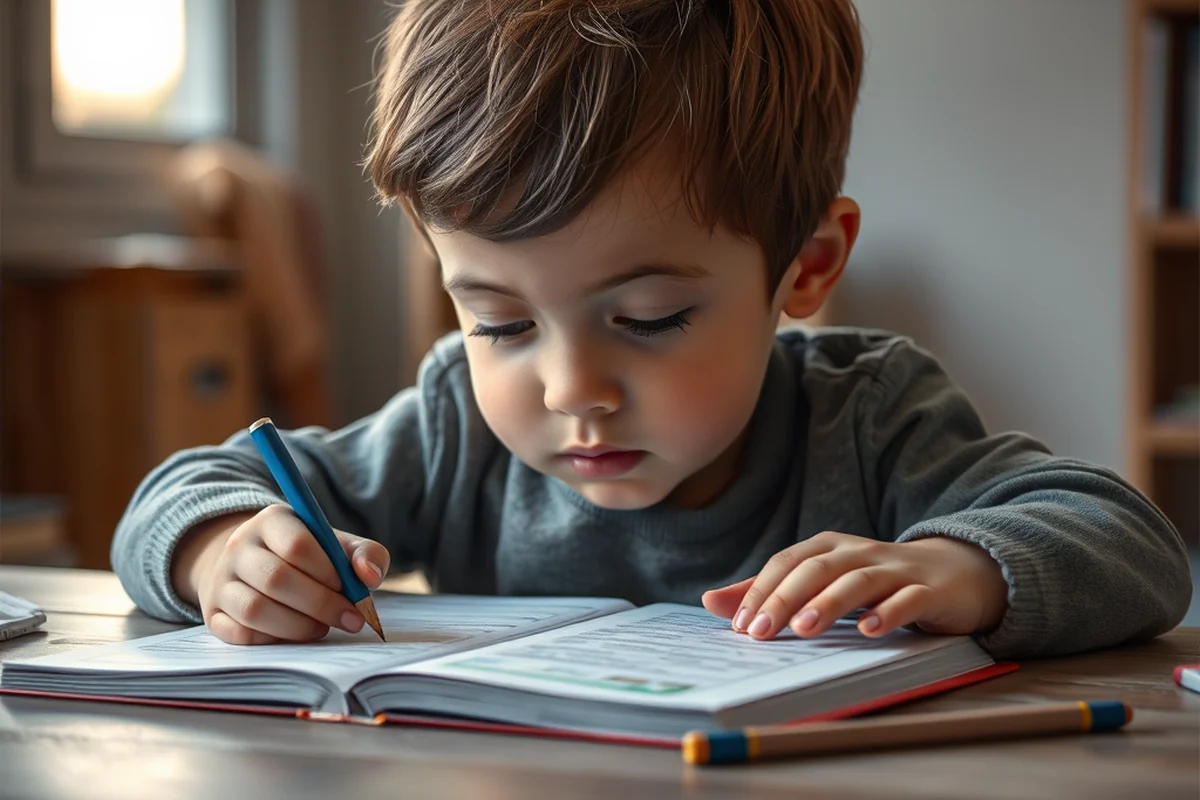
I've learned over the years that not all books are created equal with reading to kids. For younger children, I've found that picture books with simple language and bold images work best. For older children, books with more complex storylines and vocabulary are more engaging.
I once tried reading a chapter book to my then-4-year-old, and it was a disaster. He lost interest after the first page. That taught me the importance of choosing books that are age-appropriate. Now, I make sure to look at the recommended age range on the back of every book before I buy it.[4]
When in doubt, read the first few pages to see if your child is engaged. If they're interested, the rest of the book will follow. If not, move on to something else. It's all about finding the right fit for your child.
Choose books that match your child's interests and reading level.
Related: How to read literature like a professor
How To Read To Kids In A Way That Engages Them
I used to read to my kids like I was giving a lecture, which wasn't very effective. Then I learned that reading to kids should be an interactive experience. I started asking questions, pointing out the pictures, and even letting them take turns reading parts of the story.
One of my favorite techniques was to pause after each page and ask my kids what they thought would happen next. This kept them engaged and helped them think critically about the story. I even used props from around the house to bring characters to life.
By making reading a two-way conversation, I noticed that my kids were more interested in the stories and remembered them better. They also started asking more questions about the world around them, which was a huge bonus.
Ask your child questions like, 'What do you think will happen next?' or 'How would you feel if you were the character?' This keeps them engaged and encourages critical thinking.
“I remember the first time I read a picture book to my then-3-year-old daughter.”— Teaching Reading to Homeschoolers editors
Related: What is reading in spanish
How To Use Different Reading Styles For Different Ages
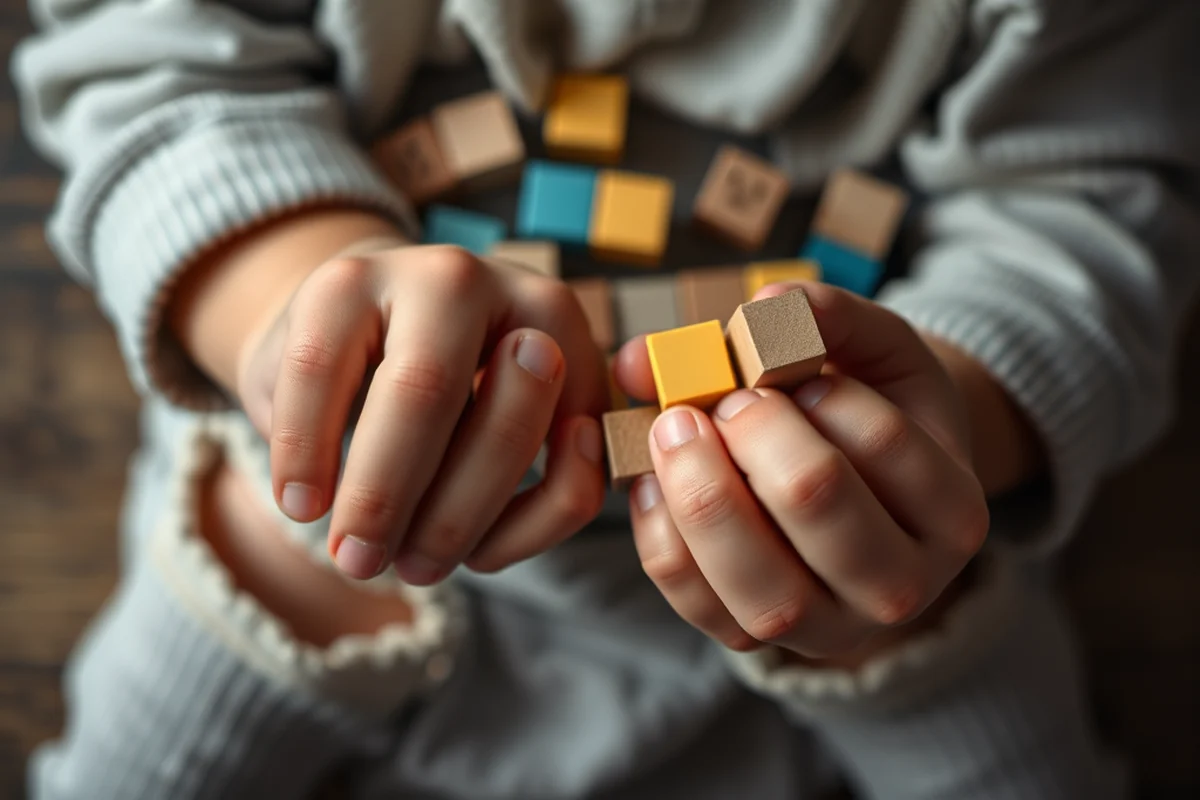
When my daughter was a baby, I read to her in a soft, gentle voice with lots of pauses. As she grew older, I started reading with more expression, changing my tone for different characters, and even making up silly voices for the animals in the story.
For toddlers, I found that reading with a lot of sound effects and exaggerated expressions kept them engaged for longer. For older children, I started reading with more complex sentences and even introduced some basic grammar terms like 'simile' and 'metaphor.'
I also noticed that my older child preferred reading books with more action and fewer pictures, while my younger child loved stories with lots of colorful illustrations. It's all about adapting to your child's interests and developmental stage.
Related: What is teaching textbooks
How To Make Reading A Part Of Your Homeschooling Routine
I've found that reading to my kids is one of the most effective ways to reinforce what we're learning in our homeschooling curriculum. Whether we're studying history, science, or literature, reading books related to the topic helps bring the material to life.
For example, when we were studying ancient Egypt, I read a book about the pyramids and used it to teach my kids about mummies, hieroglyphics, and daily life in ancient times. When we were studying the solar system, I read a book about planets and used it to teach them about gravity and space.
By integrating reading into our homeschooling day, I've noticed that my kids are more curious, more engaged, and more motivated to learn. They also seem to retain information better because they're learning through stories and real-life examples.
Related: Best selling how to books
How To Use Reading To Help Kids With Emotional Development
I've found that reading books about emotions and feelings helps my kids understand and process their own emotions. I especially love books that show characters dealing with frustration, sadness, or anger and how they handle those feelings.
For example, one of my favorite books is 'The Color Monster' by Anna Llenas. It helps kids identify and categorize their emotions using colors and shapes. I've used this book to talk with my kids about their feelings and how to deal with them in a healthy way.
When my son was going through a tough time, I read him a book about a character who was also feeling sad. This helped him understand that it's okay to feel sad and that he's not alone. Reading about emotions helps kids develop empathy, emotional intelligence, and coping skills.
Books can help kids understand and process their emotions.
Related: What is teaching books
How To Keep Kids Interested In Reading As They Grow Older
When my kids were younger, they were all about picture books and simple stories. But as they grew older, their interests shifted. They started asking for more complex stories with deeper themes and more realistic characters.
I've found that introducing books with more complex plots and deeper themes helps older kids stay interested in reading. I also like to read books that are based on their interests, whether it's science, history, or fantasy.
By allowing my kids to choose books that match their interests, I've noticed that they're more likely to read on their own. They're also more likely to discuss the stories with me and ask questions about the characters and the plot.
👶 Younger Kids (Ages 2-4)
Use simple picture books with lots of color and interaction. Point out pictures and make sound effects.
👦 Older Kids (Ages 5-8)
Choose chapter books with more complex storylines and vocabulary. Encourage discussion and critical thinking.
📖 No-Prep Reading
Use books that are already on hand, like library books or books from your own collection. No need for extra supplies.
👯 Group Reading
Read to a group of kids at the same time. This is great for classroom settings or family reading circles.
🎨 Extension Activity
After reading, create a related art project or write a short story based on the book.
| The mistake | Why it happens | The fix |
|---|---|---|
| Reading too quickly and not engaging with the story. | This can make reading feel like a chore and prevent your child from understanding the story. | Take your time, pause often, and engage with the story by asking questions and discussing the plot. |
| Not varying the types of books you read. | Reading the same type of books can make the experience feel repetitive and boring for your child. | Try different genres and types of books, such as picture books, chapter books, and nonfiction books. |
| Forcing your child to read if they're not interested. | This can create a negative association with reading and make your child avoid books in the future. | Let your child choose the books they want to read and make reading a fun, interactive experience. |
| Not allowing your child to participate in the reading process. | This can make your child feel like they're just listening to a story, not engaging with it. | Encourage your child to take turns reading, ask questions, and discuss the story with you. |
How To Read Books To Kids
Common Questions
How often should I read to my child?
What should I do if my child is not interested in reading?
How can I help my child understand the story better?
What if my child can't sit still while I read?
References
- Motivating Student Reading through Post-Reading Book Creation (americanenglish.state.gov)
- 1000 Books Before Kindergarten | Collierville, TN (colliervilletn.gov)
- Observable Characteristics of High Progress Literacy Classrooms (ed.sc.gov)
- To Read or Not To Read - National Endowment for the Arts (arts.gov)
Cite this guide
Teaching Reading to Homeschoolers (2026). How To Read Books To Kids. https://homeschoolread.com/how-to-read-books-to-kids/
Feel free to cite or share this guide.