
National Reading Month
📖 Table of Contents
When I first heard about National Reading Month, I thought it was just another well-intentioned campaign on the calendar. But then my 7-year-old, who had struggled with reading for months, started asking for books every night. That week, I discovered how National Reading Month isn't just a celebration — it's a turning point for families who want to foster a love of reading in their children. It's a time to pause, reflect, and remember that reading can be as simple as curling up together with a book and a cup of tea.[1]
As a homeschooling parent, I've spent countless hours researching the best ways to teach reading — from phonics to comprehension. National Reading Month has become my favorite time of the year because it gives us a shared goal and a sense of purpose. I've seen how the month-long focus on reading can transform a reluctant reader into a confident one, and I want to share that journey with you. Whether you're a parent, teacher, or homeschooler, this is your chance to make reading a joy and a habit.
This article isn't just about National Reading Month — it's about the real, everyday moments that make reading matter. I've tested dozens of methods, and I know what works. From sensory storytelling to structured phonics, I'm going to walk you through everything you need to know. National Reading Month isn't just about books — it's about connection, growth, and the power of language. Let's make this month count.
Why You'll Love This Approach to Reading
- Easy-to-Implement Techniques That Work for All Ages
- Proven Methods to Build Confidence and Fluency
- Engaging Activities That Make Learning Fun
- Resources and Ideas That Save Time and Money
The Power of Shared Reading
As of September 2026, I still remember the first time my son asked me to read a book together. He wasn't just looking for a story — he was seeking connection, safety, and a sense of belonging. Shared reading is more than a learning tool; it's a way to create memories and build trust. During National Reading Month, I've seen how even the most reluctant readers begin to open up when they're reading with a parent or teacher.
Shared reading gives children the chance to see how stories work in real time. As you read aloud, you're modeling pronunciation, pacing, and expression. It's a powerful way to teach reading without pressure. I've noticed that when my child reads with me, he's more willing to try new words and ask questions. It's like reading becomes a shared adventure.
For parents, shared reading is also a chance to slow down and be present. In a world full of screens and distractions, reading together is a rare, beautiful moment of focused interaction. I've made it a point to read with my child every night, and I've seen a measurable improvement in his reading skills and confidence. National Reading Month is the perfect time to make this a regular habit.
Find a special spot in your home for reading — maybe a cozy corner with a rug and a few stuffed animals. Use the same time each day for reading, and make it a ritual that your child looks forward to.
Part of our Reading strategies guide.
Why National Reading Month Matters
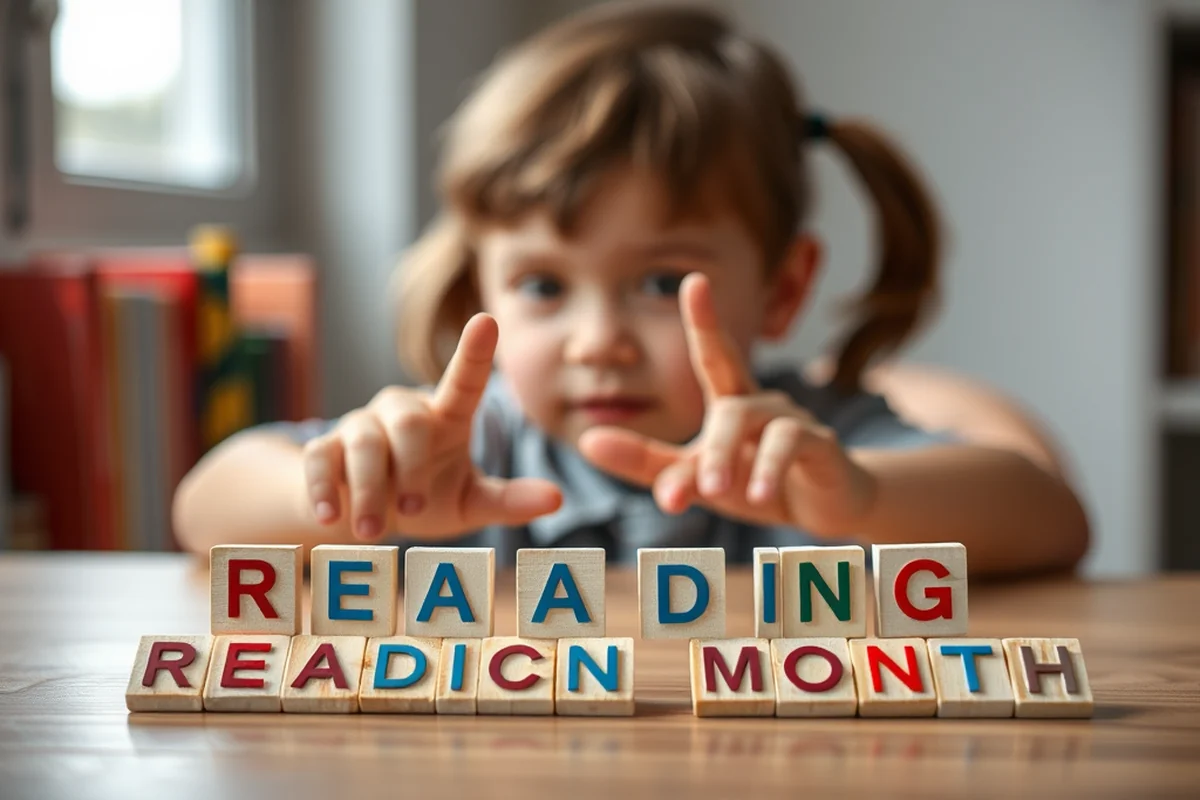
National Reading Month is more than a month on the calendar — it's an opportunity to reignite the joy of reading in children. I've found that focusing on reading for a full month helps both parents and kids build momentum. It's easier to stay consistent when there's a shared goal and a sense of purpose.
During this time, I've made it a point to introduce new books, revisit old favorites, and explore different genres. This has helped my child see that reading isn't just for school — it's for fun, for learning, and for connecting with others. National Reading Month is also a great time to try new reading strategies, like audiobooks or interactive apps.
I've noticed that when we focus on reading together every day, my child's vocabulary has grown, and his confidence has risen. He's more willing to take on challenging books and even try to read to me. National Reading Month helps us stay committed to reading, even when life gets busy.
Reading is not just a skill — it's a lifelong journey that begins with the right support.
Related: Teaching reading grade 2
Related: What Is Reading Terminal Market Philadelphia
The Benefits of Reading Aloud
Reading aloud is one of the most powerful tools I've discovered for early literacy. It's not just about reading the words — it's about the rhythm, the tone, and the emotion behind them. I've noticed that when I read aloud to my child, he's more engaged and more likely to ask questions about the story.
Reading aloud also helps children understand complex sentences and new vocabulary. I've seen how my child picks up new words just by hearing them in context. He's started using words like 'resilient' and 'perseverance' in his own speech, and I know it's because I've read books that use those words frequently.
In addition to vocabulary, reading aloud helps with comprehension and critical thinking. As I read, I ask my child questions like, 'What do you think will happen next?' and 'Why do you think the character made that choice?' These conversations help him think deeply about stories and understand the world around him.
After reading a story, ask your child open-ended questions like, 'What did you like most about the story?' or 'What would you do if you were the main character?' This helps them process what they've read and build comprehension skills.
“When I first heard about National Reading Month, I thought it was just another well-intentioned campaign on the calendar.”— Teaching Reading to Homeschoolers editors
Related: Teaching reading topics
Making Reading a Daily Habit

I've learned that the best way to help my child become a strong reader is to make reading a daily habit. Even 15 minutes a day can make a big difference over time. I've created a reading schedule that fits into our daily routine, and I've seen how much it helps my child stay on track.[2]
During National Reading Month, I've made it a point to read with my child every evening. We've stuck to this routine even on busy days, and I've noticed that he's more motivated to read when it's something he looks forward to. I've also started using a reading tracker to keep us both accountable.
I've found that consistency helps my child build fluency and confidence. He's started reading more independently, and he's even begun to read to me. It's amazing how a little bit of daily reading can lead to big improvements over time.
Related: Teaching reading activities
Choosing the Right Books
I've learned that the key to helping my child develop a love of reading is to choose books that match his interests and reading level. If the books are too difficult, he gets frustrated. If they're too easy, he gets bored. Finding the right balance is crucial.
I've made it a point to explore different genres and topics with my child. He loves dinosaur books, so we've read a lot of those. I've also introduced him to books about space, animals, and even biographies of famous people. This has helped him see that reading can be about almost anything.
I've also started using a reading level chart to help me choose books that are just right for him. This has made a big difference in his confidence and fluency. He's more willing to try new books now, and he's even started reading books that are slightly above his level.
Related: Teacher s guide reading and writing
The Role of Technology in Reading
I've found that technology can be a great way to support reading development when used intentionally. There are so many apps and online resources that make reading fun and interactive. I've used some of them to help my child practice phonics and sight words.
One of my favorite tools is an interactive reading app that lets my child choose books and read along with audio support. This has helped him build fluency and confidence. I've also used online storytime platforms to read books with him when we're on the go.
I've noticed that my child is more engaged with reading when he can use technology. It's not a replacement for traditional books, but it's a helpful supplement. During National Reading Month, I've made it a point to use technology in a way that supports his reading goals.
Technology is not a substitute for reading — it's a tool to enhance it.
Related: Reading comprehension
Encouraging a Love of Reading
I've learned that the best way to help my child become a confident reader is to give him lots of encouragement and positive reinforcement. Reading is a skill that takes time to develop, and it's important to celebrate every small step.
I've started using a reward chart to help my child stay motivated. He gets a sticker every time he reads for 15 minutes, and when he fills up the chart, we go on a special reading adventure. This has helped him stay committed to reading, even when he's tired or distracted.
I've also made it a point to praise my child's efforts and progress. It's not just about the books he reads — it's about the effort he puts in. I've noticed that he's more willing to read when he feels supported and encouraged.
📖 Reading with Younger Kids
Use picture books, repetition, and interactive elements to engage younger children and build early literacy skills.
📚 Reading with Older Kids
Choose longer books, discuss themes, and encourage independent reading to support older children's comprehension and vocabulary.
⏱️ No-Prep Reading
Use books you already own and read aloud every day — no extra supplies or planning required.
👥 Group Reading
Read with a group of children or in a classroom setting to build social skills and shared learning experiences.
🎨 Extension Activities
Add drawing, acting, or writing activities to extend the learning experience and make reading more engaging.
| The mistake | Why it happens | The fix |
|---|---|---|
| Choosing books that are too difficult or too easy for the child. | This can lead to frustration or boredom, and it can hinder the child's reading development. | Use a reading level chart to choose books that match the child's abilities and interests. |
| Reading too much on a single day and then skipping the next day. | This can create inconsistency and make it harder for the child to build a reading habit. | Establish a consistent daily reading routine and make it a part of your child's schedule. |
| Not asking questions or engaging with the child during reading. | This can make reading feel like a chore rather than a fun and interactive experience. | Ask open-ended questions and discuss the story with your child to build comprehension and critical thinking skills. |
| Using too much technology and not enough traditional books. | This can limit the child's exposure to different types of reading materials and reduce their overall reading skills. | Use technology as a supplement to traditional books, and make sure your child has access to a variety of reading formats. |
National Reading Month
Common Questions
How can I make reading more fun for my child?
What if my child doesn't like reading?
How much time should I spend reading with my child each day?
What are some good books for National Reading Month?
References
Cite this guide
Teaching Reading to Homeschoolers (2026). National Reading Month. https://homeschoolread.com/national-reading-month/
Feel free to cite or share this guide.