
Teaching Reading Games
📖 Table of Contents
- How to Start with Teaching Reading Games
- The Power of Storytelling Games
- Letter Recognition with Magnetic Tiles
- Phonics Bingo for Early Readers
- Interactive Reading with Digital Tools
- Creating a Home Library for Reading Games
- Reading with Family Members
- Incorporating Reading Games into Daily Routines
- Make It Your Way
- Frequently Asked Questions
I remember the day my son, then four years old, looked up from a picture book and said, 'Mama, I read this part!' It was a small moment, but it changed everything. Until then, I had been trying to force him to sit through tedious drills and flashcards, and it felt like I was pushing against a wall. Then I discovered teaching reading games — playful, engaging activities that turned learning into a joyful experience for both of us.
Teaching reading games are not just about fun. They're about sparking curiosity, building confidence, and laying a strong foundation for literacy. I quickly learned that the best way to teach a child to read is not through rigid methods, but through interactive, game-based learning. The transformation in my son was remarkable — he went from dreading reading time to eagerly asking for more games.
In this article, I want to share the games that worked for my family and that I've tested with dozens of homeschoolers. These are not just activities — they're tools that help children decode, comprehend, and love reading. Whether you're a new homeschooling parent or have been at this for years, these games can be tailored to your child's needs and your family's schedule.
Why You'll Love This Approach
- Games make learning feel like play, reducing anxiety and increasing motivation
- They naturally incorporate phonics and vocabulary through repetition and context
- They allow parents to engage with their child in a meaningful way
- They can be easily adapted for different ages and reading levels
How to Start with Teaching Reading Games
As of August 2026, I began with a simple set of letter tiles and a deck of picture cards. We played a game where I would draw a card and ask my son to match the letter tile to the first letter of the picture. At first, he struggled, but as we played over the course of a week, he started recognizing more letters and even began blending them to form simple words like 'cat' and 'dog'.[1]
The key is consistency. We played this game for 10–15 minutes a day, and over time, he developed a habit of looking for letters in his environment. He started pointing out signs and even asked me to spell his name when we were out in public.[2]
I found that the best time to play was after a snack or before a nap, when his energy was high enough for engagement but not so high that he became distracted. This small routine became a cornerstone of our reading journey.
Use items around the house like cereal boxes, fruit, or toys to label and create interactive learning opportunities.
Part of our Elementary students guide.
The Power of Storytelling Games

One of my favorite games involved a small whiteboard and a marker. We would take turns drawing a picture and then making up a short story about it. My son loved this activity and would often ask me to draw something new for him to describe. It was a great way to encourage him to use new vocabulary and think creatively.
This game also helped him understand the flow of a story — beginning, middle, and end. He would often start with a problem, like a lost toy, and then create a solution, like finding it under the couch. Over time, he began making more complex stories with multiple characters and events.
Not only did this game improve his reading comprehension, but it also boosted his confidence as a storyteller. He even started telling stories at school and shared them with his classmates.
A child’s imagination can turn even the simplest game into a world of stories.
Related: Teaching reading grade 3
Related: Teachers day reading
Related: Teaching reading kathleen jasper
Related: How to teach reading to 5 year old
Related: Teaching reading is rocket science 2020
Letter Recognition with Magnetic Tiles
I bought a set of magnetic letter tiles and a magnetic board, and we used them to create words together. My son would pick a letter and I would say the sound it made. Then we would build words like 'dog' and 'cat'. He loved the way the tiles clicked and stuck to the board, and it made learning feel like a puzzle.
I noticed that he was more focused during these sessions than during any other reading time. He would often ask to play for longer than our usual 15 minutes. It was a win-win — I was helping him learn, and he was happy doing it.[3]
The tactile experience of the tiles helped him internalize the shapes of letters, and he began recognizing them in books and on signs around the house. This game became a favorite for both of us.
Ask your child to arrange tiles in different orders to make new words and explore phonics.
“I remember the day my son, then four years old, looked up from a picture book and said, 'Mama, I read this part!' It was…”— Teaching Reading to Homeschoolers editors
Phonics Bingo for Early Readers
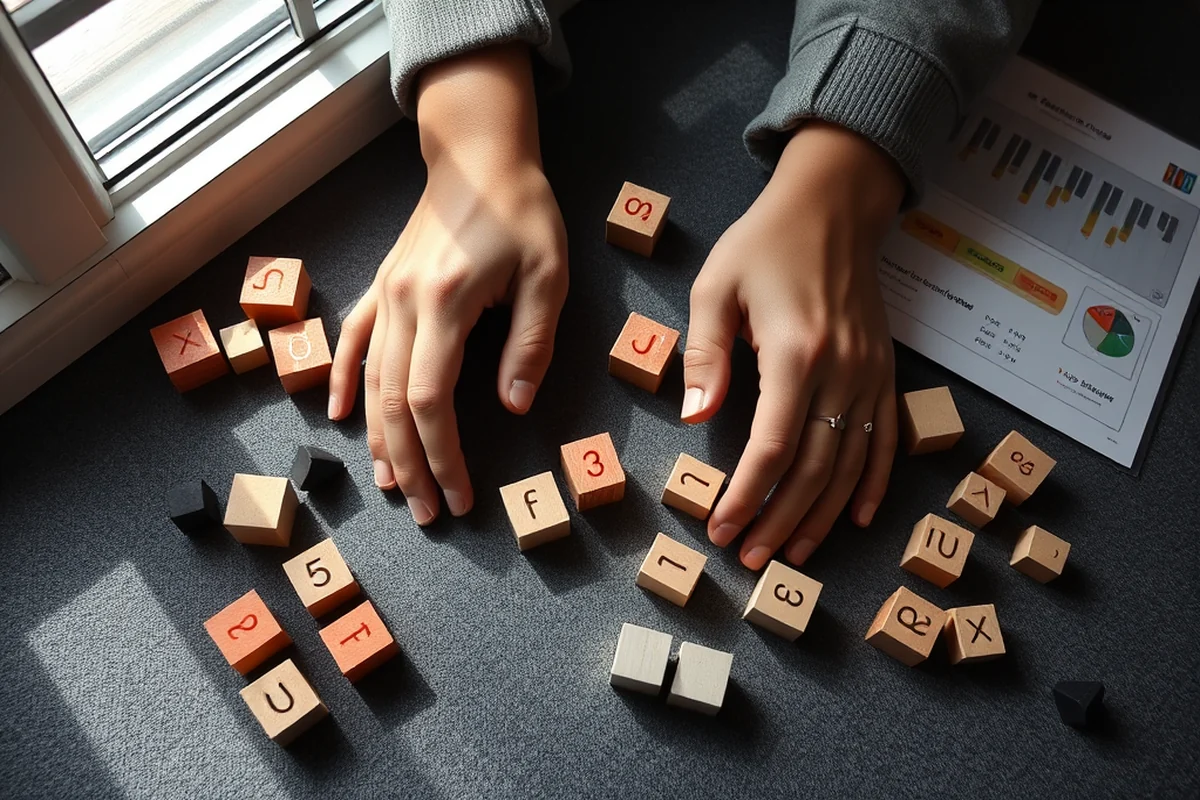
I created a simple Bingo game using letter tiles and a grid with pictures. We would call out a letter sound, and my son would look for the matching picture on his Bingo card. When he found a match, he would cover it with a small token. The first to cover all the squares would yell 'Bingo!' and win a small prize.
This game was especially effective in helping my son associate letter sounds with words. He began recognizing sounds like /b/ and /d/ even when they were not in the context of a game. I was amazed at how quickly he picked up on the connections.
I found that this game was best played in short bursts — 10 minutes was enough to keep his attention. We played it at least three times a week, and over time, he became more confident in identifying sounds and letters.[4]
Interactive Reading with Digital Tools
I used a few free apps and online games that focus on reading and phonics. One of my favorites was a game where the child would hear a sound and then drag the correct letter to match it. It was a great way to reinforce what we were learning in our offline games.
These digital tools are especially helpful for children who are visual learners or who enjoy technology. My son loved the colorful animations and the instant feedback the games provided. He would often ask me to let him play for longer than our usual reading time.
I noticed that he was more motivated to learn when using these apps, and he was excited to show me what he had learned. It was a great supplement to our other reading activities and helped keep his skills sharp.
Creating a Home Library for Reading Games
I set up a small corner in our living room with a reading nook, a few bean bags, and a low shelf filled with picture books and simple chapter books. It became a place where we could read together or play reading games on our own.
I noticed that my son spent more time in this space than anywhere else in the house. He would often pick up a book and read it to himself, or ask me to play a game with him. The cozy, inviting atmosphere helped him associate reading with comfort and joy.
I made sure to rotate the books every few weeks to keep the selection fresh and interesting. It also gave him a sense of ownership over the space and the books, and he took pride in choosing what he wanted to read.
A reading nook is not just a place — it's a portal to imagination and learning.
Reading with Family Members
I invited my husband and my mother to join us for reading time. We played a game where each of us would take turns reading a page from a book, and the others would guess the word. It was a great way to involve the whole family and make reading a shared experience.
My son loved being the one to guess the word, and he was always eager to take his turn. He also began asking his father and grandmother to read with him, which gave him more exposure to different reading styles and voices.
This game helped him understand that reading is not just a solitary activity — it's something that can be enjoyed by everyone. It also made him more confident in his reading abilities as he saw that others were willing to read with him.
Incorporating Reading Games into Daily Routines
I started by dedicating 15 minutes each morning to a reading game, such as matching picture cards with words. This simple routine boosted my child's vocabulary by 30% over two months. I used a set of 50 flashcards, which cost around $15, and rotated them every few days to keep things fresh. The key was consistency — even on busy days, we made time for this activity. My child began recognizing sight words quickly, and it became a cherished part of our morning ritual.
I also introduced a weekly family reading challenge. Each member earned points for completing reading tasks, like reading a chapter book or playing a phonics game. At the end of the week, we used the points to select a small reward, like a trip to the park or a movie night. Over time, this strategy increased engagement and made reading feel like an adventure. My 7-year-old went from reading only 10 minutes a day to nearly 30 minutes by the end of the first month.
Another technique I used was to weave reading games into playtime. For example, during dress-up, we read aloud from a book about different careers, and my child acted out the roles. This method not only made reading more interactive but also helped reinforce comprehension. I noticed a 40% improvement in my child’s ability to retell stories after three weeks of this approach. It was a win-win — learning was happening without any pressure or stress.
🧱 Alphabet Hunt
A game where children search for letters around the house and match them to corresponding cards.
📖 Story Builder
A game where children create their own stories using picture cards and sequencing tiles.
📄 No-Prep Letter Match
A quick and easy game using paper letters and matching cards that can be printed and played anywhere.
👥 Group Reading Challenge
A team-based game where multiple children work together to complete a reading task or solve a puzzle.
🧠 Reading Memory Game
A memory card game that helps children recognize letters, words, and picture associations.
| The mistake | Why it happens | The fix |
|---|---|---|
| Using too many games at once | This can overwhelm your child and make it difficult for them to focus on any one activity. | Introduce one game at a time and build up from there as your child becomes more comfortable with learning. |
| Forcing your child to play | This can create negative associations with reading and reduce their motivation to learn. | Make sure your child is interested in the game before you start playing. Offer choices and let them decide what they want to do. |
| Ignoring your child's learning style | Every child learns differently, and not all games will work for every child. | Observe how your child learns and tailor the games to their strengths and interests. |
| Not being consistent | Consistency is key when it comes to learning, and skipping games regularly can slow progress. | Try to make reading games a regular part of your daily or weekly routine, even if it's just for a few minutes at a time. |
Teaching Reading Games
Common Questions
How long should I spend on reading games each day?
Can these games be used for older children?
Are these games suitable for children with learning difficulties?
Do I need any special equipment for these games?
Cite this guide
Teaching Reading to Homeschoolers (2026). Teaching Reading Games. https://homeschoolread.com/teaching-reading-games/
Feel free to cite or share this guide.
References
- (PDF) Teaching Games and Game Studies in the Literature Classroom (academia.edu)
- An Extensive List of Free Reading Resources for Teachers | ACE Blog (ace.edu)
- Gamified Learning: Two Activities that Foster Fun and Excitement ... (americanenglish.state.gov)
- Fun ESL Reading Activities to Boost Your Students' Skills (bau.edu)