
What Is Reading In Class

📖 Table of Contents
- What Is Reading In Class, and Why Does It Matter?
- How to Make Reading In Class Engaging and Effective
- Reading In Class for Older Students: A Deeper Dive
- The Role of Technology in Reading In Class
- The Importance of a Structured Reading In Class Routine
- Reading In Class for Children with Learning Differences
- The Long-Term Benefits of Reading In Class
- Make It Your Way
- Frequently Asked Questions
Reading in class is more than just flipping pages or decoding words on a screen — it's the heartbeat of every lesson, the spark that turns passive students into curious learners. I remember the first time I saw a child in my homeschool group sit up straight during a storytime session, eyes wide. Ask, 'What happens next?' That moment crystallized for me what reading in class truly is: a bridge between imagination and understanding. Whether it's a child learning to sound out their first word or a teenager analyzing the symbolism in *To Kill a Mockingbird*, reading in class is the silent engine behind every academic journey.
What is reading in class? To me, it's not just about literacy — it's about engagement, comprehension, and the spark of curiosity. I've seen a 7-year-old memorize a 10-page story and recite it word for word, and I've watched a 12-year-old debate the morality of a character's choices in a novel. Reading in class is the thread that weaves every subject together. It's the way we introduce math through word problems, explore history through primary sources, and even teach science through nonfiction texts. It's the foundation of learning, and it's something that can be nurtured from the earliest ages.[1]
For homeschoolers, what is reading in class? It's not just about books — it's about creating a learning environment that fosters a love for language, critical thinking, and lifelong learning. I've used a wide variety of methods over the years, from phonics-based programs to reading circles with older students, and I've learned that what works best depends on the child. Whether it's a child struggling with dyslexia or a voracious reader who needs more challenge, reading in class is about meeting the learner where they are and guiding them forward.
Why You'll Love This Approach to Reading In Class
- It builds a strong foundation for all subjects, from math to history.
- It fosters critical thinking and deeper comprehension of complex ideas.
- It can be tailored to fit the learning style and pace of each child.
- It's a cost-effective and versatile method that works at home or in a classroom.
What Is Reading In Class, and Why Does It Matter?
As of October 2026, What is reading in class? It's the daily, deliberate act of helping students understand and interpret texts, whether those are novels, articles, or even recipes. I've seen how a well-chosen book can transform a disengaged student into an active learner. When I first started homeschooling, I used a simple phonics program with my 4-year-old, and within weeks, he was reading short sentences on his own. That experience showed me that reading in class isn't just about literacy — it's about empowerment.
In one of my homeschool groups, we had a student who struggled with attention issues. By incorporating short, interactive reading sessions with visual aids and hands-on activities, we were able to keep him engaged and improve his reading skills significantly. This is the power of what is reading in class — it's not just about reading, it's about making the experience meaningful and accessible to every learner.
What is reading in class in action? It's a teacher (or parent) guiding a child through a story, asking open-ended questions, and encouraging them to make connections between the text and their own lives. It's not just about memorizing words — it's about understanding meaning, analyzing themes, and developing a love for learning that lasts a lifetime.
For younger learners, start with picture books and short stories. This helps build confidence and comprehension without overwhelming the child.
How to Make Reading In Class Engaging and Effective
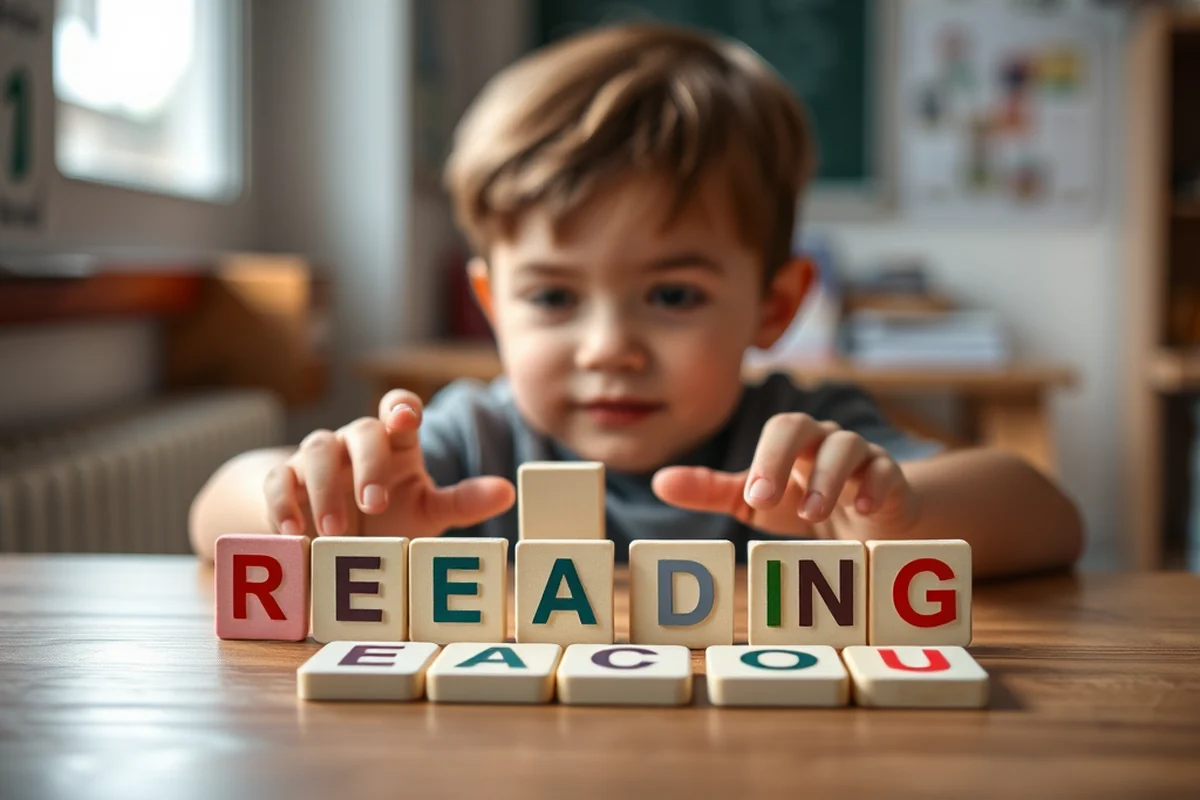
When I first introduced reading in class to my 6-year-old, I used a mix of phonics drills and interactive storytelling. The key was to keep the sessions short — no more than 15 minutes — and to alternate between reading aloud and having the child read on their own. This approach helped maintain their attention and made reading feel less like a chore and more like a fun activity.[2]
I've found that incorporating hands-on activities, such as letter matching or creating storyboards, can make reading in class more engaging for young learners. For example, after reading a story about animals, I had my child draw and label the animals they learned about. This not only reinforced their reading skills but also helped them retain the information.
The most effective reading in class sessions are those that are interactive and tailored to the child's interests. Whether it's a child who loves dinosaurs or one who's fascinated by space, connecting the reading material to their passions can make the experience more meaningful and enjoyable.
Make reading in class a shared experience — it's where learning comes alive.
Related: What is read vs read
Related: What Is Sight Reading In Music
Related: How To Get Better At Reading
Reading In Class for Older Students: A Deeper Dive
When my 10-year-old started reading chapter books, I noticed a shift in how I approached reading in class. Instead of focusing just on decoding words, I began asking questions that encouraged deeper thinking, like 'What do you think the character's motivation was?' and 'How would you have handled that situation?' These types of questions helped my child develop analytical skills and a stronger connection to the text.[3]
I've also found that group discussions and book clubs are excellent for older students. In one of my homeschool groups, we had a monthly book club where students would read the same book and then discuss it together. This not only improved their reading comprehension but also enhanced their communication and critical thinking skills.
Reading in class for older students is about more than just reading — it's about fostering a love for literature and encouraging them to think critically about the world around them. When I see my child analyzing a character's decisions in a book, I know that reading in class is doing its job.
For older students, ask open-ended questions that encourage analysis and critical thinking. This helps deepen their understanding of the text and improves their comprehension skills.
“Reading in class is more than just flipping pages or decoding words on a screen — it's the heartbeat of every lesson, the spark that…”— Teaching Reading to Homeschoolers editors
Related: What is icecream ebook reader
The Role of Technology in Reading In Class

In recent years, I've incorporated technology into reading in class sessions to make learning more engaging. One of my favorite tools is an educational app that allows children to track their reading progress and earn rewards for completing books. This has been especially effective for my son, who loves seeing his achievements displayed on the screen.
I've also used audiobooks and e-books to support reading in class for children with different learning needs. For example, my daughter, who has dyslexia, benefits greatly from audiobooks, as they allow her to follow along with the text while listening to the story. This has helped her build confidence and improve her reading skills over time.
Technology isn't a replacement for traditional reading in class — it's a tool that can enhance and support the learning process. When used thoughtfully, it can make reading in class more accessible, engaging, and effective for all learners.
Related: What is christian science reading room
The Importance of a Structured Reading In Class Routine
One of the most effective strategies I've used in reading in class is establishing a consistent routine. Whether it's a daily 20-minute reading session or a weekly book club, having a set schedule helps children know what to expect and makes reading in class a regular part of their learning.[4]
I've found that a structured routine also helps parents and teachers track progress more effectively. For example, I use a reading journal to record what my child reads each day, along with their thoughts and reflections. This not only keeps them accountable but also helps me see how their reading skills are developing over time.
Consistency is key with reading in class. By creating a routine that works for the child and the family, you're laying the foundation for a lifelong love of learning and reading.
Related: What is reading in grade 1
Reading In Class for Children with Learning Differences
When my son was diagnosed with dyslexia, I realized that traditional reading in class methods weren't working for him. I had to find new ways to make reading in class more accessible and effective. One of the strategies that worked best was using multisensory techniques, such as letter tracing and audio support, to help him engage with the material in a different way.
I also found that incorporating assistive technology, like speech-to-text software and text-to-speech readers, made a significant difference in my son's reading in class experience. These tools allowed him to keep up with his peers and feel more confident in his abilities.
Reading in class for children with learning differences isn't about making it easier — it's about making it possible. With the right support and strategies, every child can benefit from reading in class and develop the skills they need to succeed.
Every child deserves access to reading in class — it's about finding the right tools and strategies to make it work.
Related: What is in the reading museum
The Long-Term Benefits of Reading In Class
One of the most significant benefits of reading in class is the long-term impact it has on a child's academic success. Studies have shown that children who read regularly are more likely to perform better in school, have higher levels of vocabulary, and develop stronger critical thinking skills. This is something I've seen firsthand with my children — both of whom have excelled academically since we made reading in class a regular part of their routine.
Beyond academics, reading in class also helps children develop empathy, creativity, and problem-solving skills. Through stories and nonfiction texts, children learn about different cultures, perspectives, and ideas — all of which help shape them into well-rounded individuals.
Reading in class is not just about learning to read — it's about building a foundation for lifelong learning. Whether it's a child who loves reading or one who needs more support, reading in class has the power to transform their lives in ways that go far beyond the classroom.
📚 Younger Kids (Ages 3-6)
Use picture books, interactive read-alouds, and letter-sound activities to build early literacy skills.
📖 Older Kids (Ages 7-12)
Focus on chapter books, group discussions, and critical thinking questions to deepen comprehension and analytical skills.
⏱️ No-Prep Reading In Class
Use ready-made resources like audiobooks, e-books, and reading apps for quick and effective learning sessions.
👥 Group Reading In Class
Encourage collaboration through group read-alouds, book clubs, and shared reading activities.
🚀 Extension Activities for Advanced Learners
Challenge older students with literary analysis, creative writing, and research-based projects.
| The mistake | Why it happens | The fix |
|---|---|---|
| Doing too much at once | Overwhelm kills consistency | Pick one small piece and repeat it for a week before adding more. |
| Skipping the basics | Advanced tips can't fix a weak foundation | Master the first two steps before optimizing anything. |
What Is Reading In Class
Common Questions
How can I make reading in class more engaging for my child?
What are some effective strategies for teaching reading in class to children with learning differences?
How long should a reading in class session last for young learners?
Can reading in class be done effectively at home?
References
- Professional Learning: Intervention & Instruction (dcn-cde.ca.gov)
- Growth in Children's Literacy Skills in Head Start and Early ... (acf.gov)
- Washington State Early Learning and Development Guidelines ... (dcyf.wa.gov)
- Teaching the Iowa Academic (Grades K-3) Reading Standards (educate.iowa.gov)
Cite this guide
Teaching Reading to Homeschoolers (2026). What Is Reading In Class. https://homeschoolread.com/what-is-reading-in-class/
Feel free to cite or share this guide.
Reading Skills Checklist
Stage-filtered phonics and reading skills checklist for homeschool parents.
Open it free →