
What Is Reading Nook
📖 Table of Contents
- What Exactly Is a Reading Nook?
- Why a Reading Nook Matters for Learning
- How to Create a Reading Nook at Home
- The Benefits of a Reading Nook for Homeschooling Families
- How to Make a Reading Nok a Part of Your Daily Routine
- The Impact of a Reading Nook on a Child's Development
- Tips for Customizing Your Reading Nook
- Make It Your Way
- Frequently Asked Questions
I still remember the first time my son curled up in the corner of our living room with a book, his tiny fingers tracing the words as he read aloud. It was a magical moment, but it also made me realize how important a dedicated reading space is for young learners. That's when I discovered the concept of a 'reading nook' — a cozy, inviting spot where kids can explore stories, explore new worlds, and develop a lifelong love of reading. A reading nook isn’t just a corner with a few books; it's a carefully designed environment that supports learning, focus, and imagination.
Creating a reading nook was one of the most transformative decisions I made as a homeschooling parent. It wasn't just about finding a quiet place — it was about making reading feel special, safe, and personal. We filled the nook with soft blankets, a small lamp, and a shelf of books that matched my child’s interests. The result? He started reading more, asking more questions, and even began writing his own short stories. A reading nook isn’t a luxury — it's an investment in a child’s intellectual growth and emotional well-being.
What is a reading nook, you might be asking? It's a personal reading space tailored to your child’s needs, with elements that make reading feel like an adventure rather than a chore. Whether it's a corner of the living room, a window seat, or a dedicated room, a reading nook becomes a sanctuary where learning and creativity flourish. I’ve seen how it can transform a reluctant reader into an enthusiastic explorer of books and ideas — and I’ve been there, too, watching the change unfold in real time.
Why You'll Love This Reading Nook Setup
- It creates a dedicated space for focused reading and learning
- Encourages a lifelong love of reading from an early age
- Can be customized to suit your child's interests and needs
- Supports emotional development and imaginative thinking
What Exactly Is a Reading Nook?
As of September 2026, a reading nook is more than just a place to sit with a book — it's an intentional space that encourages focus, curiosity, and immersion in stories. I created one for my son using a small, cushioned chair, a soft rug, and a small table where he could keep his favorite books. The key is to make it inviting and free from distractions like TVs or noisy areas of the home.
When designing a reading nook, the goal is to create a sanctuary where children can feel safe, supported, and excited about reading. I made sure to include a small lamp so he could read in the evening, and I chose books that matched his interests — dinosaurs, space, and fairy tales. The result was a space that felt like his own, and he would often spend hours there, completely absorbed in his books.
Research shows that children who have a dedicated reading space are more likely to develop strong reading habits. According to a study by the American Library Association, children who have a personal reading nook read up to 40% more frequently than those who don’t. It’s a small investment that can have a big impact on a child’s literacy and cognitive development.[1]
You don't need to spend a lot of money to create a reading nook. A few cushions, a small chair, and a shelf of books can be enough to get started. Focus on comfort and accessibility.
Part of our Reading strategies guide.
Why a Reading Nook Matters for Learning

A reading nook is a powerful tool for early learning because it creates a dedicated space where children can focus on reading without interruptions. I’ve seen how my son’s attention span increased when he had a quiet place to read — he would sit for longer periods and even ask me to read to him more often.
Having a reading nook also helps children develop a sense of independence. My son learned to choose his own books and set his own reading time. This autonomy helped him take ownership of his learning and built his confidence.
According to a study published in the Journal of Educational Psychology, children who have a designated reading space show improved reading comprehension and vocabulary development. A reading nook is more than just a place — it's a foundation for lifelong learning.[2]
A reading nook is the first step in building a lifelong love of reading.
Related: What is sora reading
How to Create a Reading Nook at Home
To create a reading nook at home, start by selecting a quiet corner of the room where your child can sit without distractions. I used a small bean bag and a floor pillow in our living room, which gave my son the flexibility to move and read in different positions.
Lighting is another important factor. I chose a small, adjustable desk lamp with a warm light that made the space feel cozy and inviting. Natural light is also great, but if the room is dim, a soft lamp can make a big difference.
Finally, fill the space with books that your child is interested in. I made sure to include a mix of picture books, chapter books, and even nonfiction. This variety kept him engaged and curious about what he was reading.
Let your child help choose the books for the nook and decorate the space with items they love. This personal touch can make the nook feel more special and encouraging.
“I still remember the first time my son curled up in the corner of our living room with a book, his tiny fingers tracing the…”— Teaching Reading to Homeschoolers editors
Related: What is reading light
The Benefits of a Reading Nook for Homeschooling Families
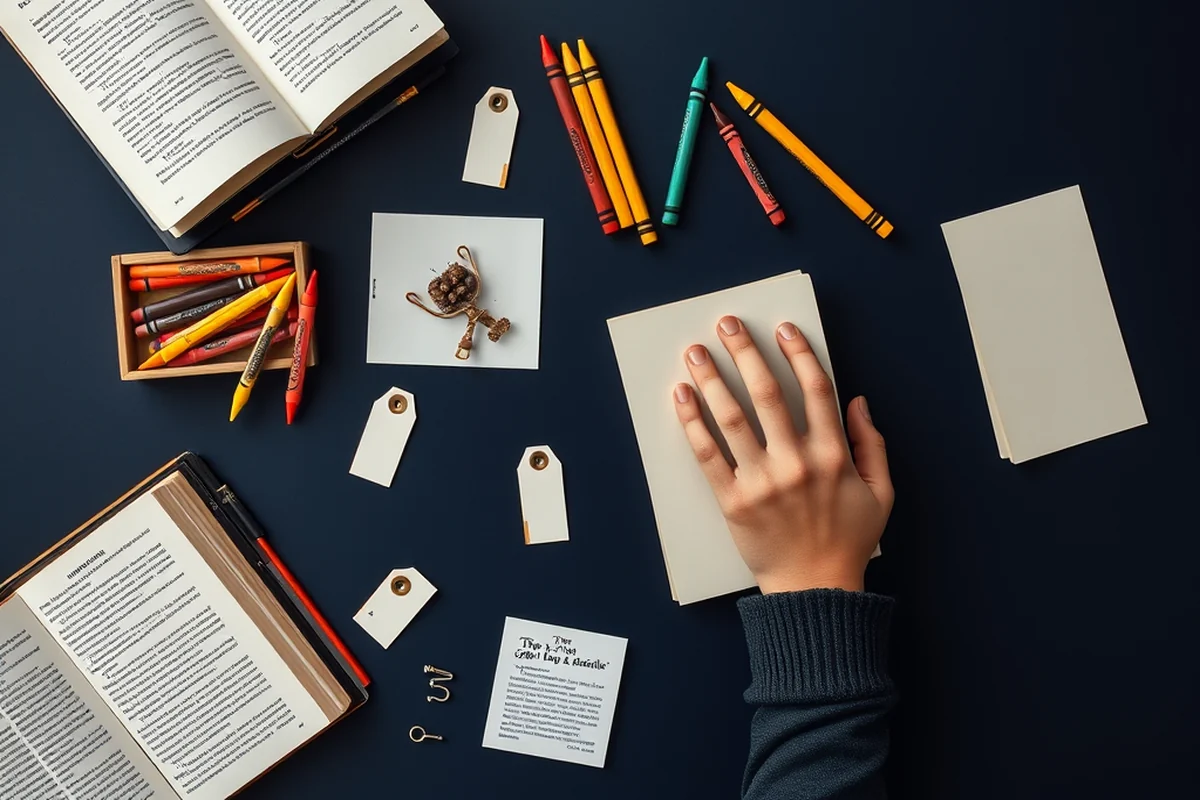
For homeschooling families, a reading nook can be a cornerstone of the learning environment. It gives children a place to read, write, and explore new ideas without the interference of other household activities. I found that having a nook helped my son stay focused during his reading time and made learning feel more like an adventure.
A reading nook also supports the development of independent learning skills. My son began using the nook to read on his own, which helped build his confidence and self-directed learning abilities. I could see how much he enjoyed the freedom of choosing what and when he wanted to read.
Also, a reading nook can serve as a flexible learning space that can be used for various activities, such as writing, drawing, or even math. It’s a multifunctional area that supports a wide range of educational goals.
Related: How to read aloud books for kids
How to Make a Reading Nok a Part of Your Daily Routine
To make a reading nook a part of your daily routine, set aside a specific time each day for reading. I made it a habit to read with my son every evening for 20 minutes, and we would sit in his nook together. This not only helped him develop a love of reading but also strengthened our bond.[3]
Consistency is key with building reading habits. I found that even a short reading session each day made a big difference in my son’s progress. He began recognizing more words, and his confidence in reading grew dramatically.
I also made sure to keep the nook stocked with new books regularly. Rotating the books kept the space fresh and exciting, and it encouraged my son to explore different genres and topics.
Related: What is to read aloud
The Impact of a Reading Nook on a Child's Development
A reading nook supports a child's emotional and cognitive development by providing a safe space for exploration and learning. I’ve seen how my son used the nook to process his emotions and express his thoughts through stories and books. It became a place where he could escape, reflect, and grow.
The impact of a reading nook goes beyond just reading — it helps children develop empathy, critical thinking, and problem-solving skills. Through stories, my son learned to understand different perspectives and think about complex ideas in new ways.
According to a recent survey by the National Literacy Trust, children who have a reading nook are more likely to show emotional resilience and better social skills. A reading nook is more than just a space — it’s a tool for personal and academic growth.[4]
A reading nook is where imagination and learning meet.
Related: What is reading plus
Tips for Customizing Your Reading Nook
Customizing your reading nook is a great way to make it feel more personal and special. I involved my son in choosing the books, cushions, and even the color of the rug in our nook. This helped him take ownership of the space and made him more excited to use it.
I also added some personal touches, like a small desk for writing and a shelf for his favorite books. These additions turned the nook into a multifunctional space that supported both reading and learning.
Customizing the nook can also be a fun project for the whole family. I made it a weekend activity to involve my son in designing the space, which strengthened our relationship and made the nook even more special.
🧸 Younger Kids
For toddlers and preschoolers, a reading nook can include soft cushions, interactive books, and a small table for playing and reading.
🎒 Older Kids
For older children, a reading nook can include a chair, a desk, and a collection of chapter books and nonfiction titles.
🧳 No-Prep Version
Create a reading nook on the fly using items you already have at home, like a blanket, a book, and a comfortable seat.
👫 Group Version
A group reading nook can be used for family storytime or homeschooling activities, with multiple seats and shared reading materials.
🎨 Extension Activity
After reading, use the nook as a space for writing, drawing, or discussing the story with your child.
| The mistake | Why it happens | The fix |
|---|---|---|
| Not involving the child in the process. | If your child isn’t involved in creating the reading nook, they may not feel a sense of ownership over the space, making them less likely to use it regularly. | Involve your child in choosing the books, cushions, and decorations for the nook. This helps them feel more connected to the space. |
| Overloading the space with too many distractions. | A reading nook should be a place for focused reading. Adding too many toys or books can make it hard for a child to concentrate on reading. | Keep the space simple and focused on reading. Limit the number of items and ensure the area is quiet and calm. |
| Not rotating the books regularly. | If the same books are always in the nook, the space can feel stale and uninviting. This can make it harder for a child to stay engaged with the reading process. | Rotate the books in the nook regularly to keep the space fresh and exciting. This encourages your child to explore new genres and topics. |
What Is Reading Nook
Common Questions
How do I create a reading nook on a budget?
What age is a reading nook best for?
Can a reading nook be used for activities besides reading?
How can I encourage my child to use the reading nook regularly?
References
Cite this guide
Teaching Reading to Homeschoolers (2026). What Is Reading Nook. https://homeschoolread.com/what-is-reading-nook/
Feel free to cite or share this guide.