
Teacher Guided Reading
📖 Table of Contents
- What Is Teacher Guided Reading and Why It Works
- How to Start Teacher Guided Reading at Home
- The Role of the Teacher in Guided Reading
- How to Adapt Teacher Guided Reading for Different Ages
- The Benefits of Teacher Guided Reading for Homeschoolers
- How to Track Progress in Teacher Guided Reading
- Making Teacher Guided Reading a Part of Your Daily Routine
- Make It Your Way
- Frequently Asked Questions
I remember the first time I tried teacher guided reading with my daughter. She was five and had just started kindergarten, but she was struggling with phonics and vocabulary. I tried everything — flashcards, books, even a paid reading program — but nothing stuck. Then I stumbled upon teacher guided reading. It wasn’t a magic bullet, but it gave me a framework to work with, and over the next few months, her confidence and fluency grew in ways I hadn’t seen before.
Teacher guided reading is more than just a teaching method; it’s a way to bring structure, support, and individualized attention to the learning process. I’ve used it with my own children, and I’ve watched it transform the way other homeschoolers approach reading. The key is that the teacher — whether that’s you or a hired tutor — doesn’t just read to the child; they read with them, guiding their understanding in real time.
What makes teacher guided reading special is the focus on interaction. It’s not about pushing a child through a book alone. It’s about sitting with them, asking questions, discussing the story, and helping them decode words. For parents who are new to teaching or unsure how to approach reading instruction, this method provides a clear, step-by-step way to build a child’s literacy skills, one session at a time.
Why You'll Love This Teacher Guided Reading Activity
- It builds confidence through individualized support
- It’s adaptable to your child’s skill level
- It fosters a love of reading through interaction
- It requires minimal supplies and preparation
What Is Teacher Guided Reading and Why It Works
As of August 2026, at its core, teacher guided reading is about creating a safe, supportive space for a child to practice reading with guidance. I've used this method with my own children and have seen measurable improvements in their reading skills within weeks. It’s not about pushing them to read faster, but rather helping them understand what they’re reading and how to approach new texts.[1]
This method is especially effective for children who are still learning phonics, struggling with vocabulary, or who benefit from extra support in reading. The teacher’s role is to ask questions, model reading strategies, and help the child handle the text. I often use this method in the afternoons, after we’ve done our core curriculum, and it’s become a favorite part of our day.
One of the best parts of teacher guided reading is that it’s flexible. I’ve used it with my 5-year-old and my 7-year-old, and each time the approach was slightly different. For my younger child, we focused more on decoding words, while with my older child, we worked on comprehension and fluency.
Set a timer for 15 minutes to keep sessions short and focused, especially with younger children. This helps maintain their attention and keeps the session positive.[2]
Part of our Reading strategies guide.
How to Start Teacher Guided Reading at Home
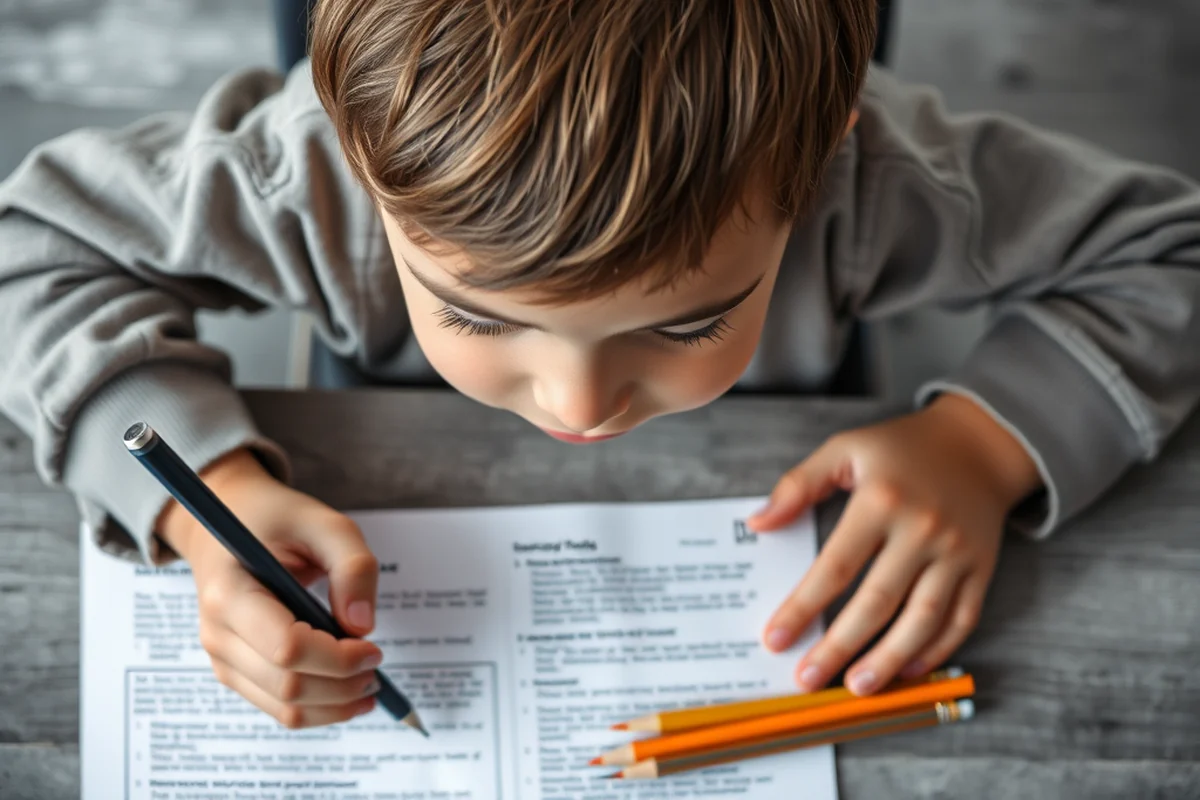
I began with simple picture books that had clear, simple text and engaging illustrations. The key was to choose a book that was at my child’s reading level — not too easy, not too hard. I also made sure to sit with her at eye level so we could have a real conversation about the story.
The first few sessions were a bit awkward — I was trying to remember everything I’d read about teacher guided reading, and it was a lot to take in. But once I got the hang of it, it became much smoother. I learned to ask open-ended questions, like 'What do you think will happen next?' or 'Why do you think the character did that?'
One of the best things about starting teacher guided reading is that it doesn’t require a lot of preparation. I’ve used this method in the evenings after dinner, or during the lunch break, and it’s always worked well. The only thing that matters is that we’re both focused and engaged.
Teacher guided reading is not about perfection — it’s about progress.
Related: Teacher s guide reading and writing
Related: Teaching reading books
Related: Teaching reading jessie wise
Related: Teaching reading strategies
Related: Teacher Reading To Kids Clipart
The Role of the Teacher in Guided Reading
When I first started teacher guided reading, I was worried I wasn’t doing enough. But the truth is, the teacher’s role is more about asking questions, listening, and helping the child find their own way through the text. I’ve learned to avoid overcorrecting and instead focus on building confidence.
One of the biggest lessons I learned was to let the child take the lead. If they’re stuck on a word, I’ll offer a hint or two, but I never force the answer. I’ve also learned that it’s okay for the child to read slowly — fluency comes with time and practice.
Another important part of the teacher’s role is to help the child understand the story. I’ve used this method to help my daughter make connections between the text and her own life, and it’s been incredibly rewarding to watch her make those links.
Choose a book that your child is genuinely interested in — whether it’s about dinosaurs, animals, or fairy tales. This increases engagement and makes the session more enjoyable for both of you.
“I remember the first time I tried teacher guided reading with my daughter.”— Teaching Reading to Homeschoolers editors
How to Adapt Teacher Guided Reading for Different Ages
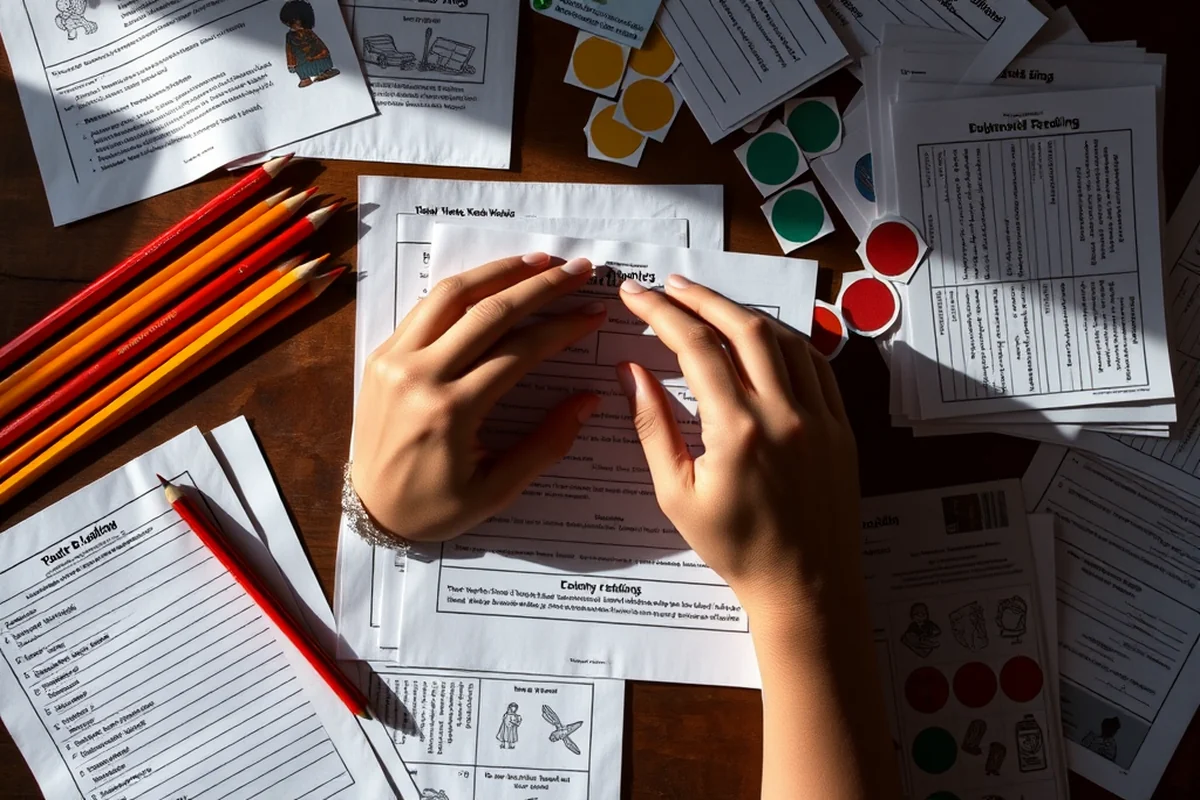
With younger children, the focus is on phonics and vocabulary. I’ve used teacher guided reading with my 3-year-old, and we’ve worked on recognizing letters and sounds. For older children, the focus shifts to comprehension, fluency, and critical thinking.
I’ve also found that the length of the session can vary depending on the child’s age. With my 3-year-old, we only do 10 minutes of reading at a time, but with my 7-year-old, we can do up to 20 minutes. It’s important to follow the child’s lead and not push too hard.[3]
Another way to adapt teacher guided reading is by using different types of books. With younger children, picture books are ideal, while older children may benefit from chapter books or nonfiction texts. The key is to choose a book that’s at their reading level and interests them.
The Benefits of Teacher Guided Reading for Homeschoolers
As a homeschooling parent, I know how important it is to provide a structured learning environment without the pressure of a traditional classroom. Teacher guided reading allows me to do just that — it gives my child the support they need while keeping the learning process engaging and fun.
One of the biggest benefits I’ve seen is the improvement in my child’s confidence. She used to be afraid of reading aloud, but after several sessions of teacher guided reading, she began to speak up more in class and even volunteer to read in our homeschool group meetings.
Another benefit is that teacher guided reading helps identify areas where my child may need extra support. For example, I noticed that she was struggling with sight words, and through guided reading, I was able to focus more on that area and see real progress.
How to Track Progress in Teacher Guided Reading
I’ve used a simple journal to track progress during teacher guided reading sessions. I write down what my child read, how they felt about the book, and any questions they had. This helps me see patterns and areas where they may need more support.
I’ve also used a reading log to record the books we’ve read, the level of the book, and how my child performed. This helps me see which books are a good fit and which ones are too hard or too easy.
Another way I track progress is through observation. I notice when my child is reading more fluently, using new vocabulary, or asking more questions. These are all signs that teacher guided reading is working.
Tracking progress is a powerful way to see how far your child has come.
Making Teacher Guided Reading a Part of Your Daily Routine
I’ve found that the best time for teacher guided reading is in the early afternoon, after we’ve done our core subjects. It’s a good break and helps my child stay focused for the rest of the day.
I also make sure to keep the sessions short and sweet — 10 to 15 minutes is enough for most children. I’ve noticed that longer sessions can be overwhelming, especially for younger children.[4]
Another tip I’ve used is to make the sessions more interactive. I’ll ask questions, encourage my child to read aloud, and even play games with the text. This keeps the session fun and engaging.
👶 Younger Kids Adaptation
Use picture books with simple text and focus on phonics and vocabulary with short sessions.
🎓 Older Kids Adaptation
Use chapter books and focus on comprehension, fluency, and critical thinking with longer sessions.
📄 No-Prep Version
Use any book at your child’s level and focus on reading together with minimal planning.
👥 Group Version
Use small group settings and rotate books to keep multiple children engaged and supported.
📚 Extension Activity
After teacher guided reading, use related activities such as drawing, writing, or acting out the story.
| The mistake | Why it happens | The fix |
|---|---|---|
| Choosing a book that is too hard for the child | A book that is too difficult can be overwhelming and discourage the child from reading. | Choose books at the child’s reading level, with simple text and engaging illustrations. |
| Overcorrecting the child’s mistakes | Overcorrecting can make the child feel self-conscious and hesitant to read aloud. | Focus on support and encouragement, and let the child take the lead in the reading process. |
| Making the sessions too long | Longer sessions can be overwhelming and reduce the child’s enjoyment of reading. | Keep sessions short, around 10 to 15 minutes, to maintain the child’s attention and engagement. |
| Not preparing a suitable environment for reading | A distracting or uncomfortable environment can make it harder for the child to focus on reading. | Choose a quiet, comfortable space for reading, free from distractions and with good lighting. |
Teacher Guided Reading
Common Questions
What books are best for teacher guided reading?
How long should teacher guided reading sessions be?
Can teacher guided reading be done with more than one child?
What if my child is not interested in reading?
Cite this guide
Teaching Reading to Homeschoolers (2026). Teacher Guided Reading. https://homeschoolread.com/teacher-guided-reading/
Feel free to cite or share this guide.
References
- Effect of guided reading strategies on the motivation of the students ... (academia.edu)
- "Teaching Online Research and Comprehension Skills through ... (academicworks.cuny.edu)
- "Teach Reading? but I'm Not a Reading Teacher!" - BearWorks (bearworks.missouristate.edu)
- Guided Reading: Teaching Comprehension, Phonics, Word Study ... (centerliteracyteaching.lesley.edu)