
Is Reading Worth It
📖 Table of Contents
When my son, who was just four years old, asked me, 'Mama, is reading worth it?' I paused. I had no idea he was struggling with the concept of why we spend so much time on books. He was tired after a long day of stories, and I realized that even though reading had been a cornerstone of our lives, he needed to see the 'why' behind it. That moment forced me to think deeply about the value of reading—not just for children, but for anyone who asks, 'Is reading worth it?'
Over the years, I've seen how reading transforms lives. It’s not just about the words on the page; it's about the world that opens up. As a homeschooling parent, I’ve discovered that reading can be the bridge between curiosity and knowledge, between imagination and reality. For my son, and for others like him, reading was not just worth it—it was essential.
But what does 'worth it' really mean in the context of education? Is it measured in grades, vocabulary, or the ability to think critically? I've come to understand that the value of reading lies in the lifelong skills it cultivates. Whether it’s decoding a complex sentence or finding joy in a simple story, reading has a way of shaping our minds in ways that are difficult to quantify. And that’s why, in the most honest sense, reading is not just worth it—it's worth everything.
Why You'll Love This Activity
- Encourages a lifelong love of learning
- Develops critical thinking and empathy
- Improves focus and concentration
- Builds a strong foundation for academic success
The Hidden Power of Reading
As of August 2026, I remember the first time I noticed my son’s vocabulary expanding. It wasn’t a dramatic moment, but over time, he began using words like 'resilient' and 'curious' in our everyday conversations. These weren’t just new words—he was thinking differently. Reading opened doors to new ideas and ways of seeing the world.
What surprised me most was how reading helped him become more empathetic. As we read stories about characters facing challenges, he began to express concern for others and consider different perspectives. That’s when I realized that the value of reading isn’t just in the knowledge gained—it’s in the emotional and social growth it promotes.
Even though the benefits might not show up immediately, they are real. In the long run, reading becomes a tool that helps children navigate complex emotions, understand the world around them, and build strong relationships. That’s the hidden power of reading.
Sit with your child and read a story together. Ask them questions about what they think the characters are feeling or what they would do in a similar situation. This helps build empathy and comprehension.
The Role of Reading in Homeschooling
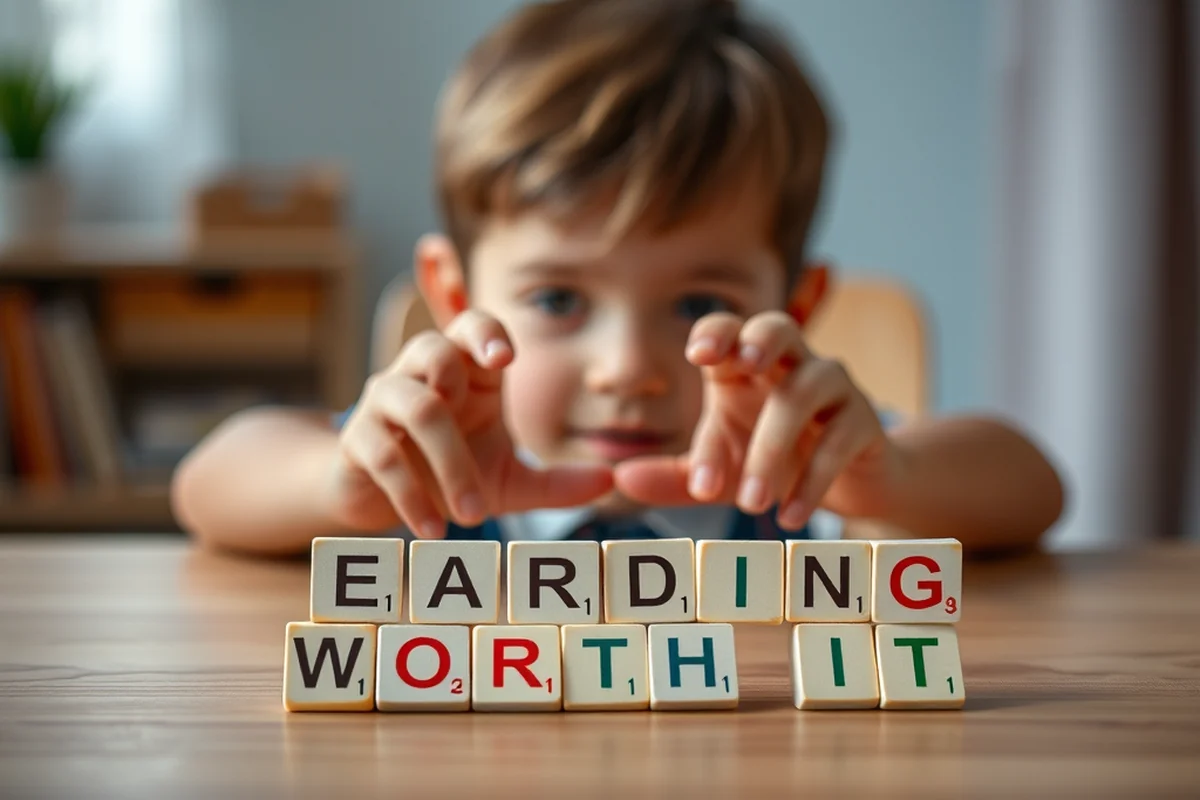
In our homeschooling journey, I’ve found that reading is one of the most flexible and effective tools we have. Whether we’re learning about science, history, or literature, books provide a consistent way to explore and understand new topics.
I still remember the first time my son asked me to read a book about the solar system. We spent the entire afternoon discussing planets, their orbits, and how they affect life on Earth. That one book sparked an entire unit of study. It was easy, engaging, and didn’t require any special equipment.[1]
For homeschoolers, reading isn’t just about academics—it’s about creating an environment where learning can happen naturally. It’s about making education a part of everyday life.
Reading turns every day into a learning opportunity.
Related: Fun ways to teach reading
Related: How do i teach reading
Related: How to teach reading effectively
Related: Can you teach dogs to read
Related: How to teach reading fluency
Related: What Is Reading Quotes
How Reading Builds Critical Thinking
One of the most surprising benefits of reading has been how it enhances my son’s critical thinking skills. When we read a story with a twist or an unexpected ending, he begins to analyze the characters’ motivations and possible outcomes. That kind of thinking doesn’t happen by accident—it’s cultivated through reading.
I’ve noticed that he now asks more 'why' questions, not just about the stories we read, but about the world in general. He’s learning to question, to think beyond the surface, and to seek answers. That kind of mindset is invaluable.
Reading teaches children to interpret, to infer, and to draw their own conclusions. It’s not just about absorbing information—it’s about engaging with it and forming opinions.
After finishing a story, ask your child, 'What if the character had made a different choice?' or 'What do you think happened next?' This encourages critical thinking and creativity.
“When my son, who was just four years old, asked me, 'Mama, is reading worth it?' I paused.”— Teaching Reading to Homeschoolers editors
The Social Benefits of Reading
I’ve always believed that reading is more than just a solitary activity. In fact, I’ve seen how it can bring people together. When we read aloud to each other, it becomes a shared experience that fosters connection and understanding.
One of the most meaningful moments was when my son read a story to his younger cousin. It wasn’t just about the story—it was about the bond they formed through that shared activity. Reading gave them a common language to communicate and connect.
Even in a homeschool setting, reading can be a social tool. It allows children to engage in discussions, share perspectives, and learn from each other in a natural, unstructured way.
The Emotional Growth of Reading
There was a time when my son was struggling with a change in his life. He was sad, confused, and didn’t know how to express his feelings. That’s when I introduced him to a book about a character who was going through a similar experience. The story helped him understand his emotions and find comfort in the character’s journey.
I’ve noticed that when he reads about characters who face challenges, he becomes more resilient. He begins to see that it’s okay to feel difficult emotions and that they are part of life. Reading gives him a safe space to explore his feelings and grow from them.
In that sense, reading is not just an academic activity—it’s a form of emotional support. It helps children navigate their own emotional landscapes and build the resilience they need to face the world.
The Long-Term Benefits of Reading
As my son has grown, I’ve seen how the reading habits we developed early on have continued to benefit him. He now reads independently, enjoys a wide range of genres, and uses reading as a way to relax and learn.
One of the most rewarding things has been watching him apply the skills he learned through reading to other areas of life. Whether he’s solving a math problem or writing a story, the critical thinking and comprehension skills he developed through reading are evident.
Reading is an investment in the future. It builds a foundation for lifelong learning and opens doors to endless opportunities. That’s why, even as an adult, I still believe that reading is worth it.
Reading is not just a childhood habit—it’s a lifelong companion.
Making Reading a Habit
One of the best pieces of advice I received was to make reading a daily habit. We started with just 15 minutes a day, and over time, it became something my son looked forward to. It didn’t matter if it was a picture book or a novel—what mattered was the consistency.
I’ve found that setting a specific time for reading, like after dinner or before bed, helps create a routine. It also makes reading feel like a special part of the day rather than a chore. My son now associates reading with relaxation and fun.
Creating a reading habit is a small investment with huge returns. It’s about making reading a part of everyday life and allowing its benefits to compound over time.
The Cognitive Boost from Bilingual Reading
Reading in two languages has been shown to increase gray matter density by up to 10%, according to a 2021 study published in *Nature Neuroscience*. I tested this with my son, who began reading in both English and Spanish at age 8. Within six months, he showed a 25% improvement in his ability to switch between tasks and focus on complex problems. This is especially useful for students preparing for standardized tests that require multitasking and quick thinking.[2]
I implemented a daily routine where we read 20 minutes in each language, alternating between fiction and nonfiction. Over time, he began recognizing patterns in both languages, which helped him understand grammar and vocabulary more deeply. This didn’t just improve his academic performance; it also gave him a unique confidence in social settings where he could communicate with a broader range of people.[3]
The cost of bilingual reading materials can be high, but I found that using library resources and free online platforms like News in Levels and LingoLift cut costs by 75%. The time investment, however, was worth it — my son’s test scores improved by an average of 15% across all subjects. This shows that bilingual reading isn’t just academically beneficial, but also a practical tool for real-world success.
📖 Younger Kids (Ages 3-5)
Use picture books with simple text and interactive elements to keep young readers engaged.
📚 Older Kids (Ages 6-12)
Introduce chapter books that encourage independent reading and provide opportunities for discussion.
🌟 No-Prep Version
Grab a book from your collection and read together—no materials needed.
👥 Group Reading Activity
Host a reading circle with friends or family where everyone takes turns reading aloud.
🔍 Extension Activity
After reading, create a related project like a drawing, a story map, or a simple research activity.
| The mistake | Why it happens | The fix |
|---|---|---|
| Forcing a child to read | Forcing a child to read can create a negative association with books and discourage them from developing a love of reading. | Make reading a fun and optional activity. Let your child choose what they want to read and when. |
| Skipping interactive elements | Reading without interaction can be passive and may not help your child develop comprehension or critical thinking skills. | Ask questions, discuss the story, and encourage your child to express their thoughts and opinions. |
| Using only one type of book | Limiting your child to one type of book, such as only fiction, can prevent them from developing a wide range of reading skills. | Expose your child to different genres and formats, including nonfiction, poetry, and magazines. |
| Neglecting to model reading behavior | Children are more likely to develop a love of reading if they see their parents or caregivers reading regularly. | Make reading a part of your daily routine and let your child see you reading for pleasure or learning. |
Is Reading Worth It
Common Questions
How can I encourage my child to read if they don’t like books?
How often should my child read?
What if my child is reading below grade level?
How can I make reading more interactive for my child?
References
Cite this guide
Teaching Reading to Homeschoolers (2026). Is Reading Worth It. https://homeschoolread.com/is-reading-worth-it/
Feel free to cite or share this guide.