
How To Teach Oral Reading Fluency
📖 Table of Contents
- What Is Oral Reading Fluency and Why Does It Matter?
- The Best Way to Practice Oral Reading Fluency at Home
- How to Model Good Reading Fluency for Your Child
- The Role of Repetition in Building Oral Reading Fluency
- How to Encourage Your Child to Read Aloud
- The Importance of Listening and Giving Feedback
- How to Track Progress in Oral Reading Fluency
- Make It Your Way
- Frequently Asked Questions
I still remember the day my son read his first full sentence aloud — not perfectly, but with enough confidence that I knew we were on the right track. That moment, messy and full of stumbles, was the beginning of our journey to teach oral reading fluency. Oral reading fluency is not just about speed or accuracy; it's about expression, rhythm, and the ability to make reading sound natural. It's a skill that builds from the inside out, and it's one that I've spent years learning how to nurture in my kids.[1]
Teaching oral reading fluency isn't about forcing kids to read faster or louder. It's about creating a safe space where they can experiment with their voice, practice reading aloud, and feel comfortable making mistakes. I've tried so many methods over the years — from using audiobooks to reading aloud with my kids — and what I've found is that consistency and repetition are more important than anything else. It's not about getting it right the first time; it's about giving kids the tools to improve over time.[2]
As a homeschooling parent, I've learned that the best way to teach oral reading fluency is through active engagement, not passive reading. That means reading aloud with your child, modeling correct pronunciation and expression, and giving them the chance to take turns. It's also about using real books — not just workbooks — to keep the process engaging. Oral reading fluency is a skill that doesn't get taught in a vacuum. It's taught through stories, through practice, and through encouragement. And that's exactly what this article is about: how to teach oral reading fluency, the right way.[3]
Why You'll Love This Approach to Teaching Oral Reading Fluency
- It builds confidence through consistent practice
- It makes reading feel natural and engaging
- It helps kids develop a love of reading over time
- It's adaptable to all age levels and learning styles
What Is Oral Reading Fluency and Why Does It Matter?
As of August 2026, Oral reading fluency is the ability to read with accuracy, speed, and expression. It's not just about reading the words correctly — it's about making the words sound natural, like you're speaking them. For young learners, this is a critical skill because it helps them understand the meaning of what they're reading. I've noticed that when my kids read with more fluency, they also comprehend better. It's like they're not just decoding words; they're connecting them to ideas.[4]
This skill is especially important for early readers who are still learning to recognize words. When they read fluently, it helps them see patterns in language and build their vocabulary. I've seen this in my own children — when they read with more fluency, they're more likely to try new books, ask questions, and engage with the material in a deeper way.
Fluency also builds confidence. When kids can read aloud without stumbling or hesitating, they feel proud of themselves. It's a skill that can be taught, and it's one that makes a lasting impact on a child's ability to learn and express themselves.
Choose books that your child knows well. This helps them focus on reading with expression, not on decoding new words.
The Best Way to Practice Oral Reading Fluency at Home
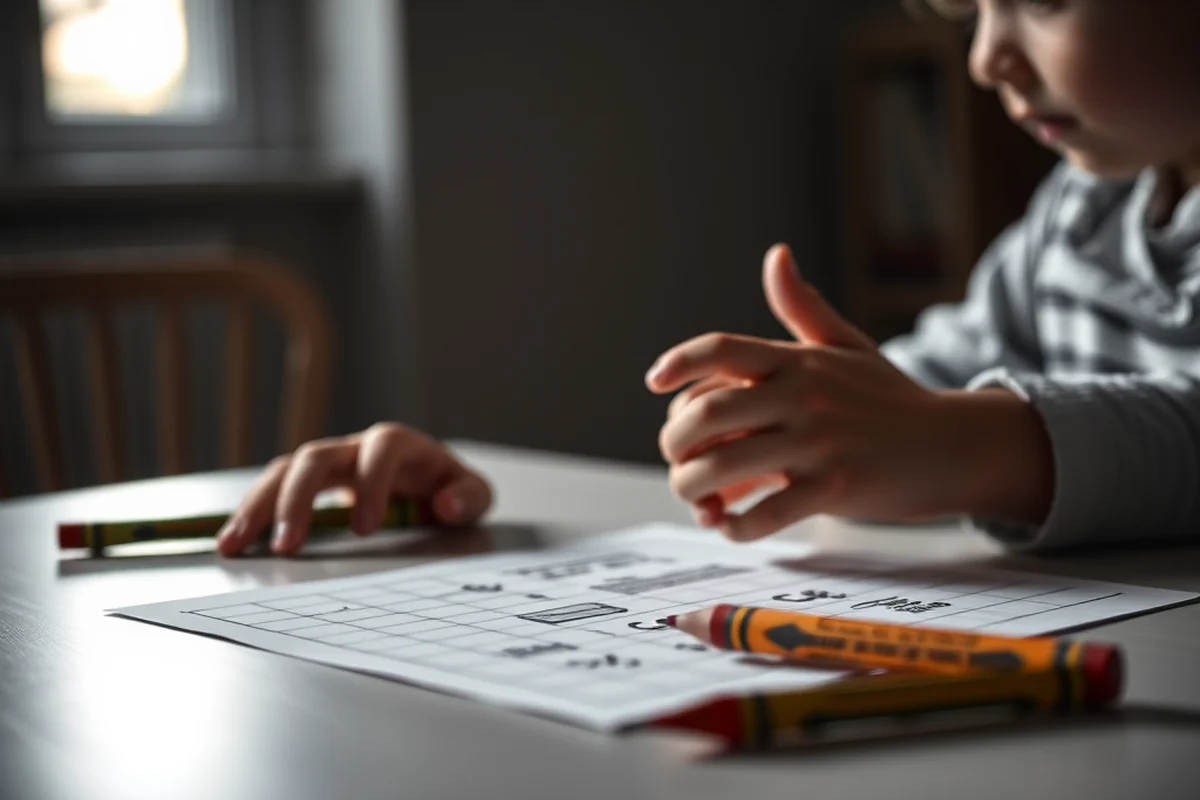
I've found that the most effective way to practice oral reading fluency is through consistent reading aloud — both by you and by your child. When I read aloud to my kids, I model proper pronunciation, pacing, and expression. Then I let them take turns reading, even if it's just one or two sentences at a time. It's important to be patient and allow them to read at their own pace.
I also use a variety of books — picture books, chapter books, and even poetry — to keep things interesting. This helps kids see that reading can be fun, not just a task. I've noticed that when we use books that my kids are interested in, they're more willing to read aloud and practice their fluency skills.
Another key is to give your child time to practice. I've learned that it's not about getting it right the first time; it's about building the habit. If my kids stumble or make mistakes, I encourage them to try again, and I always offer praise. This builds confidence and makes reading feel like a positive experience.
Reading aloud is the foundation of fluency — it's where it all begins.
Related: Can you teach cats to read
Related: How to teach reading without a curriculum
Related: Can you teach yourself to read
Related: All about reading curriculum
How to Model Good Reading Fluency for Your Child
When I read aloud to my children, I make a conscious effort to model good reading fluency. I don't just read the words — I read with expression, using my voice to bring the story to life. I pause at the right moments, use different tones for different characters, and make sure the words sound natural. This helps my kids understand that reading is not just about getting the words right; it's about making the words sound like real speech.
I also let my kids take turns reading, even if it's just one sentence. I never correct them harshly if they make a mistake. Instead, I encourage them to try again and model the correct way. This way, they learn without feeling pressured. It's important to remember that modeling is more about showing than telling.
By modeling good reading fluency, you're giving your child a clear example of what to aim for. It's one of the most powerful tools you can use to help your child develop this skill.
Vary your tone, pause for effect, and use your voice to make the story more engaging. This helps your child see how to read with expression.
“I still remember the day my son read his first full sentence aloud — not perfectly, but with enough confidence that I knew we were…”— Teaching Reading to Homeschoolers editors
Related: Can you teach dogs to read
The Role of Repetition in Building Oral Reading Fluency

Repetition is one of the most effective ways to build oral reading fluency. I've seen this work with my own kids — when they read the same book multiple times, they begin to read with more confidence and fluency. They learn the words, the rhythm of the sentences, and the expression that goes with them. This makes reading feel more natural over time.
I've also noticed that repetition helps kids internalize the language. When they read a book again, they're more likely to use the right tone, pause in the right places, and read with more expression. This is especially important for early readers who are still learning to recognize words.
Repetition also builds confidence. When a child reads a book multiple times, they start to feel proud of what they can do. This is a powerful motivator and helps them continue to practice and improve.
How to Encourage Your Child to Read Aloud
I've found that the best way to encourage my child to read aloud is by making it a fun and supportive experience. When I read with my child, I always make sure to praise their efforts, even if they're not perfect. I never correct them in a harsh way, but I do offer gentle guidance when needed. This helps them feel confident and more willing to read aloud in the future.
I also make reading aloud a regular part of our routine. Whether it's during breakfast, after school, or before bedtime, we always find time to read together. This helps my child see that reading is a fun and valuable activity that we enjoy doing together.
Another key is to let your child choose the books they want to read. When they're excited about a book, they're more likely to read aloud and practice their fluency skills. This makes the whole process more enjoyable and engaging for both of you.
The Importance of Listening and Giving Feedback
Listening is one of the most important parts of teaching oral reading fluency. When I listen to my child read aloud, I pay attention to how they're reading — their pace, their expression, and their accuracy. This helps me understand where they're doing well and where they might need more support. I also make a point to give them positive feedback when they do something right.
I've noticed that when my child reads with more confidence, they're more likely to read aloud and practice. This is why it's important to be a good listener and to offer encouragement. Even if they make a mistake, I let them know that it's okay — and that I believe in them.
Feedback is also important. When I hear my child read, I take note of any patterns or areas where they might be struggling. I use this information to help them improve over time. This is a key part of the process, and it's something that makes a real difference in a child's fluency skills.
Listening is the key to unlocking a child's fluency potential.
How to Track Progress in Oral Reading Fluency
I've found that tracking progress in oral reading fluency is an important part of the process. When I listen to my child read, I make a note of how they're doing — their accuracy, their expression, and their confidence. I also record their readings so I can see how they're improving over time. This helps me understand where they're doing well and where they might need more support.
I also celebrate small wins. When my child reads a book fluently for the first time, I make sure to acknowledge their effort. This helps them feel proud of themselves and motivates them to keep practicing. I've noticed that when kids feel like they're making progress, they're more likely to keep going.
Tracking progress also helps me adjust my teaching methods. If I see that my child is struggling with a particular book, I might choose a different one. This is a key part of the process, and it's something that makes a real difference in a child's fluency skills.
👶 Younger Kids (Ages 3-6)
Use picture books, repetition, and short sentences to build confidence and familiarity with reading.
👦 Older Kids (Ages 7-12)
Focus on longer texts, expression, and comprehension. Use audiobooks as a tool for modeling fluency.
📚 No-Prep Version
Use books you already have at home. No need for extra materials — just read aloud and listen.
👥 Group Reading
Get together with other homeschoolers for shared reading time. Encourage turn-taking and peer support.
✨ Extension Activity
Create a reading journal to track progress, reflect on improvements, and celebrate successes.
| The mistake | Why it happens | The fix |
|---|---|---|
| Correcting your child too harshly | This can make them feel embarrassed and less willing to read aloud in the future. | Be gentle with corrections and focus on praising their efforts. |
| Forcing your child to read too quickly | This can lead to mistakes and frustration, which can discourage them from reading aloud. | Let your child read at their own pace and avoid pushing them too fast. |
| Not providing enough time for practice | Fluency requires repetition and time to develop, so rushing through practice can limit progress. | Give your child consistent time to read aloud and practice their skills. |
| Using only workbooks for practice | Workbooks can be useful, but they don't always provide the same level of engagement as real books. | Use a mix of real books and workbooks to keep things interesting and varied. |
How To Teach Oral Reading Fluency
Common Questions
How long should I spend teaching oral reading fluency each day?
What if my child is too shy to read aloud?
How can I make reading aloud more fun for my child?
What should I do if my child is struggling with reading fluency?
References
- STATEWIDE REPORT - Alaska State Legislature (akleg.gov)
- PDF All Oral Reading Practice Is Not Equal or How Can I Integrate Fluency ... (files.eric.ed.gov)
- Best Practices Toolkit for Gifted Education (azed.gov)
- RCW 28A.300.310: - WA.gov (apps.leg.wa.gov)
Cite this guide
Teaching Reading to Homeschoolers (2026). How To Teach Oral Reading Fluency. https://homeschoolread.com/how-to-teach-oral-reading-fluency/
Feel free to cite or share this guide.