
What Is Reading Log Book

📖 Table of Contents
- What Exactly Is a Reading Log Book?
- Why Tracking Reading Progress Matters
- How to Create Your Own Reading Log Book
- The Benefits of a Reading Log Book for Homeschoolers
- How to Use a Reading Log Book in a Classroom Setting
- The Role of Parents in Encouraging Reading Through Log Books
- How to Make Reading Log Books More Engaging for Kids
- Make It Your Way
- Frequently Asked Questions
I remember the first time I saw my daughter sitting at the kitchen table with a small notebook and a pencil, scribbling down what she had just read. It was a simple exercise, but it sparked something in her — a sense of accomplishment, a feeling of ownership over her learning. That notebook was a reading log book, and it became an essential part of our homeschooling routine. A reading log book is more than just a list of books; it’s a tool that helps children track their progress, reflect on what they’ve read. Develop a lifelong love for reading.[1]
In our home, the reading log book transformed how we approached reading. It wasn’t just about finishing a book — it was about engaging with it, thinking about it, and even discussing it. I was amazed by how my child began to ask questions about characters, plot, and themes, all because she had a place to write down her thoughts. The log book became a bridge between her imagination and her growing vocabulary, and it was something we did together every single day.
A reading log book is not just for homeschoolers. It’s a powerful educational tool that can be used in classrooms, libraries, and even by independent learners. Whether you're a parent looking to support your child’s literacy journey or an educator aiming to enhance student engagement, a reading log book offers a structured, yet flexible approach to reading. It’s one of the few resources I’ve used that has made reading feel like a shared adventure — and that is something truly invaluable.
Why You'll Love This Reading Log Book
- It helps build reading habits and accountability
- It encourages reflection and comprehension skills
- It makes reading a shared and celebrated activity
- It provides a lasting record of your child's progress
What Exactly Is a Reading Log Book?
As of October 2026, a reading log book is a simple, yet powerful tool that allows children to document their reading experiences in a creative and structured way. It typically includes columns for the book title, the date, the number of pages read, and a space for notes or drawings. For younger children, it might be as simple as a sticker chart that they can fill in each time they finish a book.[2]
I created a version for my daughter with colored tabs for different genres, like fiction, nonfiction, and poetry. Each time she finished a book, she would write the title in the corresponding section and add a small drawing or comment about what she liked. It wasn’t just about tracking books — it was about making reading feel personal and meaningful.
I’ve seen parents use these books in different ways — some keep it as a daily habit, others use it for weekly check-ins. Either way, the key is that it’s tailored to the child, making the experience more engaging and encouraging.
For younger children, use a visual log with stickers or pictures. This makes tracking books more fun and less intimidating.
Part of our Reading strategies guide.
Why Tracking Reading Progress Matters
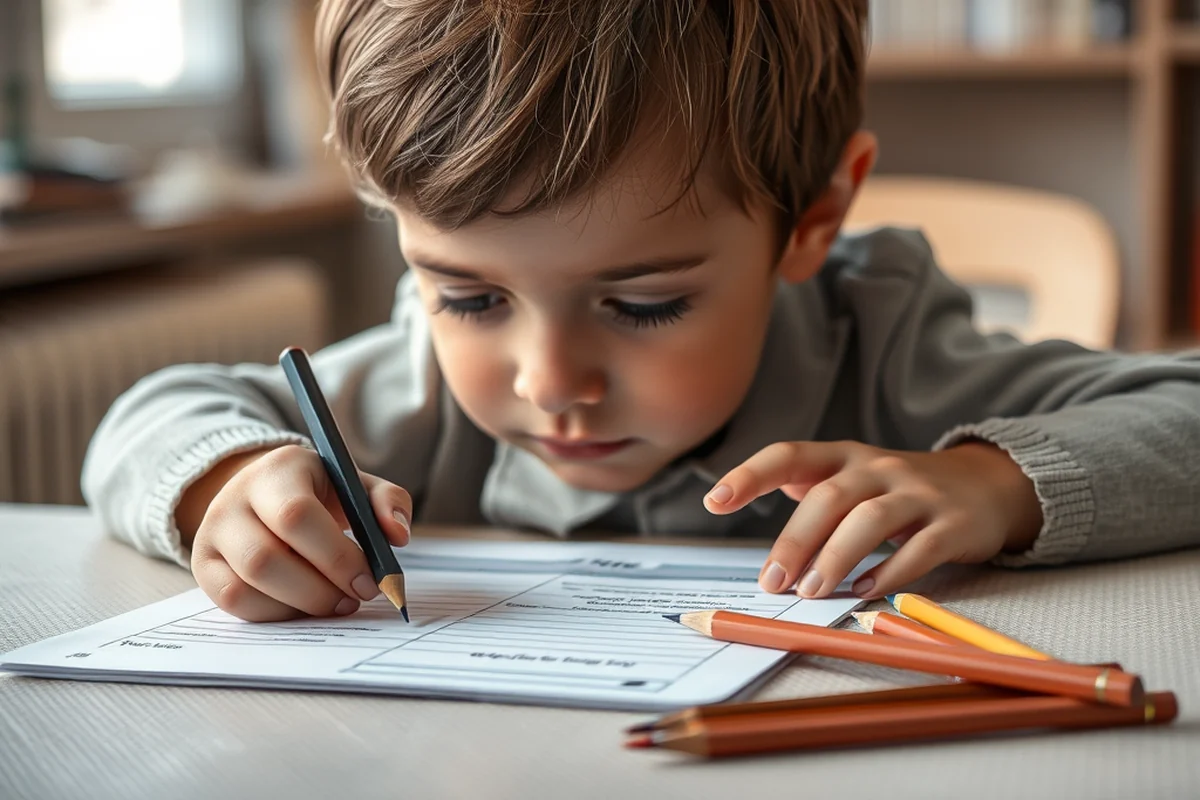
When I first started using the reading log book with my daughter, I noticed a shift in her attitude towards reading. She began to see it not just as a chore, but as a way to measure her own achievements. Every week, we would look at the books she had read and talk about her favorite parts, which helped her feel proud of her accomplishments.
I also noticed that she was reading more consistently. The act of writing down the book titles and dates gave her a sense of responsibility and made her more aware of the time she spent reading. It wasn’t just about the quantity of books — it was about the consistency and the reflection that came with it.
Over time, the log book became a way for her to see how far she had come. When she looked back at the pages from a few months ago, she could see how many more books she had read, and how much she had grown as a reader.
Tracking reading progress helps children see their growth and build a lifelong habit.
Related: The best reading glasses
How to Create Your Own Reading Log Book
I made my first reading log book with a simple notebook and some colored pens. I used a marker to create columns for the book title, the date, and notes. For my daughter, I added a section where she could draw pictures of her favorite characters or write down what she learned from the book.
There are also printable templates available online that you can download and print. Some even come with prompts to help kids think about what they read. I found one that had questions like, 'What was the most exciting part of the book?' and 'What did you learn from this story?'
You don’t need anything fancy to create a reading log book. The most important thing is that it feels personal and fun for the child. Whether you make it from scratch or download a printable, the goal is to make reading feel like a special and meaningful activity.
Including prompts like 'What did you learn from this book?' or 'What was your favorite part?' can help children think more deeply about what they read.
“I remember the first time I saw my daughter sitting at the kitchen table with a small notebook and a pencil, scribbling down what she…”— Teaching Reading to Homeschoolers editors
Related: Quotes about reading
The Benefits of a Reading Log Book for Homeschoolers
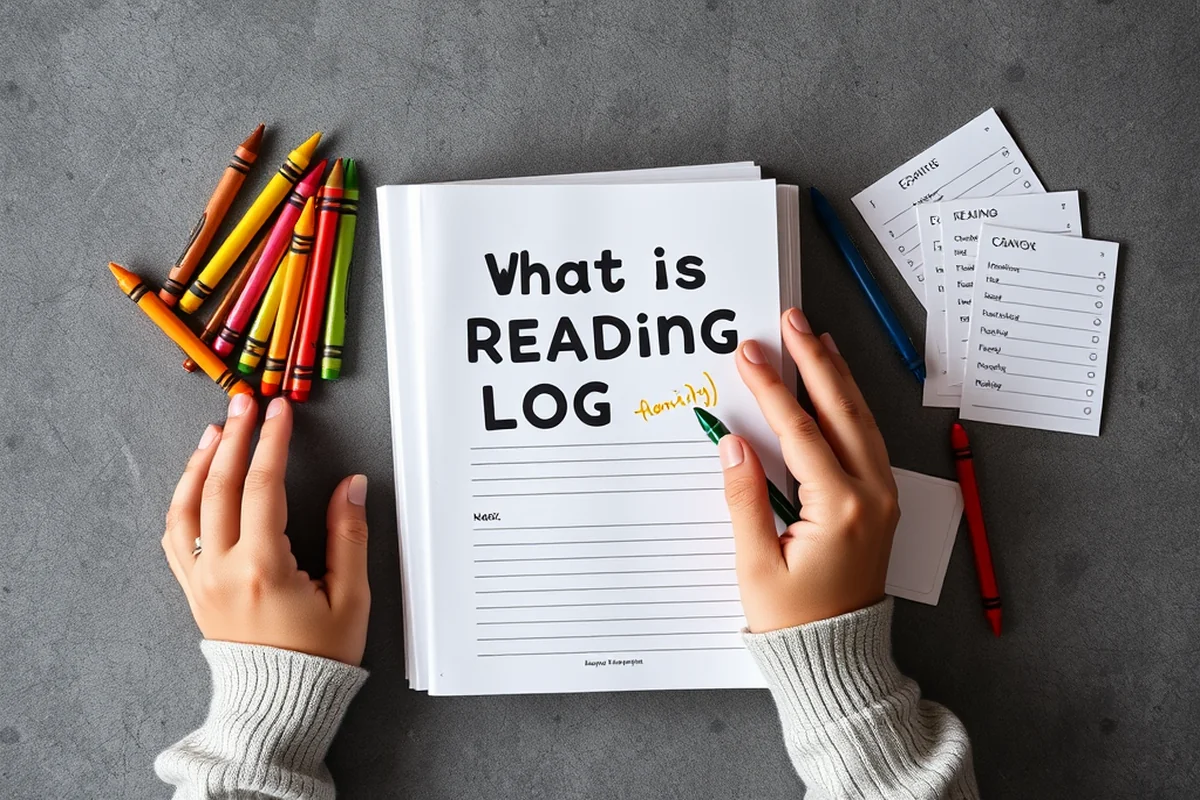
As a homeschooling parent, I quickly realized that a reading log book was one of the most useful tools I had. It helped me keep track of what my daughter was reading, how often she was reading, and what she was learning from each book. It gave me a clear picture of her progress and allowed me to adjust our reading plan as needed.
I also used the log book to set reading goals. For example, I would set a goal of reading five books in a month and check in with her each week to see how she was doing. It helped her stay on track and gave her a sense of accomplishment when she met her goals.
The log book also became a way for us to celebrate her progress. Every time she completed a book, we would take a picture of her log book and put it up on the wall. It was a simple way to make reading feel like an achievement worth celebrating.
Related: What is ar in reading level
How to Use a Reading Log Book in a Classroom Setting
I’ve seen teachers use reading log books in their classrooms with great success. One teacher I spoke with used a version that included prompts for group discussions and vocabulary building. Each week, students would write down the books they had read and answer a few questions about the story, which helped them practice comprehension and critical thinking skills.
Another teacher used the log book as a way to encourage students to read across different genres. She had a section for each genre, and students would earn a sticker each time they completed a book in that category. This helped her students become more familiar with a variety of texts and genres.
In a classroom setting, the reading log book can be a powerful tool for fostering a love of reading. When students see their own progress and feel a sense of accomplishment, they are more likely to continue reading and developing their literacy skills.
Related: Kindle online reader
The Role of Parents in Encouraging Reading Through Log Books
I found that being involved in my daughter’s reading journey was one of the most rewarding parts of using the log book. I made it a habit to look at the log book with her each week and ask her about the books she had read. This not only helped her reflect on what she had learned, but it also gave me a chance to talk about the stories and characters with her.
I also used the log book as a way to set reading goals together. We would talk about what she wanted to read next and set a goal of reading a certain number of books in a month. I would check in with her each week to see how she was doing and celebrate her progress when she met her goal.
Being involved in the process helped my daughter see reading as a shared activity and made her feel more motivated to keep reading. It was a simple way for us to connect and support each other in our learning journeys.
Parents can be a powerful support system in helping children develop a love for reading.
Related: What is reading in cinema
How to Make Reading Log Books More Engaging for Kids
I’ve tried different ways to make the reading log book more engaging for my daughter, and one of the most effective was incorporating games and activities. For example, we created a 'book hunt' where she would look for specific words or characters in the books she read and write them down in the log book.
I also used the log book as a way to play a guessing game. I would write down a book title and a few clues about the story, and my daughter would have to guess what the book was. This made the log book feel more like a game and kept her interested in the process.
Another idea is to use the log book as a way to create a 'reading map.' We would draw a map and mark where she had read books about different places in the world. It was a fun way to make reading feel like an adventure and kept her excited about reading.
📚 Younger Kids Version
A simplified version with pictures, stickers, and prompts for preschoolers and early readers.
✍️ Older Kids Version
A more detailed version with prompts for reflection, comprehension, and vocabulary building for older children.
📄 No-Prep Version
A ready-to-use log book with pre-printed pages and minimal supplies needed to get started.
👥 Group Version
A version designed for group use in classrooms or reading circles, with prompts for discussion and collaboration.
🔍 Extension Version
A version that includes extension activities like book reports, drawing prompts, and vocabulary exercises.
| The mistake | Why it happens | The fix |
|---|---|---|
| Using the log book as a form of punishment. | Using the log book as a form of punishment can create negative associations with reading. | Use the log book as a fun and engaging way to track progress, and avoid using it as a form of punishment. |
| Not checking in with the child regularly to see how they are using the log book. | Not checking in with the child regularly can make it difficult to see if they are benefiting from the log book. | Check in with the child regularly to see how they are using the log book and offer support and encouragement. |
| Not celebrating the child's progress in the log book. | Not celebrating the child's progress can make it difficult for them to see the value of reading and using the log book. | Celebrate the child's progress with small rewards, praise, and positive reinforcement. |
What Is Reading Log Book
Common Questions
How often should a child use a reading log book?
Can a reading log book be used with any type of book?
What if a child doesn't want to write in the log book?
How can I help my child stay motivated to use the log book?
References
- South Dakota Early Learning Guidelines (dss.sd.gov)
- Parent–child shared book reading challenges and facilitators - PMC (pmc.ncbi.nlm.nih.gov)
Cite this guide
Teaching Reading to Homeschoolers (2026). What Is Reading Log Book. https://homeschoolread.com/what-is-reading-log-book/
Feel free to cite or share this guide.
Reading Skills Checklist
Stage-filtered phonics and reading skills checklist for homeschool parents.
Open it free →