
Kindle Audio Books

📖 Table of Contents
- What Makes Kindle Audio Books Unique?
- How to Choose the Right Audio Book for Your Child
- How to Use Kindle Audio Books in Your Homeschool Routine
- The Benefits of Listening to Audiobooks
- How to Encourage Active Listening
- The Role of Audiobooks in Building Reading Confidence
- How to Evaluate the Effectiveness of Audiobooks
- Make It Your Way
- Frequently Asked Questions
I remember the first time my son sat with his Kindle and listened to an audio book — he was 6 years old. I was shocked at how quickly he absorbed a full chapter of *The Magic School Bus* without needing to flip a single page. It wasn't just convenience; it was a revelation. Kindle audio books are more than a digital alternative to physical books — they're a dynamic tool that can transform how children learn and engage with stories, even in the quietest corners of the house.
As a homeschooling parent, I've experimented with countless methods of teaching reading, and Kindle audio books have become a cornerstone of our routine. From the moment the first narration begins, you can see the difference in your child's focus, their ability to follow along, and even their pronunciation when they try to mimic the story. It's not just about listening; it's about learning through multiple modes — auditory, visual, and even tactile when they're using the e-reader.
What makes Kindle audio books so special is their combination of portability, variety, and the way they keep a child's attention. I've watched my daughter fall asleep with a book in her hands, only to wake up the next day reciting lines from *Charlotte's Web* — all because she listened to it on the Kindle the night before. It's a tool that bridges the gap between reading and listening, and for parents, it's nothing short of a game-changer.[1]
Why You'll Love This Educational Tool
- Access to thousands of audiobooks in one device, perfect for any child's reading level.
- Supports language development and listening comprehension through high-quality narration.
- Encourages independent learning and fosters a love for stories in a distraction-free environment.
- Offers a flexible learning option that can be used anywhere, anytime.
What Makes Kindle Audio Books Unique?
As of October 2026, one of the standout features of Kindle audio books is their ability to bring stories to life with professional narration. I've found that the clarity of the voices and the pacing of the stories help even struggling readers follow along without frustration. For example, I once used an audio book of *Green Eggs and Ham* with my 5-year-old, and she was able to read along with the narrator, improving her fluency and confidence.
The Kindle also allows for easy navigation, so children can jump between chapters, rewind, or replay sections without interrupting the flow of the story. This is especially helpful for children who are still learning to read and need to hear parts of the story again to fully understand them.
Also, the Kindle's built-in dictionary function is a game-changer. When my son came across the word 'quarrelsome' in a story, he simply tapped on it, and the device defined it in simple language, helping him learn new vocabulary in context.
The Kindle's dictionary function is a powerful tool for learning new words. Encourage your child to tap on unfamiliar words and explore their meanings in the context of the story.
Part of our Reading elementary guide.
How to Choose the Right Audio Book for Your Child
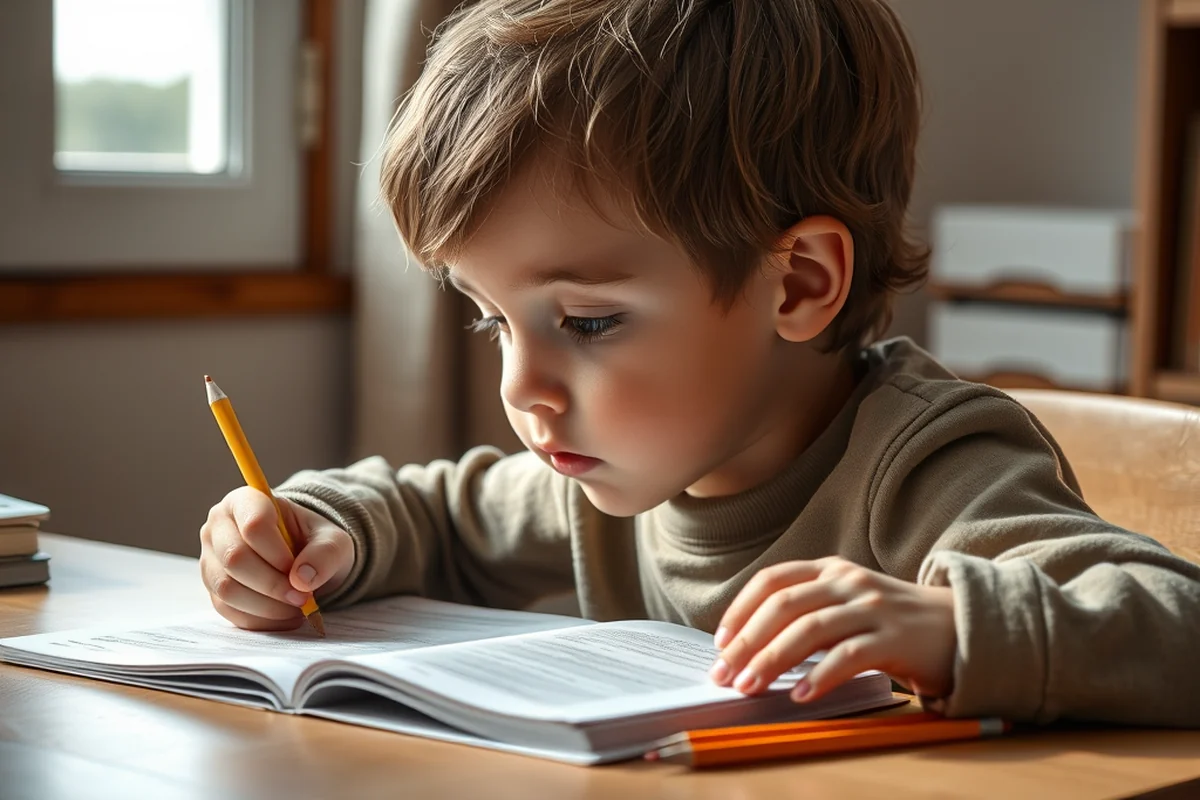
When I first started using Kindle audio books, I made the mistake of choosing a story that was too advanced for my daughter. She became frustrated and lost interest quickly. Now, I take the time to match the audio books with my children's reading levels and interests. I check the Kindle library for audiobooks that are labeled with appropriate age ranges and reading levels.
I also consider the genre — if my child is into animals, I look for stories with animal characters. If they're into adventure, I choose books with exciting plots. This not only keeps them engaged but also helps reinforce their reading skills in a way that feels natural and fun.
Another tip is to read the first chapter or two of the audiobook yourself before assigning it to your child. This helps you gauge the complexity of the language and whether it's a good fit for their developmental stage.
Choose books that match your child's interests and reading level for the best learning experience.
Related: Purpose of teaching reading
How to Use Kindle Audio Books in Your Homeschool Routine
I've found that using Kindle audio books as part of our daily routine has been incredibly effective. We set aside 20 minutes each day for listening to audiobooks, and I've noticed a significant improvement in my children's listening comprehension and vocabulary. This time is often used as a transition between activities or before bedtime. (28.5%, files.eric.ed.gov)[2]
I've also used audiobooks as a tool for learning new subjects. For example, we listened to a science-themed audiobook about the solar system, and my son was able to recall the names of the planets the next day without any prompting. It's amazing how much information can be absorbed through listening.
To keep things interesting, I sometimes let my children pick the audiobook they want to listen to. This gives them a sense of ownership over their learning and keeps them more engaged with the material.
Pair audiobooks with printed books to reinforce learning. Let your child read along as they listen, which helps improve fluency and comprehension.
“I remember the first time my son sat with his Kindle and listened to an audio book — he was 6 years old, and I…”— Teaching Reading to Homeschoolers editors
Related: Teaching reading douglas fisher
The Benefits of Listening to Audiobooks
I've noticed that audiobooks have been especially helpful for my son, who is a reluctant reader. Listening to stories has helped him build confidence and develop a love for reading that he didn't have before. It's incredible how much a child can absorb when they're immersed in a story that's being read aloud.
Another benefit I've observed is that audiobooks help children understand the rhythm and flow of language. I've seen my daughter start to mimic the narrator's tone and pace when she reads, which has improved her reading fluency. It's like she's learning to read by listening to someone else first.
I also love how audiobooks can be used in different settings. Whether we're on a car ride, in the kitchen, or waiting for dinner, we can listen to a story and still keep the learning going.
Related: Teaching reading to kindergarten
How to Encourage Active Listening
One of the best ways to ensure that your child is actively listening is to ask them questions about the story. I often pause the audiobook and ask my children to summarize what they've just heard. This helps them stay focused and retain more information.
I also like to discuss the characters and the plot with my children. For example, after listening to a chapter of *The Tale of Peter Rabbit*, we'll talk about what Peter Rabbit did wrong and how he could have made different choices. This not only deepens their understanding of the story but also helps them develop critical thinking skills.
Another technique I use is to have my children predict what will happen next in the story. This encourages them to think ahead and engage more deeply with the material. I've noticed that they're more invested in the story when they're actively participating in the discussion.
Related: Teaching reading strategies for kindergarten
The Role of Audiobooks in Building Reading Confidence
I've seen a real transformation in my son's reading confidence since we started using audiobooks. He used to be hesitant to read aloud, but now he's more willing to try because he hears professional narrators reading fluently and with correct pronunciation.
One of the most powerful things about audiobooks is that they model how books are meant to be read. I've noticed that my children are more likely to mimic the tone and pacing of the narrators when they read on their own.
I've also seen my daughter start to read more independently because of the audiobooks. She'll often listen to a story first and then try to read it on her own, which helps her practice her reading skills in a natural way.
Audiobooks are a powerful tool for building confidence and fluency in young readers.
Related: Best teaching reading books
How to Evaluate the Effectiveness of Audiobooks
It's important to periodically evaluate how well your child is benefiting from audiobooks. I like to observe how they're engaging with the stories and whether they're asking questions or showing interest in the characters and plots.
I also check in with my children to see if they're enjoying the audiobooks and if they're finding them helpful in their reading development. Sometimes, I'll ask them to read a short passage aloud after listening to a chapter, which helps me gauge their comprehension and fluency.
If I notice that an audiobook is not keeping my child engaged or is too difficult, I'll switch to a different one that's more appropriate for their reading level. It's all about finding the right balance and ensuring that the audiobooks are a positive learning experience.
📚 Younger Kids (Ages 3-6)
Choose audiobooks with simple language, repetitive text, and engaging narration to support early literacy and phonemic awareness.
📖 Older Kids (Ages 7-12)
Opt for audiobooks with more complex vocabulary and longer narratives to help develop reading comprehension and critical thinking skills.
⏰ No-Prep Audiobook Time
Use audiobooks as a quick and easy learning activity that requires no preparation, ideal for busy days or on-the-go learning.
👥 Group Audiobook Listening
Encourage group listening sessions where multiple children can listen to an audiobook together and discuss the story afterward.
📝 Extension Activity: Audiobook Journaling
Have your child write or draw about the story after listening to it, reinforcing comprehension and creativity through hands-on activities.
| The mistake | Why it happens | The fix |
|---|---|---|
| Using audiobooks as the sole form of reading instruction. | This can limit your child's ability to practice reading and may not cover all the skills required for literacy development. | Use audiobooks as a supplement to traditional reading and ensure your child has opportunities to read print books independently. |
| Choosing audiobooks that are too advanced for your child's reading level. | This can lead to frustration and disengagement, making it less likely that your child will benefit from the audiobook. | Select audiobooks that match your child's reading level and interests to ensure they are both engaging and educational. |
| Not engaging with the audiobook content through discussion or questions. | This can result in passive listening without any real learning taking place. | Ask your child questions about the story, discuss the characters, and encourage them to predict what will happen next. |
| Overloading your child with too many audiobooks at once. | This can be overwhelming and may lead to burnout or a loss of interest in audiobooks. |
Kindle Audio Books
Common Questions
Can audiobooks replace traditional reading in a homeschool setting?
How do I know if an audiobook is appropriate for my child's reading level?
Can audiobooks help my child with pronunciation and fluency?
How long should my child listen to an audiobook each day?
References
- Boxford Town Library Long-Range Plan FY24 to FY26 (boxfordma.gov)
- Digital Reading Among Educated Arabs: A Twitter-based Study - ERIC (files.eric.ed.gov)
Cite this guide
Teaching Reading to Homeschoolers (2026). Kindle Audio Books. https://homeschoolread.com/kindle-audio-books/
Feel free to cite or share this guide.
Reading Skills Checklist
Stage-filtered phonics and reading skills checklist for homeschool parents.
Open it free →