
What Is The First Step To Teaching Reading
📖 Table of Contents
I remember the exact moment I realized I needed to teach my daughter how to read. She was three, and while she could count to 20 and sing the alphabet, the word 'cat' on a picture book was just a shape to her. That moment was humbling, but it also opened my eyes to the first step in teaching reading — listening, observing, and creating an environment rich with language. It wasn’t about flashcards or phonics drills yet, but about showing her that words are everywhere, and that reading is a way to connect with the world.[1]
Teaching reading is not a linear path, and the first step isn’t always obvious. I’ve seen so many parents rush into phonics, sight words, and flashcards, but the real magic begins with building a foundation of curiosity and engagement. That first step is often about making reading a fun and natural part of daily life, not a structured lesson. I learned this the hard way when I tried to introduce phonics before my daughter was ready, and it left her frustrated and disinterested.
Now, I know that the first step to teaching reading is about immersion, connection, and patience. It’s about reading aloud, pointing out letters, and showing that books are a source of joy. I remember the day my daughter looked up from a picture book and said, 'Mama, that’s a word!' I didn’t have a lesson plan ready. I knew I had taken the first step. That moment was the start of a journey that would change her life, and mine, forever.
Why You'll Love This First Step
- It builds a love for reading from the very beginning.
- It creates a foundation for future learning and language development.
- It allows children to explore and learn at their own pace.
- It makes learning feel natural and joyful, not forced.
Why Immersion Is The First Step
As of August 2026, I never realized how powerful immersion could be until I started reading to my daughter every day, even during grocery shopping. Books became a part of our routine, and I noticed that she began to recognize familiar words and even mimic the sounds I made. It wasn’t structured, but it was effective. Studies show that children who are read to regularly are more likely to develop early reading skills, and this was my first real lesson in the power of immersion.[2]
I used to worry about whether we were doing enough, but I quickly learned that it didn’t take much. We would read for 10 minutes a day, sometimes just looking at the pictures and talking about them. Over time, she began to point out the same words and ask questions about the stories. It wasn’t about teaching her to read — it was about showing her that reading was something she could do with me, and that it was fun.[3]
The first step is not about phonics or flashcards — it’s about creating a space where reading is a part of life. I still remember the day she said, 'I want to read that book too!' That was the moment I knew we had taken the first step, and that it was working.
Set aside 10 minutes a day to read together. Use the same time every day, like right after breakfast or before bed. This creates a habit and shows your child that reading is a natural and important part of life.[4]
Part of our Reading elementary guide.
The Power of Shared Reading
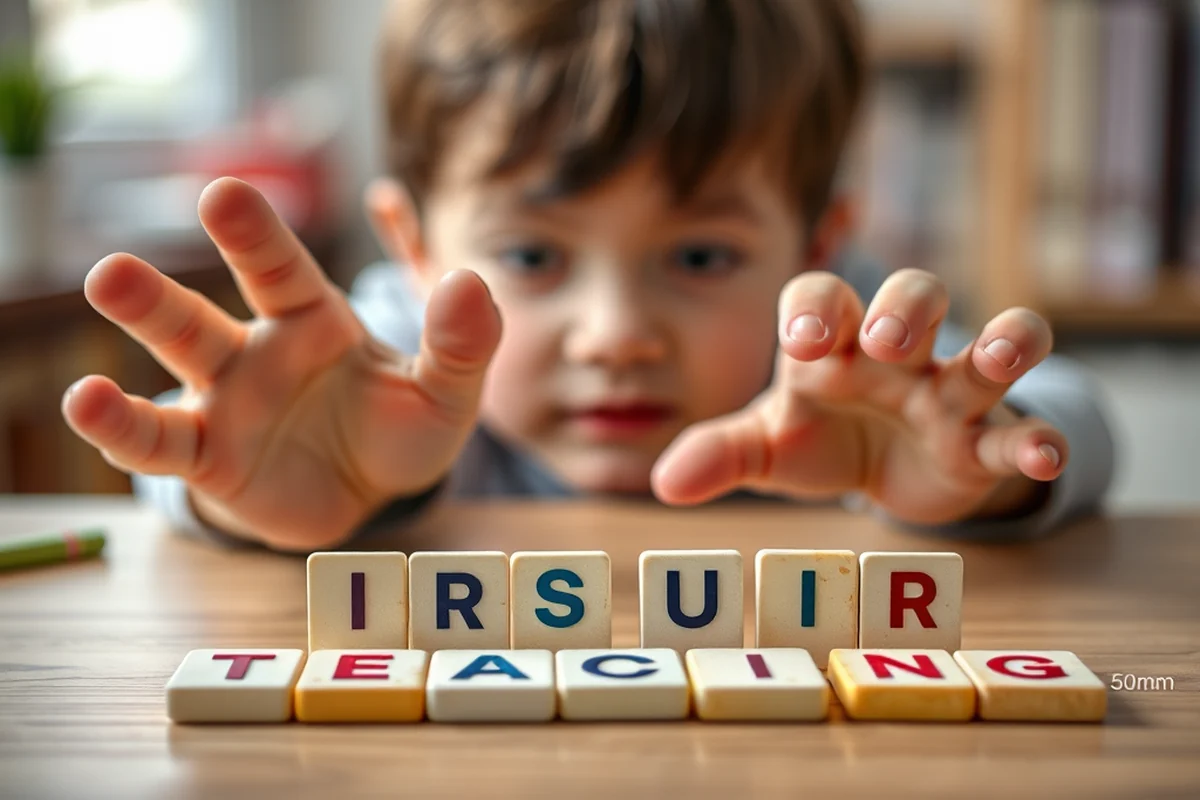
Shared reading is more than just reading a book aloud. It’s about engaging with your child, pointing out letters, and asking questions. I remember reading 'Brown Bear, Brown Bear, What Do You See?' with my daughter, and she was so excited when she saw the word 'bear' again. We would stop and point it out, and she would repeat it with me. It was a simple activity, but it built her confidence and curiosity.
I also made sure to ask open-ended questions like, 'What do you think will happen next?' or 'Why do you think the bear is looking at the elephant?' These questions helped her think critically and build comprehension skills. Shared reading also allows you to model how to read, and that’s an important part of the first step in teaching reading.
Shared reading isn’t just about the words on the page — it’s about the connection you build with your child. When you read together, you’re not just teaching them to read — you’re teaching them that reading is something they can do with you, and that it’s something they can enjoy.
Shared reading is where the magic begins.
Related: Teaching reading grade 4
Related: Teaching reading elementary
Related: Teaching reading esl
Related: Teaching reading sourcebook
Related: Teaching reading tips
The Role of Conversation in Early Literacy
Before my daughter could read, we talked about everything. I would describe what we saw, ask her questions, and encourage her to share her thoughts. I never realized how important this was until I saw studies showing that children who have rich language environments at home develop stronger reading skills. That made me realize that our conversations were just as important as our reading time.[5]
I started asking her more questions and encouraging her to explain what she saw or felt. We would talk about the pictures in books, and I would ask her to describe them in her own words. This helped her build vocabulary and comprehension skills, which are essential for reading. It was a simple change, but it had a big impact on her development.
Now I know that the first step to teaching reading is not just about books — it’s about conversation. When you talk with your child, you’re building the language skills they need to understand and enjoy reading. That’s the real power of the first step.
Have conversations with your child every day. Ask them questions about what they see, feel, and think. This builds language skills and prepares them for reading. Even simple conversations like 'What do you see in this picture?' can make a big difference.
“I remember the exact moment I realized I needed to teach my daughter how to read.”— Teaching Reading to Homeschoolers editors
Why Picture Books Are Essential
I used to think picture books were just for babies, but I quickly learned that they’re some of the most powerful tools for teaching reading. Picture books help children see the relationship between words and images, and they make reading more engaging and fun. My daughter loved books like 'Where’s Waldo?' and 'The Very Hungry Caterpillar' because she could point to the pictures and find the words she recognized.
Picture books also allow children to practice making predictions and asking questions. I loved reading 'The Very Hungry Caterpillar' with my daughter because we would point to the holes and talk about what the caterpillar was eating. It was a simple activity, but it helped her build early literacy skills.
Picture books are a great first step in teaching reading because they make the process visual and interactive. When you read picture books with your child, you’re not just teaching them to read — you’re helping them see that reading is a part of their world. That it’s something they can enjoy.
The Importance of Repeated Reading
I used to read the same book over and over, and I didn’t realize how important that was until I saw my daughter start to recognize the words on her own. Repeated reading helps children build familiarity with words and makes reading feel easier and more enjoyable. I remember reading 'Brown Bear, Brown Bear, What Do You See?' to my daughter every day for weeks, and she eventually started saying the words without me.
Repeated reading also helps children build confidence. When they see the same words again and again, they feel more prepared to read them on their own. I loved seeing my daughter look up from the book and say, 'I know that word!' It was a small victory, but it made me realize the power of repetition in teaching reading.
Now I know that the first step to teaching reading is not about moving on to the next book — it’s about staying with the same book and reading it again and again. That’s how children learn to recognize words, and that’s how they build the confidence they need to read on their own.
Why Play Is a Natural Part of the First Step
I used to think that play was just for fun, but I quickly realized that it was one of the most important parts of teaching reading. When my daughter played with letter blocks, she was learning without even realizing it. She would stack the letters and say the sounds they made, and I would encourage her to make words. It was a simple activity, but it helped her build phonemic awareness in a natural way.
Play also helps children build confidence and curiosity. When they’re playing, they’re not worried about getting it right — they’re just exploring and having fun. I remember the day my daughter made the word 'cat' with her letter blocks and said, 'I did it!' That was a huge moment for her. It showed me the power of play in the first step of teaching reading.
Now I know that the first step to teaching reading is not just about books and conversation — it’s about play. When you let your child explore and discover through play, you’re helping them learn in a way that feels natural and joyful.
Play is where learning becomes fun.
The First Step: A Real-Life Example
I know a parent who started reading to her child every night before bed. At first, it was just a few minutes, and the child would look at the pictures and point them out. Over time, the child began to recognize words, and the parent started reading more complex books. The first step was simple — reading together every night, and it built a foundation for lifelong learning.
Another parent shared that they made reading a part of their daily routine by reading in the car, at the park, and even during meals. They didn’t have a lesson plan, but they made sure that reading was a part of their child’s life. Over time, the child began to recognize words and even asked to read on their own.
The first step to teaching reading is not about a strict lesson plan or a complicated curriculum — it’s about making reading a part of your child’s life. Whether it’s reading together every night or making reading a part of your daily routine, the first step is about building a connection and showing your child that reading is something they can enjoy.
👶 Younger Kids (Ages 2-4)
Use picture books, letter blocks, and simple repetitive stories to introduce reading. Focus on interaction and play.
👧 Older Kids (Ages 5-8)
Introduce chapter books, more complex vocabulary, and encourage independent reading time. Ask open-ended questions to build comprehension.
📚 No-Prep Version
Read together from any book you have at home. No need for special materials — just time and connection.
👥 Group Version
Gather a group of children and take turns reading aloud. Encourage discussion and interaction to build engagement.
🔍 Extension Activity
Create a word hunt around the house. Ask your child to find objects that start with specific letters or words.
| The mistake | Why it happens | The fix |
|---|---|---|
| Starting with too much structure too early. | Children learn best through play and interaction, not through rigid lessons and phonics drills. | Start with shared reading, conversation, and play. Let your child explore and discover through natural interactions. |
| Ignoring the power of conversation. | Conversation is a key part of early literacy, but it’s easy to overlook it in favor of structured reading time. | Make sure to have conversations with your child every day. Ask questions, encourage them to share their thoughts, and build language skills. |
| Rushing into phonics before your child is ready. | Phonics is an important part of reading, but it’s not the first step. Rushing into phonics can overwhelm your child and make reading feel like a chore. | Start with shared reading, picture books, and conversation. Phonics can come later, once your child has a foundation of language and engagement. |
| Not making reading a part of daily life. | Reading needs to be a natural part of your child’s life for them to develop a love for it. | Make sure to read with your child every day, even if it’s just for a few minutes. Let reading become a part of your routine. |
What Is The First Step To Teaching Reading
Common Questions
What if my child is too young for reading?
How long should I spend reading with my child each day?
What if my child doesn’t seem interested in reading?
Can I teach reading without formal lessons?
Cite this guide
Teaching Reading to Homeschoolers (2026). What Is The First Step To Teaching Reading. https://homeschoolread.com/what-is-the-first-step-to-teaching-reading/
Feel free to cite or share this guide.
References
- What Is the Science of Reading? | School of Education (american.edu)
- 7 Tips for Teaching Reading in ESL Classes - Bridge (bridge.edu)
- When students don't do the reading (and what we can do about it) (citl.news.niu.edu)
- Methods of Teaching Reading - Liberty University (digitalcommons.liberty.edu)
- Reading Comprehension: Strategies for Elementary and Secondary ... (digitalshowcase.lynchburg.edu)