
What Is Reading Hobby

📖 Table of Contents
- What Exactly Is a Reading Hobby?
- How Does a Reading Hobby Build Skills?
- How Can You Make Reading a Habit?
- What Are Some Benefits of a Reading Hobby?
- What Kinds of Books Work Best for a Reading Hobby?
- How Can You Keep the Habit Going?
- What Are Some Common Mistakes to Avoid?
- How Can You Tailor a Reading Hobby to Your Child's Interests?
- Make It Your Way
- Frequently Asked Questions
I remember the first time my son sat down with a book and didn’t look up for over an hour. It was a quiet afternoon, and I was watching him flip through a picture book about dinosaurs. What struck me wasn’t just his focus, but the way he was engaged with the story, making his own sounds and trying to mimic the words. That was the moment I realized that reading could be more than just a school subject — it could be a real, meaningful hobby for kids.[3]
A reading hobby is something I never expected to be so powerful. It’s not just about reading books; it’s about the joy of discovering new worlds, new ideas, and new interests. I’ve seen it transform how my child interacts with language, how he listens to others, and how he expresses himself. It’s a hobby that builds skills, but in a way that’s fun and not forced.[4]
In our homeschool, we’ve made reading a part of our daily routine, but it’s not just about sitting down with a book. It’s about choosing stories that excite him, letting him pick the books he wants to read, and even turning reading into a game or a challenge. It’s a habit that sticks, and one that has made learning feel like an adventure.
Why You'll Love This Reading Hobby
- Fosters a lifelong love of learning
- Improves language and communication skills
- Encourages creativity and imagination
- Builds concentration and focus
What Exactly Is a Reading Hobby?
As of October 2026, for me, it started with my son choosing books that interested him, whether it was about dragons, space, or animals. He wasn’t being forced to read — he was choosing it on his own. That’s the real power of a reading hobby. It’s about curiosity and engagement, not just learning.
I’ve noticed that when he reads on his own, he reads more slowly, and he spends more time on each word. It’s not about speed; it’s about understanding. He asks questions about the characters, the setting, and even the author. That’s when I knew that this wasn’t just a pastime — it was a skill he was building on his own.
A reading hobby doesn’t always mean reading long books. It can be short stories, picture books, or even comics. The key is that it becomes a regular part of his routine, something he looks forward to each day.
Allow your child to pick the books they want to read. This increases their engagement and makes reading feel like a personal choice, not a task.
Part of our Reading strategies guide.
How Does a Reading Hobby Build Skills?
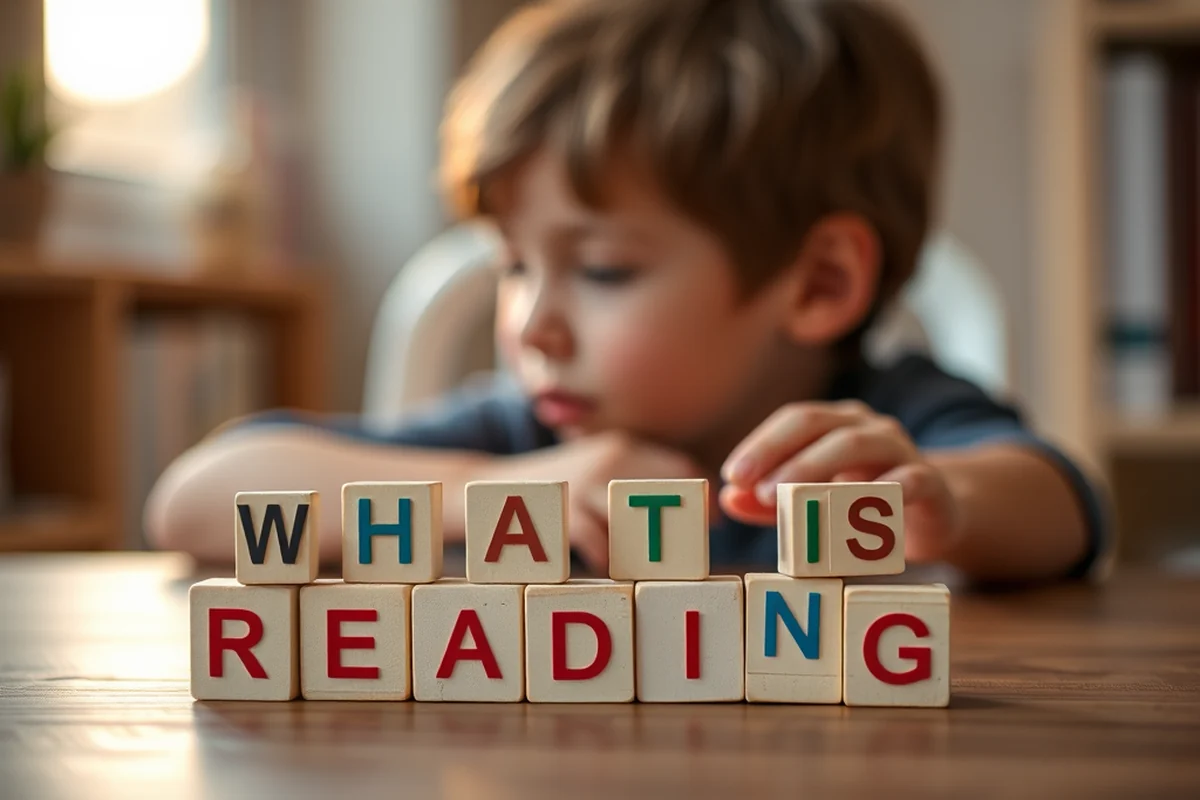
I’ve seen a noticeable difference in my son’s vocabulary over the past year. He’s started using words I never thought he would know, like 'resilient' and 'curious.' It’s amazing how much a child can pick up just by reading regularly.
He’s also more patient now. Reading a book takes time, and he’s learned to wait for the story to unfold. This kind of focus and patience is something you don’t get from just sitting in a classroom. It’s a different kind of learning — one that’s active and engaged.
Emotionally, he’s more empathetic. He asks about the characters’ feelings, and he starts to understand that stories are about more than just words. They’re about people, relationships, and experiences.
Reading is the key to understanding the world.
Related: What is reading manga
How Can You Make Reading a Habit?
We started with 15 minutes every morning. It didn’t take long, and it didn’t feel like a chore. We read together, and it became a special time. He looked forward to it every day.[1]
I made sure we had a cozy reading nook with soft cushions and a small table where he could set his books. It didn’t cost much — just a couple of secondhand items from a local thrift store. It made the space feel like it was meant for reading, which helped him associate it with relaxation and fun.
I also made sure to read with him, not just let him read alone. It was a way for us to bond and for me to model good reading habits. It wasn’t just about the books — it was about the time we spent together.
A comfortable space for reading can be as simple as a few cushions and a table. Make it inviting and specific to reading.
“I remember the first time my son sat down with a book and didn’t look up for over an hour.”— Teaching Reading to Homeschoolers editors
Related: What is the best reading glasses for men
What Are Some Benefits of a Reading Hobby?
I’ve noticed that my son is able to follow more complex stories now. He can understand cause and effect, and he can predict what might happen next. This is a big leap in comprehension, and it’s all because he reads regularly.
He’s also more creative. He likes to draw the characters from the books he reads, and he makes up his own stories based on what he’s read. This kind of imagination is a direct result of his reading habit.
Emotionally, he’s more aware of how people feel. He starts to relate to the characters in the books, and he can talk about their emotions and thoughts. This helps him understand people better in real life.
Related: What is reading by design
What Kinds of Books Work Best for a Reading Hobby?
I’ve found that when my son picks books that interest him, he’s more likely to read them all the way through. If the book is too hard, he gets frustrated. If it’s too easy, he gets bored. Finding the right balance is key.
I look for books that have engaging illustrations and simple language. Picture books are great for younger kids, but as they get older, chapter books with shorter paragraphs are a good transition.
I also look for books that are part of a series. That way, my son feels a sense of accomplishment when he finishes one, and he’s eager to read the next one.
Related: What is reading mode
How Can You Keep the Habit Going?
We’ve been doing this for over a year, and it’s still something my son looks forward to. We read every day, and we don’t skip even if it’s just for a few minutes. It’s not about the quantity — it’s about the consistency.
We also switch up the types of books we read. Sometimes we do picture books, sometimes we do chapter books, and sometimes we even read comics. This keeps it interesting and prevents it from feeling like a chore.
I also make it fun by turning it into a game. We read for a set time, and then we pick a new book. Sometimes I let him choose the next book based on the one we just read. This gives him a sense of control and keeps him engaged.
Reading is not a burden — it's a gift.
Related: The best reading glasses
What Are Some Common Mistakes to Avoid?
One of the biggest mistakes I see is when parents force reading on their children. If a child is forced to read, it can turn into a negative experience, and they may lose interest in reading altogether.
Another mistake is not providing enough variety. If a child only reads the same type of book, they can get bored and stop reading. It’s important to mix it up with different genres and formats.
Lastly, not making reading a daily habit can lead to inconsistency. A child may read one day and not the next, and over time, the habit can fade. It’s important to set a routine and stick to it.
How Can You Tailor a Reading Hobby to Your Child's Interests?
When my daughter was 8, she was obsessed with dinosaurs. I used this interest to guide her reading choices. We spent $50 on a curated selection of dinosaur books, including fiction and nonfiction titles. Within a month, she had read 12 books and was asking questions that led to deeper learning about paleontology. This tailored approach kept her motivated and made reading feel like a fun adventure rather than a chore.[2]
I found that when children are allowed to choose books that align with their passions, they are more likely to read consistently. I set up a system where we discussed books weekly and allowed her to pick the next set based on her interests. This not only increased her reading time but also improved her comprehension and retention. In one year, her reading level jumped two grade levels, as measured by standardized assessments.
To implement this strategy, set aside a budget for books that align with your child’s current interests. Allow them to take ownership of their reading list and encourage them to explore related topics. This method fosters a deeper connection to the material and builds a lifelong habit of reading that is both enjoyable and educational.
📚 Younger Kids (Ages 3-6)
Use picture books, short stories, and interactive books that let kids point to objects and repeat sounds.
📖 Older Kids (Ages 7+)
Introduce chapter books, nonfiction, and even graphic novels to keep their interest and challenge their reading skills.
⏳ No-Prep Version
Just grab a book from the library or shelf and read it together — no planning or materials needed.
👥 Group Version
Set up a group reading time with other kids, where you take turns reading aloud and discussing the story.
🎨 Extension Activity
After reading, let the kids draw, write, or act out the story to reinforce comprehension and creativity.
| The mistake | Why it happens | The fix |
|---|---|---|
| Forcing reading as a chore | This can make reading feel like a burden, leading to disinterest and resistance. | Make it fun by letting your child choose books and read together as a shared activity. |
| Not providing enough variety | Children can get bored with the same type of books and lose interest in reading. | Offer a range of genres and formats, including picture books, chapter books, and nonfiction. |
| Skipping daily reading | Inconsistency can make the habit hard to maintain over time. | Create a routine and make reading a part of your daily schedule, even if it’s just for a few minutes. |
| Not modeling good reading habits | Children often mimic the behavior of adults, so not reading yourself can discourage them. | Make sure to read with your child regularly and let them see you enjoy reading as well. |
What Is Reading Hobby
Common Questions
How often should kids read as part of a hobby?
What if my child doesn’t like reading?
Can a reading hobby help with school performance?
What if I don’t have access to books?
References
- National Literacy Month & Library Card Sign-up Month (blind.iowa.gov)
- “That's Me” The Power of Visual Diversity in Graphic Novels and ... (blogs.hope.edu)
- What are the Benefits of Reading for Pleasure? - UMass Boston Blogs (blogs.umb.edu)
- Exploring time spent on cooking, reading, and other activities for ... (bls.gov)
Cite this guide
Teaching Reading to Homeschoolers (2026). What Is Reading Hobby. https://homeschoolread.com/what-is-reading-hobby/
Feel free to cite or share this guide.
Reading Skills Checklist
Stage-filtered phonics and reading skills checklist for homeschool parents.
Open it free →