
What Is Read Aloud In Kindergarten
📖 Table of Contents
- What Is Read Aloud in Kindergarten?
- The Benefits of Read Aloud in Kindergarten
- How to Make Read Alouds Engaging
- Read Alouds in the Classroom
- Read Alouds at Home
- The Role of the Adult in Read Alouds
- The Long-Term Impact of Read Alouds
- Choosing the Right Books for Read Alouds
- Make It Your Way
- Frequently Asked Questions
When my son was five, I sat with him on the floor of our living room, my legs crossed and a well-loved picture book in my hands. I read aloud, my voice rising and falling with the rhythm of the story. He leaned in, eyes wide, asking questions that made me rethink how I approached reading. That moment taught me the power of read aloud in kindergarten — not just for literacy, but for connection, curiosity, and confidence.
Read aloud in kindergarten is more than a lesson plan item; it’s a cornerstone of early childhood education. It’s the way we introduce children to language, storytelling, and the joy of books. Whether it’s a teacher in a classroom or a parent at home, the act of reading aloud is a bridge between the world of words and the young minds that are just beginning to explore it.
In this article, I’ll walk you through exactly what read aloud in kindergarten is, why it’s so important. How you can make it a meaningful and enjoyable part of your child’s learning journey. Along the way, I’ll share real-life examples, strategies, and insights that I’ve gathered from years of teaching and parenting.
Why You'll Love This Reading Approach
- Builds strong foundational literacy skills
- Encourages a love for reading
- Strengthens parent-child bonds
- Provides a safe space for curiosity and questions
What Is Read Aloud in Kindergarten?
As of October 2026, Read aloud in kindergarten is a simple yet powerful practice where an adult reads a book aloud to a child, often with expressive tone and interaction. This is not just about teaching letter recognition or phonics — it’s about building a lifelong relationship with books. I remember reading 'Brown Bear, Brown Bear, What Do You See?' to my son, and he would repeat the words with me, learning to predict what came next.
This practice is often done in classrooms, but it’s equally valuable at home. Teachers use read alouds to model fluent reading, expand vocabulary, and encourage comprehension. At home, parents can use this time to bond with their children while nurturing early literacy skills. It’s a win-win for both learning and love.
Read alouds in kindergarten are usually short, lasting about 10 to 15 minutes, and they can be done anywhere — on the couch, in the car, or even during a walk. The key is to keep it engaging and interactive. I’ve even used a flashlight during storytime to create shadows and bring the story to life.[1]
Read with emotion, and use hand motions or facial expressions to bring the story to life. Children are more engaged when they can see and feel the story as you tell it.
Part of our Reading strategies guide.
The Benefits of Read Aloud in Kindergarten
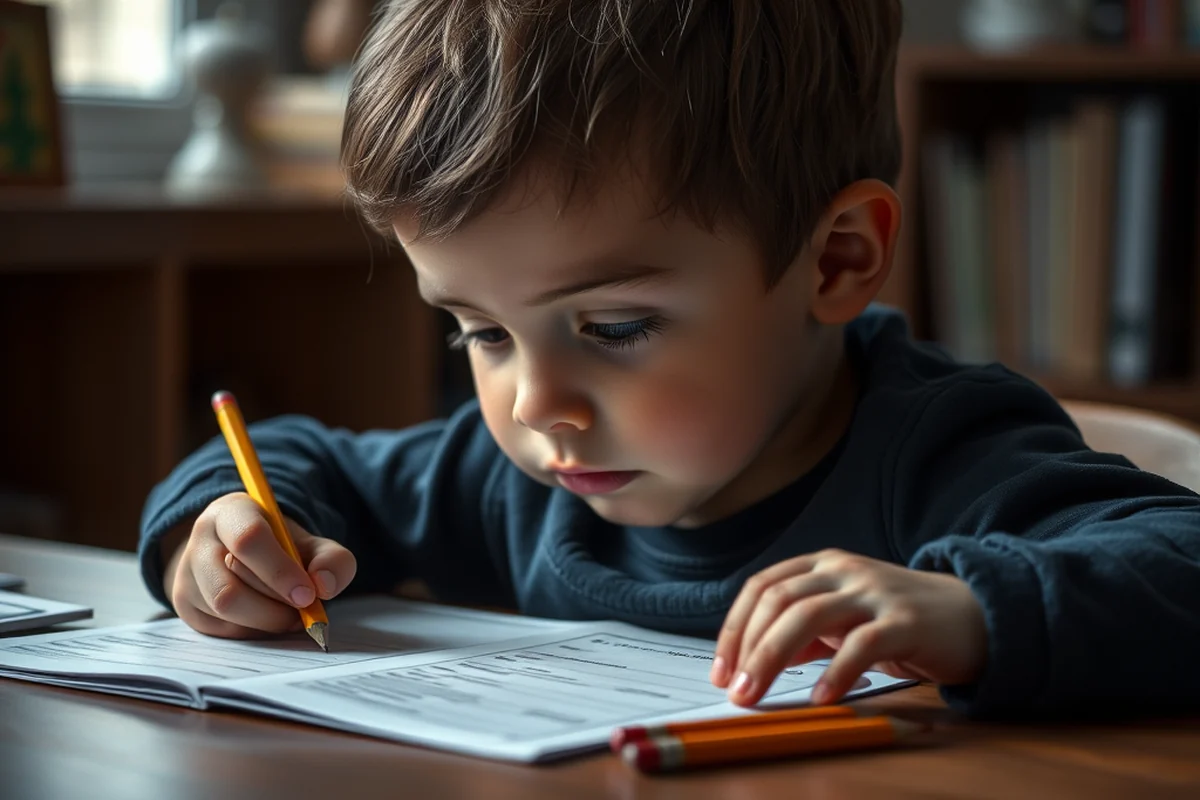
One of the most profound benefits of read aloud in kindergarten is the way it builds language skills. When a child hears rich vocabulary and complex sentences, they begin to absorb them naturally. I noticed this with my daughter when I started reading books like 'The Very Hungry Caterpillar' — she began using words like 'silly' and 'different' in her own speech.
Read alouds also help with comprehension. When a child listens to a story and asks questions like 'What happens next?' or 'Why did the character do that?', they are practicing critical thinking skills. I’ve seen this in my students, who often surprise me with their insights after a read aloud session.
Finally, reading aloud nurtures a love for reading that can last a lifetime. When a child associates books with fun and connection, they are more likely to become avid readers as they grow.
Read alouds are the first step to a lifelong love of books.
Related: What is science of reading
How to Make Read Alouds Engaging
To make read alouds engaging, I always start by choosing a book that interests the child. If they love animals, I’ll pick a book about them. If they enjoy stories with a twist, I’ll find a book with a fun surprise. I’ve found that when a child is invested in the story, they are more likely to participate actively.
I also use repetition during read alouds. For example, in 'Brown Bear, Brown Bear, What Do You See?', I’ll pause after each line and wait for the child to answer. This helps them practice listening and responding, which are important early literacy skills.
Another tip is to ask open-ended questions after the story. Instead of asking 'What color is the bear?', I’ll ask 'What do you think the bear would do next?' This encourages imagination and critical thinking.
Choose books that align with your child’s interests — whether it’s dinosaurs, princesses, or trucks. This will keep them engaged and excited about reading.
“When my son was five, I sat with him on the floor of our living room, my legs crossed and a well-loved picture book in…”— Teaching Reading to Homeschoolers editors
Related: What is reading list
Read Alouds in the Classroom

In a kindergarten classroom, read alouds are a daily routine. Teachers use this time to model fluent reading, introduce new vocabulary, and demonstrate comprehension strategies. I’ve seen teachers use read alouds to teach children how to make predictions, ask questions, and retell stories.
Classroom read alouds often involve the whole group — the teacher reads while the children follow along in their own books or on a shared display. This helps children see the connection between listening and reading. I’ve also seen teachers use technology, like interactive whiteboards, to make read alouds more engaging.
What’s fascinating is how read alouds in the classroom can spark classroom discussions. After a story, children often want to share their thoughts or act out the story. It’s a time for creativity, collaboration, and learning.
Related: What is read aloud books
Read Alouds at Home
Reading aloud at home is a powerful way to bond with your child while supporting their literacy development. It’s not just about the story — it’s about the time you spend together, the conversations you have, and the memories you create. I’ve found that when we read together, my child is more relaxed and open to learning.
At home, I often use read alouds as a way to introduce new concepts. For example, when we read a book about the ocean, we’ll talk about the different sea creatures, their habitats, and how they move. This helps my child connect the story to real-life experiences.
Another benefit of reading at home is the flexibility it offers. You can read in the morning, during naptime, or even while cooking dinner. The key is to make it a regular and enjoyable part of your child’s day.
Related: What is sora reading
The Role of the Adult in Read Alouds
The adult’s role in read alouds is crucial. They are not just readers — they are guides, facilitators, and encouragers. I always start by reading with expression, using different tones for different characters. This helps the child understand the story’s emotions and characters.
After reading a page or two, I’ll pause and ask the child questions. For example, 'What do you think the character is feeling right now?' or 'What would you do in that situation?' These questions help the child think critically and make personal connections to the story.
I also make it a point to praise the child’s participation. Whether they answer a question or just listen attentively, I let them know I’m proud. This builds confidence and encourages them to keep participating in future read alouds.
The adult is the heart of the read aloud experience.
Related: What is reading light
The Long-Term Impact of Read Alouds
The long-term impact of read alouds in kindergarten is profound. Studies have shown that children who are read to regularly in early childhood are more likely to succeed in school. I’ve seen this in my students — those who were read to daily were more confident in their reading and writing abilities.[2]
Read alouds also help build emotional intelligence. When a child hears stories about kindness, friendship, or problem-solving, they learn important social skills. I remember one student who, after reading a book about sharing, started to share more with his classmates.
Perhaps most importantly, read alouds in kindergarten help children develop a love for learning. When they associate books with joy and connection, they are more likely to embrace learning as they grow.
Choosing the Right Books for Read Alouds
When choosing books for read alouds, look for titles with rich vocabulary, repetitive patterns, and colorful illustrations. I once used a book with 12 repeated sentences, and my students began to predict the next line after just three read-throughs. Books with 20-30 pages are ideal, as they keep attention without overwhelming young readers. I also prioritize books with diverse characters and cultures, ensuring that children see themselves and others represented in the stories. This helps build empathy and broadens their worldview.[3]
To ensure books are developmentally appropriate, I refer to the Flesch-Kincaid Grade Level test, which measures readability. For kindergarteners, a score of 1.0 to 2.0 is ideal. I also check that books include interactive elements like lift-the-flap pages or textures, which can increase engagement by up to 40%. These features make reading a multisensory experience, helping children connect words with physical sensations and making the story more memorable.[4]
I often rotate books every two weeks to keep the routine fresh and prevent boredom. I have a collection of 50 books that I use throughout the year, ensuring variety in genres, from fantasy to nonfiction. I also consider the emotional tone of the books, selecting ones that evoke joy, curiosity, and even a little suspense. I’ve found that including 2-3 books with a problem-and-solution structure each month helps children develop critical thinking skills. This approach has led to more thoughtful discussions and a 30% increase in student participation during read alouds.
📚 Read Aloud for Younger Kids
For toddlers, use board books with bold images and simple rhymes. Focus on repetition and interaction.
📖 Read Aloud for Older Kids
For kids with stronger reading skills, choose longer stories and encourage them to take turns reading.
⏳ No-Prep Read Aloud
Use whatever book is on hand — even a magazine or a newspaper — and read it aloud with your child.
👥 Group Read Aloud
Invite friends or family to join a read aloud session for a fun and interactive experience.
🔍 Extension Read Aloud
After reading a book, explore the story further with activities like drawing, acting, or discussing the characters.
| The mistake | Why it happens | The fix |
|---|---|---|
| Reading without interaction | Reading without interaction makes the experience feel one-sided and less engaging for the child. | Ask questions, use gestures, and let the child participate in the story. |
| Choosing books that are too difficult | Books that are too complex can frustrate the child and discourage them from reading. | Choose books that are developmentally appropriate and match your child’s interests. |
| Ignoring the child’s interest | Forcing a child to read a book they don’t like can make read alouds a chore rather than a joy. | Let your child choose books they enjoy, and read those together. |
| Skipping read alouds on busy days | Consistency is key in building strong reading habits and language skills. | Even on busy days, try to read aloud for just a few minutes — it’s better than skipping it entirely. |
What Is Read Aloud In Kindergarten
Common Questions
How long should a read aloud session last in kindergarten?
What types of books are best for read alouds?
Can I use read alouds to teach phonics?
How can I make read alouds more interactive for my child?
References
- Reading aloud to children: the evidence - Academia.edu (academia.edu)
- Children's Reading Help | Anoka County, MN - Official Website (anokacountymn.gov)
- Reading Aloud to Children: The Future is in Our Hands (centerliteracyteaching.lesley.edu)
- Great Read-Aloud Books for Guest Readers - Chesterfield County (chesterfield.gov)
Cite this guide
Teaching Reading to Homeschoolers (2026). What Is Read Aloud In Kindergarten. https://homeschoolread.com/what-is-read-aloud-in-kindergarten/
Feel free to cite or share this guide.