
News Literacy Project

📖 Table of Contents
- What is the News Literacy Project, and Why Does It Matter?
- How to Integrate News Literacy into Your Homeschool Curriculum
- The Benefits of Teaching News Literacy at Home
- The Role of Parents in Teaching News Literacy
- The Importance of Media Literacy in Today's World
- How the News Literacy Project Helps Students Think Critically
- The Future of News Literacy Education
- Make It Your Way
- Frequently Asked Questions
A few years ago, I sat with my son at our kitchen table, watching him scroll through a news app, eyes wide and mouth open, as he read a headline that claimed the sun was going to explode in a week. I had to stop him, explain that not all news is true, and show him how to tell the difference. That moment was a wake-up call for me as a parent and educator — the need for news literacy was real, urgent, and missing from most curricula. The News Literacy Project, an initiative backed by journalists and educators, became my go-to tool to help kids understand what's real and what's not.[3]
The News Literacy Project is more than a curriculum — it's a movement. It's about teaching kids to be critical thinkers, to question sources, and to handle the flood of information we're all swimming in. I've used it with my children and students. I've seen the impact: kids who once accepted everything at face value now ask questions, dig deeper, and even challenge the news they see on TV or in social media. It's empowering, and it's something parents and educators can use without needing a degree in journalism.[4]
The News Literacy Project has transformed how I teach reading and critical thinking, not just in the classroom but in everyday life. I remember the first time I shared one of its activities with my students — it was a game where they had to spot fake headlines. Within minutes, the room was buzzing with laughter and learning. That's the power of this project: it makes news literacy engaging, accessible, and — most importantly — effective.[5]
Why You'll Love This Approach to News Literacy
- It transforms passive readers into active critics of the news.
- Activities are easy to implement and require minimal preparation.
- It builds skills that are vital in the digital age.
- It's backed by educators and journalists who understand the media landscape.
What is the News Literacy Project, and Why Does It Matter?
As of November 2026, the News Literacy Project is a nonprofit organization that partners with educators to teach students how to analyze news sources, spot misinformation, and understand the role of media in society. It was created in 2008 in response to the growing challenge of misinformation in the digital age. The initiative includes lesson plans, interactive tools, and training for teachers, all aimed at equipping students with the skills they need to think critically about what they read online, in print, and on television.[1]
I remember the first time I used one of their lessons with my students. The activity was called 'News Detective,' and it involved looking at different headlines and trying to determine if they were real or fake. The kids were shocked to find that many of the fake headlines were so convincing. That experience stuck with them — they began to ask more questions about where news comes from and who is behind it.
What makes the News Literacy Project unique is its focus on teaching students to think, not just to read. It encourages them to question sources, look for evidence, and consider different perspectives. This approach is especially valuable in today's media environment, where fake news and misinformation spread rapidly through social media.
Use current headlines or news stories that are relevant to your students' lives to make the lesson more engaging and relatable.
Part of our Reading strategies guide.
How to Integrate News Literacy into Your Homeschool Curriculum
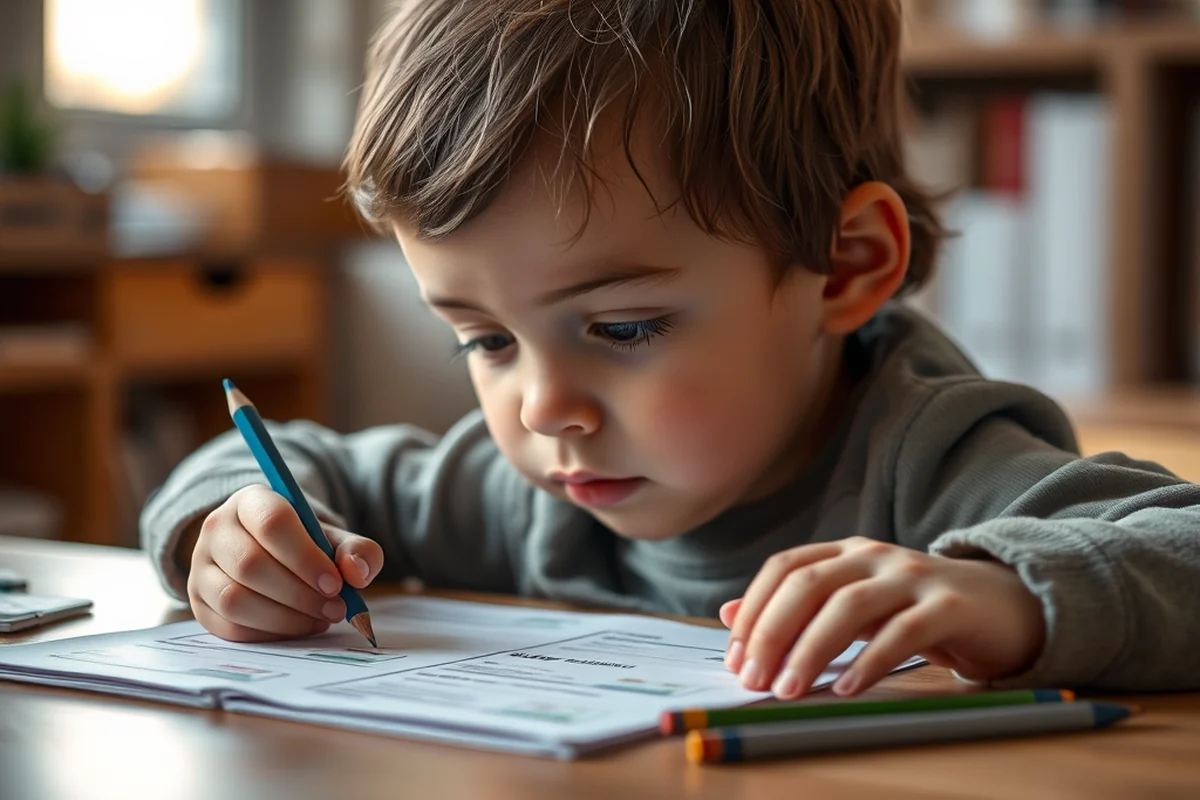
Whether you're teaching a group of students or working one-on-one with your child, the News Literacy Project has resources that fit your needs. The website offers lesson plans, printable activities, and interactive tools that are designed to be used in both traditional and homeschool settings. I've used these materials with my own kids, and I've found that they're easy to implement and don't require a lot of preparation.
One of the best parts of using the News Literacy Project is that the activities are designed to be flexible. For example, there's a lesson called 'Fact vs. Fiction' that involves analyzing real and fake news stories. This lesson can be modified for different age groups and learning levels. I've used it with my 10-year-old and my 14-year-old, and both have found it engaging and informative.[2]
The materials are also designed to be used in a variety of formats, including print, digital, and hands-on activities. This makes it easy to incorporate news literacy into your homeschool routine, whether you're teaching full-time or supplementing a traditional curriculum. The flexibility of the News Literacy Project makes it a valuable tool for any homeschooling family.
News literacy isn't just about reading — it's about thinking.
Related: How to get better at reading
The Benefits of Teaching News Literacy at Home
When parents teach news literacy at home, they're giving their children the tools they need to handle the complex world of media and information. This is especially important where misinformation spreads quickly through social media and online platforms. Teaching kids to think critically about the news helps them become more informed and responsible consumers of information.
I've seen the impact of teaching news literacy firsthand in my own home. When I started using the News Literacy Project's resources with my kids, they began to question everything they read online. They would ask me, 'Is this real?' or 'Where did this come from?' This kind of thinking is invaluable in a world where fake news can be hard to spot.
By teaching news literacy at home, parents can help their children develop skills that will serve them throughout their lives. These skills include critical thinking, media literacy, and the ability to evaluate sources — all of which are essential in today's information-driven world.
Incorporate digital tools like online news articles, videos, and interactive games to make the learning process more engaging for your child.
“A few years ago, I sat with my son at our kitchen table, watching him scroll through a news app, eyes wide and mouth open…”— Teaching Reading to Homeschoolers editors
Related: What is reading comprehension definition
The Role of Parents in Teaching News Literacy

Parents are the first and most important teachers in a child's life, and they have a unique opportunity to help their children develop strong news literacy skills. By modeling critical thinking and media literacy, parents can teach their children how to evaluate sources, check facts, and understand the role of media in society.
I've noticed that when I model critical thinking with my kids — by questioning the news I read or watching the way I analyze information — they begin to do the same. For example, if I come across a news story that seems suspicious, I'll talk it through with my kids, asking them what they think and why. This kind of dialogue helps them develop their own critical thinking skills.
By being open and honest about the news, parents can help their children become more discerning consumers of information. This is especially important in a world where misinformation is so prevalent. When parents teach their children to think critically about the news, they're giving them a valuable gift that will serve them throughout their lives.
Related: What is reading in english
The Importance of Media Literacy in Today's World
In today's world, media literacy is more important than ever. With the rise of social media and the internet, information is more accessible than ever before — but it's also harder to verify. Teaching media literacy helps students understand how media works, how to evaluate sources, and how to think critically about the information they consume.
I've seen the impact of media literacy on my students. When I taught a lesson on media bias, many of them were surprised to learn how different news outlets can present the same story in very different ways. This kind of awareness helps students become more informed and responsible consumers of information.
Media literacy is not just about reading the news — it's about understanding the role of media in shaping public opinion and influencing society. By teaching media literacy, we're giving students the tools they need to make informed decisions and to think critically about the world around them.
Related: What is a reading pen
How the News Literacy Project Helps Students Think Critically
The News Literacy Project uses a combination of classroom activities, interactive tools, and teacher training to help students think critically about the news. These activities are designed to be engaging and hands-on, allowing students to explore different news sources and evaluate the credibility of the information they consume.
One of the most effective techniques used by the News Literacy Project is the 'Check It Out' activity, where students are asked to evaluate the credibility of a news story by checking the source, looking for evidence. Considering different perspectives. This activity helps students develop the skills they need to think critically about the news.
Another effective technique is the use of digital tools, such as interactive quizzes and games, which make learning about news literacy more engaging and fun. These tools are designed to be used in both classroom and homeschool settings, making them a valuable resource for educators and parents alike.
Critical thinking is the key to navigating the news.
Related: What is reading eggs app
The Future of News Literacy Education
As misinformation and fake news continue to spread online, the need for news literacy education is only going to grow. The News Literacy Project is leading the way in this area, providing educators and parents with the tools they need to teach students how to think critically about the news.
I've seen the impact of news literacy education in my own classroom. When I first started using the News Literacy Project's resources, my students were more engaged and more willing to question the news they read. They began to see the importance of checking facts and evaluating sources, which is a crucial skill in today's information-driven world.
The future of news literacy education is bright, and the News Literacy Project is at the forefront of this movement. By continuing to develop new resources and training for educators, the initiative is helping to shape the next generation of informed and critical thinkers.
🧩 Younger Kids (Ages 3-6)
Use simple activities like picture books and interactive games to introduce the basics of news literacy.
📚 Older Kids (Ages 7-12)
Incorporate more complex activities, such as analyzing real and fake news stories and discussing media bias.
⏱️ No-Prep Version
Use ready-made printable activities and digital resources that require no preparation time.
👥 Group Activity
Engage students in group discussions and collaborative projects that promote critical thinking and media literacy.
🔍 Extension Activity
Encourage students to research news sources and present their findings to the class.
| The mistake | Why it happens | The fix |
|---|---|---|
| Not using real-world examples. | Using real-world examples helps students connect the material to their own lives and makes it more engaging. | Incorporate current news stories or events that are relevant to your students' lives to make the lesson more relatable. |
| Focusing too much on theory and not enough on practice. | News literacy is best taught through hands-on activities and real-life examples, not just lectures or discussions. | Use interactive activities and games to help students apply what they've learned in a practical way. |
| Not encouraging critical thinking. | News literacy is about more than just reading the news — it's about thinking critically and questioning sources. | Encourage students to ask questions, challenge assumptions, and think for themselves. |
| Not providing enough support for educators. | Many educators are not trained in news literacy, and they may need support to implement these lessons effectively. | Use the training and resources provided by the News Literacy Project to help educators build their skills and confidence. |
News Literacy Project
Common Questions
Can the News Literacy Project be used with younger children?
How can I use the News Literacy Project in my homeschool?
Are the activities in the News Literacy Project easy to implement?
What makes the News Literacy Project different from other news literacy programs?
References
- News Literacy Project: Building a future based on facts (annenberg.usc.edu)
- Christine Nyirjesy Bragale, The News Literacy Project's vice-president (br.usembassy.gov)
- Media Literacy Resources - California Department of Education (cde.ca.gov)
- Media Literacy Beyond the National Security Frame (dc.law.utah.edu)
- Promoting News Literacy with epistemological beliefs, IFLA checklist ... (digitalcommons.uri.edu)
Cite this guide
Teaching Reading to Homeschoolers (2026). News Literacy Project. https://homeschoolread.com/news-literacy-project/
Feel free to cite or share this guide.
Reading Skills Checklist
Stage-filtered phonics and reading skills checklist for homeschool parents.
Open it free →