
How Long To Homeschool Preschool

📖 Table of Contents
- What is the Ideal Duration for Preschool Homeschooling?
- How Can You Maximize Learning in Short Sessions?
- What Are the Benefits of a Structured Preschool Homeschool Routine?
- How Can You Adapt Homeschooling to Your Child's Needs?
- What Are the Common Challenges of Homeschooling Preschoolers?
- How Can You Make Homeschooling Preschoolers More Enjoyable?
- What Are Some Tips for Staying Motivated as a Preschool Homeschooler?
- Make It Your Way
- Frequently Asked Questions
I remember the first time my son sat at the kitchen table, holding a crayon and a piece of paper, and tried to draw a cat. He was three, and it looked more like a squiggle, but it was the start of something. Homeschooling preschoolers is like trying to catch raindrops in a sieve — it’s messy, unpredictable, and completely worth it. You might be wondering, 'How long should I homeschool preschool?' That’s the question I asked myself when I first started. It took me a few months of trial and error to figure it out.[2]
In the beginning, I thought I needed to be structured, to have a strict schedule and a list of educational goals. But what I learned was that preschoolers thrive in short, playful bursts of learning. They need to move, to explore, to be read to, and to play. I found that the best learning happens when it feels like play, not like work. So I started to think about the length of our homeschool days. I realized that it wasn’t about how long I spent with my child, but how much we were learning and growing together.[3]
Now, I can tell you that the length of your preschool homeschooling journey is not a one-size-fits-all answer. It depends on your child’s needs, your family’s rhythm, and the resources you have. But there are some general guidelines that can help you set a foundation. Whether you're a first-time homeschooler or someone who’s been doing this for a while, this article will guide you through what to expect and how to make the most of the time you spend with your preschooler.[4]
Why You'll Love This Approach
- You’ll create a flexible, child-led learning environment that adapts to your little one’s needs.
- You’ll discover that short, focused learning sessions can be more effective than long, rigid ones.
- You’ll find that integrating learning into everyday activities makes education feel natural and fun.
- You’ll build a strong, lasting bond with your child through shared learning experiences.
What is the Ideal Duration for Preschool Homeschooling?
As of November 2026, Preschoolers have short attention spans, so it's essential to break learning into manageable chunks. A typical day might include two 30-minute learning sessions, with breaks in between for play and rest. This approach prevents burnout and keeps the child engaged. I found that keeping activities under 45 minutes and allowing time for transitions and play between sessions made the most sense for my child.[1]
I also noticed that my child's energy levels fluctuated throughout the day. He was most alert in the morning and after a nap, so I scheduled our main learning sessions during those times. Afternoons were reserved for more hands-on activities, like puzzles or sensory play. This helped keep our homeschool routine consistent and effective.
By the end of the week, I could see that this approach was working. My child was retaining information better, and we were making progress without feeling rushed or overwhelmed. The key was to be flexible and responsive to his needs while maintaining a structure that supported learning.
Use a visual schedule with pictures to help your child understand what’s coming next. This reduces anxiety and helps them stay on track.
How Can You Maximize Learning in Short Sessions?
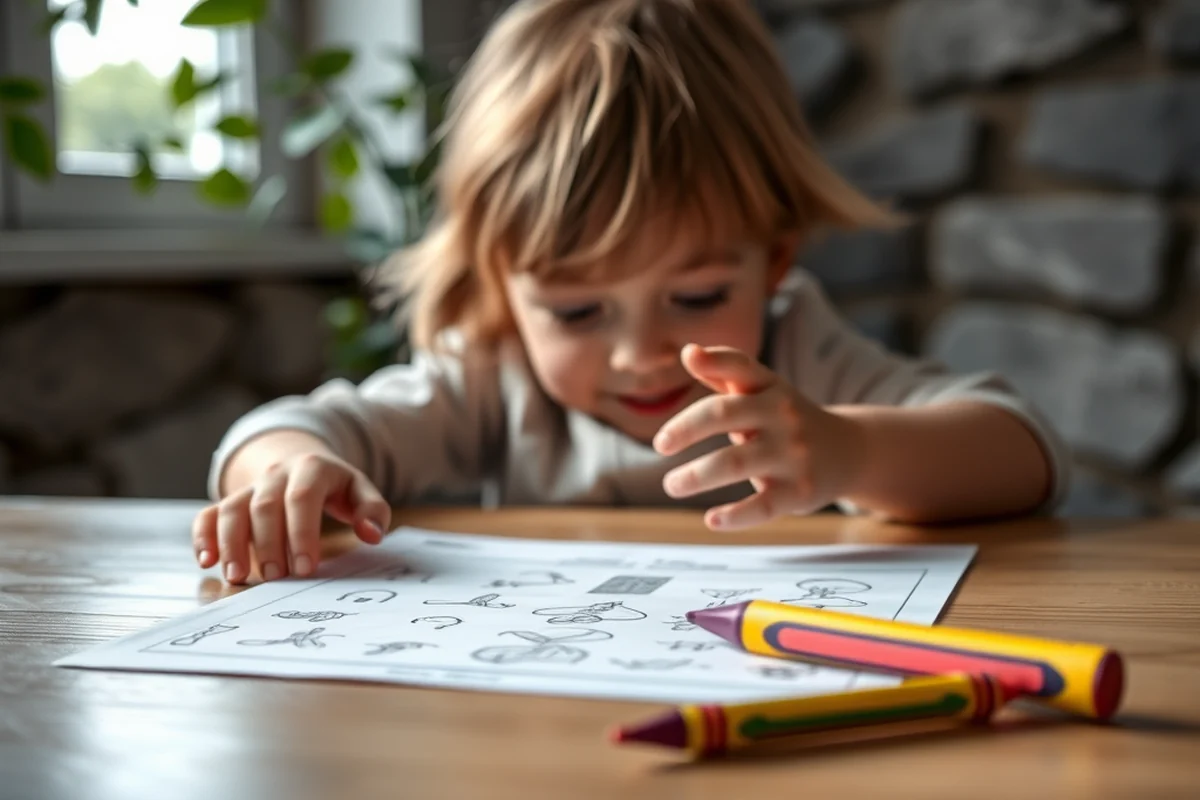
I discovered that when I used activities that were interactive and fun, my child was more willing to participate. For example, I turned letter recognition into a scavenger hunt around the house, and he loved it. He would race to find items that started with a specific letter, and we made a game out of it.
Another tip I learned was to incorporate movement into learning. If we were working on shapes, we would use large motor skills by drawing shapes in the air or on the floor with chalk. This kept my child physically engaged and mentally stimulated at the same time.
I also used themed days to keep things fresh and exciting. One day might be all about animals, and we would read books, draw pictures, and play with toy animals. This helped reinforce learning in a way that felt like play, not work.
Learning through play is the most effective way to teach a preschooler.
Related: How much to homeschool a child in illinois
What Are the Benefits of a Structured Preschool Homeschool Routine?
When I first started homeschooling, I didn’t have a routine, and it was chaotic. My child was confused, and I was overwhelmed. After I introduced a simple routine with specific times for learning, play, and rest, things improved dramatically.
Having a consistent schedule helped my child understand what was expected of him, and it made transitions between activities easier. He knew that after a storytime, it was time to do a hands-on activity, and after that, it was time to rest. This predictability helped him feel more secure and less anxious.
I also noticed that a structured routine helped me stay focused and organized. I was able to plan my lessons in advance, and it made the learning process more efficient. By the end of the week, I could see that my child was more engaged and making progress.
Use a chart or a picture schedule to show your child the order of the day. This helps them understand the routine and feel more in control.
“I remember the first time my son sat at the kitchen table, holding a crayon and a piece of paper, and tried to draw a…”— Teaching Reading to Homeschoolers editors
Related: How much to homeschool a child per month
How Can You Adapt Homeschooling to Your Child's Needs?

I learned early on that my child had different energy levels on different days, and sometimes he needed more rest. I had to be willing to adjust our schedule based on his needs, even if it meant having a shorter day on a particular day.
I also had to be open to changing my teaching methods if something wasn’t working. If he wasn’t interested in a particular activity, I would try a different approach or switch to a different topic. Flexibility was key to keeping our homeschooling experience positive and effective.
By being responsive to my child’s needs and adjusting our routine as necessary, I was able to create a homeschooling environment that was both engaging and supportive. My child was more motivated to learn, and I felt more confident in my role as a homeschooling parent.
Related: How much to homeschool a child
What Are the Common Challenges of Homeschooling Preschoolers?
One of the biggest challenges I faced was keeping my child focused for longer than a few minutes. I had to learn to be patient and to accept that my child’s attention span was naturally short. I found that using a variety of activities and keeping things dynamic helped keep him engaged.
Another challenge was finding the right balance between structure and flexibility. I had to be careful not to be too rigid, which could lead to frustration, but also not too loose, which could lead to a lack of progress. Finding that balance took some trial and error.
Finally, I had to find age-appropriate materials that were both educational and engaging. I spent time researching and experimenting with different resources to see what worked best for my child. This process was time-consuming, but it was worth it in the end.
Related: What is homeschooled
How Can You Make Homeschooling Preschoolers More Enjoyable?
I found that the best way to make learning enjoyable for my child was to incorporate play into every aspect of our homeschooling. Whether we were working on math or reading, we made it a game. For example, we used building blocks to teach counting and shapes, and we played pretend to reinforce language skills.
I also made sure to include creative activities that allowed my child to express himself. Drawing, painting, and crafting were important parts of our routine, and they helped him develop fine motor skills and creativity. These activities were not only fun but also educational.
By making learning a part of everyday play and by allowing my child to explore his interests, I was able to create a homeschooling environment that was both fun and effective. My child looked forward to our learning time, and I felt more confident in my ability to teach him.
When learning feels like play, it becomes second nature.
Related: What supplies do i need for kindergarten homeschool
What Are Some Tips for Staying Motivated as a Preschool Homeschooler?
I found that setting realistic goals was essential for staying motivated. I didn’t expect to cover everything in one day, and I learned to be patient with myself and my child. I focused on making progress, even if it was small.
I also found that celebrating small victories helped keep me and my child motivated. Whether it was mastering a new letter or completing a puzzle, we would take time to acknowledge our achievements. This helped build confidence and keep us both engaged.
Finally, I made sure to take care of myself. I scheduled time for rest and self-care, and I reminded myself that it was okay to take a break if I needed to. By taking care of myself, I was better able to support my child and stay motivated throughout our homeschooling journey.
🧸 Younger Kids (Ages 2-3)
For toddlers, focus on sensory play, songs, and simple routines. Learning through exploration is key.
🎒 Older Kids (Ages 5-6)
For children closer to kindergarten, incorporate more structured learning with phonics, numbers, and basic reading.
🧺 No-Prep Version
Use everyday items like blocks, books, and household objects to create spontaneous learning moments.
👯 Group Version
Combine with other homeschoolers for social learning, group games, and collaborative projects.
🔍 Extension Activities
Add field trips, nature walks, or guest speakers to enrich the learning experience.
| The mistake | Why it happens | The fix |
|---|---|---|
| Trying to cover too much in one day. | Preschoolers have short attention spans, and trying to do too much can lead to frustration and burnout. | Break the day into short, focused sessions with plenty of breaks and play in between. |
| Forcing structured learning without play. | Preschoolers learn best through play, and forcing them to sit still for long periods can make them disinterested. | Incorporate play into every lesson and allow time for free exploration and creativity. |
| Not adapting to the child's needs. | Every child is different, and a one-size-fits-all approach may not work for your child’s learning style or energy levels. | Observe your child’s needs and be willing to adjust your methods and schedule as needed. |
| Overlooking the importance of routine. | Without a consistent routine, preschoolers may become confused and anxious, which can interfere with learning. | Create a simple, predictable schedule that includes time for learning, play, and rest. |
How Long To Homeschool Preschool
Common Questions
How do I know if my child is ready for preschool homeschooling?
Can I homeschool my preschooler only part-time?
What if I don’t have a lot of time to plan lessons?
How do I keep my preschooler interested in learning?
References
- virtual resources – for parents! (hr.princeton.edu)
- Indiana Department of Education: Homeschool Help Sheet - IN.gov (in.gov)
- Undergraduate Preschool Certificate Online - Liberty University (liberty.edu)
- Myths of the homeschooled - Magazine | Campbell University (magazine.campbell.edu)
Cite this guide
Teaching Reading to Homeschoolers (2026). How Long To Homeschool Preschool. https://homeschoolread.com/how-long-to-homeschool-preschool/
Feel free to cite or share this guide.
Reading Skills Checklist
Stage-filtered phonics and reading skills checklist for homeschool parents.
Open it free →