
Teach Reading At Home
📖 Table of Contents
I remember the first time I realized that teaching my toddler to read wasn’t just about flashcards and phonics — it was about connection. We were sitting on the floor of our living room, surrounded by books and legos, when my daughter pointed at a picture of a cat and said, 'K-A-T.' That moment was magic. It also made me realize that teaching reading at home is more than just a task — it's a journey filled with small victories and big discoveries.[1]
Teaching reading at home doesn’t require a degree in education or a fancy classroom setup. It can be as simple as reading a bedtime story every night or playing a phonics game during snack time. I’ve spent over two years experimenting with different methods, from using magnetic letters on the fridge to creating flashcards that double as art projects. The key is to make the learning process fun, engaging, and tailored to your child’s pace and interests.[2]
What I’ve learned is that teaching reading at home is not only effective but also incredibly rewarding. It gives parents the ability to tailor lessons to their child’s learning style, reinforces the parent-child bond, and allows for learning to happen in the comfort of a familiar environment. Whether you're a first-time parent or a seasoned homeschooler, this article will guide you through the process with practical steps, real examples, and a sprinkle of science-backed advice.[3]
Why You'll Love This Activity
- Encourages a love of learning and reading from an early age.
- Builds a strong foundation in phonics and vocabulary.
- Strengthens the parent-child bond through shared experiences.
- Adaptable to any learning style or pace.
The Power of Shared Moments
As of August 2026, one of the most powerful aspects of teaching reading at home is the opportunity for shared learning. When I read with my daughter, we don’t just look at the words — we act them out, discuss the characters, and even create our own endings. These shared moments turn simple stories into adventures that spark curiosity and imagination.
I once spent an entire afternoon reading a picture book about animals, and we ended up building a mini zoo in our backyard with paper cutouts and stuffed toys. My daughter didn’t just learn the names of the animals — she learned about habitats, textures, and sounds. It was a lesson in science, language, and creativity all in one.
This kind of immersive, hands-on learning is something that can’t be replicated in a traditional classroom. It’s why teaching reading at home is so effective — it’s about making learning a part of daily life, not a separate task.
Turn your home into a learning space by labeling objects around the house with simple words. This helps reinforce vocabulary in real-world contexts.
Making Phonics Fun

Phonics is the foundation of reading, and I've found that the best way to teach it is through play. One of my favorite activities is using letter tiles to create words. We play a game where we race to build the most words in one minute. It’s surprising how quickly my daughter learned the sounds of different letters through this competitive, yet fun, activity.
Another effective method is using songs to teach phonics. We sing the alphabet song. I’ve even created my own rhymes to help her remember tricky sounds like 'th' and 'sh.' Music helps with retention, and my daughter has been able to recognize these sounds in books and in real life.
I’ve also used magnetic letters on the fridge to create words together. It’s a great way to keep her engaged while making learning a part of our daily routine. Teaching reading at home is about making the process enjoyable and accessible.
Phonics becomes a game — and that’s where the real learning happens.
Related: How to teach reading effectively
Related: Can you teach cats to read
Related: How to teach reading fluency
Related: All about reading curriculum
Building Vocabulary Through Reading
Expanding a child’s vocabulary doesn’t have to be a chore. I’ve found that the best way to do it is by reading a variety of books — from picture books to chapter books. I make sure to read to my daughter every night, and we often stop to discuss new words and their meanings.
For example, when we read a book about the ocean, we talked about the different types of fish, the colors of the coral, and even the sounds of the waves. These conversations help her understand the context of the words, which is essential for reading comprehension.
I’ve also started using a vocabulary journal where we write down new words and draw pictures of them. This helps reinforce the meaning and makes learning more interactive. Teaching reading at home is about creating a rich, language-filled environment.
After reading, take time to ask your child questions about new vocabulary. This helps them think critically and deepen their understanding.
“I remember the first time I realized that teaching my toddler to read wasn’t just about flashcards and phonics — it was about connection.”— Teaching Reading to Homeschoolers editors
Related: Educational reading games for 1st graders
The Importance of Routine
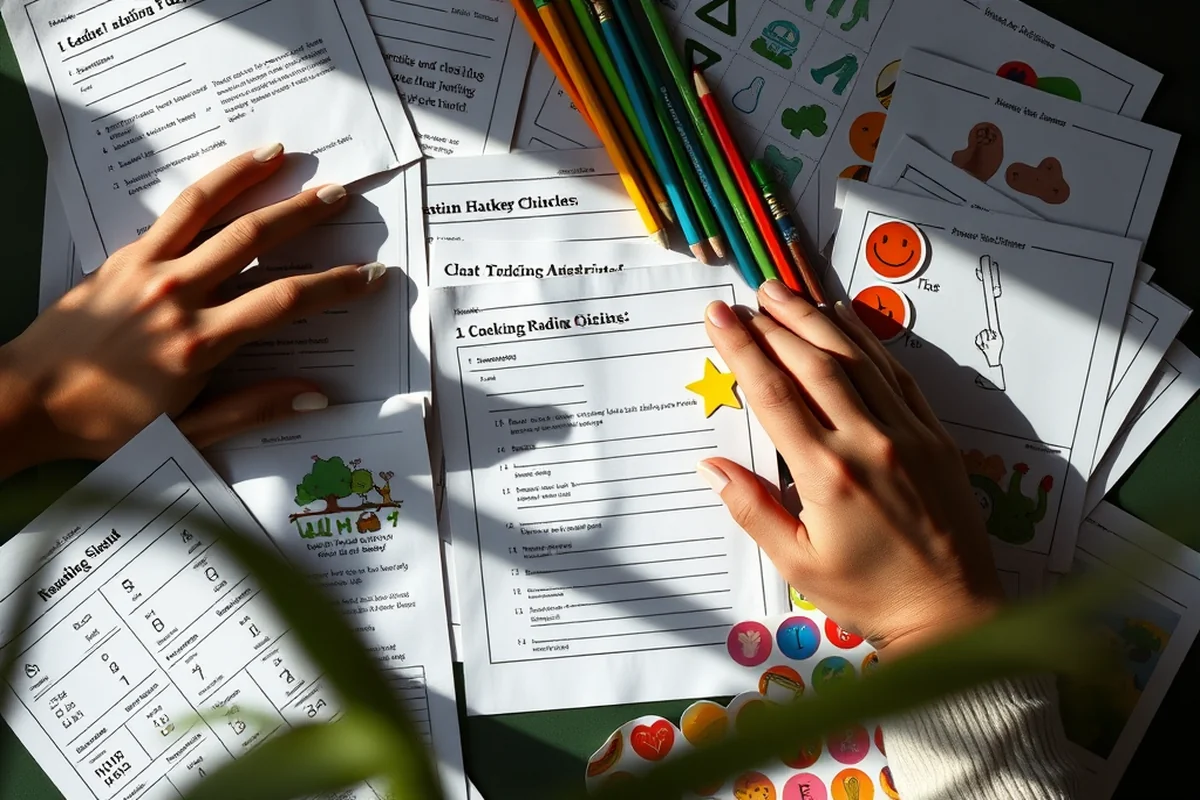
I quickly learned that consistency is key when teaching reading at home. I established a daily routine where we read together at the same time every day. This helped my daughter understand that reading was a part of our day, just like eating breakfast or brushing her teeth.
We also made reading a part of our bedtime routine, and it became one of the most cherished moments of our day. We read a book, talk about it, and then she goes to sleep with the story still on her mind. This kind of routine helps reinforce learning and makes it more effective.
I’ve also found that incorporating reading into other parts of the day — like during snack time or while walking the dog — helps keep the learning process natural and fluid. Teaching reading at home is about integrating it into everyday life.
The Role of Technology
I’ve used educational apps and online resources to supplement our reading lessons. One app I found particularly helpful is an interactive phonics game that allows my daughter to practice letter recognition and pronunciation. It’s been a great way to keep her engaged and motivated.
Another resource I use is an online library that offers a variety of age-appropriate books. We’ve been using it to explore different genres, from fairy tales to science books, and it’s been a great way to keep our reading sessions varied and interesting.
I also use videos that teach phonics through animated stories. These are especially helpful when I need to take a break from traditional reading methods. Teaching reading at home can be enhanced with the right tools, and technology is a valuable asset.
The Magic of Storytelling
I’ve discovered that storytelling is one of the most effective ways to teach reading. When we read together, I often stop to ask my daughter questions about the story. This helps her think critically and understand the plot.
I’ve also started creating our own stories, and it’s been a great way to encourage creativity and comprehension. We take turns adding sentences, and it’s amazing to see how quickly she’s learning to follow a narrative.
Sometimes, we even act out the stories we read. This helps reinforce the meaning of the words and makes learning more interactive. Teaching reading at home is about making the process engaging and enjoyable.
Storytelling turns words into worlds — and that's where learning begins.
Encouraging Independence
I’ve been working on helping my daughter read on her own by giving her books that are just a little above her current reading level. This helps her feel challenged but not overwhelmed. I also read with her every night, but I’ve started leaving her with a book of her own to read when I’m busy.
I’ve also set up a small reading nook in our living room with soft cushions and a small table. It’s a cozy space where she can read on her own, and it’s helped her develop a sense of independence.
I’ve noticed that she’s been asking me to read with her more often, which shows that she’s beginning to understand the value of reading. Teaching reading at home is about nurturing a love of reading that lasts a lifetime.
👶 Younger Kids (Ages 3-6)
Use picture books, interactive games, and simple phonics activities to introduce reading concepts.
👧 Older Kids (Ages 7-12)
Use chapter books, vocabulary exercises, and reading comprehension questions to build fluency.
📋 No-Prep Version
Read a book together, discuss the story, and use the environment to reinforce vocabulary.
👥 Group Version
Use group storytelling, shared reading, and interactive games to teach reading in a social setting.
📚 Extension Activity
Create a reading journal, write a story together, or use an online resource to reinforce learning.
| The mistake | Why it happens | The fix |
|---|---|---|
| Using too many flashcards at once | This can overwhelm your child and make learning feel like a chore rather than a game. | Use a few flashcards at a time and rotate them to keep the learning process fun and manageable. |
| Forcing your child to read without engagement | This can lead to frustration and a lack of interest in learning. | Make reading a shared, interactive experience by discussing the story and using hands-on activities to reinforce learning. |
| Not adapting to your child’s learning style | Every child learns differently, and a one-size-fits-all approach may not be effective. | Observe your child’s interests and learning style, and tailor your teaching methods accordingly. |
| Ignoring the importance of routine | Consistency is key to building reading skills, and a lack of routine can hinder progress. | Establish a regular reading time and make it a part of your daily schedule to reinforce learning. |
Teach Reading At Home
Common Questions
What are some effective ways to teach phonics at home?
How can I make reading a part of my daily routine?
What are some ways to expand my child’s vocabulary?
How can I encourage my child to read independently?
References
Cite this guide
Teaching Reading to Homeschoolers (2026). Teach Reading At Home. https://homeschoolread.com/teach-reading-at-home/
Feel free to cite or share this guide.