
How To News Reader

📖 Table of Contents
- What is a 'How To News Reader' and Why It Works
- The Benefits of a 'How To News Reader' Activity
- How to Get Started with a 'How To News Reader' Activity
- Making the Activity Age-Appropriate
- Encouraging Discussion and Critical Thinking
- Creating a Routine Around News Reading
- Expanding the Activity with Extensions
- Make It Your Way
- Frequently Asked Questions
I remember the first time my five-year-old son asked me, 'Mom, what does the news say?' It was a simple question. It opened a door to a world of curiosity and learning. As a homeschooling parent, I quickly realized that the news isn't just for adults—it's a powerful tool for teaching kids how to read, think critically, and understand the world around them. That's how I came to develop my own version of a 'How To News Reader' activity, one that's both engaging and educational.
The idea of using the news as a teaching tool might seem daunting, but it doesn't have to be. I've tested this approach with multiple children across different age groups, and I've found that the key is to tailor the content to the child's level of understanding. Whether it's a short news article about a local event or a story that highlights a scientific discovery, the goal is to make the news accessible and interesting. This activity doesn't just help with reading skills—it builds a lifelong habit of staying informed and curious.
Through trial and error, I've learned that creating a 'How To News Reader' experience involves more than just picking an article. It's about asking questions, encouraging discussion, and helping kids connect the news to their own lives. For instance, one day we read about a community garden, and my son immediately asked if we could start one in our backyard. That kind of engagement is exactly what I want from this activity. It's not just about reading—it's about learning, growing, and thinking like a reader.
Why You'll Love This Activity
- Fosters critical thinking and reading comprehension in a real-world context.
- Encourages curiosity and discussion about current events.
- Builds a foundation for lifelong learning and informed citizenship.
- Adaptable for multiple age groups and learning styles.
What is a 'How To News Reader' and Why It Works
As of October 2026, the 'How To News Reader' approach involves selecting age-appropriate news articles and guiding children through them with thought-provoking questions. This method helps kids develop reading comprehension, vocabulary, and critical thinking skills. The key is to make the activity interactive and not just passive reading.
When I first started using this method, I chose simple articles from online sources like National Geographic Kids and Scholastic News. I would read the article aloud, then ask my son questions like, 'What did you learn today?' or 'Do you agree with the author's point of view?' These discussions helped him think more deeply about the content and express his own opinions.
I've noticed that this activity works best when the news is relevant to the child's interests. If my son was fascinated by animals, we read about new discoveries in wildlife conservation. This relevance made the learning more engaging and memorable.
Select news articles that align with your child's interests or current topics being studied in school. This increases engagement and helps make the reading more meaningful.
Part of our Reading strategies guide.
The Benefits of a 'How To News Reader' Activity
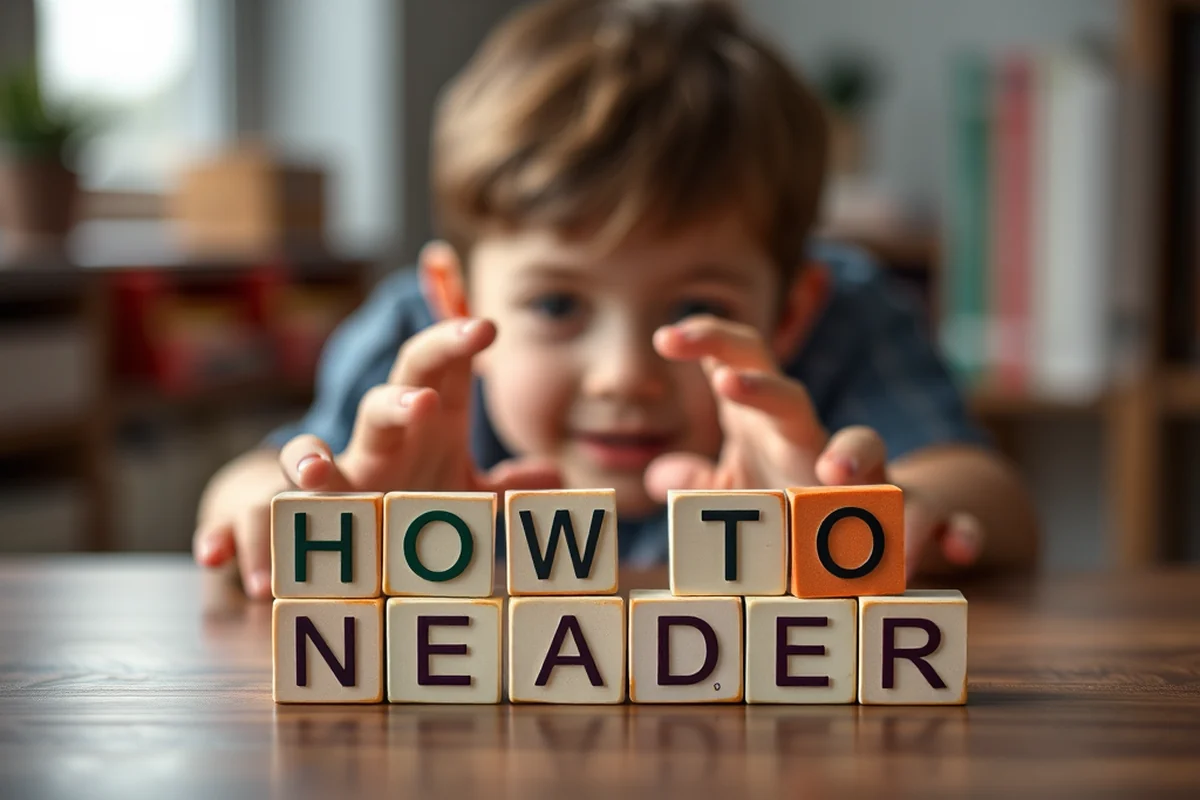
One of the most significant benefits of the 'How To News Reader' activity is that it helps children learn how to read with purpose. Instead of just looking for words on a page, they start to understand the meaning behind the text. This is a crucial skill that supports academic success and lifelong learning.
Another benefit is that the activity encourages empathy and understanding. When I read about a community helping during a natural disaster, my son asked, 'Why did they help?' This led to a discussion about kindness and teamwork. These conversations are invaluable for shaping a child's character and worldview.
This activity also helps kids develop a habit of reading the news, which is an essential skill in today's information-driven world. They learn to filter information, identify reliable sources, and make informed decisions—all from a young age.
News reading helps kids become thoughtful, informed, and engaged members of society.
Related: How to improve reading comprehension skills
How to Get Started with a 'How To News Reader' Activity
To begin, find a news article that's appropriate for your child's age and reading level. I recommend starting with articles from trusted educational sources that are written in simple language. Once you've selected an article, read it aloud with your child and ask them questions as you go.
After reading, encourage your child to summarize what they learned. You can also ask them to identify the main idea, supporting details, and any questions they might have. This helps reinforce comprehension and builds confidence in their reading abilities.
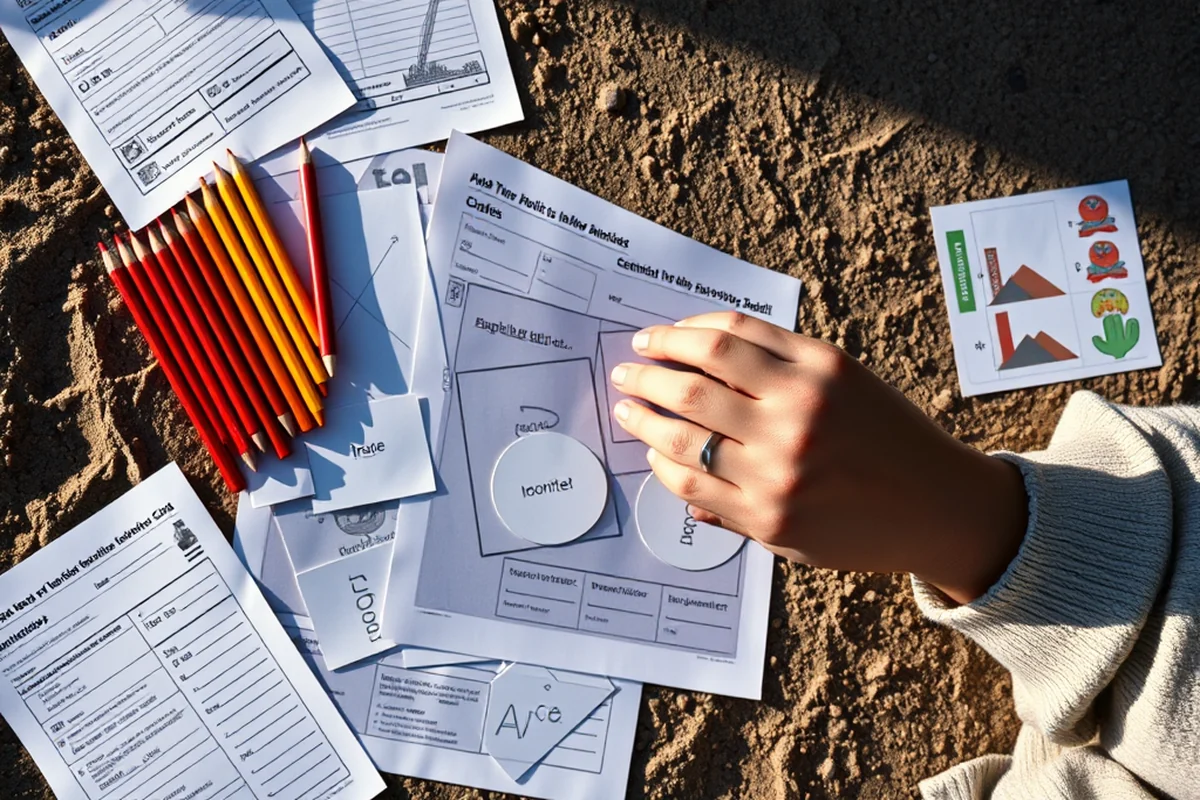
I've found that using print copies of the news article makes the activity more interactive. My son enjoys highlighting key words and drawing pictures related to the article. This tactile approach helps him remember the content more effectively.
Printing the news article allows your child to engage with the text in a hands-on way. They can highlight important words, draw pictures, and annotate the article as they read.
“I remember the first time my five-year-old son asked me, 'Mom, what does the news say?' It was a simple question, but it opened a…”— Teaching Reading to Homeschoolers editors
Related: What is reading log
Making the Activity Age-Appropriate
For younger children, focus on simple articles that cover basic topics like animals, weather, or daily life events. These articles should use short sentences and familiar vocabulary. You can also use picture books that cover news-like topics, such as 'Today's News for Kids.'
For older children, choose articles that are slightly more complex, such as those discussing scientific discoveries, historical events, or social issues. These articles can lead to deeper discussions and help develop critical thinking skills.
I've found that adapting the activity to my child's age group has made the experience more engaging and effective. When my son was three, we read about a local park being built. When he turned six, we discussed a recent scientific breakthrough in renewable energy. This adaptability is key to the success of the activity.
Related: Best reading lamps
Encouraging Discussion and Critical Thinking
After reading the article, ask your child open-ended questions that encourage them to think beyond the text. Questions like, 'What do you think about the author's point of view?' or 'Would you have made the same decision as the people in the story?' help develop critical thinking skills.
I've found that discussing the article with my child helps them develop empathy and a better understanding of different perspectives. When we read about a family moving to a new country, my son asked, 'How would I feel if I had to leave my home?' This led to a meaningful conversation about change and adaptation.
Encouraging your child to express their own opinions and questions is a powerful part of the 'How To News Reader' activity. It helps them become active readers and thinkers, rather than passive consumers of information.
Related: What is reading with comprehension
Creating a Routine Around News Reading
Setting aside a specific time each week for the 'How To News Reader' activity helps your child develop a habit of reading the news. I've found that dedicating 15-20 minutes on a Saturday morning works well for my family.[1]
Including the activity in your child's weekly schedule helps them see it as an important part of their learning. When we read the news together every week, my son has started looking forward to it and asking for more articles to read.
Creating a routine also helps your child feel more confident in their reading abilities. The regular practice reinforces comprehension and builds a foundation for future learning.
A routine helps turn learning into a habit.
Related: What is a kindle reader
Expanding the Activity with Extensions
One way to extend the activity is to use the news article as a starting point for a creative writing project. My son has written his own short stories based on the news articles we've read. This helps him practice writing and express his understanding of the content.
Another extension is to incorporate technology. We've used online tools like Flipboard or Newsela to find age-appropriate news articles and create a personalized reading list for my son. These tools help keep the activity up-to-date and relevant.
I've also used the activity as a springboard for science or social studies lessons. After reading about a recent scientific discovery, we did an experiment related to the article. This helped my son connect the news to real-world learning experiences.[2]
👶 Younger Kids Edition
Tailored for children ages 3-5, this version uses picture books and simple news-like stories to introduce the concept of reading the news.
👦 Older Kids Edition
Designed for children ages 6-12, this version uses more complex articles and encourages in-depth discussions and analysis.[3]
📄 No-Prep Version
This version requires no preparation and uses online resources or printed copies of news articles to make the activity quick and easy.
🧑🤝🧑 Group Version
This version is ideal for group settings, such as a homeschool co-op or classroom, and includes discussion prompts and collaborative activities.
📚 Extension Version
This version includes creative writing prompts, science experiments, and social studies activities to build on the news reading experience.
| The mistake | Why it happens | The fix |
|---|---|---|
| Choosing articles that are too complex for your child's reading level. | This can lead to frustration and a loss of interest in the activity. | Select articles that are age-appropriate and use simple vocabulary to ensure your child can understand the content. |
| Focusing too much on the content rather than the reading process. | This can make the activity feel more like a lesson than a fun and engaging experience. | Balance the discussion with reading practice and make sure your child feels comfortable with the process. |
| Not adapting the activity to your child's interests. | This can make the experience feel forced and less engaging for your child. | Choose articles that align with your child's interests to increase their motivation and participation. |
| Not creating a routine around the activity. | This can lead to inconsistent learning and a lack of long-term benefits. | Set aside a specific time each week to read the news together and make it a regular part of your child's learning routine. |
How To News Reader
Common Questions
What age group is this activity best for?
What materials do I need to get started?
How long does the activity take?
Can I use this activity with multiple children?
References
- What Do We Know About Healthy Aging? (nia.nih.gov)
- Leveraging Annotation Activities and Tools to Promote Collaborative ... (ctl.columbia.edu)
- Young children's screen time: The complex role of parent and child ... (sciencedirect.com)
Cite this guide
Teaching Reading to Homeschoolers (2026). How To News Reader. https://homeschoolread.com/how-to-news-reader/
Feel free to cite or share this guide.
Reading Skills Checklist
Stage-filtered phonics and reading skills checklist for homeschool parents.
Open it free →