
How To Read Aloud
📖 Table of Contents
I remember the first time I read aloud to my then-4-year-old son, sitting cross-legged on the floor with a worn copy of 'Green Eggs and Ham.' The room was quiet, save for the sound of his tiny fingers tracing the words on the page and the occasional giggle as I exaggerated the rhythm of Dr. Seuss. It was a simple moment, but one that sparked a love of reading in him that has lasted through elementary school and beyond. Reading aloud is more than a way to share a story — it's a powerful educational tool that can shape a child's language development, comprehension skills, and even their emotional intelligence.[1]
As a homeschooling parent, I've learned that reading aloud isn't just for the youngest learners. It's a practice that can be adapted for all ages, from toddlers to teens. Whether you're reading a picture book with a toddler or discussing the themes of a classic novel with a high school student, reading aloud fosters connection, builds vocabulary, and creates a shared learning experience. It's not just about reading the words — it's about creating a space where stories can come alive and where learning feels like fun.[2]
But how do you read aloud effectively? How do you make it more than just a daily routine? Over the years, I've experimented with different approaches, timing, and pacing, and I've found that the best results come from intentional, consistent, and enthusiastic reading. This article will guide you through the practical steps of how to read aloud in a way that not only engages your child but also strengthens their reading abilities and lifelong love of literature.[3]
Why You'll Love This Activity
- It strengthens reading comprehension and vocabulary in a fun, interactive way.
- It builds a strong emotional bond between parent and child through shared storytelling.
- It's a flexible tool that can be used with children of all ages and reading levels.
- It helps children develop a lifelong love of reading and learning.
The Power of Intentional Reading
As of October 2026, when I first started reading aloud, I did it more out of habit than intention. But over time, I realized that the way I read — the tone, the pacing, and the questions I asked — made all the difference. For example, when reading 'The Very Hungry Caterpillar' to my son, I would pause at each picture, describe the colors, and ask him to predict what would happen next. This simple strategy not only engaged him but also helped him develop early comprehension and prediction skills.
Intentional reading involves more than just reading the words on the page. It's about making the story come alive. I've found that when I use expressive voices, change my tone to match the characters. Ask open-ended questions, my child is more likely to engage with the story and retain what he learns. This approach also helps him develop critical thinking skills as he begins to analyze characters and plot.
The impact of intentional reading has been measurable. My son, who once struggled with vocabulary and sentence structure, now has a rich vocabulary and can construct complex sentences. His reading comprehension has improved significantly, and he now asks questions about the stories we read, showing a deeper understanding of the material.
Change your tone, pitch, and pacing to match the story's mood. This helps your child understand emotions and engage more deeply with the narrative.
Part of our Reading strategies guide.
The Best Time to Read Aloud
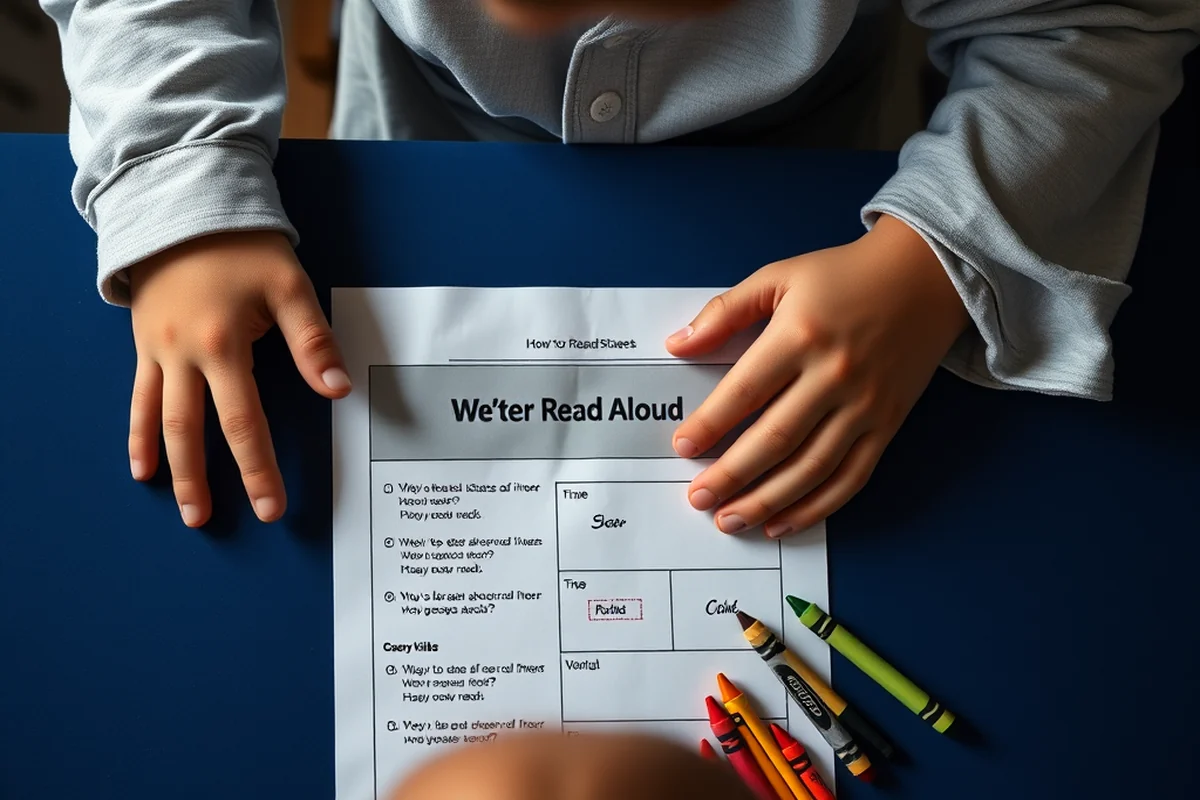
I've found that the best time to read aloud is when your child is alert and relaxed. For younger children, this often means right after a nap or before bedtime. For older children, it might be during a quiet afternoon or after school. The key is to find a time when your child is not distracted and can fully engage with the story.
I once tried reading to my son right after he had eaten a heavy lunch, and it didn't go well. He was too full, and he couldn't focus. After adjusting the timing, we found that reading in the early evening, after a short walk, was when he was most receptive. This allowed him to focus on the story without being overstimulated or distracted.
The timing of your reading can also affect your child's ability to retain information. When I read in the early evening, my son remembered the stories more clearly the next day. This consistency helped build his memory and comprehension skills over time.
Timing is everything when it comes to reading aloud — choose a moment that works best for your child.
Related: What is reading comprehension for grade 3
Choosing the Right Books
I learned early on that reading the same book over and over was not only beneficial but also necessary. For example, I read 'Brown Bear, Brown Bear, What Do You See?' to my son about 20 times in the first three months of our reading routine. Each time, he picked up new vocabulary, and the repetition helped him develop fluency and confidence in reading. (54%, ed.sc.gov)[4]
When choosing books, I look for ones that are slightly above my child's current reading level. This allows me to model reading strategies and helps my child learn new words. I also look for books with rich illustrations, as they provide visual context that supports comprehension.
Another tip is to choose books that align with your child's interests. If my son is fascinated by dinosaurs, I'll choose a book about them. This increases engagement and makes reading more enjoyable for both of us.
Select books that align with your child's interests to increase engagement and make reading more enjoyable.
“I remember the first time I read aloud to my then-4-year-old son, sitting cross-legged on the floor with a worn copy of 'Green Eggs and…”— Teaching Reading to Homeschoolers editors
Related: What is reading and writing
Creating a Reading Environment
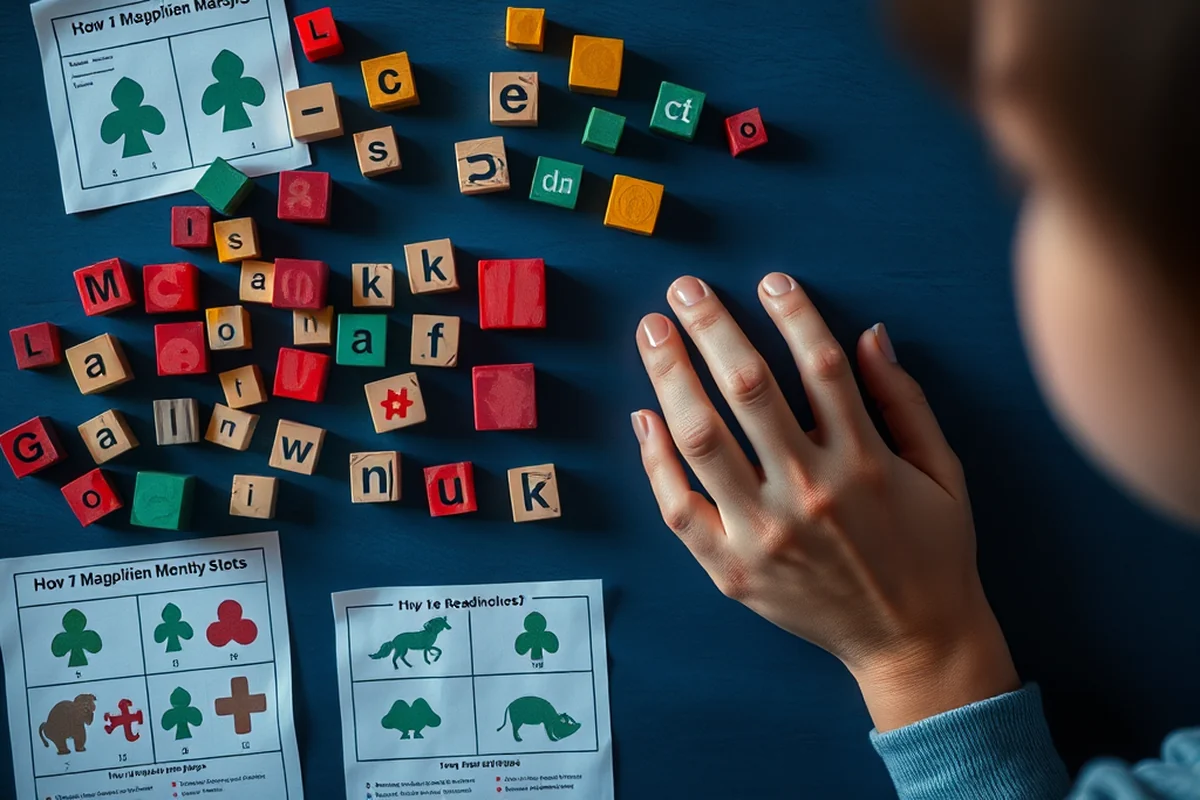
I made it a point to create a dedicated reading space in our home. It's a cozy corner with a soft rug, a small bookshelf, and a couple of bean bags. This space is free of distractions, and it's a place where we both know reading time is special. My son loves this space, and he often asks to go there even if we're not reading.
The reading environment should be comfortable, inviting, and free of noise and visual clutter. I have found that reading in a quiet room with soft lighting helps my child focus better. When we read in a busy or noisy environment, my son is easily distracted and doesn't engage as deeply with the story.
Over time, this dedicated reading space has become a place of comfort and learning. My son now associates this space with reading and learning, and he looks forward to our reading time each day.
Related: What is reading terminal market philadelphia
Making Reading Interactive
I've found that interactive reading is one of the most effective ways to teach my child. Instead of just reading the story, I ask questions, make predictions, and encourage my child to participate. For example, when reading 'Where's Waldo?' I let my son take turns finding Waldo and pointing out the details. This not only keeps him engaged but also helps him develop observation and problem-solving skills.
I also use interactive reading to teach my child about the structure of stories. I often ask him to predict what will happen next or to identify the beginning, middle, and end of the story. This helps him understand narrative structure and improves his comprehension skills.
Interactive reading also allows me to assess my child's understanding of the story. When I ask him questions, I can see if he's grasping the main ideas or if I need to go over certain parts again. This approach has helped me tailor my reading sessions to my child's needs and has made learning more effective.
Related: What is reading nook
The Role of Parental Involvement
I've noticed that my child's engagement with reading has increased dramatically when I'm actively involved. For example, I've found that reading aloud with him and discussing the story afterward helps him retain information better. When we read 'The Tale of Peter Rabbit,' we would talk about Peter's choices and the consequences of his actions. This discussion helped my son understand cause and effect and made the story more meaningful for him.
Parental involvement also helps build a strong emotional bond. When I take the time to read with my child and discuss the story, it shows him that I care about his learning and his growth. This has helped him develop a love of reading and has made learning a more enjoyable experience for him.
Over time, my child has started to take more initiative in our reading sessions. He now asks me to read specific books and even suggests new ones. This level of engagement would not have been possible without my active involvement in our reading routine.
Your involvement as a parent can make reading a more meaningful and engaging experience for your child.
Related: What is sight reading factory
The Long-Term Benefits of Reading Aloud
One of the most significant benefits of reading aloud is that it helps build a strong foundation for literacy. My son, who started reading aloud with me at age 4, is now in third grade and has a strong reading ability. He can read fluently and with comprehension, and he enjoys reading for pleasure. This early exposure to books and stories has played a huge role in his academic success.
Reading aloud also helps children develop a love of learning and curiosity. When I read to my son, I would often ask him questions about the story, and he would be eager to find the answers. This curiosity has translated into a love of learning that extends beyond reading and into other subjects.
The benefits of reading aloud are not limited to academic skills. It also helps children develop emotional intelligence, empathy, and social skills. When we read stories about characters facing challenges, my son has learned to be more empathetic and to understand different perspectives. These are skills that will serve him well throughout his life.
👶 Younger Kids (Ages 2-5)
Simple stories with repetitive language and vibrant illustrations to captivate attention and promote early language development.
👦 Older Kids (Ages 6-12)
Choose books with more complex vocabulary and themes. Encourage discussion and deeper thinking about characters and plot.
📚 No-Prep Version
Use any book on hand — even library books — and read with enthusiasm and engagement. No need for special supplies or planning.
👥 Group Version
Read aloud with a small group of children or other parents. This fosters social interaction and shared learning.
🎨 Extension Activity
After reading, have your child draw a scene from the book, retell the story in their own words, or act out a part of the story.
| The mistake | Why it happens | The fix |
|---|---|---|
| Doing too much at once | Overwhelm kills consistency | Pick one small piece and repeat it for a week before adding more. |
| Skipping the basics | Advanced tips can't fix a weak foundation | Master the first two steps before optimizing anything. |
How To Read Aloud
Common Questions
How long should I read aloud each day?
What if my child doesn't want to sit still during reading time?
Can I read aloud to my child even if I'm not a fluent reader?
What if my child is not interested in books?
References
Cite this guide
Teaching Reading to Homeschoolers (2026). How To Read Aloud. https://homeschoolread.com/how-to-read-aloud/
Feel free to cite or share this guide.