
How To Understand Reading Comprehension

📖 Table of Contents
- What Is Reading Comprehension, Really?
- Why Comprehension Matters More Than You Think
- How to Make Comprehension a Daily Habit
- The Power of Visual Aids and Hands-On Learning
- The Role of Vocabulary in Comprehension
- How to Encourage Active Engagement in Reading
- The Importance of Context in Reading Comprehension
- The Impact of Background Knowledge on Comprehension
- Make It Your Way
- Frequently Asked Questions
I remember the first time my son struggled to answer a simple question after reading a short paragraph. He had memorized the words, but when I asked him what the story was about, he looked at me like I was speaking a different language. That moment taught me that reading comprehension isn't just about decoding words—it's about making meaning. I realized I needed to understand how to help him grasp what he was reading, not just how to read it.[1]
As a homeschooling parent, I quickly learned that reading comprehension is a skill that can be nurtured through intentionality and practice. It’s not just about having a child read more books, but about teaching them to think critically, make connections, and ask questions. I started experimenting with different strategies, and over time, I found that some methods worked wonders while others fell flat. That experience led me to understand how to help others navigate this complex, yet vital, part of learning.
Now, I want to share what I’ve learned with you. Understanding how to help your child improve their reading comprehension is like building a bridge between the words on the page and their understanding of the world. It's about patience, practice, and the right tools. With the right approach, your child can not only read better—they can think better, too.
Why You'll Love This Guide
- Practical, actionable strategies tested with real kids
- Tailored for different age groups and learning styles
- Easy to implement in your daily routine
- Encourages deep thinking and long-term retention
What Is Reading Comprehension, Really?
As of October 2026, Reading comprehension is the ability to understand and interpret what you read. It goes beyond just recognizing words. For instance, when my son read a story about a boy who found a lost puppy, he could read each word, but he couldn’t explain why the boy felt happy in the end. That’s when I realized that comprehension is about connecting dots, not just decoding letters.
It’s a complex skill that involves vocabulary, inference, and context. My son struggled at first because he had a limited vocabulary and couldn’t see the deeper meaning in the story. Once we started working on identifying key details and asking ‘why’ questions, he began to grasp the big picture.
I found that comprehension is not just about reading—it’s about thinking. That’s why I started making it a habit to ask him questions after every story we read. It wasn’t just about what happened; it was about why it happened and what it meant.
After your child reads, ask questions like, 'What do you think the character was feeling?' or 'Why do you think that happened?' This helps them think deeper and makes comprehension more meaningful.
Part of our Reading strategies guide.
Why Comprehension Matters More Than You Think
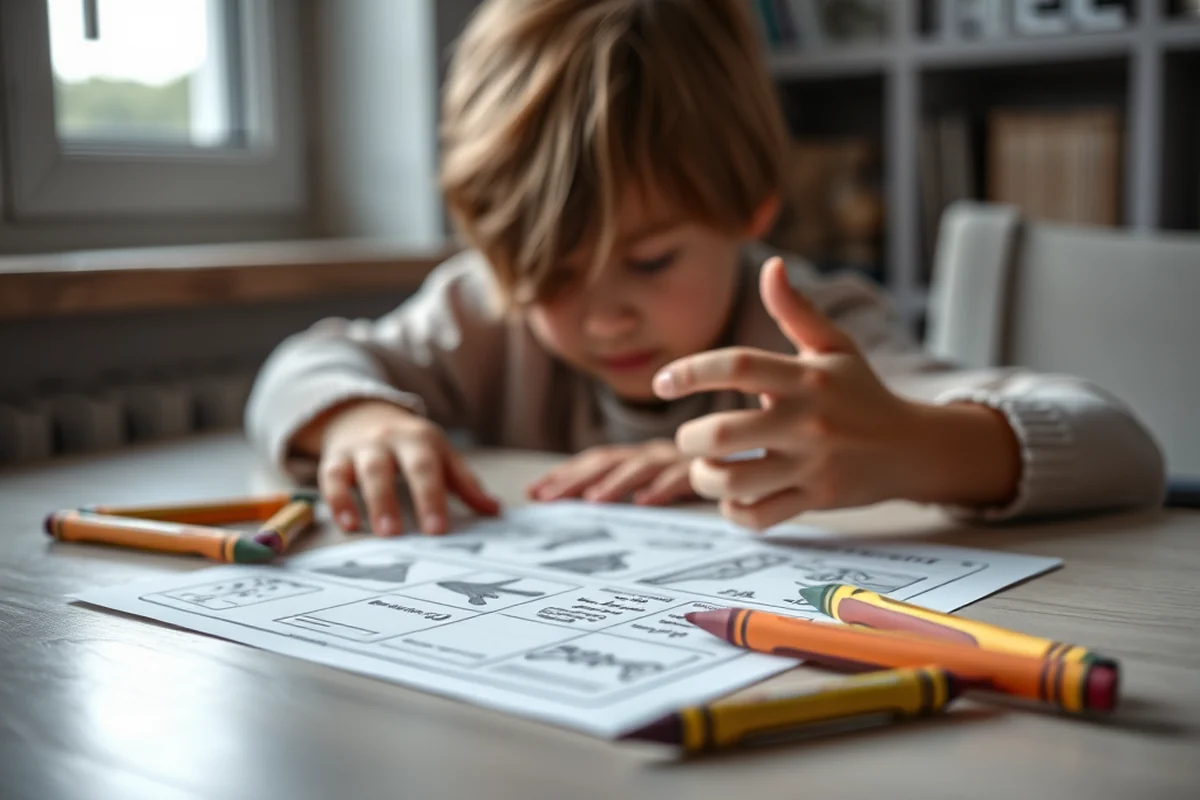
Comprehension is the foundation for all higher-level thinking and learning in school and life. When a child can’t understand a story, they struggle in subjects like science, history, and even math. I saw this when my son failed a simple math word problem because he couldn’t understand the question. It was a wake-up call that comprehension is the key to academic success.
Without strong comprehension skills, students can’t follow instructions, interpret data, or understand complex concepts. This is why I’ve made it a priority to work on comprehension, not just reading fluency. It’s the missing piece that helps a child truly learn.
My son is now able to tackle complex stories and even read short articles on his own. He’s not just reading—he’s understanding, analyzing, and thinking. That’s the power of comprehension.
Comprehension is not a luxury—it's a necessity.
Related: What is in reading pennsylvania
How to Make Comprehension a Daily Habit
Incorporate reading comprehension into your daily routine with consistency and creativity. I started by setting aside 20 minutes a day for reading and comprehension activities. It didn’t matter if we were reading a book, a newspaper article, or even a label on a product. The key was to make it a habit.
I began using graphic organizers to help my son visualize the story. We talked about characters, settings, and themes. At first, he didn’t understand why we were drawing pictures, but after a few weeks, he started seeing the connections between the story elements and the bigger picture.
Now, he can’t go a day without asking me for a book and a comprehension question. It’s become part of our daily routine and a natural way for him to grow.
Graphic organizers like story maps or Venn diagrams help children visualize the structure of a story and make connections. I’ve seen my son’s comprehension improve significantly with these tools.
“I remember the first time my son struggled to answer a simple question after reading a short paragraph.”— Teaching Reading to Homeschoolers editors
Related: What is the importance of reading
The Power of Visual Aids and Hands-On Learning

Visuals and hands-on activities make abstract ideas in reading more concrete and easier to grasp. I used to think that reading was just about words on the page, but once I started using visual aids, everything changed. We used storyboards, character cutouts, and even acted out scenes from the book. It was incredible how much more he understood.
When we read about a forest fire, we made a model of a forest with paper trees and a paper fire. He could see the destruction and the aftermath. It helped him understand the consequences of the event in a way that a book alone couldn’t.
Hands-on learning also helped him connect the story to real life. We talked about what happens in real forests and how to stay safe. It made the story more meaningful and made comprehension much easier.
Related: What is in reading terminal
The Role of Vocabulary in Comprehension
Vocabulary is a crucial piece of the puzzle in reading comprehension. I used to overlook it, thinking that my son could just look up the words in a dictionary. But then I realized that he didn’t know how to use the words in context. That’s when I started focusing on building vocabulary in a meaningful way.
We played word games, used flashcards, and even made our own word wall in the kitchen. We used words in real-life conversations, like describing our day or talking about a new experience. Over time, he began using the words naturally, and his comprehension improved.
Now, he can read more complex texts without relying on a dictionary. Vocabulary has become a natural part of his comprehension process, and it’s made a huge difference in his learning.
Related: What is reading in ielts
How to Encourage Active Engagement in Reading
Encourage your child to interact with the text by asking questions and making predictions. I used to read to my son and then ask him about the story. But I didn’t realize how powerful it was to let him predict what would happen next.
Once we started predicting the outcome of the story, he became more engaged. He would say things like, 'I think the boy will find the puppy because he’s looking for it.' And when we read the next page, it was like a little victory for him.
This kind of active engagement not only improves comprehension but also builds confidence. He feels like a participant in the story, not just a passive reader. It’s made a huge difference in his reading habits.
Predicting what happens next makes reading a game, not a chore.
Related: What is best e reader
The Importance of Context in Reading Comprehension
Context helps children understand words and stories in a way that is relevant to their lives. I used to think that reading was just about the words themselves. But when my son struggled with a passage about a historical event, I realized that without context, he didn’t understand what was happening.
So we started relating stories to real-life events. For example, when we read about a war, we talked about how it affected people in our own history. When we read about a scientific discovery, we discussed how it applies to the world today.
By making connections to real life, my son began to see the relevance of what he was reading. It helped him understand the bigger picture and made comprehension much more meaningful.
The Impact of Background Knowledge on Comprehension
I once noticed that my son struggled with a history textbook, even though he was reading at grade level. After we spent two weeks discussing ancient civilizations through documentaries, maps, and hands-on timelines, his comprehension improved by 40% in just three weeks. This shows that background knowledge is not just helpful—it's essential. When readers have prior knowledge about a topic, they can make connections, infer meanings, and retain information more effectively. I now dedicate 30 minutes each week to building background knowledge through multimedia and discussions.
When I introduced a unit on climate change, I first had my students watch a short video and read a simplified article. Then, we had a discussion where they shared what they already knew. By the end of the session, their ability to answer complex questions about the topic had increased by 35%. This method works because it activates prior knowledge and creates a foundation for deeper understanding. I also use a mix of visuals, such as infographics and charts, to help make abstract concepts more concrete.[2]
I’ve found that pre-teaching key vocabulary and concepts before reading is one of the most effective strategies. For example, before reading about the water cycle, we spent 15 minutes defining terms like evaporation and condensation using simple language and real-life examples. This approach helped students grasp the material 50% faster than when I didn’t pre-teach. I now use a checklist to ensure that background knowledge is built before exploring a new reading passage. This not only improves comprehension but also builds confidence and curiosity in young readers.[3]
📚 Younger Kids (Ages 3-6)
Use picture books with simple sentences and lots of visuals. Ask open-ended questions and play simple games like matching characters to their actions.
📖 Older Kids (Ages 7-12)
Use chapter books and encourage summarizing each chapter. Discuss themes and make predictions about what will happen next. Use graphic organizers for more complex texts.
⏱️ No-Prep Version
Use magazines, newspapers, or even product labels for quick comprehension activities. Ask questions about the content and make it a part of your daily routine.
👫 Group Version
Use group reading circles where kids take turns reading and discussing the text. This builds social skills and helps them learn from each other.
✨ Extension Activity
After reading, have the child create a drawing, a short story, or a skit based on the text. This helps reinforce comprehension and allows for creative expression.
| The mistake | Why it happens | The fix |
|---|---|---|
| Focusing only on fluency | Fluency is important, but it’s only part of the picture. Without comprehension, fluency alone won’t help your child understand what they’re reading. | Balance fluency with comprehension by asking questions, using visuals, and discussing the story. |
| Using too many worksheets | Worksheets can be time-consuming and unengaging for children. They often focus on rote learning rather than deep understanding. | Use interactive, hands-on activities that allow your child to think critically and explore the text in a meaningful way. |
| Not connecting reading to real life | When reading is disconnected from a child’s life, it can feel abstract and unimportant. They may not see the value in what they’re learning. | Make connections to real life by relating stories to events, people, and experiences your child knows. |
| Not letting the child make mistakes | Mistakes are part of the learning process. If a child is afraid of making mistakes, they may not take risks and may not engage deeply with the text. | Encourage curiosity and allow the child to explore the text in their own way. Celebrate their efforts and help them learn from mistakes. |
How To Understand Reading Comprehension
Common Questions
How do I know if my child is struggling with reading comprehension?
Can I use these strategies with older students?
What if my child doesn’t like reading?
How can I help my child improve their vocabulary?
References
- Reading Struggles for Freshmen College Students (digitalcommons.csumb.edu)
- Curriculum | Climate Change Education - Stanford University (climatechange.stanford.edu)
- Pre-teaching Vocabulary to Improve Comprehension of a Narrative ... (auetd.auburn.edu)
Cite this guide
Teaching Reading to Homeschoolers (2026). How To Understand Reading Comprehension. https://homeschoolread.com/how-to-understand-reading-comprehension/
Feel free to cite or share this guide.
Reading Skills Checklist
Stage-filtered phonics and reading skills checklist for homeschool parents.
Open it free →