
What Is The Importance Of Reading

📖 Table of Contents
- How Reading Builds a Child's Brain
- Why Reading Is a Gateway to Imagination
- Reading as a Tool for Empathy and Understanding
- The Long-Term Benefits of Reading
- How Reading Helps Children Learn to Think Critically
- Why Reading Is a Source of Joy and Comfort
- How Reading Helps Children Develop Confidence
- Make It Your Way
- Frequently Asked Questions
I still remember the first time my son picked up a book and read the entire story on his own. It wasn’t just a moment of pride for me; it was a revelation. That day, I realized that reading wasn’t just about learning to decode words—it was about unlocking a whole new world of thinking, feeling, and growing. Reading is one of the most important skills we can teach children, and its importance goes far beyond the classroom. It's about curiosity, connection, and the power of words to shape who we become.
When I began homeschooling my children, I quickly learned that reading was the foundation of everything else we were trying to teach. Math, science, history—it all came back to the ability to read, understand, and engage with text. But it wasn’t just about academics. Reading became a tool for empathy, a way to explore other perspectives, and a source of comfort in difficult times. The importance of reading became clear to me as a teacher, a parent, and a lifelong learner.[1]
Over the years, I've seen how reading can transform a child’s life. It's not just about being able to read—it's about the confidence that comes from knowing you can. It's about the joy of a story that takes you somewhere else. It's about the quiet moments when a child sits with a book and loses themselves in a world of imagination. And that, I believe, is the real importance of reading. It's not just a skill. It's a key to a brighter future.
Why You'll Love This Article
- Discover the real, life-changing importance of reading, not just for school but for everyday life.
- Get practical, actionable tips for helping your child become a confident reader.
- Explore the long-term benefits of reading and how it shapes a child's future.
- Find out how to make reading a joy, not a chore, in your homeschool.
How Reading Builds a Child's Brain
As of October 2026, when a child reads, they are engaging multiple areas of their brain at once. Studies show that reading increases brain connectivity and can even help with problem-solving and emotional regulation. I've seen this in my own children—when they read regularly, they seem more focused, more curious, and more capable of handling complex tasks.[2]
The act of reading activates the visual cortex, the auditory cortex, and even the motor cortex. This means that reading isn't just a language skill—it's a full-body, full-brain activity. For example, when a child reads about a character running, their brain simulates that action, even if they're sitting still.
Over time, this kind of mental exercise strengthens the brain's ability to process information, leading to better academic performance and even better emotional intelligence. Reading is like a mental workout that can be done from the comfort of a couch.
Make reading a shared activity by reading aloud with your child. This helps reinforce vocabulary and comprehension while building a strong emotional connection.
Part of our Reading strategies guide.
Why Reading Is a Gateway to Imagination
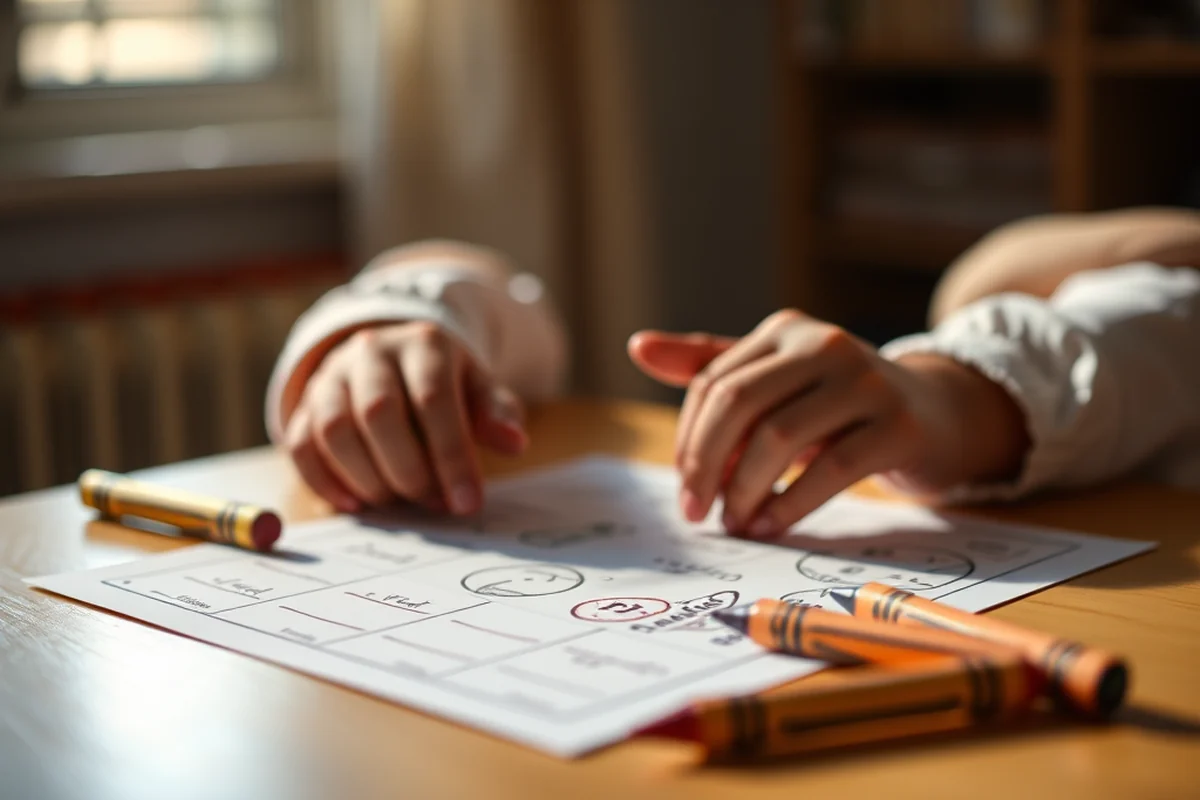
When a child reads, they're not just decoding words—they're building entire worlds in their minds. I remember the first time my daughter read a story about a girl who could fly. She didn't just see the words; she saw the sky, the wind, the feeling of flying. That kind of imagination is powerful and transformative.
Imagination is one of the most important skills a child can develop. It's the foundation of creativity, problem-solving, and empathy. Reading gives children the tools to imagine beyond their current reality. For example, when a child reads about a character who overcomes a challenge, they can imagine themselves in that same situation and see how they might handle it.
This kind of imaginative play through books helps children develop emotional intelligence and resilience. They learn to see the world from different perspectives and to understand complex emotions through the characters they meet in books.
Imagination is the key to unlocking a child's potential.
Related: What is reading quotes
Reading as a Tool for Empathy and Understanding
When a child reads about a character who is different from them—whether in background, culture, or experience—they begin to see the world from that person's perspective. This is one of the most powerful ways to build empathy. I've seen this in my own children, who have become more compassionate and more curious about the world around them through reading.
Books can introduce children to new cultures, new ideas, and new ways of thinking. For example, when my son read a story about a boy from a different country, he asked questions about that culture, and we ended up learning together. That kind of learning is invaluable.
Reading about other people's lives can help children understand that everyone has their own story. This kind of understanding is essential for building strong relationships and fostering a sense of connection with others.
Include books that feature characters from different backgrounds, cultures, and abilities. This helps children see the world as a rich and varied place, full of different stories and experiences.
“I still remember the first time my son picked up a book and read the entire story on his own.”— Teaching Reading to Homeschoolers editors
Related: How to read a book
The Long-Term Benefits of Reading

Reading is one of the most important predictors of long-term academic success. Studies show that children who read regularly are more likely to perform better in school and to graduate from college. I've seen this in my own children, who have consistently excelled academically and who have the confidence to tackle difficult subjects.[3]
In addition to academic success, reading is linked to better career outcomes. People who read regularly are more likely to be successful in their careers because they are better at problem-solving, communication, and critical thinking. These are all essential skills in the workplace.
Reading also helps build resilience. Children who read regularly are more likely to be persistent in the face of challenges, because they've learned to see the world as a place full of possibilities and solutions.
Related: What is read aloud revival
How Reading Helps Children Learn to Think Critically
When a child reads a story, they're not just absorbing information—they're analyzing it. They're asking questions, making connections, and forming their own interpretations. This is the beginning of critical thinking. I've seen this in my own children, who now ask thoughtful questions and engage in meaningful conversations.
Reading also helps children understand cause and effect, which is an essential part of critical thinking. For example, when a character makes a mistake, the child might wonder what happened and why. This kind of thinking helps children develop the ability to analyze situations and make informed decisions.
Critical thinking is one of the most important skills a child can develop. It helps them navigate complex situations, solve problems, and make thoughtful decisions. Reading is a powerful tool for building this skill from an early age.
Related: What is reading rope
Why Reading Is a Source of Joy and Comfort
There's something incredibly comforting about reading a book. For children, it's a way to escape, relax, and find comfort in a story. I've seen my children curl up with a book when they're feeling sad or stressed, and it's amazing how quickly they can find peace in the pages of a story.
Reading can also be a source of joy. When a child finds a book that they love, they may read it over and over again. This kind of joy is essential for building a lifelong love of reading. It's also a great way to help children cope with difficult emotions.
In addition to being a source of comfort and joy, reading can help children develop a sense of independence. When a child reads on their own, they feel a sense of accomplishment that can translate into other areas of their lives.
Reading is a quiet, powerful way to find comfort and joy in the world.
Related: What is science of reading
How Reading Helps Children Develop Confidence
When a child reads, they're proving to themselves that they can understand complex ideas and that they can succeed in challenging tasks. This is one of the most important ways that reading builds confidence. I've seen this in my own children, who have grown more confident as they've developed their reading skills.
Confidence is essential for success in all areas of life. Children who read regularly are more likely to take risks, try new things, and believe in themselves. This kind of confidence helps them handle the challenges of school, relationships, and the world around them.
In addition to building academic confidence, reading helps children build emotional confidence. They learn that they can handle difficult situations, that they can find solutions, and that they can be resilient in the face of challenges.
📚 Reading to Preschoolers
Use simple books with bright pictures and repetitive phrases to engage young readers and build early literacy skills.
📖 Reading for Older Kids
Choose more complex books with rich vocabulary and engaging plots to challenge and inspire older readers.
🎯 No-Prep Reading Activities
Grab a book and read anytime, anywhere. No planning required—just a book and a child ready to learn.
👥 Group Reading Activities
Create a reading circle with friends or family to share stories, discuss characters, and build a love of reading together.
🚀 Extension Activities for Readers
Take reading beyond the book with activities like writing a story, drawing a scene, or acting out a scene from a favorite book.
| The mistake | Why it happens | The fix |
|---|---|---|
| Forcing a child to read when they're not interested. | This can create a negative association with reading and reduce a child's motivation to read. | Find books that match your child's interests and make reading a fun, engaging activity. |
| Not reading aloud to your child. | Reading aloud is one of the most effective ways to build a child's vocabulary and comprehension skills. | Set aside time each day to read aloud to your child and discuss the story. |
| Choosing books that are too difficult for your child. | This can frustrate your child and discourage them from reading. | Choose books that are at your child's reading level and adjust the difficulty as they grow. |
| Neglecting to make reading a regular habit. | Reading regularly is essential for building strong reading skills and a lifelong love of reading. | Set aside a specific time each day for reading and make it a consistent part of your child's routine. |
What Is The Importance Of Reading
Common Questions
How can I help my child become a better reader?
What are some good books for young readers?
How can I make reading more enjoyable for my child?
What are the benefits of reading aloud to my child?
References
Cite this guide
Teaching Reading to Homeschoolers (2026). What Is The Importance Of Reading. https://homeschoolread.com/what-is-the-importance-of-reading/
Feel free to cite or share this guide.
Reading Skills Checklist
Stage-filtered phonics and reading skills checklist for homeschool parents.
Open it free →