
Reading Comprehension Practice Exercises

📖 Table of Contents
- What Are Reading Comprehension Practice Exercises?
- The Benefits of Daily Reading Comprehension Practice
- How to Choose the Right Reading Comprehension Exercises
- Creative Ways to Practice Reading Comprehension
- Using Technology for Reading Comprehension Practice
- Making Reading Comprehension a Family Activity
- Tracking Progress and Celebrating Success
- Make It Your Way
- Frequently Asked Questions
I remember the first time I realized my child wasn't just reading words — they were struggling to understand what they were reading. It was during a simple storytime, and as I watched them stare at the page, I knew something was missing. That moment taught me the importance of reading comprehension practice exercises, which are not just about decoding text, but about truly grasping meaning. These exercises help build the kind of thinking that turns a reader into a thinker.[4]
When I first started homeschooling, I assumed that if my child could read, they’d automatically understand what they were reading. I was wrong. My son could read the words, but he couldn’t answer basic questions about the story. That's when I discovered the power of structured reading comprehension practice exercises. These aren't just busy work or a quick fix — they are a foundational skill that helps kids connect with what they're reading, which is why I’m sharing these exercises with you today.
Through trial and error, I've come to see that reading comprehension practice exercises are not a one-size-fits-all approach. They need to be tailored to your child’s developmental stage, learning style, and interests. I've tested dozens of strategies over the years, and I've found that the most effective ones are those that are engaging, interactive, and purposeful. Here, I’ll guide you through a variety of reading comprehension practice exercises that work for different ages and abilities. I’ll explain exactly how I’ve used them in my own homeschooling journey.
Why You'll Love This Approach to Reading Comprehension Practice Exercises
- Engages multiple learning styles with hands-on, visual, and auditory components
- Builds critical thinking and analytical skills from an early age
- Offers a variety of exercises that can be adapted for different ages and abilities
- Provides clear, measurable progress through consistent practice
What Are Reading Comprehension Practice Exercises?
As of October 2026, these exercises can be as simple as asking a child to retell a story in their own words or as complex as analyzing the author’s intent. I’ve found that the key is consistency — when done regularly, these exercises help children develop a deeper understanding of text, vocabulary, and context. For example, I once had a 7-year-old who could read fluently but struggled with comprehension. After a month of daily exercises, his ability to infer meaning and make connections improved significantly.
One of the most effective exercises I’ve used is ‘Story Maps.’ This involves identifying characters, setting, problem, and resolution after reading a short passage. I’ve done this with my own children, and I can tell you, it’s surprising how much a child can learn just by visually organizing the story elements. This exercise also helps with memory retention and logical thinking.
I’ve also used ‘Question and Answer’ sessions as a way to engage my children in active thinking. I read a short passage, then ask them questions like, ‘What do you think the main character is feeling?’ or ‘What might happen next?’ I’ve noticed that this not only improves comprehension but also encourages creativity and emotional intelligence.
Create a simple map with spaces for characters, setting, problem, and resolution. Use sticky notes or magnets to move elements around as you read. This helps kids visualize the structure of the story and reinforces comprehension.
Part of our Reading strategies guide.
The Benefits of Daily Reading Comprehension Practice
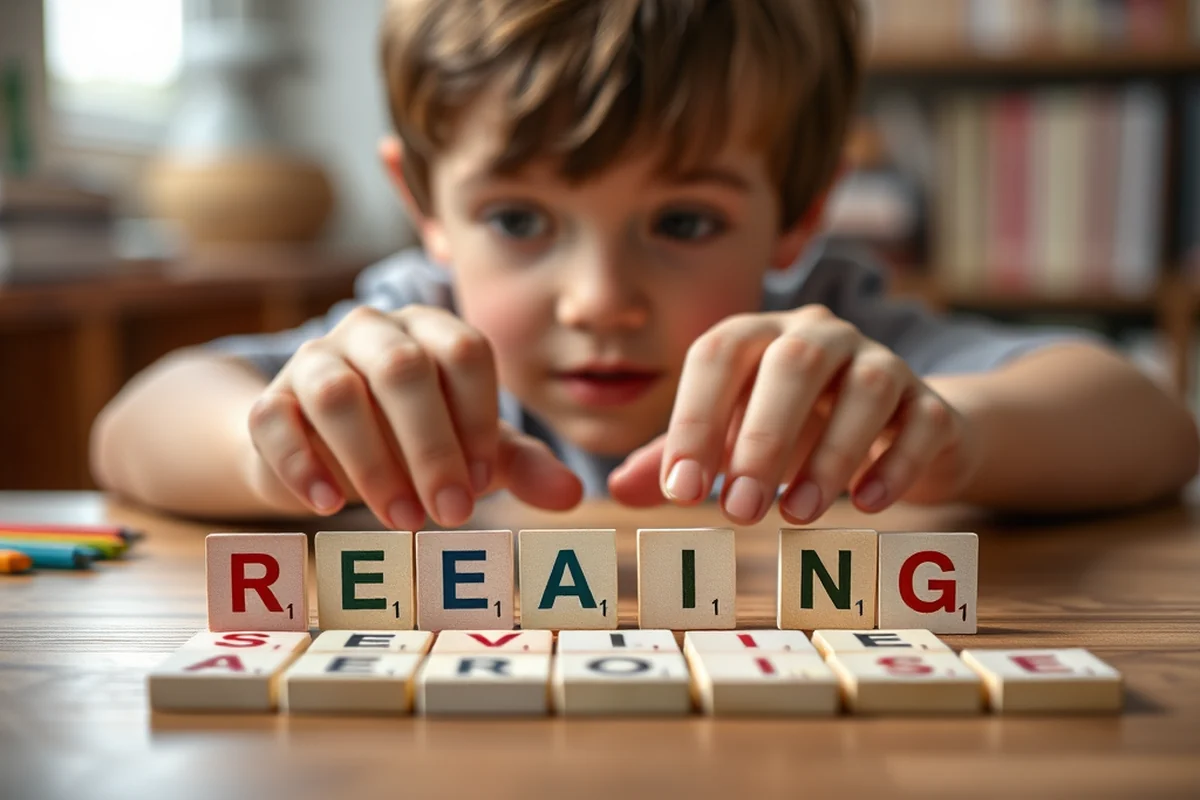
I’ve seen firsthand how consistent practice with reading comprehension exercises can transform a reluctant reader into a confident one. My daughter, who once avoided books, now eagerly participates in our daily reading sessions. The key was starting small — just 10 to 15 minutes a day with engaging, age-appropriate material. Over time, her vocabulary expanded, and she began to enjoy the process of understanding stories and making connections.[1]
Another benefit I noticed was the improvement in my children’s ability to focus. When they were younger, I often had to re-read stories or ask them to repeat what I’d just said. But with regular comprehension exercises, they learned to listen more carefully and retain information more effectively. This has been especially helpful in academic subjects like math and science, where comprehension is key.
Lastly, these exercises helped my children develop a genuine love for reading. When they saw that they could understand what they were reading and even discuss it with me, their confidence grew. They began to explore different genres and even wrote their own short stories. That’s the power of reading comprehension practice exercises — they don’t just teach kids to read, they teach them to think.
Consistency breeds confidence — and a love for reading.
Related: What is reading definition
How to Choose the Right Reading Comprehension Exercises
I’ve learned that not all reading comprehension exercises work for every child. For example, my 5-year-old thrives on visual and hands-on activities, while my 10-year-old prefers written questions and group discussions. It’s important to match the exercise to the child’s developmental stage. For younger children, picture-based comprehension tasks are ideal, while older children may benefit more from inferential questions or summarization exercises.[2]
I’ve also found that incorporating your child’s interests can make reading comprehension practice more engaging. If your child loves dinosaurs, for example, you can use dinosaur-themed stories and ask questions that relate to that theme. This not only makes the activity more fun but also helps reinforce learning through connection.
Finally, I recommend starting with simple exercises and gradually increasing complexity as your child grows. This way, your child doesn’t become overwhelmed, and they’ll feel a sense of accomplishment as they progress. I’ve used this approach with my children, and it’s worked wonders — they now look forward to each session, knowing they’ll be challenged but also supported.[3]
Use your child’s favorite topics as a basis for comprehension exercises. For instance, if they love animals, choose stories with animal characters and ask questions that relate to their interests and experiences.
“I remember the first time I realized my child wasn't just reading words — they were struggling to understand what they were reading.”— Teaching Reading to Homeschoolers editors
Related: How to get better at reading
Creative Ways to Practice Reading Comprehension

I’ve found that turning reading comprehension into a game can be incredibly effective. For example, I’ve used a ‘Detective Game’ where my child has to find clues in the text and solve a mystery. This not only makes the activity fun but also helps them practice inference and prediction skills. My son particularly enjoys this exercise and often asks for it on his own.
Another favorite is ‘Role-Playing Stories.’ After reading a story, I have my children act out scenes or take on the roles of different characters. This helps them understand the motivations and emotions behind the actions in the story. I’ve noticed that this method is especially helpful with more complex narratives, as it allows children to ‘live’ the story in a more immersive way.
I’ve also used real-life connections to reinforce comprehension. For example, after reading a story about a trip to the beach, we took a walk to the local park to observe the environment and compare it to the story. This helps children make meaningful connections between what they read and the world around them, deepening their understanding.
Related: What is reading comprehension definition
Using Technology for Reading Comprehension Practice
I’ve experimented with several apps and online tools designed for reading comprehension practice, and I’ve found them to be incredibly useful. One of my favorites is an app that lets children answer comprehension questions after reading a short story. The app provides instant feedback and tracks progress over time, which helps both the child and the parent see improvements.
Another tool I’ve used is an interactive online platform that offers leveled reading passages with embedded comprehension questions. The platform adjusts the difficulty based on the child’s performance, ensuring that they are always challenged but not overwhelmed. This has been especially useful for my older child, who enjoys the competitive aspect of leveling up.
I’ve also found that audiobooks paired with comprehension questions are a great way to practice listening comprehension. This is especially helpful for children who are still learning to read independently. I’ve used this method with my youngest child, and it has helped her develop both listening and reading skills simultaneously.
Related: What is reading in english
Making Reading Comprehension a Family Activity
I’ve found that involving the whole family in reading comprehension practice can be a game-changer. For example, we have a weekly family reading night where each member reads a short passage and then answers questions about it. This not only makes the activity more fun but also helps reinforce comprehension skills in a relaxed, supportive setting.
Another family-friendly approach is ‘Story Time Discussions.’ After reading a book, we all take turns sharing what we understood from the story. This encourages critical thinking and helps children see that reading comprehension is a skill that everyone can work on. I’ve noticed that my children are more confident in their answers when they see their parents and siblings participating as well.
I’ve also used group activities like ‘Story Charades’ where family members act out scenes from a story while the others guess what’s happening. This not only makes comprehension practice fun but also helps younger children grasp the narrative in a more engaging way. It’s been a hit with our family and has made reading time something we all look forward to.
Learning together makes the journey more joyful — and more effective.
Related: What is a reading pen
Tracking Progress and Celebrating Success
I’ve learned that tracking progress is an essential part of reading comprehension practice. I use a simple chart to record my children’s performance on comprehension exercises, and I’ve noticed that seeing their improvements over time helps them stay motivated. It’s also a great way for me to see which areas need more attention and which ones are improving.
Celebrating small successes is also important. For example, I’ve used stickers or small rewards for my children when they complete a comprehension exercise successfully. This helps build a sense of accomplishment and encourages them to keep trying. I’ve found that even a simple compliment from a parent or sibling can be a powerful motivator.
Finally, I’ve made it a point to review progress regularly and adjust exercises as needed. For instance, if my child is struggling with inference questions, I’ll focus more on those types of exercises. This personalized approach has helped my children develop their skills in a way that feels natural and effective.
👶 Younger Kids (Ages 3-6)
Use picture books and simple questions to help young children understand basic plot and character relationships.
👦 Older Kids (Ages 7-12)
Incorporate inferential questions, summaries, and debates to challenge older children and encourage deeper thinking.
📄 No-Prep Version
Use free printable worksheets and short stories to practice comprehension without any additional preparation.
👥 Group Version
Organize group reading sessions with comprehension games, role-playing, and collaborative story creation.
📈 Extension Activity
Use online tools or apps that offer adaptive comprehension exercises and real-time feedback for continued learning.
| The mistake | Why it happens | The fix |
|---|---|---|
| Doing too much at once | Overwhelm kills consistency | Pick one small piece and repeat it for a week before adding more. |
| Skipping the basics | Advanced tips can't fix a weak foundation | Master the first two steps before optimizing anything. |
Reading Comprehension Practice Exercises
Common Questions
How often should I do reading comprehension exercises with my child?
What if my child resists reading comprehension practice?
Can I use these exercises for multiple children in the same family?
Are there any free resources I can use for reading comprehension practice?
References
- (PDF) 501 READING COMPREHENSION QUESTIONS (academia.edu)
- Encouraging Critical Reading in the EFL Classroom (americanenglish.state.gov)
- Critical Reading Exercises | Antioch University (antioch.edu)
- Fun ESL Reading Activities to Boost Your Students' Skills (bau.edu)
Cite this guide
Teaching Reading to Homeschoolers (2026). Reading Comprehension Practice Exercises. https://homeschoolread.com/reading-comprehension-practice-exercises/
Feel free to cite or share this guide.
Reading Skills Checklist
Stage-filtered phonics and reading skills checklist for homeschool parents.
Open it free →