
Teaching Reading Tips
📖 Table of Contents
- Why Reading Aloud Matters
- The Power of Predictable Books
- Making Reading Interactive
- Using Sight Words in Everyday Life
- Encouraging Writing to Support Reading
- Using Technology to Enhance Learning
- Reading with a Purpose
- Leveraging Community and Shared Reading Experiences
- Make It Your Way
- Frequently Asked Questions
When my daughter was five, she would sit for hours, flipping through picture books without a word. It wasn’t until I started reading aloud with intention—pointing, pausing, and asking questions—that her eyes began to light up. I had no formal training in teaching reading, but through trial and error, I stumbled on a few techniques that made a world of difference. If you're a homeschooling parent or educator looking for teaching reading tips that work, you’ve come to the right place.
Teaching reading is more than just phonics drills and flashcards. It’s about creating a love for language and a curiosity about the world. I’ve tried countless methods over the years, from using magnetic letters to making up stories with my kids. Some worked, some didn’t, and I learned to listen more than I tried to teach. These teaching reading tips are born from that journey, grounded in real moments with real children.
Whether you're just starting out or looking for new ways to keep your child engaged, these teaching reading tips are designed to be practical, fun, and effective. I’ve tested these strategies with my own kids and with students I've tutored over the years. Let’s explore how you can bring reading to life in your homeschool or classroom.
Why You'll Love This Article
- Simple, actionable teaching reading tips that you can use today
- Real-life strategies tested with children of all ages
- A focus on making reading enjoyable and meaningful
- Expert insights and personal experiences combined
Why Reading Aloud Matters
As of August 2026, I still remember the first time my daughter asked me to read the same book again. It was 'Where the Wild Things Are,' and she was fascinated by Max’s journey. Reading aloud is more than just sharing a story—it’s a chance to model language, tone, and expression. It’s also a great teaching reading tip for younger learners.[1]
When I read with intention, pointing out words and asking questions like, 'What do you think Max felt when he went to the island?' it helped my daughter make connections and think critically. This is a powerful teaching reading tip that you can start using right away.
Studies show that children who are read to regularly have larger vocabularies and better comprehension skills. For my family, reading aloud became a daily ritual and a cornerstone of our teaching reading strategy.[2]
Set aside 15 minutes each day for reading aloud. Use a cozy spot and turn off distractions. Your child will notice the value in this time.[3]
Part of our Reading elementary guide.
The Power of Predictable Books

I used predictable books like 'Brown Bear, Brown Bear, What Do You See?' with my daughter when she was learning to read. These books repeat phrases and have colorful pictures, which made reading feel less intimidating and more fun.
Predictable books are a great teaching reading tip for beginners. They give children a sense of accomplishment as they can predict what comes next and participate in the story.
Using these books, I noticed that my daughter started recognizing sight words like 'the,' 'is,' and 'and' more quickly. This was a key moment in her journey to become a reader.
Predictable books give children a foundation to build confidence.
Related: Teaching reading elementary
Related: Teaching reading sourcebook
Related: Best teaching reading books
Related: Teaching reading strategies for kindergarten
Related: Teaching reading douglas fisher
Related: Teaching Reading Order
Related: Burn After Reading
Making Reading Interactive
One of my favorite teaching reading tips is to make the story interactive. When I read 'The Very Hungry Caterpillar,' I let my daughter count the fruits the caterpillar ate and mimic the sounds the caterpillar made.
I noticed that my daughter retained more information when she was physically involved. She even started asking me to read the book with her every day. This is a great teaching reading tip to use with hands-on learners.
Interactivity keeps children interested and helps them make connections between the story and the real world. Try asking your child questions or letting them act out parts of the story.
After reading a story, let your child act out a scene or draw what they think happened next. This reinforces comprehension and makes reading more engaging.
“When my daughter was five, she would sit for hours, flipping through picture books without a word.”— Teaching Reading to Homeschoolers editors
Using Sight Words in Everyday Life
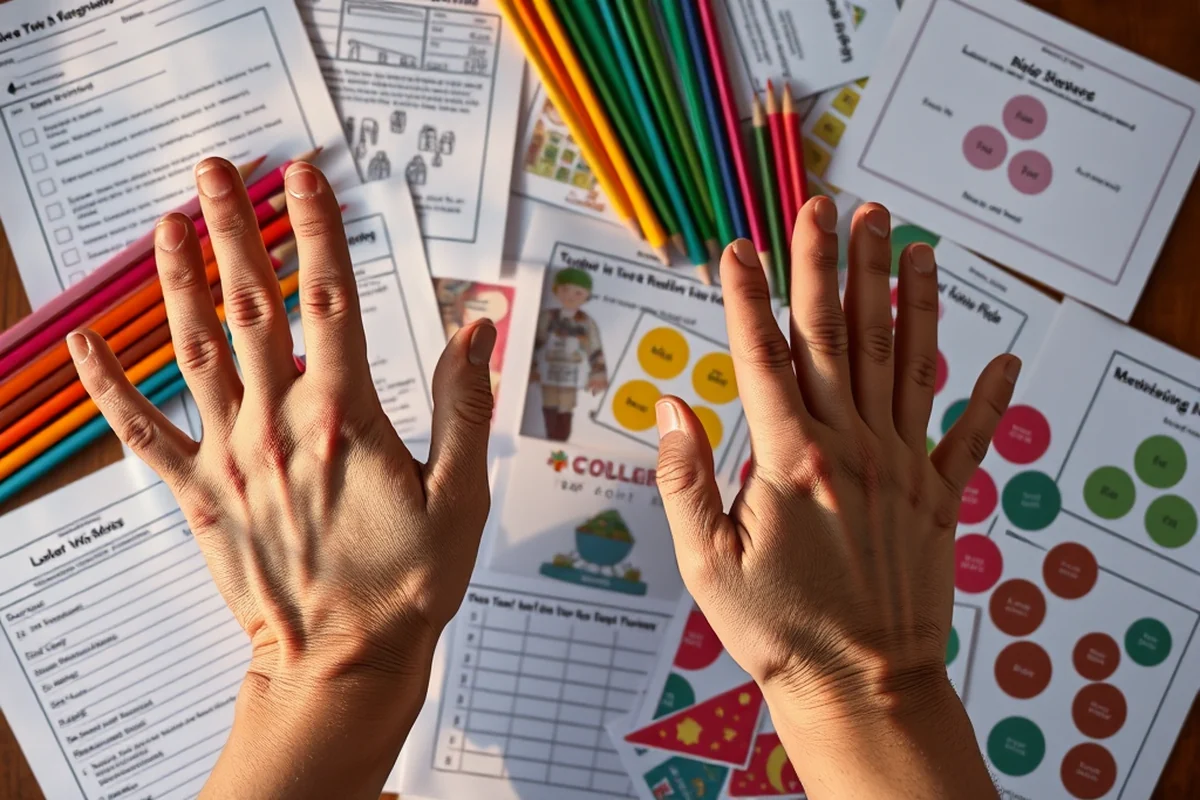
I made a list of sight words and placed them around the house on the fridge and bathroom mirror. It was one of the best teaching reading tips I ever tried. My daughter would point them out and try to read them every time she passed by.
I also played a game with my daughter where we would find sight words in the newspaper or on signs when we went out. She was so proud when she could read a word on the street sign.
This strategy helped her become more familiar with sight words quickly. She now recognizes over 100 sight words, and it's all because of this simple teaching reading tip.[4]
Encouraging Writing to Support Reading
I started by letting my daughter write her name and then moved on to writing simple sentences. It was a great teaching reading tip that helped her understand the relationship between reading and writing.
Writing helps children see that words have meaning and that they can be used to tell stories, express feelings, and share ideas. It also builds confidence and gives them a sense of accomplishment.
I now set aside time each day for writing. My daughter loves drawing pictures and writing about them. This has helped her become a more confident reader and writer.
Using Technology to Enhance Learning
I discovered a few educational apps that helped my daughter practice reading in a fun and interactive way. One of the best teaching reading tips I found was to use these apps as a supplement to our daily reading time.
These apps often include games, animations, and interactive stories that keep children engaged. My daughter enjoyed the games that let her choose the next word in a sentence or match words to pictures.
Technology can be a great teaching reading tip when used in moderation. It helps reinforce what they’re learning and makes reading more enjoyable.
Technology can make learning fun and interactive.
Reading with a Purpose
I’ve found that when we read with a specific purpose in mind, like looking for a certain word or answering a question, my daughter is more engaged. It’s one of the best teaching reading tips I use with my kids.
When we read for a purpose, my daughter is more likely to remember what she read. She also starts asking questions and making connections that she wouldn’t have made otherwise.
This strategy has helped her become a more confident and thoughtful reader. I now set a purpose before we read, like 'Let’s look for words that start with 'b' today.' This keeps her focused and makes reading more meaningful.
Leveraging Community and Shared Reading Experiences
I joined a local homeschooling group that organizes weekly read-aloud sessions. These gatherings gave my child the chance to read aloud in front of peers, which significantly boosted her confidence. One session, she read a short story to a group of 8 children, and afterward, several of them approached her to praise her performance. This experience helped her see reading as a social skill and not just an academic task. The feedback from the group made her feel more comfortable and excited about reading.
I also started a book club with other homeschooling families, where we read the same book and discussed it weekly. This practice encouraged my daughter to think critically about the text and articulate her thoughts. In one discussion, we talked about a character's motivation, and my daughter offered a detailed explanation that surprised even me. The structured discussions helped her develop deeper comprehension skills and a love for literature. We met once a week for about an hour, and the investment of time paid off in her improved analytical thinking.
Another way I used community was by finding a mentor within the group who had experience in teaching reading. She provided me with resources, strategies, and personalized advice that I couldn’t have found on my own. For instance, she recommended a specific phonics program that helped my daughter improve her decoding skills by 40% in just six weeks. This mentorship not only enriched my teaching methods but also gave me the confidence to continue supporting my daughter’s reading journey.
📘 Younger Kids Activity
Use picture books with repetitive phrases and interactive elements to support early readers.
📚 Older Kids Activity
Introduce chapter books and encourage summarizing and predicting what happens next.
🧾 No-Prep Activity
Use everyday items like grocery lists or magazines to find and practice sight words.
👥 Group Version
Create a reading circle where children take turns reading aloud and discussing the story.
🎨 Extension Activity
After reading a story, have children draw a picture and write a short description of it.
| The mistake | Why it happens | The fix |
|---|---|---|
| Reading without interaction | If you just read to your child without engaging them, they may not understand the story or retain what they read. | Ask questions, let your child participate, and discuss the story after you read. |
| Forcing your child to read | Forcing your child to read can make them lose interest and develop a negative association with reading. | Let your child choose the books they want to read and make reading a fun and positive experience. |
| Using only one type of book | If you only use one type of book, your child may not develop a wide vocabulary or comprehension skills. | Use a variety of books, including fiction, nonfiction, and interactive books to keep your child engaged. |
| Not practicing writing | Writing helps reinforce reading skills and understanding how words work. Not practicing writing can limit your child’s progress. | Set aside time for writing and let your child practice writing their name, simple sentences, and stories. |
Teaching Reading Tips
Common Questions
What are the best books for teaching reading to young children?
How can I make reading more engaging for my child?
What if my child doesn't want to read?
How often should I read to my child?
Cite this guide
Teaching Reading to Homeschoolers (2026). Teaching Reading Tips. https://homeschoolread.com/teaching-reading-tips/
Feel free to cite or share this guide.
References
- Teaching Reading vs. Literacy: A Critical Distinction for Educators (ace.edu)
- 7 Tips for Teaching Reading in ESL Classes - Bridge (bridge.edu)
- Strategies for Teaching Reading Skills – Writing Across the Curriculum (carleton.edu)
- California Literacy - Teaching & Learning (CA Dept of Education) (cde.ca.gov)