
What Is First Grade Reading

📖 Table of Contents
- What Exactly Is First Grade Reading?
- The Role of Phonics in First Grade Reading
- How to Support Your Child’s Reading Development
- The Importance of Comprehension in First Grade Reading
- How to Encourage a Love of Reading
- The Role of Writing in First Grade Reading
- How to Assess Your Child’s Reading Progress
- Make It Your Way
- Frequently Asked Questions
I remember the first time I watched my daughter hold a book, her eyes wide as she tried to make sense of the words. That moment, so innocent and full of potential, was the beginning of her journey into first grade reading. It wasn’t just about letters and sounds — it was about curiosity, connection, and the joy of discovery. As a homeschooling parent, I quickly learned that first grade reading isn’t just about being able to read a book — it’s about laying the foundation for a lifelong love of learning.[1]
First grade reading is a pivotal point in a child’s academic life. It’s where the dots start to connect — where phonics meets comprehension, and where a child begins to see themselves as a reader. But what exactly is first grade reading? It’s more than just decoding words; it’s about understanding them, thinking critically about them, and even beginning to write about them. It’s a skill that takes time, patience, and the right tools to nurture.[2]
I’ve spent years experimenting with different methods, materials, and techniques to help my children grow as readers. One thing I’ve learned is that first grade reading is not a one-size-fits-all experience. It’s messy, it’s fun, and sometimes it’s frustrating — but it’s also deeply rewarding. Whether your child is just beginning to recognize letters or is already reading short sentences, understanding what first grade reading entails can help you support them every step of the way.[3]
Why You'll Love This Guide to First Grade Reading
- You’ll gain a clear understanding of what first grade reading entails and how to support your child.
- You’ll learn practical strategies and activities that can be tailored to your child's unique learning style.
- You’ll discover how to encourage a love of reading that lasts a lifetime.
- You’ll feel more confident in your ability to help your child succeed in early literacy.
What Exactly Is First Grade Reading?
As of October 2026, First grade reading is a critical stage where children begin to move from recognizing individual letters to blending those letters into meaningful words. This is where phonics plays a major role — teaching children how to sound out words and understand the relationship between letters and sounds. For example, I noticed that my daughter started to recognize the letter 'b' and then began to blend it with other letters to make 'bat' and 'bug'.[4]
At this stage, children also learn to read short, simple sentences. They might start with books like 'Brown Bear, Brown Bear, What Do You See?' by Bill Martin Jr. And Eric Carle, which are visually engaging and use repetitive language. These books help children feel successful and confident as they begin to read independently.[5]
A key part of first grade reading is developing comprehension skills. It’s not enough to sound out words — children need to understand what they’re reading. I found that reading aloud to my daughter every day and asking her questions like 'What happened next?' or 'Why do you think that character did that?' helped her think more deeply about the stories she was reading.
Set aside 15 to 20 minutes each day for reading. Consistency is key when it comes to developing strong reading skills.
Part of our Reading elementary guide.
The Role of Phonics in First Grade Reading
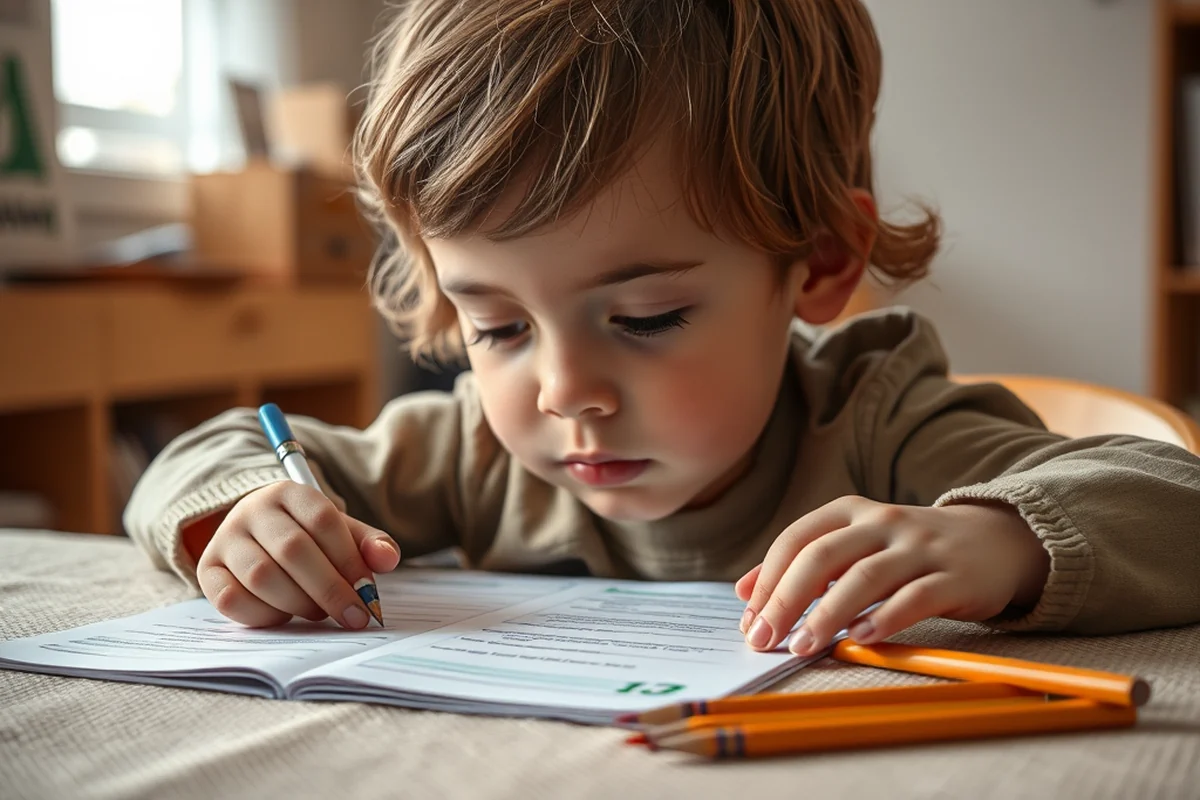
Phonics is the foundation of first grade reading. It teaches children how to sound out words by breaking them down into individual sounds. For instance, the word 'cat' is made up of the sounds /k/, /a/, and /t/. When my daughter was learning phonics, I used magnetic letters and a whiteboard to help her practice blending sounds together.
I found that using a variety of phonics tools — such as phonics apps, letter tiles, and flashcards — kept my daughter engaged and excited about learning. I also noticed that she started to recognize common sight words like 'the', 'and', and 'is' more quickly when she practiced with phonics regularly.
It’s important to note that not all children learn phonics at the same pace. Some may pick it up quickly, while others may need more practice and reinforcement. I made sure to be patient and encouraging, and I celebrated every small victory, like when my daughter was able to read the word 'dog' on her own for the first time.
Phonics is the key to unlocking the world of reading.
Related: Top 10 books to read
How to Support Your Child’s Reading Development
Creating a supportive environment for your child’s reading development is essential. I made sure to have a cozy reading nook in our home where my daughter could sit and read on her own. I also filled the house with books at her reading level — books that were interesting to her and that she wanted to read.
Reading together every day was one of the most important things I did. I would sit with my daughter and read aloud, pointing to the words as I read. This helped her learn how to follow the text and understand the flow of a story. I also asked her questions as we read, which helped her think more deeply about the material.
Another way to support your child’s reading development is to use a variety of reading materials. I used picture books, short storybooks, and even audiobooks to keep my daughter engaged. I found that audiobooks were especially helpful when she was learning to read — they gave her an opportunity to hear the words being read aloud and to follow along with the text.
Expose your child to different types of reading materials — picture books, short stories, audiobooks — to keep them engaged and interested.
“I remember the first time I watched my daughter hold a book, her eyes wide as she tried to make sense of the words.”— Teaching Reading to Homeschoolers editors
Related: What is school books
The Importance of Comprehension in First Grade Reading
Comprehension is one of the most important aspects of first grade reading. It’s not enough to be able to sound out words — children need to understand what they’re reading. I found that asking my daughter questions about the books we read helped her develop her comprehension skills. Questions like 'What do you think the character is feeling?' or 'Why do you think the story ended that way?' helped her think more deeply about the text.
I also noticed that my daughter started to make connections between the books we read and her own life. For example, after reading a book about a child who was nervous about starting school, she talked about how she felt nervous about starting first grade. This kind of connection helped her understand the story on a deeper level.
To help your child develop their comprehension skills, it’s important to read aloud to them regularly and to ask thoughtful questions. You can also encourage your child to retell the story in their own words, which helps reinforce their understanding of the material.
Related: What is i ready reading
How to Encourage a Love of Reading
Encouraging a love of reading is one of the most important things you can do for your child. I found that making reading fun and engaging helped my daughter develop a lifelong love of books. We turned reading into a game by using books that had interactive elements, like lift-the-flap books and books with textures.
I also made reading a shared activity. We would read together every night, and I would let my daughter choose the book we read. This gave her a sense of ownership over her reading and helped her feel excited about the process.
Another way to encourage a love of reading is to set a good example. I made sure to read for pleasure in front of my daughter — whether it was a book, a magazine, or even a newspaper. I found that seeing me enjoy reading helped her understand the value of books and the joy they can bring.
Related: What is a ebook reader
The Role of Writing in First Grade Reading
Writing plays an important role in first grade reading. It helps children reinforce the letters and sounds they’re learning and allows them to express their thoughts in writing. I found that having my daughter write simple sentences helped her understand how words work together to form sentences.
We started with simple activities like tracing letters and writing their names. As she became more confident, we moved on to writing short sentences, like 'I like apples' or 'My dog is brown.' These activities helped her understand the connection between reading and writing.
I also made sure to be patient and supportive when my daughter was learning to write. I celebrated every small victory, like when she was able to write her full name on her own for the first time. This helped her feel confident and excited about writing.
Writing is the bridge between reading and creativity.
Related: Kindle cloud reader
How to Assess Your Child’s Reading Progress
Assessing your child’s reading progress is an important part of supporting their learning. I found that observing my daughter’s reading habits and asking thoughtful questions helped me understand how she was progressing. For example, I noticed that she was able to read more complex sentences and understand the stories she was reading.
I also used simple assessments, like asking her to read a short passage aloud and then asking her questions about it. This helped me see if she was able to understand what she was reading and if she was making any mistakes in her reading.
It’s important to be patient and supportive when assessing your child’s reading progress. I made sure to focus on her strengths and celebrate her successes, rather than just pointing out her mistakes. This helped her feel confident and motivated to keep learning.
📚 Interactive Reading
Use books with lift-the-flap pages and textures to make reading more engaging.
🧩 Alphabet Bingo
Play a fun game to help your child recognize letters and sounds.
📖 No-Prep Reading
Use books and flashcards you already have to create a quick reading activity.
👥 Group Reading
Have your child read aloud to a sibling or friend to build confidence.
🎭 Storytelling Extension
Encourage your child to create their own stories and write them down.
| The mistake | Why it happens | The fix |
|---|---|---|
| Assuming that a child is ready for first grade reading just because they can recognize letters. | Recognizing letters is an important step, but it’s not enough to be ready for first grade reading. Children also need to be able to blend sounds and understand the meaning of words. | Make sure your child can blend sounds and understand the meaning of words before moving on to more complex reading activities. |
| Focusing too much on phonics and not enough on comprehension. | Phonics is important, but it’s just one part of first grade reading. Children also need to develop their comprehension skills to understand what they are reading. | Make sure to balance phonics instruction with comprehension activities, like asking your child questions about the books they read. |
| Not providing enough reading materials for your child. | Providing a variety of reading materials helps keep your child engaged and interested in reading. It also helps them develop their reading skills in different ways. | Make sure to provide your child with a variety of reading materials, including picture books, short stories, and audiobooks. |
| Not being patient and encouraging enough. | First grade reading is a process that takes time and effort. It’s important to be patient and encouraging, even when your child is struggling. | Be patient and encouraging when your child is learning to read. Celebrate every small victory and provide positive reinforcement. |
What Is First Grade Reading
Common Questions
What are some good books for first grade reading?
How can I help my child improve their phonics skills?
What is the best way to assess my child’s reading progress?
How can I make reading more fun for my child?
References
- Facilitating Better Literacy Outcomes in First and Second-Grade At ... (arch.astate.edu)
- Improving reading comprehension, science domain knowledge, and ... (cepr.harvard.edu)
- 1st Grade Reading & Writing | University of North Texas (ci.unt.edu)
- First Grade | Columbia Elementary School (columbiaes.fcps.edu)
- Welcome to 1ST GRADE! (doe.mass.edu)
Cite this guide
Teaching Reading to Homeschoolers (2026). What Is First Grade Reading. https://homeschoolread.com/what-is-first-grade-reading/
Feel free to cite or share this guide.
Reading Skills Checklist
Stage-filtered phonics and reading skills checklist for homeschool parents.
Open it free →