
What Is Media Literacy
📖 Table of Contents
- What Is Media Literacy and Why Does It Matter?
- The Role of Media Literacy in Education
- Developing Media Literacy Skills in the Classroom
- Media Literacy at Home: Practical Tips for Parents
- The Impact of Media Literacy on Critical Thinking
- Teaching Media Literacy to Younger Kids
- Media Literacy and the Future of Education
- Make It Your Way
- Frequently Asked Questions
I remember the first time I realized how much I didn’t know about the media I consumed. My daughter was watching a video that claimed a famous scientist had endorsed a certain product, and I had no idea where that claim came from. That moment was a wake-up call about the importance of media literacy. It’s not just about reading the news or watching videos — it’s about understanding the messages behind them and knowing how to question them. What is media literacy? It’s the ability to think critically about the information we encounter every day, whether it's on TV, social media, or even in a classroom.
Media literacy is not a new concept, but it has become more important than ever in our digital age. Back when I was in school, the main sources of media were books, newspapers, and television. Today, kids are exposed to a constant stream of content — videos, articles, social media posts, and more — often without any context or guidance on how to interpret it. That’s why I started looking into media literacy for my own family. I wanted to equip my children with the tools to handle the digital world with confidence and discernment.
What is media literacy? At its core, it’s about understanding how media works — who creates it, why it’s made, and what messages are being sent. It’s also about recognizing bias, identifying credible sources, and knowing how to respond to misinformation. I’ve seen the difference it makes when kids are taught these skills early on. They become more thoughtful consumers of information, better problem solvers, and more engaged members of their communities. Media literacy isn’t just a skill for today — it’s a lifelong asset that helps us all make better decisions in a world full of noise.
Why You'll Love This Guide to Media Literacy
- You’ll learn practical skills to help your kids navigate the digital world with confidence.
- This guide provides real-life examples and exercises that you can use at home or in the classroom.
- You’ll gain insight into how media shapes our perceptions and how to teach kids to think critically.
- It offers a roadmap for fostering media literacy from a young age, helping kids become more informed and responsible digital citizens.
What Is Media Literacy and Why Does It Matter?
As of October 2026, Media literacy is more than just knowing how to read — it’s about understanding the intent behind the message and the context in which it’s presented. For example, a news story might be written by a journalist, but the way it’s framed can shape how readers interpret it. I’ve noticed that when my kids learn to ask questions like 'Who created this content?' and 'What is the purpose of this message?', they become more aware of the media they consume.
One of the most surprising things I’ve learned about media literacy is that it’s not just about traditional media like TV and newspapers. It also includes digital platforms, social media, and even video games. In fact, a study by the Pew Research Center found that 92% of teens aged 13-17 use social media, and many of them are exposed to misinformation without realizing it. That’s why teaching kids to be media literate is so important — it helps them navigate these platforms safely and effectively.[1]
Media literacy also plays a role in helping kids become more empathetic and socially aware. When they understand how media can shape public opinion, they’re better equipped to engage in meaningful discussions and make informed decisions. This skill is especially valuable in the classroom, where students are often exposed to a wide range of media sources with varying perspectives.
When evaluating media, encourage kids to ask: 'Who created this?' 'What is the purpose?' and 'Is this information accurate?' These simple questions can help them think critically about the content they consume.
The Role of Media Literacy in Education
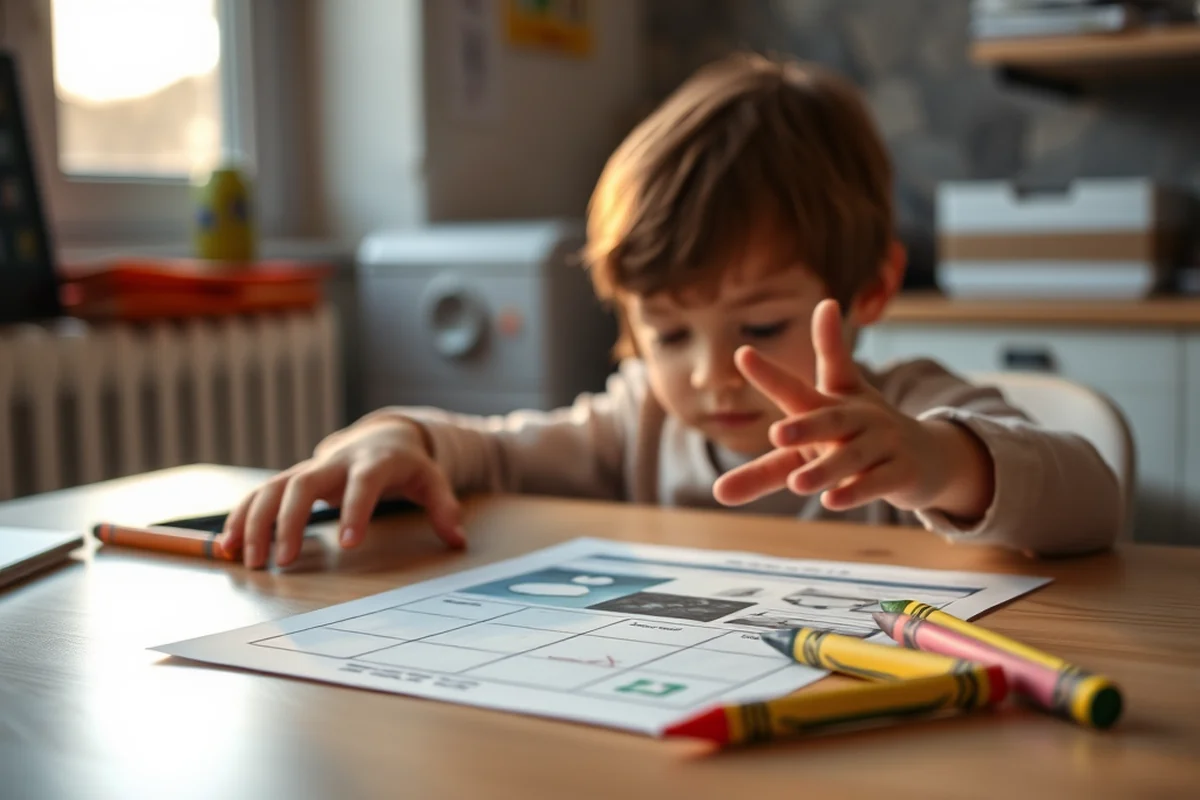
In the classroom, media literacy is often integrated into subjects like English, history, and social studies. For example, students might analyze a historical documentary to understand how media can shape public perception of events. I’ve seen teachers use this approach to help kids better understand the media’s role in shaping history and current events.
One of the most valuable lessons I’ve learned from my own experience is how media literacy can be applied across different subjects. In science, for instance, students can learn to evaluate the credibility of scientific claims made in the media. This helps them distinguish between peer-reviewed research and misinformation that’s often spread online.[2]
Media literacy is also a key component of digital citizenship education, which teaches students how to use technology responsibly and ethically. As the internet becomes more central to our lives, it’s essential for students to understand how to interact with media in a way that’s respectful and informed.
Media literacy isn’t just about consuming content — it’s about understanding how it affects us and how we can use it responsibly.
Related: What is books for baby
Developing Media Literacy Skills in the Classroom
One of the most effective ways to teach media literacy is through hands-on activities that encourage students to analyze different types of media. For example, I’ve used exercises where students compare news articles from different sources to see how the same event can be presented in different ways. This helps them understand the importance of context and perspective.
Another approach is to have students create their own media content, such as videos or social media posts. This helps them understand the creative process behind media production and how messages can be shaped to influence an audience. I’ve found that when students create their own content, they become more aware of how media can be used to convey different messages.
Incorporating media literacy into the classroom also means teaching students how to evaluate the credibility of sources. A useful technique I’ve used is to have students look up a piece of information and check multiple sources to see if the same facts are reported consistently. This helps them develop the habit of verifying information before accepting it as true.
Encourage students to compare how the same news event is covered in different media outlets. This helps them understand bias, perspective, and the importance of fact-checking.
“I remember the first time I realized how much I didn’t know about the media I consumed.”— Teaching Reading to Homeschoolers editors
Related: What is bible study for kids
Media Literacy at Home: Practical Tips for Parents
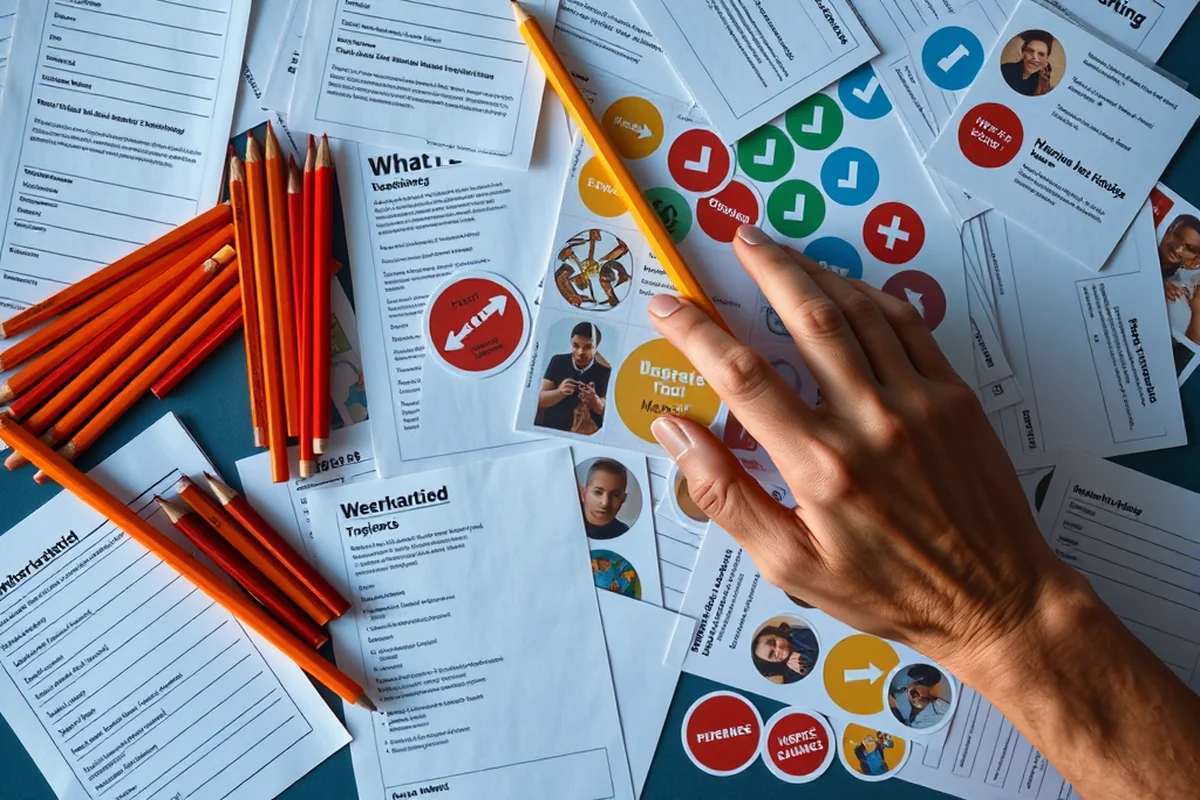
One of the most effective ways to teach media literacy at home is by having open conversations about the media your kids watch, read, or listen to. I’ve found that simply asking questions like 'What did you learn from that video?' or 'Do you think the message was accurate?' can help kids think more critically about the content they consume.
Another practical tip is to model media literacy behavior yourself. If you’re watching the news, take the time to explain how the information is presented and whether it seems biased or objective. When my kids see me analyzing media with a critical eye, they’re more likely to do the same when they’re exposed to it themselves.
You can also use media literacy as an opportunity to teach digital citizenship. For example, when discussing social media, you can talk about how to stay safe online, avoid sharing too much personal information, and recognize when content might be misleading. These lessons help kids become responsible digital citizens who can handle the online world with confidence.
Related: The best books about teaching
The Impact of Media Literacy on Critical Thinking
Critical thinking is one of the most important skills students can develop, and media literacy plays a key role in fostering that ability. When students learn to analyze media messages, they become better at evaluating information, identifying bias, and forming their own opinions. I’ve noticed that students who are taught media literacy skills are more likely to question the information they see in the news or online, rather than accepting it at face value.
One of the most surprising benefits of teaching media literacy is how it helps students become more independent learners. When they’re taught to evaluate sources and think critically about the information they consume, they’re better equipped to find reliable information on their own. This is especially important in the age of the internet, where misinformation is so prevalent.
Media literacy also helps students become more engaged in discussions and debates. When they understand how media can shape public opinion, they’re more likely to participate in meaningful conversations about current events. This skill is essential for students as they move into higher education and the workforce, where critical thinking and independent learning are highly valued.
Related: How to bible study for kids
Teaching Media Literacy to Younger Kids
Teaching media literacy to younger kids doesn’t have to be complicated. Simple activities like discussing a picture book or talking about a TV show can help them develop the skills to think critically about the media they consume. One of the easiest ways to start is by asking open-ended questions that encourage kids to think about what they’re seeing or hearing.
For example, when reading a storybook, I’ve found that asking questions like 'What do you think the character is feeling?' or 'Why do you think the story was written this way?' can help kids think more deeply about the content. These types of questions help them understand that media isn’t always straightforward — it can have different meanings and perspectives.
It’s also helpful to introduce the concept of bias at an early age. While it may seem too advanced for younger kids, simple examples like comparing two different versions of the same story can help them understand that media can be influenced by different perspectives.
Even the youngest learners can begin to think critically about media with the right guidance and support.
Related: Reading books for beginners
Media Literacy and the Future of Education
The way we consume and interact with media is changing rapidly, and education must keep pace with these changes. As more information becomes available online, it’s becoming increasingly important for students to be able to evaluate the credibility of sources and think critically about the content they encounter. This skill will be essential not only in the classroom but also in the workforce and in everyday life.
One of the most important roles of educators in the future will be to teach students how to use technology responsibly and ethically. This includes helping them understand how to protect their personal information online, recognize misinformation, and engage in meaningful discussions about media. These skills will help students become informed, responsible digital citizens.
As the internet becomes more central to our lives, media literacy will continue to be a key component of education. By teaching students how to think critically about media, educators are helping them develop the skills they’ll need to navigate a complex and ever-changing world.
🕵️ Younger Kids Activity: Media Detective Game
A fun, interactive game that helps younger children learn to identify bias and understand the purpose of different types of media.
📰 Older Kids Activity: News Analysis Project
A project where older kids compare how the same news event is covered in different media outlets, helping them understand bias and perspective.
💬 No-Prep Activity: Media Discussion Cards
A set of discussion cards that can be used in the classroom or at home to encourage open-ended conversations about media.
🎥 Group Activity: Create Your Own Media
A collaborative activity where students create their own media content, helping them understand how messages are shaped and presented.
🌐 Extension Activity: Digital Citizenship Workshop
A workshop that teaches students how to use technology responsibly and ethically, including how to identify misinformation and protect personal information online.
| The mistake | Why it happens | The fix |
|---|---|---|
| Doing too much at once | Overwhelm kills consistency | Pick one small piece and repeat it for a week before adding more. |
| Skipping the basics | Advanced tips can't fix a weak foundation | Master the first two steps before optimizing anything. |
What Is Media Literacy
Common Questions
How can I teach media literacy to my child at home?
What are some simple activities I can do with my child to teach media literacy?
How can teachers integrate media literacy into the classroom?
What are the benefits of teaching media literacy in the classroom?
References
- Implementation and Evaluation of a Media Literacy Skills Curriculum (files.eric.ed.gov)
- Media Literacy Resources - California Department of Education (cde.ca.gov)
Cite this guide
Teaching Reading to Homeschoolers (2026). What Is Media Literacy. https://homeschoolread.com/what-is-media-literacy/
Feel free to cite or share this guide.