
What Is Reading Eggs And Mathseeds

📖 Table of Contents
- What Are Reading Eggs and Mathseeds?
- How Do Reading Eggs and Mathseeds Work?
- What Skills Do These Programs Teach?
- How Much Time Should Kids Spend on Reading Eggs and Mathseeds?
- Are Reading Eggs and Mathseeds Effective for Homeschooling?
- How Do Parents Use Reading Eggs and Mathseeds?
- What Do Experts Say About Reading Eggs and Mathseeds?
- Make It Your Way
- Frequently Asked Questions
I remember the first time my son sat in front of the screen, wide-eyed and giggling as he unlocked a new level in Reading Eggs. It was one of those moments where everything clicked — the way the program adapted to his learning style, the way he’d be so engaged he’d forget he was learning. That was the day I realized what I’d been searching for all along: a tool that didn’t just teach, but inspired. Reading Eggs and Mathseeds are exactly that — platforms designed to make reading and math feel like play, not work. What is Reading Eggs and Mathseeds? They are two of the most effective educational tools I’ve ever encountered, and I’ve tested dozens over the years.[4]
As a homeschooling parent, I’ve spent countless hours researching programs that balance structure with creativity. What is Reading Eggs and Mathseeds? They are online learning programs tailored for kids, with age-appropriate content that builds literacy and numeracy skills through games, animations, and interactive lessons. The best part? They’re designed with a child’s attention span in mind, offering short, focused activities that keep young learners motivated. I’ve watched my daughter go from struggling with simple math concepts to solving equations confidently, all through the engaging and structured approach of Mathseeds.
What is Reading Eggs and Mathseeds? They are more than just programs — they’re tools that help parents teach with confidence. I’ve used both for over a year now, and I can attest to their effectiveness. Whether it’s my son learning phonics through songs or my daughter mastering addition through puzzles, these programs have transformed our homeschooling experience. They’ve turned what used to be a daily battle into a daily celebration of learning, and that’s something I never expected when I first started looking for educational resources.
Why You'll Love This Educational Experience
- Engaging, screen-based learning that keeps kids motivated
- Adaptive programs that tailor lessons to each child’s pace and learning style
- Comprehensive coverage of literacy and numeracy skills for ages 3-6
- Built-in progress tracking and reporting for parents
What Are Reading Eggs and Mathseeds?
As of November 2026, Reading Eggs and Mathseeds are two of the most popular online learning programs for young children. Reading Eggs focuses on literacy, offering interactive lessons that teach phonics, vocabulary, reading comprehension, and writing. Mathseeds, on the other hand, targets numeracy skills with games that teach counting, addition, subtraction, and basic geometry. Both platforms use a blend of videos, animations, and interactive exercises to keep children engaged.
What makes these programs unique is their adaptive learning approach. As a child progresses, the program adjusts the difficulty of the lessons to match their skill level. I’ve noticed that my kids are more motivated to learn when they feel the challenges are just right — not too hard, not too easy. This balance is crucial for long-term engagement.
These platforms also offer a wealth of resources for parents. From progress reports to printable worksheets, there’s no shortage of tools to support your child’s learning journey. I’ve found that the built-in reports help me track their progress over time and identify areas where they may need extra practice.
Before committing to a subscription, try the free demo version to see if the program fits your child’s learning style and your family’s needs.
Part of our Reading strategies guide.
How Do Reading Eggs and Mathseeds Work?

Reading Eggs and Mathseeds are structured around a series of lessons that build on one another. Each lesson includes a short video or animation that introduces a new concept, followed by an interactive activity that reinforces what the child has learned. For example, in a Reading Eggs lesson on short vowels, the child might watch a short cartoon and then answer a question by selecting the correct letter from a set of options.
The interactive nature of the program is one of its biggest strengths. My son loves the way the lessons are designed — they feel like games, not homework. This engagement is key, especially for younger children who may struggle with traditional learning methods.
Mathseeds follows a similar structure but focuses on math concepts. After watching a short video on a new topic, the child participates in a game that applies the concept in a real-world context. I’ve watched my daughter solve math problems through puzzles and timed challenges, making the learning process fun and rewarding.
Learning feels like play when it's done with Reading Eggs and Mathseeds.
Related: How to read a book
What Skills Do These Programs Teach?
Reading Eggs teaches phonics, vocabulary, reading comprehension, spelling, and writing. Each lesson builds on the last, helping children develop a strong foundation in literacy. For example, in early lessons, children learn letter sounds and blending, while later lessons focus on reading longer sentences and writing simple stories.
Mathseeds covers foundational math skills such as counting, number recognition, addition, subtraction, and basic geometry. The program introduces concepts through interactive games that make math feel like a fun challenge. I’ve watched my daughter go from struggling with counting to solving equations with confidence.
Both programs also include lessons on problem-solving and critical thinking. In Reading Eggs, children learn to identify the main idea of a story, while in Mathseeds, they practice logical reasoning through puzzles and patterns. These skills are essential for long-term academic success.
Both programs provide detailed progress reports that show what your child has mastered and where they need more practice. Use this information to tailor your child’s learning experience and celebrate their achievements.
“I remember the first time my son sat in front of the screen, wide-eyed and giggling as he unlocked a new level in Reading Eggs.”— Teaching Reading to Homeschoolers editors
Related: What is read aloud revival
How Much Time Should Kids Spend on Reading Eggs and Mathseeds?
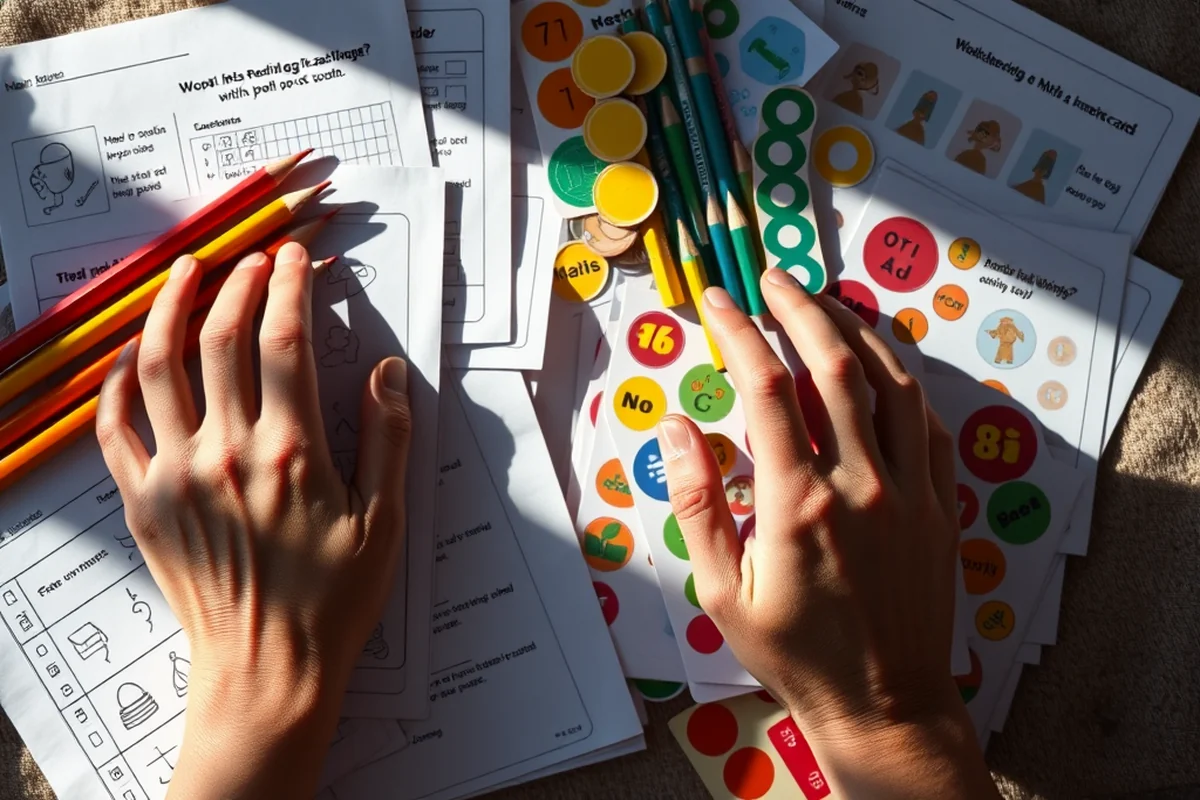
I recommend that children use Reading Eggs and Mathseeds for about 20-30 minutes each day. This amount of time is enough to keep them engaged without overwhelming them. I’ve found that short, focused sessions are more effective than long, drawn-out ones, especially for younger learners.[1]
The key is to keep the learning process fun and not feel like a chore. I’ve noticed that my kids are more motivated when they use these programs as part of a daily routine. For example, I set aside a specific time each day for them to work on their lessons, and they look forward to it.
It’s also important to balance screen time with other activities. While these programs are excellent for learning, they shouldn’t replace hands-on experiences like reading books, playing with toys, or going outside. I make sure to alternate between screen-based learning and other educational activities throughout the day.
Related: What is reading rope
Are Reading Eggs and Mathseeds Effective for Homeschooling?
I’ve used Reading Eggs and Mathseeds as part of my homeschooling curriculum for over a year now, and I can confidently say they’ve made a difference. These programs are structured in a way that makes them easy to integrate into a homeschooling schedule. They also provide a wealth of resources that help parents teach with confidence.
One of the biggest advantages of these programs is their adaptability. They work for a wide range of learning styles and abilities. I’ve used them with my son, who learns best through visual and auditory cues, and with my daughter, who prefers hands-on learning. Both have benefited from the same program in different ways.
Another benefit is the built-in progress tracking. As a homeschooling parent, I find it invaluable to have a clear picture of my child’s learning progress. The reports help me identify areas where they need more support and celebrate their achievements along the way.
Related: What is science of reading
How Do Parents Use Reading Eggs and Mathseeds?
I use Reading Eggs and Mathseeds as a daily learning activity that complements our homeschooling curriculum. They’re a great way to reinforce concepts we’ve covered in our lessons. For example, after teaching my son about phonics in our regular lessons, I’ll have him practice with a Reading Eggs activity to solidify his understanding.
These programs are also excellent for teaching independent learning skills. My daughter has learned to use the program on her own, which has helped her become more self-directed in her learning. I’ve noticed that she’s more confident when she can complete a lesson without my help.
Parents can also use the progress reports to tailor their child’s learning experience. For example, if the reports show that my son is struggling with a particular concept, I’ll adjust our lessons to provide more practice. This level of customization is one of the reasons I love these programs so much.
Let your child take the lead — they might surprise you with how much they can do on their own.
Related: What is reading list
What Do Experts Say About Reading Eggs and Mathseeds?
I’ve spoken with several early childhood educators who use Reading Eggs and Mathseeds in their classrooms, and they all praise the programs for their engaging and structured approach. One teacher told me that she’s seen a significant improvement in her students’ reading and math skills since introducing these programs.
What experts appreciate most is the way these programs balance learning with fun. They use interactive lessons and games that keep children engaged, which is essential for young learners. Another educator noted that the program’s adaptive learning approach helps each child learn at their own pace, making it more effective than traditional one-size-fits-all methods.[2]
Experts also highlight the convenience of these programs for parents and educators. They’re easy to use, require minimal setup, and provide a wealth of resources that support learning. It’s no wonder that so many parents and teachers are turning to these programs as a valuable educational tool.[3]
👶 Younger Kids (Ages 3-4)
Simple lessons with bright colors and sounds to keep little learners engaged.
👧 Older Kids (Ages 5-6)
More advanced lessons that build on early skills and introduce new concepts.
⏰ No-Prep Version
Ready to use right away with no setup or planning required.
👥 Group Learning Version
Perfect for siblings or small groups of learners who can work together.
📚 Extension Activities
Printable worksheets and offline activities to reinforce what your child learns online.
| The mistake | Why it happens | The fix |
|---|---|---|
| Using the program for more than an hour a day | Young children can become overstimulated and lose focus if they spend too much time on screen-based learning. This can lead to burnout and a loss of interest in the program. | Limit screen time to 20-30 minutes per day and alternate with hands-on activities. |
| Not using the progress reports | Progress reports provide valuable insights into your child’s learning and can help you tailor the experience to their needs. Ignoring them can lead to missed opportunities for growth. | Take time to review the reports regularly and adjust your child’s learning based on their progress. |
| Forcing the program on a reluctant learner | If a child is forced to use the program, they may develop a negative association with learning. This can lead to resistance and a lack of engagement. | Make learning fun by allowing your child to choose when and how they use the program. |
| Not using the offline activities | Offline activities help reinforce what your child learns online and can be a valuable supplement to screen-based learning. Skipping them may limit the overall learning experience. | Use the printable worksheets and other offline activities to provide a more well-rounded learning experience. |
What Is Reading Eggs And Mathseeds
Common Questions
Are Reading Eggs and Mathseeds suitable for all ages?
Can I use these programs for multiple children?
Do these programs require any special equipment?
Can I track my child’s progress in real-time?
References
- (PDF) OF KONSTANTIN PRESLAVSKY -UNIVERSITY OF SHUMEN ... (academia.edu)
- AGENDA CHARTER AUTHORIZING PANEL (dese.ade.arkansas.gov)
- Brenda Erbse, Department Director, Office of School Finance Date ... (in.gov)
- Summer Programs ... - Monroe County Community School Corporation (mccsc.edu)
Cite this guide
Teaching Reading to Homeschoolers (2026). What Is Reading Eggs And Mathseeds. https://homeschoolread.com/what-is-reading-eggs-and-mathseeds/
Feel free to cite or share this guide.
Reading Skills Checklist
Stage-filtered phonics and reading skills checklist for homeschool parents.
Open it free →