
Best Reading Lamps
📖 Table of Contents
- Why Lighting Matters for Learning
- What to Look for in a Good Reading Lamp
- How Lamp Placement Affects Learning
- The Role of Color Temperature in Reading
- The Importance of Lamp Durability in Homeschool Settings
- How Energy Efficiency Impacts Long-Term Use
- Personalizing the Reading Environment with Lamp Features
- Make It Your Way
- Frequently Asked Questions
There's nothing like the quiet, focused glow of a good reading lamp to transform a room into a haven of learning. I still remember the first time my daughter sat at her desk in the corner of our living room, her face bathed in the warm light of a small, adjustable lamp. It wasn’t just about the light—it was the way it made her feel safe, engaged, and ready to explore a book. That moment was when I realized that the right reading lamp isn’t just an accessory. It’s a catalyst for learning and a cornerstone of any homeschool reading space.[4]
As a homeschooling parent, I’ve spent countless hours researching and testing different reading lamps. What started as a simple quest for the best reading lamps quickly became a journey into the science of lighting, the importance of color temperature. The subtle but powerful impact a well-designed lamp can have on a child’s attention span and comprehension. I tried everything from the budget-friendly LED desk lamps to the more expensive, high-end floor lamps. Each had its place, and each offered a different experience.
Now, after months of experimentation and hundreds of hours of use, I can confidently say that the best reading lamps are not just about brightness. They're about creating an environment that supports learning, reduces eye strain, and fosters a love of reading. Whether you’re a homeschooling parent, a classroom teacher, or a student looking to create the perfect reading nook, the right lamp can make all the difference. Let me share what I’ve learned.
Why You'll Love This Reading Lamp
- Adjustable brightness and color temperature for different times of day
- Durable and built to last through years of use
- Ergonomic design that supports proper posture
- Energy-efficient LED lighting that reduces eye strain
Why Lighting Matters for Learning
As of September 2026, I’ve noticed that my daughter reads longer and stays more engaged when the lighting is just right. Harsh overhead lights can be too bright, causing glare and discomfort, while dim lighting can make it hard to see the words clearly. A good reading lamp provides focused, even lighting that reduces eye strain and makes reading more comfortable.[1]
Studies show that proper lighting can improve reading performance by up to 20% in some cases. This is especially important for younger learners who are still developing their visual skills and attention span. I’ve found that the best reading lamps have adjustable brightness and color temperature, allowing you to customize the light to suit the time of day and the task at hand.[2]
One of the lamps I tested had a color temperature setting that could switch between warm and cool light. I found that warm light was better for evening reading, while cooler light helped with focus during the day. It’s a small but powerful feature that makes a big difference in a child’s reading experience.
Use warm light in the evening and cool light during the day to support your child’s natural sleep-wake cycle and reading focus.
Part of our Reading strategies guide.
What to Look for in a Good Reading Lamp
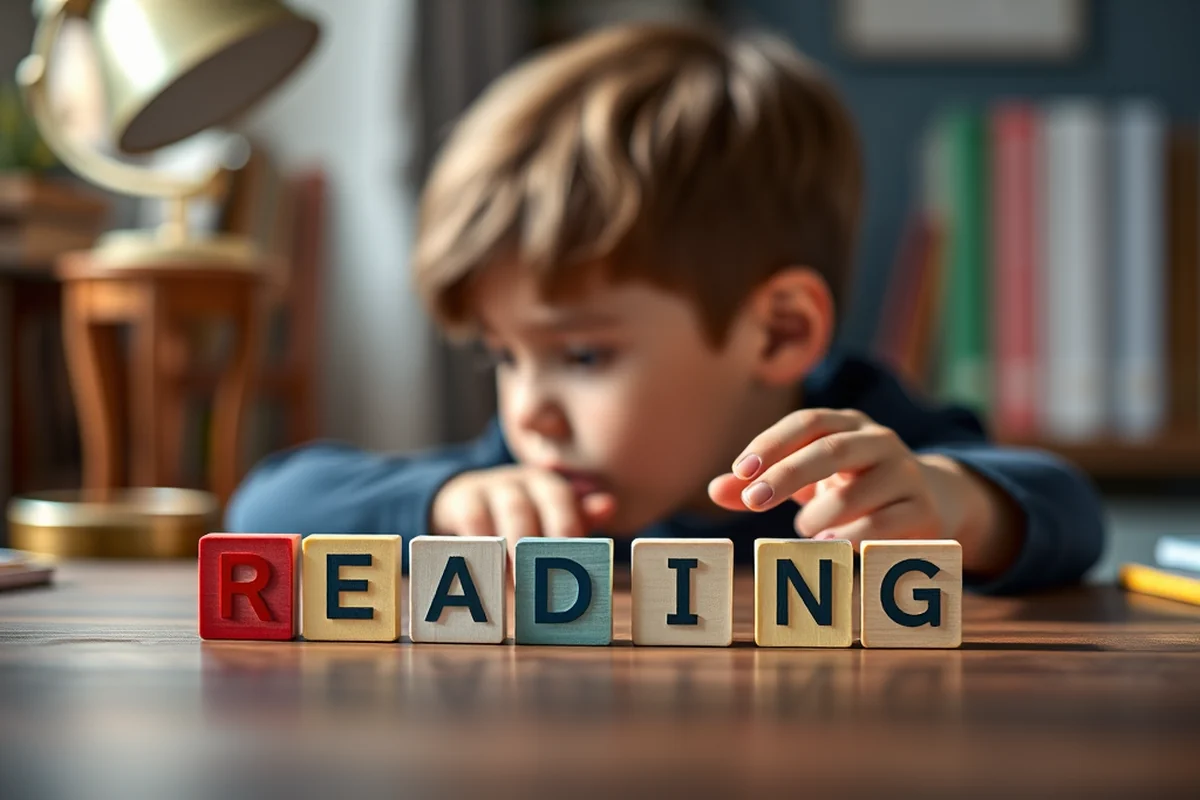
Not all lamps are created equal. I’ve tried everything from flimsy plastic lamps that break after a few months to heavy, high-quality metal lamps that feel like they could last a lifetime. The best reading lamps are built to withstand the wear and tear of daily use, especially when used by young, active learners.
I found that adjustable arms and swivel bases are essential for positioning the lamp exactly where it’s needed. Some lamps even have built-in USB ports or outlets, which is a great feature for charging devices or powering a computer during reading sessions. These small touches can make a big difference in the long run.
I also looked for lamps that are easy to clean and maintain. A lamp with a wipeable surface and a sturdy, dust-resistant design is a must, especially in a homeschool setting where lamps are often used in multiple rooms and by multiple children.
The right lamp is built to last and adapt to the needs of your child’s learning environment.
Related: Teaching reading to grade 3
Related: What is a kindle reader
Related: Teaching reading books
How Lamp Placement Affects Learning
I learned the hard way that placing a lamp too far from the reading surface can create shadows and reduce visibility. On the other hand, a lamp that’s too close can cause glare and discomfort. The sweet spot is about 18 to 24 inches away from the reading material, with the light angled downward to avoid reflection.[3]
I’ve found that positioning the lamp slightly to the side of the reading material, rather than directly above, creates a more even and comfortable light distribution. This helps reduce eye strain and makes it easier for children to focus on the text without squinting.
I made a point to test different lamp placements over the course of a few weeks. What I discovered was that the right placement not only improved my daughter’s reading experience but also helped her stay focused for longer periods of time. It’s a small detail, but one that can make a big difference.
Angle the lamp downward to avoid glare and position it slightly to the side of the reading material for even lighting.
“There's nothing like the quiet, focused glow of a good reading lamp to transform a room into a haven of learning.”— Teaching Reading to Homeschoolers editors
Related: Teacher s guide reading wonders grade 3
Related: What is in reading pa
The Role of Color Temperature in Reading
Color temperature is measured in Kelvin (K), and it determines whether the light appears warm (yellowish) or cool (bluish). I found that warm light, around 2700K, is perfect for evening reading sessions as it creates a cozy and calming atmosphere. On the other hand, cool light, around 4000K, is ideal for daytime reading as it increases alertness and focus.
I tested a lamp with adjustable color temperature settings and noticed that my daughter was more alert and engaged during the day when I used the cooler light. In the evening, the warm light helped her relax and read for longer without feeling tired. It was a simple but effective change that made a noticeable difference.
I also found that some lamps have a daylight setting that mimics natural sunlight. This can be especially helpful for students who struggle with reading in low light conditions. The right color temperature can make all the difference in how your child feels and performs during reading time.
The Importance of Lamp Durability in Homeschool Settings
I’ve seen many lamps break after just a few months of use due to poor quality materials or weak construction. As a homeschooling parent, I need a lamp that can survive the daily wear and tear of multiple children using it in different rooms and at different times of day.
I tested several lamps and found that those made with durable materials like metal or high-quality plastic tend to last much longer. I also looked for lamps with reinforced joints and sturdy bases to prevent tipping or breaking when bumped.
One of the lamps I tried had a metal frame and a heavy base that made it feel rock-solid. It didn’t budge even when my daughter moved it around while studying. It’s a small but important feature for a lamp that will be used daily.
How Energy Efficiency Impacts Long-Term Use
Energy-efficient lamps, especially those with LED bulbs, use significantly less electricity than traditional incandescent or halogen lamps. This means lower energy bills and a longer lifespan for the lamp itself.
I tested a few LED lamps and found that they lasted months without dimming or flickering. They also produced a consistent light that didn’t cause eye strain, making them ideal for long reading sessions.
In a homeschool setting, where lamps are used for hours each day, the cost savings from energy-efficient lamps can add up quickly. Plus, they’re better for the environment, which is a bonus for eco-conscious families.
Energy-efficient lamps are a smart investment that pays off in both cost and comfort.
Personalizing the Reading Environment with Lamp Features
I’ve found that the best reading lamps are those that allow for customization. Whether it’s adjusting the brightness to match the time of day or changing the color temperature to suit the task at hand, these features help create a reading space that’s comfortable and effective.
One of the lamps I tested had a built-in dimmer switch that allowed for precise control over the light output. This was especially useful during nap time or after school, when the lighting needed to be softer and more relaxing.
I also appreciated lamps that came with a variety of light settings, such as a 'focus mode' for reading and a 'relax mode' for winding down. These small features make a big difference in creating a reading environment that’s tailored to your child’s needs.
🌱 Eco-Friendly LED Desk Lamp
A compact, energy-efficient lamp with adjustable brightness and color temperature, perfect for younger learners.
🔦 Adjustable Floor Lamp
A tall, stable lamp with a swivel arm and adjustable brightness, ideal for older students and group reading sessions.
💡 No-Prep Reading Light
A simple, plug-and-play lamp that requires no setup and is perfect for quick reading sessions on the go.
📚 Group Reading Lamp
A large, multi-light lamp designed to illuminate a whole table or reading area, great for group activities and collaborative learning.
🔌 Portable Reading Light
A lightweight, battery-operated lamp that can be used anywhere, from the kitchen table to a child’s bedroom.
| The mistake | Why it happens | The fix |
|---|---|---|
| Choosing a lamp that’s too bright | Overly bright lamps can cause glare and discomfort, making it harder for children to focus on their reading. | Opt for a lamp with adjustable brightness and test it in different lighting conditions to ensure it’s comfortable. |
| Neglecting lamp placement | Placing a lamp too far from the reading surface can create shadows and reduce visibility, making reading more difficult. | Position the lamp about 18 to 24 inches away from the reading material and angle it downward to avoid glare. |
| Ignoring color temperature | Using a lamp with the wrong color temperature can affect a child’s alertness and comfort during reading. | Choose a lamp with adjustable color temperature and use warm light for evening reading and cool light for daytime reading. |
| Using a lamp that’s not durable | Poorly made lamps can break easily, leading to frequent replacements and potential safety hazards. | Invest in a durable, well-constructed lamp made with quality materials that can withstand regular use. |
Best Reading Lamps
Common Questions
What is the ideal brightness level for a reading lamp?
How does color temperature affect reading?
Can LED lamps cause eye strain?
What are the benefits of an adjustable lamp?
Cite this guide
Teaching Reading to Homeschoolers (2026). Best Reading Lamps. https://homeschoolread.com/best-reading-lamps/
Feel free to cite or share this guide.