
What Is Reading Passage

📖 Table of Contents
- What Exactly Is a Reading Passage?
- Why Reading Passages Are Important in Education
- How to Use Reading Passages Effectively
- The Different Types of Reading Passages
- How Reading Passages Support Literacy Development
- Tips for Choosing the Right Reading Passage
- The Role of Reading Passages in Homeschooling
- Make It Your Way
- Frequently Asked Questions
I remember the first time my son sat at the kitchen table with a book in his hands, eyes wide and mouth open, not speaking a word for nearly ten minutes. It wasn’t because he was bored — it was because he was reading. That moment taught me something I didn’t expect: reading passages are more than just blocks of text. They are little worlds, waiting for curious minds to explore. A reading passage is like a map, guiding children through unfamiliar territories of vocabulary, comprehension, and imagination. It’s the foundation on which all future reading skills are built.[1]
A reading passage is not just something you find in a textbook or on a worksheet. It’s a carefully chosen piece of writing that serves a specific purpose, whether it’s to teach a new concept, reinforce a skill, or simply entertain. I’ve spent years testing and refining the way I use reading passages with my children, and I can tell you from experience that the right passage can make all the difference. It’s not about the length, the complexity, or even the topic — it’s about how well the passage connects with the reader and how effectively it supports their growth.
In this article, I’ll take you through what a reading passage really is, how it’s used in education, and why it matters so much. I’ll share personal stories, give you practical examples, and even walk you through how to choose the right passage for your child. Whether you’re a homeschooling parent or a classroom teacher, understanding the power of a reading passage can transform the way your child learns to read.
Why You'll Love This Activity
- Reading passages are versatile and adaptable to different learning levels.
- They offer a tangible way to practice comprehension and vocabulary in real contexts.
- They can be used for both structured lessons and spontaneous learning moments.
- They help build confidence and fluency through repeated exposure and interaction.
What Exactly Is a Reading Passage?
As of October 2026, a reading passage is a concise piece of text that is selected specifically to teach or reinforce a skill. It can be a story, an article, a poem, or even a set of instructions. The length and difficulty of a passage are usually tailored to the reader’s age and reading level. For example, a passage for a first grader will have simple vocabulary and short sentences, while a passage for a fifth grader might include more complex language and ideas.
I’ve used reading passages with my children for years, and one of the first things I learned was that the best passages are the ones that engage the reader. If a child is bored or confused by the text, they won’t be able to absorb the lessons it’s meant to teach. That’s why I always look for passages that are interesting, relevant, and slightly challenging. A good passage should feel like a story — not a test.
In my experience, the best reading passages are those that spark curiosity and encourage discussion. When my son read a passage about a boy who discovers a hidden cave in the woods, he asked a dozen questions about caves, animals, and what it’s like to explore unknown places. That’s exactly what a reading passage is meant to do: create a conversation and a connection between the reader and the text.
Always select a passage that is slightly above your child’s current reading level but still comprehensible. This helps build confidence and fluency.
Part of our Reading strategies guide.
Why Reading Passages Are Important in Education
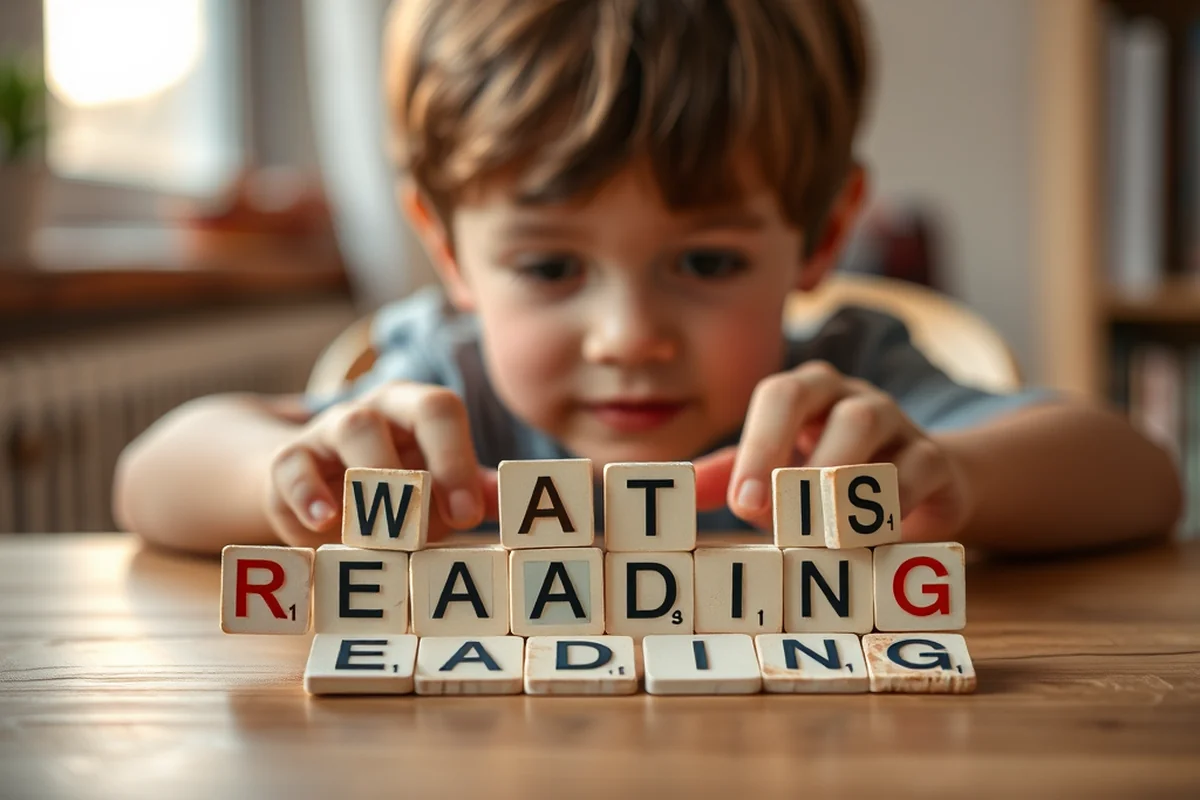
Reading passages are the building blocks of literacy. They provide students with the opportunity to practice decoding, fluency, and comprehension in a real-world context. I’ve seen how a well-chosen passage can transform a child from a hesitant reader into a confident one. When my daughter was in second grade, we used a series of short passages that introduced new vocabulary and concepts. After a few weeks, she was able to read aloud with clarity and confidence — a huge leap from where she started.
One of the most important aspects of a reading passage is its ability to teach comprehension. A passage isn’t just about reading the words — it’s about understanding the meaning. When I read a passage with my son, I always ask him questions like, 'What do you think the character is feeling?' or 'Why do you think the story happened this way?' These questions help him think critically and make connections between the text and his own experiences.
In the classroom, reading passages are used to assess a student’s reading level and track their progress. Teachers often use standardized passages to evaluate a student’s ability to read, understand, and analyze text. For parents, these same passages can be a valuable tool for reinforcing skills at home and identifying areas where a child may need extra support.
Reading passages are the bridge between learning to read and reading to learn.
Related: What is the best reading glasses for men
How to Use Reading Passages Effectively
Using reading passages effectively starts with selecting the right passage for the reader. I’ve learned that if a passage is too hard, it can discourage a child, and if it’s too easy, it won’t challenge them. I always check the readability level of a passage using tools like the Flesch-Kincaid Grade Level formula. This helps me ensure that the passage is appropriate for my child’s reading level.
Once I’ve chosen a passage, I read it aloud with my child to model fluency and pronunciation. Then, we read it together, taking turns and discussing the meaning as we go. This helps my child understand the text and feel more confident when reading on their own. After we’ve read the passage, I ask a few simple questions to check comprehension and encourage critical thinking.
To reinforce learning, I often follow up with activities like drawing a picture from the passage, writing a summary, or acting out the story. These activities help my child process the information in different ways and deepen their understanding. I’ve found that when a child is actively engaged with the passage, they’re more likely to retain the information and apply it in other contexts.
After reading a passage, ask open-ended questions to encourage your child to think critically and make connections to their own lives.
“I remember the first time my son sat at the kitchen table with a book in his hands, eyes wide and mouth open, not speaking…”— Teaching Reading to Homeschoolers editors
Related: What is reading by design
The Different Types of Reading Passages

Reading passages can vary in type, format, and purpose. Some common types include narrative passages, informational passages, persuasive passages, and poetry. Each type serves a different educational purpose. For example, narrative passages are used to teach comprehension and character development, while informational passages help students learn about the world and develop research skills.[2]
I’ve used all these types of passages with my children, and each has its own unique benefits. Narrative passages are great for building empathy and understanding, while informational passages help students learn facts and details. Persuasive passages teach children how to analyze arguments and form their own opinions. Poetry, on the other hand, helps with vocabulary, rhythm, and appreciation for language.
Choosing the right type of passage depends on the child’s learning goals and interests. If a child is struggling with comprehension, a narrative passage can be a good choice. If they need to build vocabulary, a poetry passage might be more effective. I’ve found that mixing up the types of passages we read helps keep the learning experience dynamic and engaging.
Related: What is reading mode
How Reading Passages Support Literacy Development
Reading passages are an essential tool in literacy development. They provide students with the opportunity to practice reading in a meaningful way. When I read a passage with my son, I’m not just teaching him how to sound out words — I’m helping him understand the meaning behind them. That’s the real power of a reading passage: it makes reading relevant and engaging.
One of the most important skills that reading passages help develop is comprehension. Comprehension is the ability to understand and interpret text, and it’s a key component of literacy. I’ve noticed that my daughter has improved dramatically in her ability to comprehend text after regularly reading passages. She can now answer questions about the main idea, characters, and events in a story — skills that are essential for academic success.
In addition to comprehension, reading passages also help develop critical thinking skills. When I read a passage with my children, I often ask questions that encourage them to think deeply about the text. For example, I might ask, 'Why do you think the character made that choice?' or 'What would you have done in that situation?' These types of questions help my children think critically and make connections between the text and their own lives.
Related: The best reading glasses
Tips for Choosing the Right Reading Passage
Choosing the right reading passage can be a bit tricky, but there are a few key factors to consider. First, the passage should be appropriate for the reader’s age and reading level. If a passage is too difficult, it can be frustrating and discouraging. If it’s too easy, it won’t challenge the reader enough to promote growth.
I’ve learned that the best way to choose a passage is to look for one that is slightly above the reader’s current level but still comprehensible. This way, the reader can work through the text with some guidance and support. I often use the Lexile scale to help me choose the right passage for my children. This scale provides a measure of the text’s difficulty and helps match it to the reader’s skill level.
Another important factor to consider is the reader’s interests. If a child is excited about a topic, they’re more likely to be engaged with the passage. I’ve found that when my children are interested in the subject of a passage, they’re more willing to read and discuss it. This helps build a love of reading and makes the learning experience more enjoyable.
A good reading passage should challenge, engage, and inspire.
Related: Quotes about reading
The Role of Reading Passages in Homeschooling
In homeschooling, reading passages are an invaluable tool. They provide structure and help guide the learning process, making it easier for parents to teach reading skills effectively. I’ve used reading passages to create a consistent routine with my children, helping them develop a strong foundation in literacy.
One of the greatest benefits of using reading passages in homeschooling is the flexibility they offer. Parents can choose passages that align with their child’s learning goals and interests. For example, if a child is interested in science, they can read passages about animals, space, or the human body. This helps make learning more engaging and relevant.
Another benefit of using reading passages in homeschooling is that they provide a variety of learning opportunities. Reading passages can be used to teach comprehension, vocabulary, grammar, and critical thinking skills. I’ve found that incorporating a mix of passage types into our routine helps my children develop a well-rounded understanding of reading and language.
📖 Interactive Reading Passage
Use a digital or printable passage with embedded questions and activities to make reading interactive and engaging for young learners.
🎨 Themed Reading Passage
Choose passages that align with a specific theme or topic, such as animals, space, or holidays, to make reading more relevant and enjoyable.
✂️ No-Prep Reading Passage
Use a ready-made passage that requires no preparation, making it easy to incorporate into a busy schedule or unexpected learning moment.
👥 Group Reading Passage
Use a passage in a group setting, such as a classroom or co-op, to encourage collaboration and discussion among learners.
🔍 Extension Reading Passage
Use a passage that includes extension activities, such as drawing, writing, or acting out the story, to deepen understanding and engagement.
| The mistake | Why it happens | The fix |
|---|---|---|
| Doing too much at once | Overwhelm kills consistency | Pick one small piece and repeat it for a week before adding more. |
| Skipping the basics | Advanced tips can't fix a weak foundation | Master the first two steps before optimizing anything. |
What Is Reading Passage
Common Questions
How do I know if a reading passage is at the right level for my child?
What types of reading passages are best for young learners?
How can I make reading passages more engaging for my child?
Can reading passages help with vocabulary development?
References
Cite this guide
Teaching Reading to Homeschoolers (2026). What Is Reading Passage. https://homeschoolread.com/what-is-reading-passage/
Feel free to cite or share this guide.
Reading Skills Checklist
Stage-filtered phonics and reading skills checklist for homeschool parents.
Open it free →