
How To Read Alouds For Kids

📖 Table of Contents
- Why Read Alouds Are a Game-Changer for Early Learning
- How to Make Read-Alouds Engaging and Interactive
- The Power of Repetition in Read-Alouds
- The Role of Read-Alouds in Emotional Development
- How to Adjust Read-Alouds for Different Ages
- The Magic of Read-Alouds in a Homeschool Setting
- How to Keep Read-Alouds Fresh and Exciting
- Make It Your Way
- Frequently Asked Questions
I remember the first time I sat down with my five-year-old daughter for a read-aloud session. We were in the living room, she was sprawled across the floor with a blanket over her shoulders, and I was reading *The Very Hungry Caterpillar* for the fifth time that week. I thought I was just passing the time, but what I didn’t realize was how much that moment was shaping her ability to learn, to think, and to love books. Reading aloud to kids isn’t just about sharing stories — it’s about building a foundation for future learning and curiosity.
Over the years, I’ve tried every method under the sun, from using flashcards to making up silly rhymes. What I’ve learned is that the most effective and enduring way to help kids develop strong reading skills is by reading aloud. It’s not just about sounding out words or teaching phonics — it’s about connection, engagement, and creating a love for reading that lasts a lifetime. If you’re wondering how to read alouds for kids, you’re not alone, and there are concrete, proven strategies that work.
The key to successful read-alouds is in the details — the pacing, the tone of your voice, the way you pause for effect, and even the way you hold the book. These moments matter, and they shape how kids perceive reading, language, and the world around them. Let me share with you how I’ve turned simple read-alouds into powerful learning experiences for my children, and how you can do the same.[1]
Why You'll Love This Method
- Improves vocabulary and comprehension in a fun, natural way
- Strengthens the parent-child bond through shared learning
- Encourages a lifelong love of reading and curiosity
- Requires minimal preparation and resources
Why Read Alouds Are a Game-Changer for Early Learning
As of October 2026, Studies show that children who are read to regularly have a 20% higher vocabulary by age five compared to those who aren’t. When you read aloud, you’re not just telling a story — you’re modeling how to process language, think critically, and make connections. My daughter started recognizing words on her own after just a few months of daily read-alouds, and I saw a huge difference in her confidence and curiosity.[2]
The act of reading aloud also helps children develop listening skills, which are critical for school success. When a child is engaged with a story, they’re learning to pay attention, follow along, and predict what comes next. I remember the first time my daughter asked a question about a character — she wasn’t just following the story, she was thinking about it.
Beyond language, read-alouds foster emotional intelligence. Books introduce new perspectives, and stories can help kids understand complex emotions. When we read *The Color Monster* together, my daughter began identifying her own feelings and describing them to me in her own words.
Select books that introduce new concepts, like counting, colors, or emotions. I’ve found that books with relatable characters and situations help my daughter make real-world connections.
Part of our Reading strategies guide.
How to Make Read-Alouds Engaging and Interactive

One of the best ways to make read-alouds interactive is to ask open-ended questions. I’ve started asking my daughter, 'What do you think the character will do next?' or 'How do you think the character is feeling?' This not only keeps her engaged but also helps her develop critical thinking skills.
Another strategy is to use gestures and expressions. When reading a book about a hungry caterpillar, I mimic the caterpillar eating through the pages, which brings the story to life. My daughter loves it, and she’s more likely to remember the story when she can visualize it.
I also take time to pause and let her think, or repeat a sentence if she’s not following along. This shows her that it’s okay to take time to understand, and it gives her a sense of control over the experience.
Make reading a dialogue, not a monologue.
Related: What is reading terminal market philadelphia
The Power of Repetition in Read-Alouds
I used to think that reading the same book every day was boring, but now I see how valuable that practice is. When my daughter hears a story multiple times, she starts to pick up on patterns, predict what’s coming next, and even notice the rhythm of the language.
Repetition also helps children internalize new vocabulary. I’ve noticed that words from our favorite stories often show up in her daily speech — and she’s proud of that. It’s like learning a song — the more you hear it, the more it sticks.
I’ve made a point to read the same story at least five times before moving on, and the results have been incredible. Her ability to recall details and use new vocabulary has improved dramatically.
Try reading the same book with different voices, in different rooms, or even with a different child. This adds variety and keeps the experience fresh.
“I remember the first time I sat down with my five-year-old daughter for a read-aloud session.”— Teaching Reading to Homeschoolers editors
Related: What is reading nook
The Role of Read-Alouds in Emotional Development
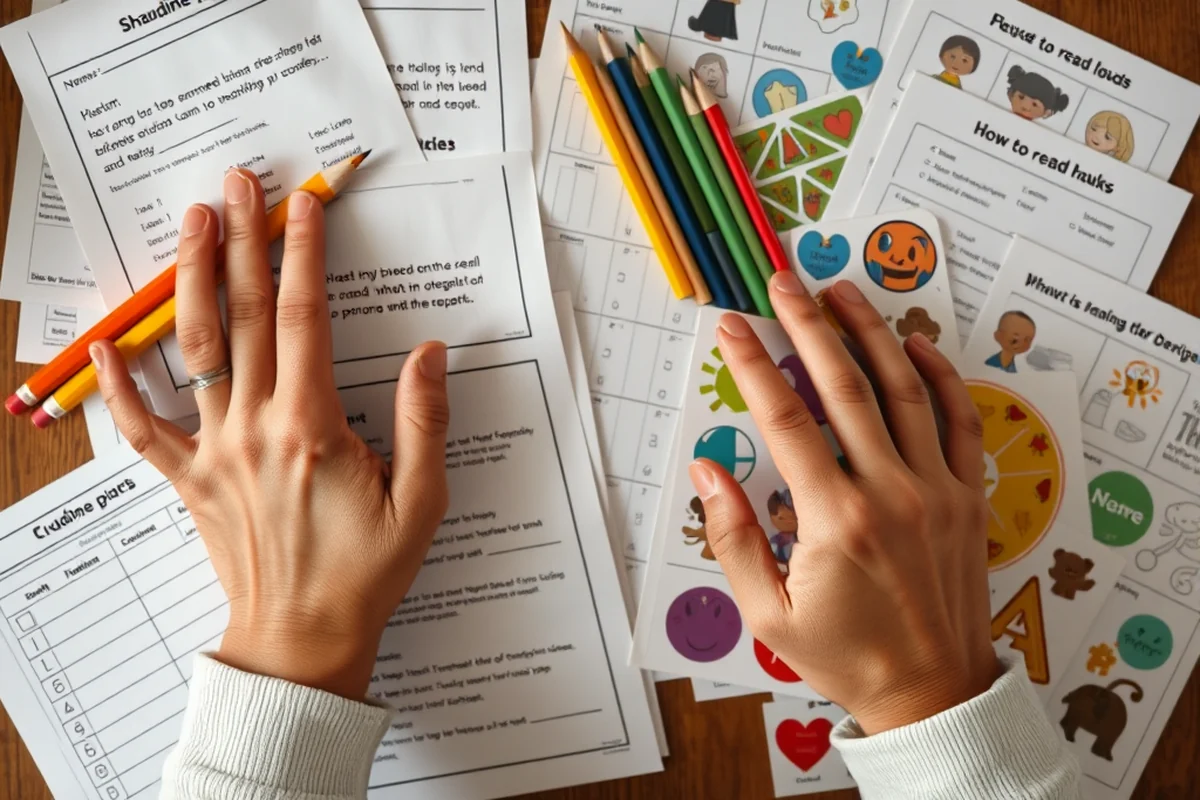
Books are a window into other lives and feelings, and they help kids process their own emotions. When I read *The Grumpy Cat* to my daughter, we talked about how the cat felt angry and how we can manage our own feelings. It opened up a conversation about emotions that I never would have had otherwise.
Stories also help children understand different perspectives. When we read about a character who’s scared or sad, my daughter begins to see that emotions are natural and that it’s okay to feel them. This builds empathy and emotional intelligence, which are essential for school and life.
I’ve found that stories with happy endings help my daughter feel safe and confident, while stories with challenges teach her how to cope with difficulties. It’s a balance, and it’s all part of the learning process.
Related: What is sight reading factory
How to Adjust Read-Alouds for Different Ages
For younger children, choose books with simple language, bright pictures, and repetitive sentences. These help with recognition and memory. For older children, pick books that introduce more complex themes and vocabulary. It’s about matching the book to the child’s developmental stage.
I’ve noticed that my daughter enjoys more complex books now than she did when she was three. At that age, she loved simple rhymes, but now she’s asking questions about characters and even discussing the story’s message. That shift is natural and important.
Adjusting the reading style is also key. Younger kids enjoy a lot of interaction, while older kids may prefer more focused reading with fewer interruptions. It’s about finding the right balance for each child.
Related: National reading month
The Magic of Read-Alouds in a Homeschool Setting
In a homeschool setting, read-alouds are more than just fun — they’re a powerful learning tool. They help with literacy, critical thinking, and even math concepts when you choose the right books. I’ve used picture books with counting elements to teach basic math, and I’ve used longer stories to build reading comprehension.
Read-alouds also help with phonics and pronunciation. When I read aloud with my daughter, I point out letters, sounds, and words, which helps her recognize them in her own reading. It’s a natural way to teach without pressure.
I’ve found that read-alouds help my daughter stay focused and engaged, which is especially important in a homeschool environment. They give her a break from structured lessons and let her learn through play and imagination.
Reading aloud is the heartbeat of a homeschool day.
Related: Improve reading comprehension
How to Keep Read-Alouds Fresh and Exciting
To keep read-alouds exciting, I rotate the books we read, mix in different genres, and sometimes even act out the stories. When we read *Green Eggs and Ham*, I pretend to be the character trying the green eggs, which makes the story more engaging.
I also like to vary the time and place of our read-alouds. Sometimes we read in the morning, sometimes in the evening, and sometimes we read in the car during our commute. This helps keep the experience fresh and interesting.
Another way to keep read-alouds exciting is to involve the whole family. My husband and I take turns reading, and sometimes my daughter reads to us. It turns reading into a shared activity and a bonding experience.
🧸 Younger Kids (Ages 2-4)
Use books with simple language, repetition, and lots of pictures. Focus on interaction and engagement.
📚 Older Kids (Ages 6-10)
Choose books with more complex themes and vocabulary. Encourage discussion and critical thinking.
⏰ No-Prep Version
Use any book you have on hand and read it aloud with minimal preparation. Ideal for busy days.
👥 Group Version
Read aloud with a group of kids, taking turns reading and discussing the story. Great for social learning.
🎨 Extension Activity
After reading, do an art or craft activity based on the story. This deepens understanding and creativity.
| The mistake | Why it happens | The fix |
|---|---|---|
| Not engaging the child in the story | Read-alouds become passive if the child isn’t involved, which can reduce their learning and engagement. | Ask questions, use gestures, and let the child participate by repeating lines or predicting what comes next. |
| Reading the same story without variation | Children can become bored if the same book is read the same way every time. | Change the tone, voice, or even the setting where the book is read. Use different books to keep it fresh. |
| Choosing books that are too advanced for the child | Books that are too hard can be discouraging and may lead to disinterest in reading. | Select books that match the child’s reading level and developmental stage. Start simple and gradually increase complexity. |
| Making read-alouds a chore rather than a joy | If read-alouds feel like a task, the child may lose interest in reading altogether. | Make read-alouds a fun and special time. Use colorful books, read in different places, and let the child choose what they want to read. |
How To Read Alouds For Kids
Common Questions
How long should a read-aloud session be for young children?
What if my child doesn’t want to participate in the read-aloud?
Can I read aloud to my child even if I’m not a confident reader?
How can I make read-alouds more interactive for my child?
References
- Iowa Academic Standards for English Language Arts and Literacy in ... (educate.iowa.gov)
- Reading aloud to kids has many benefits - MSU Extension (canr.msu.edu)
Cite this guide
Teaching Reading to Homeschoolers (2026). How To Read Alouds For Kids. https://homeschoolread.com/how-to-read-alouds-for-kids/
Feel free to cite or share this guide.
Reading Skills Checklist
Stage-filtered phonics and reading skills checklist for homeschool parents.
Open it free →