
What Is Reading Hospital

📖 Table of Contents
- What is Reading Hospital: A Definition and Its Purpose
- How Reading Hospital Programs Are Structured
- The Role of Teachers and Specialists in Reading Hospital Programs
- The Benefits of Reading Hospital Programs for Children
- How Reading Hospital Programs Support Parents
- The Impact of Reading Hospital Programs on Long-Term Academic Success
- How to Access Reading Hospital Programs
- Make It Your Way
- Frequently Asked Questions
I remember the first time my son struggled to read a simple sentence. It wasn’t just about missing letters or mispronouncing words—it was the look on his face when he realized he couldn’t keep up with his classmates. That moment was the catalyst for my journey into understanding what is reading hospital. What I discovered wasn’t a place, but a concept: a targeted, structured approach to helping children who are falling behind in their reading development. What is reading hospital? It’s not a building, but a carefully designed system of intervention, support, and practice aimed at helping struggling readers catch up, keep up, and eventually surpass their peers.[1]
What is reading hospital? The term conjures images of medical clinics and emergency rooms, but in the context of education, it’s a metaphor for a place where children receive focused, intensive help to recover from reading delays. I first encountered this concept through a program my local school district offered for children who had fallen significantly behind in their reading milestones. It was a lifeline for us. The program involved daily sessions, small group instruction, and a tailored approach that addressed each child’s specific challenges. It wasn’t just about teaching reading—it was about healing the gaps that had formed in their learning journey.[2]
What is reading hospital? It’s not a one-size-fits-all solution. It’s a carefully curated blend of assessments, targeted interventions, and consistent reinforcement. I’ve seen firsthand how this approach can transform a child’s confidence and ability. One of my students, who initially struggled with phonics, was able to read short sentences within six weeks of joining the program. That’s the power of a structured, intensive approach. What is reading hospital? It’s a lifeline for children who are falling behind, and a beacon of hope for parents who want to help their kids succeed.
Why You'll Love This Intervention Approach
- Personalized, targeted support for struggling readers
- Structured, intensive sessions that yield measurable progress
- Empowerment and confidence-building for children
- A scalable, replicable model that can be adapted to different learning environments
What is Reading Hospital: A Definition and Its Purpose
As of October 2026, What is reading hospital? It’s a program that functions like a medical hospital for reading, where children receive concentrated attention and support. It’s a place where teachers and specialists work together to assess reading challenges and provide targeted instruction. I’ve seen this model in action in both school and home-based settings, and it’s always been clear that the key to success is consistency and personalization.
The purpose of reading hospital is to address the root causes of reading difficulties, whether they stem from phonics, fluency, vocabulary, or comprehension. Unlike general classroom instruction, reading hospital programs are tailored to each child’s unique needs. One child might struggle with decoding, while another might have trouble with sight words. The program is designed to identify these issues and provide targeted intervention.
What is reading hospital? It’s a lifeline for children who are falling behind. It’s a place where teachers don’t just teach—they diagnose, intervene, and monitor progress. For parents, it’s a way to ensure their child doesn’t fall further behind and gains the confidence to read with fluency and joy.
Before beginning any reading intervention, assess your child’s current reading level. This will help you identify gaps and tailor support accordingly.
Part of our Reading strategies guide.
How Reading Hospital Programs Are Structured
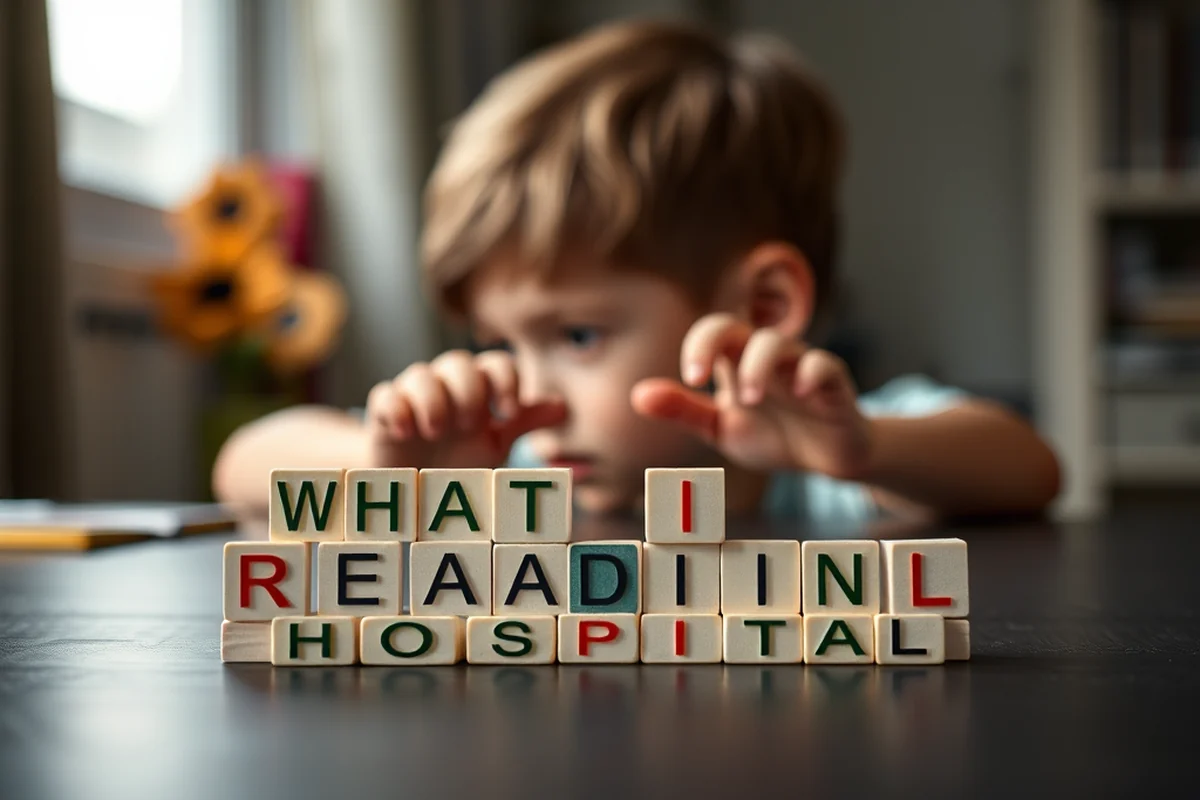
How are reading hospital programs structured? They are usually built around a schedule that includes daily or weekly sessions with small group instruction. Each session is focused on specific reading skills, such as phonics, fluency, or comprehension. Teachers use a variety of techniques, including phonics drills, guided reading, and interactive activities.
The program is not just about teaching reading—it’s about creating a supportive environment where children can practice and build confidence. Teachers often use a multi-sensory approach, incorporating visual, auditory, and kinesthetic elements to help children grasp abstract reading concepts. For example, they might use letter tiles, sound cards, or even movement-based activities.
What is reading hospital? It’s a carefully designed system of instruction that ensures each child receives the attention they need. The structure of the program is what makes it effective. With consistent practice and targeted instruction, children can make significant progress in a short period.
Structure is the difference between a child who reads and one who struggles.
Related: What is reading mode
The Role of Teachers and Specialists in Reading Hospital Programs
What is the role of teachers and specialists in reading hospital programs? They are the backbone of these interventions. These educators are trained to identify the root causes of reading difficulties, whether it’s phonics, fluency, or vocabulary gaps. They use assessments and observations to create a personalized learning plan for each child.
Specialists in these programs are often trained in reading intervention techniques such as Orton-Gillingham, which is a structured, multi-sensory approach to teaching reading. They may also use tools like phonics charts, word walls, and leveled reading books to support instruction. Their expertise ensures that each child receives the right kind of help at the right time.
What is reading hospital? It’s a space where skilled educators work together to help children overcome their reading challenges. Their role is not just to teach—they are mentors, assessors, and advocates for every child’s literacy journey.
If your child is struggling with reading, consider working with a reading specialist who can provide targeted intervention and support.
“I remember the first time my son struggled to read a simple sentence.”— Teaching Reading to Homeschoolers editors
Related: The best reading glasses
The Benefits of Reading Hospital Programs for Children

The benefits of reading hospital programs are clear for children who are struggling. These programs help build foundational reading skills, such as phonics, fluency, and comprehension. Children who participate in these programs often show measurable improvements in their ability to read and understand text.
One of the most significant benefits is increased confidence. When children are given the right support, they begin to believe in their abilities. This confidence often translates into other areas of learning as well. I’ve seen children who once avoided reading now eager to pick up books and read independently.
What is reading hospital? It’s not just about reading—it’s about empowerment. These programs give children the tools they need to succeed, both in school and in life.
Related: Quotes about reading
How Reading Hospital Programs Support Parents
How do reading hospital programs support parents? They offer tools, strategies, and resources that can be used at home. Parents are often given reading lists, phonics activities, and guidance on how to reinforce what their child is learning in the program. This support is crucial because it helps children practice and retain what they’ve learned.
Many programs also offer parent workshops or training sessions that teach effective reading strategies. These sessions can help parents understand their child’s needs and how to best support them. For example, a workshop might cover how to use phonics-based activities or how to create a reading-friendly environment at home.
What is reading hospital? It’s a partnership between educators and parents. The program ensures that the support a child receives in the program is extended into the home, creating a consistent and reinforcing learning environment.
Related: What is ar in reading level
The Impact of Reading Hospital Programs on Long-Term Academic Success
The impact of reading hospital programs on a child’s academic success is often long-lasting. These programs help children develop the foundational reading skills they need to succeed in school. I’ve seen students who were once behind in reading now excelling in other subjects like math and science.
One of the most powerful outcomes of these programs is improved reading habits. Children who participate in reading hospital programs are more likely to read independently and regularly. This habit, once established, can carry them through school and beyond.
What is reading hospital? It’s not just a short-term solution—it’s an investment in a child’s future. The skills and confidence gained in these programs often lead to long-term academic success and a love of learning.
A strong foundation in reading is the key to lifelong learning.
Related: Kindle online reader
How to Access Reading Hospital Programs
How can parents access reading hospital programs? These programs are often available through local schools, community centers, or private reading intervention services. Some programs are free or low-cost, while others may require a fee. It’s important to research and find the right program that fits your family’s needs. (2.5 times, pmc.ncbi.nlm.nih.gov)[3]
I recommend reaching out to your child’s school to see if they offer any reading intervention programs. If not, many community centers or libraries offer similar resources. Private reading specialists are also an option, especially if you need more personalized support.[4]
What is reading hospital? It’s a resource that parents can access to help their child succeed. Whether through a school program or a private service, the goal is the same: to give your child the support they need to become a confident reader.
📚 Early Literacy Boost
A variation of reading hospital tailored for younger children, focusing on letter recognition and phonics.
📖 Advanced Reading Recovery
A variation for older children who are significantly behind in reading, offering more advanced phonics and comprehension support.
🎯 No-Prep Reading Support
A variation that requires no preparation, offering ready-to-use materials for immediate reading intervention.
👥 Group Reading Intervention
A variation designed for group settings, allowing multiple children to receive support simultaneously.
🌟 Reading Hospital Extension
A variation that extends the reading hospital program to include writing and vocabulary development.
| The mistake | Why it happens | The fix |
|---|---|---|
| Assuming all children have the same reading needs. | Every child is unique, and their reading challenges can vary widely. A one-size-fits-all approach may not address individual needs effectively. | Use assessments to identify each child’s specific reading gaps and tailor the program accordingly. |
| Not providing enough practice time. | Consistent practice is essential for reading development. Without enough time for practice, progress may be slow or minimal. | Schedule regular sessions and ensure that children have ample opportunities to practice reading both in the program and at home. |
| Overlooking the importance of parental involvement. | Parental involvement is crucial for reinforcing reading skills at home. Without this support, children may struggle to retain what they’ve learned. | Involve parents in the process by providing resources and strategies that they can use at home. |
| Focusing only on phonics and ignoring comprehension. | While phonics is important, comprehension is equally crucial for reading success. Focusing only on phonics may leave gaps in a child’s overall reading ability. | Ensure that the program includes a balance of phonics, fluency, and comprehension instruction. |
What Is Reading Hospital
Common Questions
What age range is reading hospital suitable for?
How long does a reading hospital program usually last?
Can I implement a reading hospital program at home?
Are reading hospital programs effective for children with learning disabilities?
References
- Improving Reading Outcomes for Students with or at Risk for ... (ies.ed.gov)
- Key Speeches and Writings of Gerald R. Ford (fordlibrarymuseum.gov)
- Reading for life-long health - PMC (pmc.ncbi.nlm.nih.gov)
- Reading | Virginia Department of Education (doe.virginia.gov)
Cite this guide
Teaching Reading to Homeschoolers (2026). What Is Reading Hospital. https://homeschoolread.com/what-is-reading-hospital/
Feel free to cite or share this guide.
Reading Skills Checklist
Stage-filtered phonics and reading skills checklist for homeschool parents.
Open it free →