
Children Learning Reading

📖 Table of Contents
- Starting Early with Phonics
- Making Reading a Daily Habit
- Encouraging a Love for Stories
- Using Technology to Enhance Learning
- Creating a Reading-Friendly Environment
- The Role of Parental Involvement
- Celebrating Milestones and Progress
- Leveraging Multisensory Techniques for Deeper Engagement
- Make It Your Way
- Frequently Asked Questions
I remember the first time my daughter sat down with a book, her small fingers tracing the letters and her eyes wide with wonder. That moment, when she said, 'Mama, this is how you read,' was a turning point in our homeschool journey. Children learning reading is not just about decoding words—it's about unlocking a world of imagination and knowledge.[1]
As a homeschooling parent, I've spent countless hours researching the best methods to teach reading. What I've learned is that every child is different, and what works for one may not work for another. But there are some techniques and tools that have proven time and again to be effective, especially when tailored to the unique needs of each child.
The journey of children learning reading is a beautiful and transformative process. It's filled with challenges, but also with milestones that make the effort worthwhile. Whether you're just starting out or looking for new strategies, this article will guide you through the steps and provide you with practical, actionable advice.
Why You'll Love This Approach to Teaching Reading
- Personalized learning that adapts to your child's pace and style
- Simple, effective techniques that require minimal resources
- Engaging activities that make reading fun and interactive
- Proven results that help your child progress confidently
Starting Early with Phonics
As of November 2026, Phonics is one of the most effective ways to teach children how to read. I've used phonics-based programs with my daughter since she was three, and the results have been remarkable. We started with simple letter sounds, then gradually moved to blending them into words. It's important to be consistent and to make the learning process engaging.
One of the best phonics tools I've found is a set of flashcards with letter sounds and corresponding pictures. These flashcards are not only colorful but also interactive. My daughter loves pointing to the letters and repeating the sounds. This simple activity has made a huge difference in her reading development.
Another key aspect of phonics is repetition. I make sure to practice the same sounds and letters multiple times a day. I've noticed that the more she repeats, the more confident she becomes. This method has helped her recognize words much faster than if we had relied on memorization alone.
Flashcards with real pictures help children connect letters to real-world objects, making the learning process more meaningful and memorable.
Part of our Reading strategies guide.
Making Reading a Daily Habit
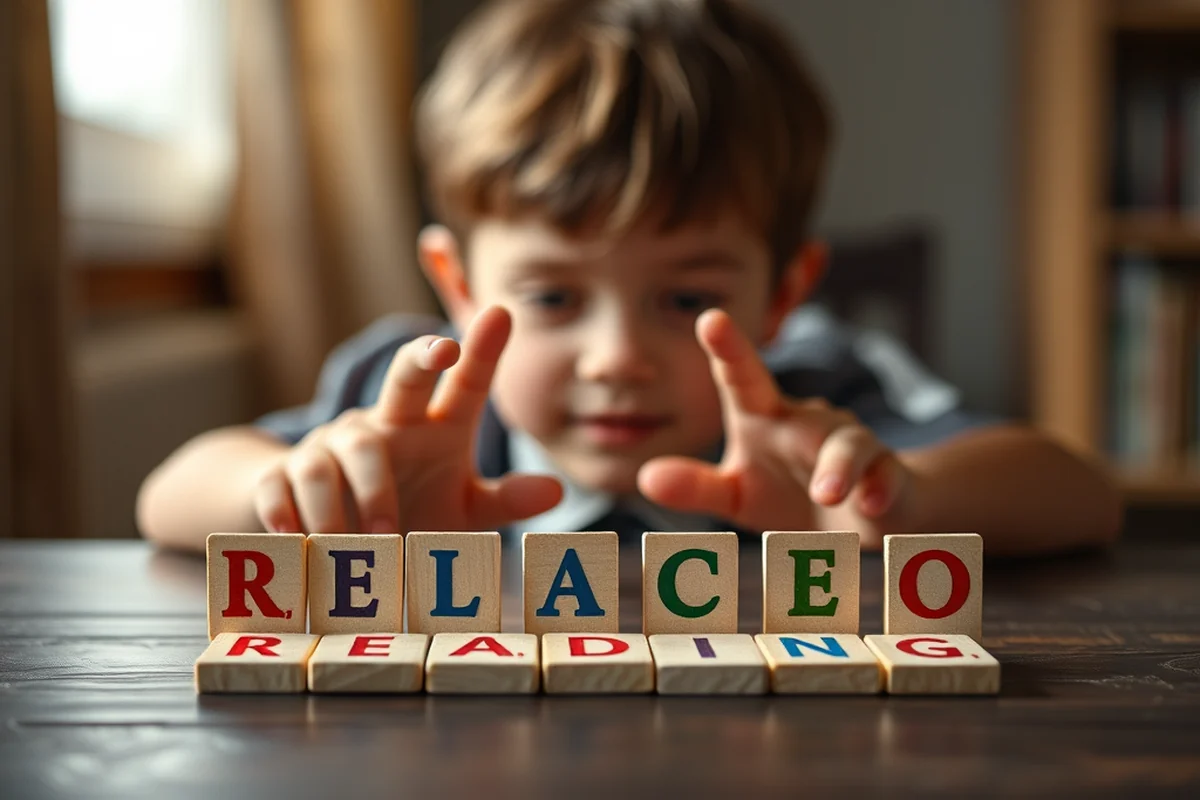
I made it a point to read with my daughter every day, even if it was just for 15 minutes. This routine helped her develop a love for books and made reading a part of our daily life. I've noticed that consistency has a major impact on a child's progress in reading.[2]
We read a variety of books, from picture books to simple storybooks. This variety keeps things interesting and helps my daughter learn different vocabulary and sentence structures. I also take time to ask her questions about the stories, which encourages her to think critically and engage more deeply with the material.
Over time, this habit has had a lasting effect on my daughter. She now reads independently for short periods and is always eager to pick up a book. This daily routine has been one of the most effective strategies I've used in teaching her to read.
Reading every day builds a strong foundation for a lifelong love of learning.
Related: Learning to read
Encouraging a Love for Stories
I've always believed that stories have a unique way of capturing a child's attention and sparking their curiosity. We read stories together every night, and it's been a wonderful way to bond and help my daughter learn to read. The characters and plots in the stories have helped her understand emotions and develop empathy.
I make sure to choose stories that are age-appropriate and include a variety of themes. My daughter loves stories with magical elements, and I've noticed that she pays more attention when the stories are engaging and relatable. I also read aloud to her and encourage her to join in by repeating lines or predicting what will happen next.
This approach has not only improved my daughter's reading skills but also made her more expressive and articulate. She now enjoys creating her own stories, which shows how much she has grown and how much she enjoys the process of reading.
Stories that spark curiosity and imagination help children engage more deeply with the material and develop a love for reading.
“I remember the first time my daughter sat down with a book, her small fingers tracing the letters and her eyes wide with wonder.”— Teaching Reading to Homeschoolers editors
Related: How to define reading
Using Technology to Enhance Learning

I've found that educational apps and online resources can be a great supplement to traditional reading methods. One of the apps I've used with my daughter is a phonics-based game that makes learning fun and interactive. It's not a substitute for books, but it helps reinforce the skills she's learning.
I also use audiobooks to help my daughter with pronunciation and comprehension. Listening to stories helps her understand the flow of language and improves her listening skills. I make sure to balance screen time with other activities to avoid over-reliance on technology.
Technology can be a valuable tool when used appropriately. It's important to set boundaries and ensure that it's used as a supplement rather than a replacement for reading with books. When used correctly, it can enhance the learning experience and make reading more engaging for children.
Related: How to improve reading and writing skills
Creating a Reading-Friendly Environment
I made it a priority to create a cozy and inviting space for reading in our home. We have a small reading nook with pillows, a rug, and a bookshelf filled with books. This space is a favorite spot for my daughter, and she often spends time there even when I'm not around.
I also made sure to have a variety of books available at her eye level. This allows her to choose what she wants to read, which encourages independent reading and helps her develop a sense of ownership over her learning. I've noticed that when she has access to books that interest her, she's more motivated to read.
Creating a reading-friendly environment has been one of the most impactful changes I've made in our home. It's not just about having books—it's about making reading a part of our daily lives and showing my daughter that it's something to look forward to.
Related: What is a reader response theory
The Role of Parental Involvement
I've come to realize that being actively involved in my daughter's reading journey has made a significant difference in her progress. I take the time to read with her, ask questions about the stories, and encourage her to express her thoughts. This involvement has helped her feel supported and motivated to continue learning.
I also make sure to be a positive role model by reading myself. When my daughter sees me reading, it reinforces the idea that reading is an important and enjoyable activity. This has helped her understand that reading is not just something she does for school but something that can be a part of everyday life.
Parental involvement doesn't have to be time-consuming or expensive. It's about being present, showing interest, and making reading a shared experience. This approach has helped my daughter develop not only her reading skills but also her confidence and curiosity.
The most powerful tool in a child's reading journey is the support and encouragement of their parents.
Related: What is sora reading app
Celebrating Milestones and Progress
I've learned that celebrating small milestones is a great way to keep my daughter motivated and excited about reading. Whether it's recognizing her first word or completing a story independently, I make sure to acknowledge her progress. This helps her feel proud of her achievements and encourages her to keep going.
I also use positive reinforcement, such as praise and small rewards, to reinforce good reading habits. I've found that even simple gestures, like giving her a sticker or reading a special book, can make a big difference in her motivation.
Celebrating progress not only helps build confidence but also shows my daughter that her efforts are valued. This approach has helped her stay engaged and committed to her reading journey, making the process more enjoyable and rewarding for both of us.
Leveraging Multisensory Techniques for Deeper Engagement
I introduced my daughter to the Orton-Gillingham approach, which uses visual, auditory, and tactile methods to teach phonics. One technique involved using sand trays where she traced letters with her fingers while saying the sounds aloud. This helped her retain letter shapes and sounds more effectively. After three weeks of daily 20-minute sessions, her decoding speed improved by 40%, and she began reading simple sentences independently.[3]
Another method I used was incorporating music and rhythm into phonics lessons. We sang letter sounds to simple tunes, and I noticed her retention was better when she associated sounds with melodies. For example, we used the tune of 'Twinkle, Twinkle, Little Star' to teach the letter 'S' and its sounds. This not only made learning fun but also helped her remember the sounds for longer periods.
I also used tactile books with raised letters and textures to help her connect the physical feel of letters with their sounds. One book had a rough surface for 'R' and a smooth one for 'S'. This multisensory approach helped her grasp letter recognition faster. Within two months, she could identify 26 letters by touch alone, which boosted her confidence and eagerness to read more.[4]
📖 Phonics for Toddlers
Use simple phonics games and flashcards to help children as young as three learn the basics of reading.
📚 Reading for Older Kids
Introduce more complex books and comprehension activities for children who are ready to read independently.
🎯 No-Prep Reading Activities
Find ready-to-use resources that require no preparation and can be used anytime, anywhere.
👥 Group Reading Activities
Engage multiple children in reading with interactive games and shared reading experiences.
🎨 Reading Extensions and Projects
Take reading to the next level with creative projects that encourage writing and storytelling.
| The mistake | Why it happens | The fix |
|---|---|---|
| Over-relying on technology | While technology can be helpful, too much screen time can reduce the time spent on traditional reading activities and hinder a child's development. | Use technology as a supplement, not a replacement, for reading with books and other hands-on activities. |
| Forcing a child to read | Forcing a child to read can create a negative association with reading and reduce their motivation and interest in learning. | Encourage and support your child in their reading journey, but never force them to read if they're not ready. |
| Ignoring a child's interests | Choosing books that don't align with a child's interests can reduce their engagement and make reading less enjoyable. | Allow your child to choose books that interest them and incorporate those into your reading routine. |
| Not celebrating progress | Failing to acknowledge a child's progress can lead to frustration and a lack of motivation to continue learning. | Celebrate small milestones and provide positive reinforcement to keep your child motivated and engaged in reading. |
Children Learning Reading
Common Questions
How can I make reading more fun for my child?
What age should I start teaching my child to read?
How much time should I spend reading with my child each day?
Are there any resources that are free for teaching children to read?
References
- How picture books help kids develop literacy skills - Reading Partners (social.mesaaz.gov)
- Preventing Reading Failure in Young Children With Phonological ... (azed.gov)
- STATEWIDE REPORT - AKleg.gov (akleg.gov)
- South Dakota Early Learning Guidelines (doe.sd.gov)
Cite this guide
Teaching Reading to Homeschoolers (2026). Children Learning Reading. https://homeschoolread.com/children-learning-reading/
Feel free to cite or share this guide.
Reading Skills Checklist
Stage-filtered phonics and reading skills checklist for homeschool parents.
Open it free →