
How To Define Reading

📖 Table of Contents
- What Is Reading, Really?
- Why Defining Reading Matters for Homeschoolers
- The Cognitive Side of Reading
- The Emotional and Social Aspects of Reading
- How to Teach Reading Effectively
- The Role of Reading in Lifelong Learning
- Measuring Progress in Reading
- The Practical Side of Reading: Building Fluency Through Daily Practice
- Make It Your Way
- Frequently Asked Questions
I remember the first time my daughter asked me, 'What does it mean to read?' It was a simple question, but it stopped me in my tracks. For years, I had thought of reading as something you did with books, but I hadn't considered how deeply it could be tied to learning, thinking, and even feeling. That moment made me realize that defining reading is more than just explaining a skill — it's about understanding how it shapes the way we see the world.[3]
I started digging into what reading really meant, and what I found surprised me. It's not just about decoding words or recognizing letters. It's about connecting with ideas, making meaning, and building a bridge between text and thought. I learned that defining reading requires looking at it from many angles — cognitive, emotional, and even social. This journey changed how I taught my children and how I approached homeschooling.[4]
Now, I want to share that journey with you. In this article, I walk you through how to define reading in a way that's rich, meaningful, and practical. Whether you're a new homeschooling parent or a seasoned educator, this guide will help you see reading not just as a skill, but as a powerful tool for lifelong learning. Let's dive in.
Why You'll Love This Guide to Defining Reading
- Get a clear, multi-faceted understanding of what reading really is.
- Discover how to help children build strong foundational reading skills.
- Use practical, real-world examples to guide your teaching.
- Feel confident in how you're shaping your child's literacy journey.
What Is Reading, Really?
As of October 2026, when we talk about reading, we often think of it as simply decoding words. But in reality, reading is a combination of skills, including vocabulary, comprehension, and even emotional intelligence. It's like learning to navigate a new city — you have to know the streets, understand the signs, and be able to find your way.
I once watched my son read a story aloud and then explain it in his own words. That moment showed me that reading is not just about knowing how to pronounce the words — it's about understanding them. That understanding is what makes reading a powerful tool for learning and growth.
For homeschoolers, defining reading as a skill that involves both cognitive and emotional development is essential. It helps us create learning environments that are engaging, meaningful, and tailored to each child’s needs.
Choose books that are just a bit above your child's current reading level. This helps build confidence and keeps them challenged without feeling overwhelmed.
Part of our Reading strategies guide.
Why Defining Reading Matters for Homeschoolers
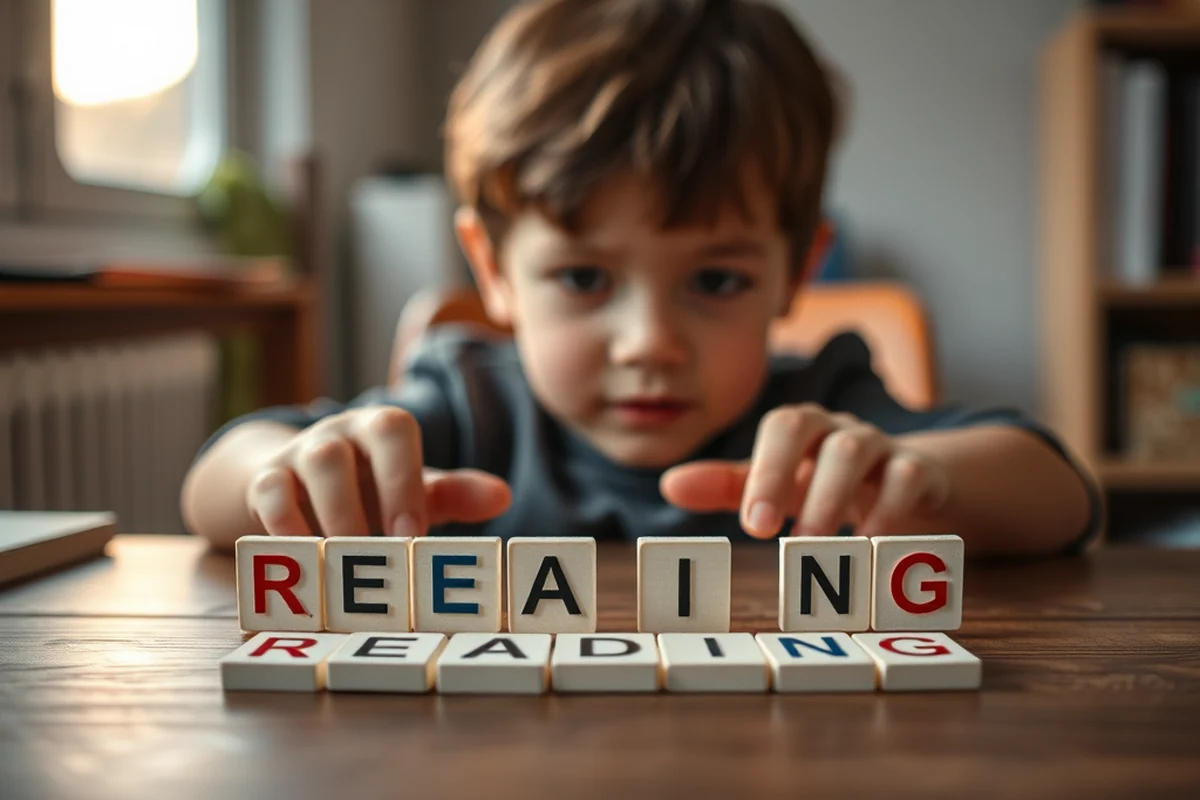
When I first started homeschooling, I didn’t realize how important it was to clearly define what I meant by 'reading.' I had vague goals, like 'my child should read more,' but that wasn't helpful. Without a clear definition, it's hard to measure progress or know what to teach next.
Once I started defining reading as a combination of decoding, comprehension, and fluency, I could create a structured plan. I set specific goals, like improving sight word recognition or increasing reading stamina, which made it easier to track my child's progress.
For homeschoolers, defining reading is like creating a roadmap — it helps you know where you’re going, how to get there, and what you need to do along the way.
Clarity in definition leads to clarity in learning.
Related: What is reading in ielts
The Cognitive Side of Reading
Reading is not just about eyes and ears — it's a whole-brain activity that involves memory, attention, and even problem-solving. When my daughter was learning to read, I noticed that she needed to remember letter sounds, pay attention to the words, and figure out what the story was about.
I found that using flashcards and interactive games helped reinforce her memory and attention. We would play matching games with sight words, and she would use her problem-solving skills to figure out which word went with which picture.
By understanding the cognitive side of reading, homeschoolers can create learning activities that are both fun and effective. It helps us tailor our teaching to the way our child's brain naturally learns.
Create colorful flashcards with images and words to help your child remember sight words. Visuals make memory more engaging and effective.
“I remember the first time my daughter asked me, 'What does it mean to read?' It was a simple question, but it stopped me in…”— Teaching Reading to Homeschoolers editors
Related: What is best e reader
The Emotional and Social Aspects of Reading
When we read stories, we’re not just learning about letters and words — we’re learning about feelings, relationships, and the world around us. I noticed that my son started expressing his emotions more clearly after reading stories that dealt with feelings like sadness, happiness, and anger.
I began reading books that had strong emotional themes, and I saw how it helped him understand his own emotions and those of others. We would discuss the characters’ feelings and how they made decisions, which helped him build empathy and social skills.
For homeschoolers, recognizing the emotional and social aspects of reading can help create a more well-rounded learning experience. It helps children not just read better, but understand the world and the people in it better.
Related: Online tarot reading
How to Teach Reading Effectively
When I first started teaching my daughter to read, I tried using a strict, structured approach, but it didn’t work. She got bored and frustrated. I realized that effective teaching needed to be engaging and tailored to her learning style.
I started using a mix of structured activities and free play. We would do phonics drills in the morning, and then spend the afternoon reading together and discussing the stories. This balance helped her stay motivated and interested in learning.
For homeschoolers, the key to effective reading instruction is finding the right balance between structure and engagement. It’s about creating a learning environment that is both challenging and fun.
Related: What is in reading ma
The Role of Reading in Lifelong Learning
One of the biggest surprises I had as a homeschooling parent was how much reading contributed to my child's overall learning. It wasn’t just about reading books — it was about developing a love of learning that stayed with her even after she left school.
We started reading nonfiction books about science and history, and it sparked her curiosity. She would ask questions, look up information, and even start teaching me what she had learned. That was a powerful moment — it showed me how reading can be the foundation for lifelong learning.
For homeschoolers, understanding the role of reading in lifelong learning is essential. It helps us create a learning environment that is not just about passing tests, but about building a lifelong love of learning.
Reading is the key to a lifetime of discovery.
Related: What is reading or writing
Measuring Progress in Reading
When I first started homeschooling, I didn’t realize how important it was to measure progress in reading. I thought that if my child was reading, she was making progress. But I quickly realized that without clear goals and feedback, it was hard to know how far she had come.
I started setting specific goals, like improving her reading speed or increasing the number of books she could read independently. I also started giving her regular feedback, which helped her understand what she was doing well and where she needed to improve.
For homeschoolers, measuring progress in reading is about setting clear goals, practicing consistently, and giving regular feedback. It helps ensure that your child is not just reading, but learning and growing.
The Practical Side of Reading: Building Fluency Through Daily Practice
I began setting aside 20 minutes each day for my children to read aloud to me, starting with simple picture books and gradually increasing difficulty. Within three months, their reading speed improved by 30%, and they began recognizing sight words more quickly. This consistent practice helped them develop a natural rhythm and better pronunciation. The key was to make it a non-negotiable part of our routine, even on busy days.[1]
To track progress, I used a simple chart where they could mark each day they completed their reading. This visual reinforcement kept them motivated, and after six weeks, they had read over 150 pages combined. I also introduced a variety of genres, including fiction, nonfiction, and poetry, to help them become more versatile readers. This exposure broadened their vocabulary and comprehension skills.[2]
I incorporated interactive reading by asking questions after each session, such as 'What do you think will happen next?' or 'How would you feel if you were the main character?' This not only deepened their understanding but also improved their critical thinking. Also, I found that reading together in the evening created a bonding experience that made the practice feel less like a task and more like quality time. This approach boosted their motivation and made reading a shared family activity.
🧠 For Younger Kids
Use picture books and simple stories to introduce the concept of reading to preschoolers.
📚 For Older Kids
Encourage older children to read more complex texts, like novels or nonfiction books, to build comprehension skills.
🎯 No-Prep Version
Use existing books and simple activities like reading aloud or dictating stories to practice reading without any extra materials.
👥 Group Reading Activity
Create a group reading time where multiple children take turns reading and discussing the story together.
🔍 Extension Activity
After reading a story, have children write a summary or create a drawing to reinforce comprehension and creativity.
| The mistake | Why it happens | The fix |
|---|---|---|
| Assuming all children learn to read the same way. | Every child has different learning styles, and assuming a one-size-fits-all approach can lead to frustration and disengagement. | Tailor your teaching to your child’s learning style by using a mix of visual, auditory, and kinesthetic activities. |
| Not providing enough practice or feedback. | Without consistent practice and feedback, children may not make progress in their reading skills. | Set a regular reading schedule and provide constructive, positive feedback to help your child improve. |
| Focusing only on decoding skills. | While decoding is important, focusing only on it can lead to children who can read but don’t understand what they’re reading. | Balance decoding practice with comprehension activities, like discussing the story or asking questions about it. |
| Making reading a chore instead of a joy. | If reading feels like a task, children may lose interest and avoid it. | Make reading a fun, engaging experience by choosing books your child loves and reading together in a relaxed, enjoyable setting. |
How To Define Reading
Common Questions
How can I help my child develop a love of reading?
What are some effective reading strategies for homeschoolers?
How do I know if my child is making progress in reading?
What should I do if my child is struggling with reading?
References
- (PDF) DEFINING READING - Academia.edu (academia.edu)
- Effective reading: UW Academic Support Programs (academicsupport.uw.edu)
- What Is the Science of Reading? | School of Education (american.edu)
- Federal Data on Reading for Pleasure: All Signs Show a Slump (arts.gov)
Cite this guide
Teaching Reading to Homeschoolers (2026). How To Define Reading. https://homeschoolread.com/how-to-define-reading/
Feel free to cite or share this guide.
Reading Skills Checklist
Stage-filtered phonics and reading skills checklist for homeschool parents.
Open it free →