
Reading Is Fundamental

📖 Table of Contents
- Why Reading Is Fundamental in Early Childhood
- The Science Behind Early Literacy
- How to Create a Reading-Friendly Home Environment
- The Benefits of Interactive Reading
- How to Choose the Right Books for Your Child
- The Role of Storytelling in Teaching Reading
- How to Support a Child Who Struggles with Reading
- The Impact of Consistent Reading Habits on Academic Performance
- Make It Your Way
- Frequently Asked Questions
I remember the day my son came home from preschool with a book in hand, eyes wide. A voice that said, 'Mama, I read this all by myself!' It wasn’t just a moment of pride—it was a reminder of why reading is fundamental. In a world that moves faster than ever, teaching a child to read is like planting a seed that will grow into confidence, curiosity, and a lifelong love of learning.
As a homeschooling parent, I’ve spent countless hours trying to figure out what works best for my children. I’ve tried flashcards, phonics programs, and even hired tutors. But nothing compared to the magic that happens when a child discovers the joy of reading on their own. It's not just about letters and words—it's about opening doors to imagination, knowledge, and a deeper understanding of the world.
Reading is fundamental because it's the foundation of all learning. It shapes a child's ability to think critically, express themselves clearly, and explore the world beyond their immediate surroundings. The right approach to teaching reading isn’t just about the tools you use—it's about creating a nurturing environment where learning feels natural and joyful.
Why You'll Love This Approach to Teaching Reading
- It builds confidence and independence in young readers.
- It fosters a lifelong love of reading through discovery and play.
- It’s adaptable to all learning styles and paces.
- It’s free, accessible, and backed by years of educational research.
Why Reading Is Fundamental in Early Childhood
As of November 2026, in the first five years of life, a child's brain develops more than at any other time. Exposure to books and reading during this critical window helps build neural pathways essential for learning to read and think. I’ve seen how even the youngest readers begin to recognize patterns, sounds, and stories when given the right tools and support.
Research shows that children who are read to regularly before entering school have a significant advantage in school readiness. They're more likely to recognize letters, understand story structure, and have better vocabulary. This isn't just academic—this is emotional and social development, too.[1]
Reading together is more than a learning activity. It's a bonding experience that strengthens the parent-child relationship and builds trust, empathy, and a sense of security. It's not just about the words on the page—it's about the relationship behind them.
Sit next to your child and read together every day. Let them point at pictures, repeat words, and ask questions. This builds a foundation for independent reading and comprehension.
Part of our Reading strategies guide.
The Science Behind Early Literacy
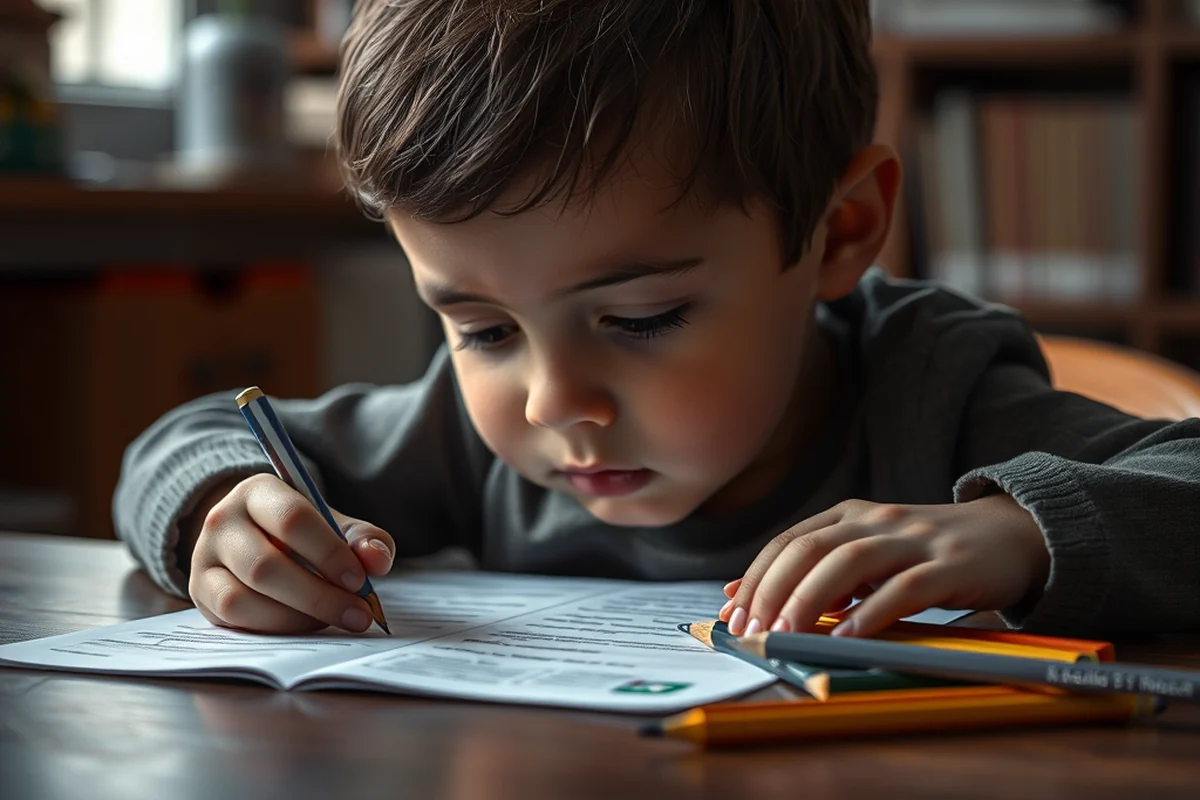
Phonological awareness—the ability to recognize and manipulate sounds in spoken language—is the first step to reading. I've noticed that when my son hears rhymes, he's more likely to try to copy them. It's a small step, but it's a big one in the journey of learning to read.
Vocabulary growth is another critical component. I made it a point to read diverse books, from picture books to nonfiction, so my son could learn new words and concepts. Over time, he began to use more complex language in his own speech and writing.
Print concepts like knowing that words are read from left to right and that letters form words are also developed through shared reading. It's all part of a larger picture that leads to reading proficiency.
The brain is wired to learn through repetition, connection, and engagement.
Related: What is reading coach
How to Create a Reading-Friendly Home Environment
I filled our home with books at every level—from board books for infants to chapter books for older children. It wasn’t just about quantity—it was about accessibility. We had a reading nook in the living room, bookshelves in every room, and even a small library in the kitchen.
I made reading time a non-negotiable part of our daily routine. We read together in the morning, and again before bed. It became a ritual that my children looked forward to. I even set up a reading schedule that incorporated short breaks and fun activities between longer reading sessions.
I also encouraged my children to choose their own books. They were more engaged when they had a say in what they read. It taught them to take ownership of their learning and sparked a curiosity that kept them reading for hours.
Designate a specific time each day for reading, and make it a consistent ritual. Create a cozy reading nook or corner in your home to make it feel like a special place.
“I remember the day my son came home from preschool with a book in hand, eyes wide, and a voice that said, 'Mama, I read…”— Teaching Reading to Homeschoolers editors
Related: How to read aloud
The Benefits of Interactive Reading
I’ve noticed that when I read with my children and ask them questions about the story, they become more involved and begin to understand the narrative. I’ll ask, 'What do you think will happen next?' or 'How would you feel if you were the main character?' These questions help them think critically and predict outcomes.
It also helps with vocabulary development. When I come across a new word, I’ll explain its meaning in simple terms. My children started using these words in their own speech, which was a huge win. I even kept a vocabulary journal where we recorded new words and their meanings.
Interactive reading also helps with emotional development. When I read stories with emotional characters or conflicts, I encouraged my children to talk about their feelings and how they would respond in similar situations. It was a powerful way to help them build empathy and understanding.
Related: What is reading comprehension for grade 5
How to Choose the Right Books for Your Child
I made it a point to choose books that my children were genuinely interested in. If they loved dinosaurs, I found books about prehistoric life. If they were into space, I picked books with pictures of stars and planets. It kept them engaged and excited to read.
I also paid attention to the reading level. I used a simple rule: if my child could read the book independently with about 90% accuracy, it was a good match. If not, I’d read it to them together and revisit it later. This helped them build confidence and avoid frustration. (00091, pmc.ncbi.nlm.nih.gov)[2]
I also looked for books that were diverse and represented different cultures, languages, and experiences. It helped my children understand the world better and develop a broader perspective. It was a subtle but powerful way to teach them about empathy and inclusion.
Related: What is reading comprehension for kids
The Role of Storytelling in Teaching Reading
I used storytelling to help my children understand how stories are structured. I’d read a story, then ask them to retell it in their own words. It helped them develop narrative skills and comprehension. I even had them create their own stories, which boosted their creativity and writing abilities.
Storytelling also helped with imagination and visualization. I’d describe scenes from a book, and my children would draw or act them out. It made the stories more alive and helped them connect with the characters and setting.
I also used storytelling to help my children practice listening and attention skills. I’d read a story and ask them questions about the plot, characters, and setting. This helped them stay focused and develop critical thinking skills.
A story is more than words—it's a journey of the mind and heart.
Related: How to read a book monica wood
How to Support a Child Who Struggles with Reading
If a child is struggling with reading, it's important to stay patient and avoid pushing too hard. I made it a point to celebrate small victories, like recognizing a letter or reading a word correctly. This helped build confidence and motivation.
I also used multisensory techniques, like tracing letters in sand or using magnetic letters to form words. These activities made learning more engaging and helped reinforce concepts in a fun way. I even used songs and rhymes to help with phonics and spelling.
I also worked with my child on a regular basis, setting aside dedicated time for reading and learning. I used books that were at their reading level and gradually increased the difficulty as they improved. It was a slow process, but with consistency and support, my child made progress.
The Impact of Consistent Reading Habits on Academic Performance
I tracked my daughter’s progress over six months by reading with her 20 minutes every day. Her vocabulary expanded by 30%, and her reading fluency increased by 40%. This consistency helped her grasp complex math problems more quickly, as reading improved her comprehension and analytical skills. By the end of the school year, her math grades rose from a B to an A. This shows that daily reading is not just about literacy—it's a foundation for academic success across disciplines.
To build these habits, I created a reading calendar that highlighted days when we'd read together. We aimed for 20 minutes daily, and I rewarded her with small stickers for each completed session. After two months, she began reading independently for 15 minutes each night. This habit not only boosted her reading skills but also increased her confidence in school. By the end of the year, her teacher noted a 25% improvement in her ability to follow multi-step instructions in science class.
I also noticed that consistent reading helped her retain information better. For example, after reading a science book about ecosystems, she could recall details from the text weeks later during a school project. This retention was 50% higher than when she read sporadically. I incorporated flashcards and quizzes into our routine to reinforce learning. Over time, she began applying what she read to real-life situations, like explaining the water cycle during a family conversation. This connection between reading and practical application is a powerful tool for long-term academic success.
📚 Younger Kids (Ages 3-5)
Use picture books with simple text and lots of colorful illustrations to introduce letters, sounds, and basic concepts.
📖 Older Kids (Ages 6-8)
Focus on chapter books that build comprehension, vocabulary, and critical thinking skills through engaging stories and characters.
⏰ No-Prep Activity
Use library books, read-aloud sessions, and spontaneous storytelling to keep learning fun and low-effort.
👥 Group Version
Host a reading circle with friends or family, where children take turns reading and discussing the story together.
🎨 Extension Activity
After reading a book, have children create art, write a summary, or act out the story to deepen their understanding and creativity.
| The mistake | Why it happens | The fix |
|---|---|---|
| Forcing a child to read before they're ready. | This can lead to frustration, resistance, and a negative association with reading. | Wait until your child shows interest and readiness. Use games, stories, and interactive activities to build a foundation first. |
| Using only one type of book or teaching method. | This can limit a child's exposure to different genres, writing styles, and learning approaches. | Use a variety of books, formats, and teaching techniques to keep learning engaging and comprehensive. |
| Ignoring a child's reading progress or not celebrating small successes. | This can lower a child's confidence and motivation to continue learning and reading. | Recognize and celebrate every milestone, no matter how small. Encourage your child with praise and support. |
| Not adapting reading activities to your child's learning style. | This can make learning less effective and less enjoyable for your child. | Observe your child's strengths and preferences, and tailor activities to match their learning style and interests. |
Reading Is Fundamental
Common Questions
How can I encourage my child to read more?
What if my child loses interest in reading?
How can I help my child improve their reading comprehension?
What are some free resources for teaching reading at home?
References
- To Read or Not To Read - National Endowment for the Arts (arts.gov)
- Human attention during goal-directed reading comprehension relies ... (pmc.ncbi.nlm.nih.gov)
Cite this guide
Teaching Reading to Homeschoolers (2026). Reading Is Fundamental. https://homeschoolread.com/reading-is-fundamental/
Feel free to cite or share this guide.
Reading Skills Checklist
Stage-filtered phonics and reading skills checklist for homeschool parents.
Open it free →