
Reach Out and Read: What It Is and How It Works for Your Family

📖 Table of Contents
I remember the first time I sat down with my daughter to try the 'Reach Out and Read' method. It was late on a rainy Thursday afternoon, and I was desperate for something simple that would connect us without the distractions of screens or flashcards. I picked up a worn copy of 'Goodnight Moon' and read it aloud, making sure every word was clear and every page turned with care. That moment wasn't just about reading—it was about connection, and it laid the foundation for her growing love of books.
What I didn't know at the time was that 'Reach Out and Read' is more than just a way to read to children. It's a structured, research-backed program designed to help parents and educators foster early literacy skills in the most natural, engaging way possible. The program is rooted in the belief that reading aloud is one of the most powerful tools in a child's development. It's backed by years of data showing how it improves language, cognitive, and social-emotional skills.[1]
Over the years, I've watched my daughter grow from a hesitant reader to a confident storyteller, and I've learned that 'Reach Out and Read' is more than a technique—it's a lifestyle. It's about choosing books that reflect a child's interests, using expressive voices, and making reading a shared experience. It's about making it fun, making it consistent, and making it a part of daily life.
Why You'll Love This Activity
- It's backed by research and proven to boost early literacy skills.
- It's easy to implement with just a few minutes a day.
- It strengthens the bond between child and caregiver.
- It's adaptable for different ages and learning styles.
What Is 'Reach Out and Read'?
As of November 2026, 'Reach Out and Read' is more than just a name—it's a mission. Created in 1989 by pediatricians at the Boston Medical Center, the program was designed to combat early childhood literacy gaps by encouraging regular, interactive reading sessions. Today, it's used in over 15 million homes and schools worldwide, and it's one of the most effective ways to foster early language development.
The program is simple in concept but powerful in practice. It's based on the idea that reading aloud to children is one of the most effective ways to build vocabulary, comprehension, and a lifelong love of reading. The key is to make it a daily ritual, not just an occasional event. Even 15 minutes a day can make a difference, especially when it's done with intention and enthusiasm.[2]
I've seen the impact of this method firsthand. My daughter's vocabulary expanded rapidly, and her ability to follow stories improved dramatically. The program teaches parents how to read with expression, ask questions, and engage children in meaningful conversations about the story. These small actions can lead to big results over time.
Pick a book that reflects your child's interests—whether it's animals, space, or trucks. This makes reading more engaging and helps build a stronger connection.
Part of our Reading strategies guide.
Why It Works for Early Learners
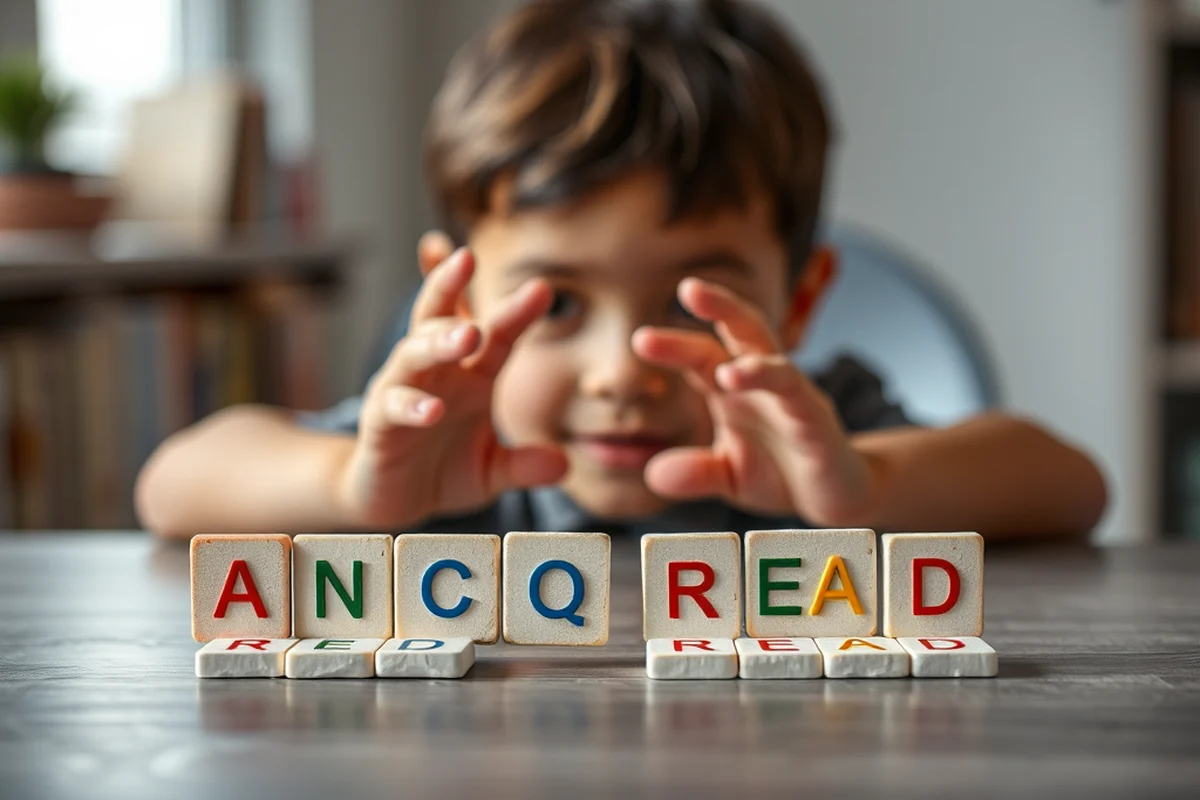
Children under the age of six are in a critical window for brain development, and reading aloud is one of the best ways to support that growth. Studies show that children who are read to regularly have better language skills, higher cognitive abilities, and stronger social-emotional development. The program is especially effective for kids between the ages of 3 and 6, when they're learning to recognize letters, sounds, and basic story structure.[3]
One of the most important aspects of 'Reach Out and Read' is the emphasis on interaction. The program encourages parents to ask questions, point to pictures, and engage children in the story. This helps build comprehension and keeps children interested. Even if the child is just looking at the pictures, they're still absorbing information and building connections in their brain.
I've found that the most successful sessions are the ones where I make reading a shared experience. When I read with my daughter, I stop to talk about the pictures, ask her what she thinks will happen next, and even let her take turns reading a few sentences. These moments help her feel involved and excited about learning.
Reading aloud is one of the most powerful tools in a child's development.
Related: What is read aloud in kindergarten
How to Make It Work for Your Family
The beauty of 'Reach Out and Read' is that it doesn't require a lot of time or resources. It's designed to be flexible and adaptable. Whether you have 10 minutes or 30 minutes a day, you can make it work. The key is consistency—reading even a little bit every day helps build strong reading habits.
The program recommends choosing books that are developmentally appropriate for your child's age. For younger children, books with simple words and lots of pictures are ideal. For older children, you can choose books that introduce more complex vocabulary and storylines. The goal is to keep the child engaged and interested in the story.
I've found that the best time to read is when my daughter is most relaxed—usually in the evening after a bath. We sit on the couch, and I read while she plays with her stuffed animals. It's a simple routine that we both enjoy, and it's helped her develop a love of reading that I never expected.
Try reading at the same time every day, such as after dinner or before bedtime. This helps your child expect and look forward to the activity.
“I remember the first time I sat down with my daughter to try the 'Reach Out and Read' method.”— Teaching Reading to Homeschoolers editors
Related: What is reading journal
The Benefits of Reading Aloud with Your Child

Research shows that children who are read to regularly are more likely to succeed in school and have better social-emotional skills. Reading aloud helps children develop empathy by allowing them to see the world through different perspectives. It also helps build vocabulary and improves concentration.
One of the most important benefits of 'Reach Out and Read' is the emotional bond it creates between parent and child. When a parent reads aloud, they're not just teaching a child to read—they're creating a shared experience that strengthens their relationship. This kind of connection is invaluable and can last a lifetime.
I've noticed that my daughter has become more confident and expressive since we started reading together. She's more willing to try new things, and she's developed a stronger sense of self. These are the kinds of benefits that go far beyond the classroom.
Related: What s prime reading
How to Choose the Right Books
The right books are ones that are developmentally appropriate, engaging, and relevant to your child's interests. For younger children, books with bright colors and simple language are best. For older children, books that challenge their thinking and encourage discussion are ideal.
It's also important to choose books that are culturally diverse and represent a wide range of experiences. This helps children develop empathy and understand the world around them. I've found that books that feature characters from different backgrounds help my daughter learn about other cultures and develop a more inclusive worldview.
When I choose books, I look for ones that have a clear narrative and include interactive elements, like questions or activities. These kinds of books keep children engaged and encourage them to think about what they're reading. It's also helpful to have a variety of books on hand so you can mix things up and keep the experience fresh.
Related: What is reading railroad
Tips for Making Storytime Interactive
One of the best ways to make storytime interactive is to ask questions as you read. This helps children think about the story and develop comprehension skills. You can ask questions like, 'What do you think will happen next?' or 'Why do you think the character did that?'
Another way to make storytime interactive is to encourage children to participate in the reading. This can be as simple as letting them point to pictures or read a few words. It helps build confidence and makes the experience more enjoyable.
I've found that the most successful storytimes are the ones where I make reading a shared experience. When I read with my daughter, I stop to talk about the pictures, ask her what she thinks will happen next, and even let her take turns reading a few sentences. These moments help her feel involved and excited about learning.
Interactivity is the key to making storytime more effective.
Related: What s the best kindle for reading
How to Make It Work for Older Kids
For older children, 'Reach Out and Read' can be a way to continue building reading skills while also encouraging independent reading. The program recommends choosing books that are slightly above the child's reading level, so they can work on decoding new words and building fluency.
It's also helpful to read aloud together, even if the child is reading on their own. This allows the parent to model good reading habits and help the child understand more complex texts. For example, you can read a few sentences aloud and then let the child read the rest.
I've found that reading aloud to my older child has been a great way to continue our shared storytime. It helps us stay connected and gives me a chance to see how she's progressing as a reader. Even though she can read on her own now, we still enjoy reading together, and it's a special time that we both look forward to.
👶 Younger Kids (Ages 2-3)
Focus on simple picture books and interactive read-alouds that involve pointing, naming, and singing.
👧 Older Kids (Ages 6-8)
Choose chapter books or longer stories that encourage discussion and deeper thinking about characters and themes.
⏱️ No-Prep Version
Use whatever books you have on hand and read for just 10 minutes a day, even during car rides or while waiting in line.
👥 Group Reading
Invite friends or family over for a storytime session where everyone takes turns reading and discussing the story.
🎨 Extension Activity
After reading, create a drawing or craft based on the story to reinforce learning and creativity.
| The mistake | Why it happens | The fix |
|---|---|---|
| Reading too fast or without expression. | This can make reading less engaging and less effective for the child. | Read slowly, with emotion, and pause to talk about the story. Let the child see that you're enjoying the book. |
| Forcing the child to read when they're not interested. | This can create negative associations with reading and make the child reluctant to read in the future. | Let the child choose the book. If they're not interested in reading, try reading to them instead. |
| Not engaging with the child during storytime. | This can make the experience feel passive and less effective for the child. | Ask questions, talk about the pictures, and make it a shared experience. Encourage the child to participate. |
| Only reading during the same time every day. | This can make the experience feel routine and less exciting for the child. | Mix things up by reading at different times of the day or using different books and activities. |
| Not having a variety of books. | This can limit the child's exposure to different stories, cultures, and perspectives. | Choose books that are diverse, include different characters, and cover a wide range of topics and interests. |
Reach Out And Read
Common Questions
How long should I read with my child each day?
What if my child doesn't like reading?
Can I use this method with multiple children?
What if I don't have a lot of books?
References
- Building Child Literacy, One Book at a Time (chop.edu)
- Reach Out and Read Implementation: A Scoping Review - PMC (pmc.ncbi.nlm.nih.gov)
- Early Childhood Resources | Bisbee, AZ - Official Website (bisbeeaz.gov)
Cite this guide
Teaching Reading to Homeschoolers (2026). Reach Out and Read: What It Is and How It Works for Your Family. https://homeschoolread.com/reach-out-and-read/
Feel free to cite or share this guide.
Reading Skills Checklist
Stage-filtered phonics and reading skills checklist for homeschool parents.
Open it free →