
What Is Reading School

📖 Table of Contents
- What Is Reading School, Exactly?
- What Makes a Good Reading School?
- How to Start a Reading School at Home
- The Role of the Parent in Reading School
- The Benefits of a Structured Reading School
- The Importance of Play in Reading School
- How to Measure Progress in Reading School
- Make It Your Way
- Frequently Asked Questions
When my daughter was six, she asked me, 'What is reading school?' I paused, not because I didn't know the answer, but because I realized how much I had assumed she already understood. In that moment, I saw how much I had taken for granted — the way reading should feel, the way it should be taught. Reading school isn't just about letters and phonics; it's about creating a space where a child can fall in love with books, feel empowered by words, and see themselves in every story they read. It's about making reading not just a skill, but a joy — something that sticks with them for life.[3]
I started teaching reading at home because I wanted my daughter to have a safe and engaging place to explore language. I didn't know then that this journey would change how I saw learning itself. I learned that the best reading schools — whether formal or informal — are the ones that make learning feel like play. That means hands-on activities, colorful books, and a lot of time spent sitting on the floor with a child, reading together. The most important thing I discovered was that the right approach can turn even the most reluctant reader into someone who can't wait to open a book.[4]
So, what is reading school? It's not just a place, or a program, or a set of workbooks. It's a philosophy — one that values curiosity, creativity, and connection. It's about teaching the mechanics of reading, but also the magic of it. It's about the way a child's eyes light up when they read a story that feels like their own. And it's about giving parents the tools they need to support their children's learning in a way that feels meaningful and sustainable. That's what I want to share with you now — a real, practical, and deeply personal look at what reading school really means.[5]
Why You'll Love This Reading School Approach
- It transforms reading from a chore into a cherished daily ritual.
- It fosters a love of learning that lasts well beyond the classroom.
- It offers flexible, adaptable strategies that work for all learning styles.
- It empowers parents to play a central and meaningful role in their child's education.
What Is Reading School, Exactly?
As of November 2026, at its core, reading school is about the process of learning to read — not just the end goal of being able to read. It's the way we teach children to decode words, understand meaning, and build confidence as readers. In my experience, the most effective reading schools are those that recognize that every child learns differently and that reading is not a one-size-fits-all skill. Some children thrive with phonics-based instruction, while others benefit from a more narrative-driven approach. My goal has always been to create a space where my daughter can explore both.
I've tried a variety of methods over the years, from structured curriculum-based programs to more informal, child-led learning. What I've found is that the best reading schools are the ones that strike a balance between structure and flexibility. That means having a clear plan in place, but also being ready to adapt when a child needs a different approach. For example, if my daughter is struggling with a particular phonics sound, we might take a break from the formal lesson and try a different activity that reinforces the same concept in a more engaging way.
One of the most important lessons I've learned is that reading school isn't just about the child's progress — it's also about the parent's role. When we're actively involved in the learning process, we're not just supporting our child — we're also modeling the importance of reading. That can be as simple as reading together every night or as involved as helping our child create a reading journal to track their progress.
Keep a journal with your child to document their reading progress. Include things like favorite books, new words they've learned, and even little drawings or stickers to mark achievements.
Part of our Reading strategies guide.
What Makes a Good Reading School?
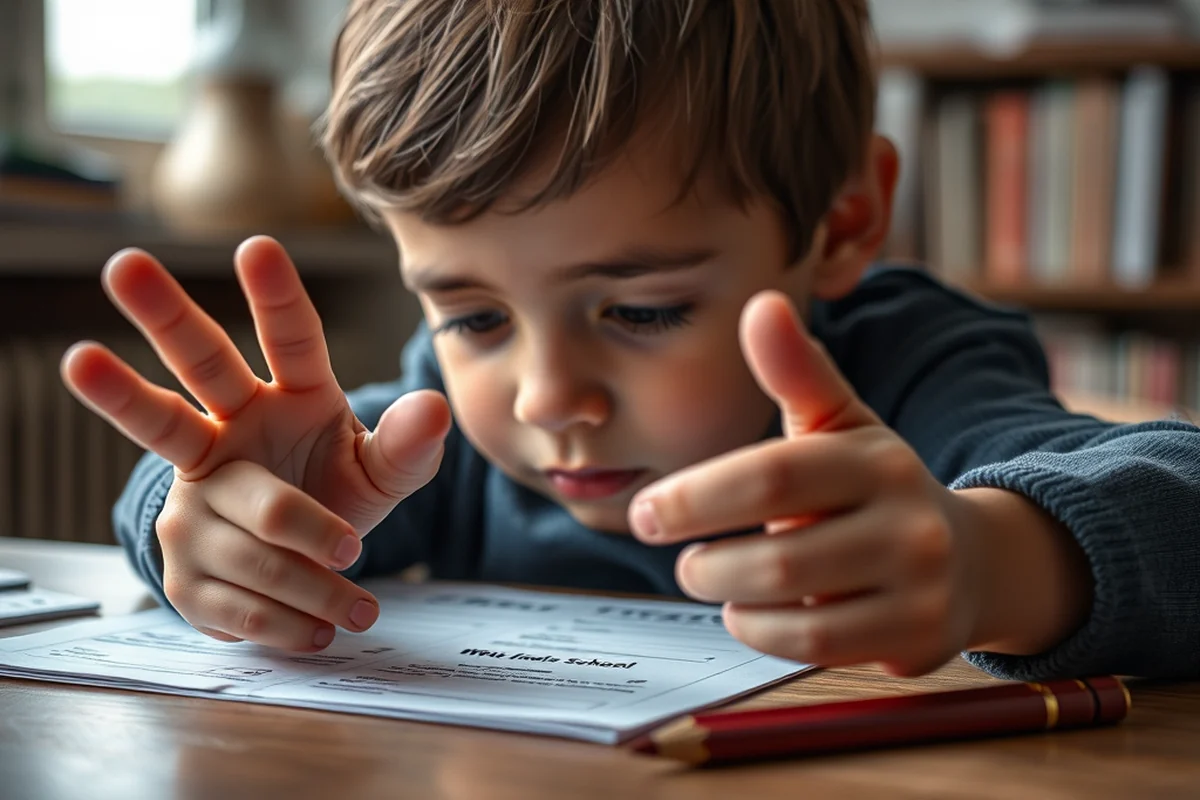
In my experience, the best reading schools are the ones that are not only flexible but also deeply committed to the individual needs of each child. That might mean adjusting lesson plans based on a child's interests or learning style. For example, if my daughter is into dinosaurs, I might use dinosaur-themed books to teach reading concepts, which makes the learning process more engaging and meaningful for her.
Another key component of a good reading school is the use of high-quality materials. Whether it's books, games, or digital tools, the materials should be age-appropriate and designed to support the child's development as a reader. I've found that using a mix of traditional books and interactive tools, like reading apps or audio books, can help keep a child interested and motivated.
Perhaps most importantly, a good reading school should be a place where the child feels safe, supported, and encouraged. That means creating an environment that is both structured and nurturing. It's about having clear expectations and routines, but also being open to the child's input and ideas. When a child feels that they are part of the learning process, they are more likely to be engaged and enthusiastic about reading.
The best reading schools are the ones that are not only flexible but also deeply committed to the individual needs of each child.
Related: What is a kindle reading app
How to Start a Reading School at Home
Creating a reading school at home doesn't have to be complicated. It starts with a few simple steps: setting up a dedicated reading space, choosing high-quality books and materials, and establishing a consistent reading routine. I've found that even a small corner of the living room can be transformed into a cozy and inviting reading nook with a few books, a soft rug, and some comfortable cushions.
Consistency is key with reading school at home. I try to read with my daughter every night, even if it's just for 15 minutes. This not only helps her develop a love for reading but also creates a strong bond between us. Over time, I've noticed that my daughter has become more confident in her reading abilities and is now able to read simple books on her own.[1]
Choosing the right materials is also important. I look for books that are age-appropriate, engaging, and aligned with my daughter's interests. I also make sure to include a variety of reading materials, from picture books to non-fiction books, to help her develop a well-rounded understanding of different topics and genres.
Set aside time each day for reading — even 10 minutes can make a big difference in your child's reading development. Consistency helps build fluency and confidence.[2]
“When my daughter was six, she asked me, 'What is reading school?' I paused, not because I didn't know the answer, but because I realized…”— Teaching Reading to Homeschoolers editors
Related: What is reading royals
The Role of the Parent in Reading School

As a parent, I've come to realize that my role in reading school is not just to teach my daughter — it's to support her, encourage her, and model the importance of reading. I try to be an active participant in her learning process, whether that means reading with her every night or helping her create a reading journal to track her progress.
One of the most important things I've learned is that the parent's enthusiasm for reading can have a huge impact on the child's motivation to read. If the parent is excited about reading, the child is more likely to be excited about it as well. That's why I make a point to share my own reading experiences with my daughter — whether it's talking about a favorite book or discussing a new story we've read together.
Another key aspect of the parent's role in reading school is being a patient and encouraging presence. Reading is a skill that takes time to develop, and it's important to celebrate every small step along the way. Whether it's a new word my daughter has learned or a book she's been able to read on her own, I make sure to acknowledge her progress and offer encouragement.
Related: What is reading speed
The Benefits of a Structured Reading School
One of the most significant benefits of a structured reading school is the consistency it provides. A structured approach ensures that children are learning essential reading skills in a clear and organized way. Whether it's phonics, vocabulary, or comprehension, a structured program helps children build a strong foundation in reading.
Another benefit is the support that a structured reading school offers. In a classroom setting, teachers are trained to identify and address learning challenges. When you're teaching your child at home, it's important to be aware of the signs that a child might be struggling with a particular concept and to provide the right support.
Finally, a structured reading school helps children develop the confidence and fluency they need to be successful readers. When children have a clear plan and a supportive environment, they are more likely to feel confident in their abilities and to take ownership of their learning.
Related: What is kindle reading
The Importance of Play in Reading School
Play is a powerful tool in reading school, as it helps children learn in a way that is both fun and effective. Whether it's through games, hands-on activities, or interactive books, play allows children to explore reading in a way that is natural and intuitive.
I've found that using games to teach reading concepts can be a great way to keep children engaged and motivated. For example, I've used word games, matching games, and reading-based puzzles to help my daughter practice her phonics skills. These activities are not only fun, but they also help reinforce important reading concepts in a meaningful way.
Another benefit of play in reading school is that it allows children to take ownership of their learning. When children are playing, they are often more willing to try new things and to take risks — which is exactly what they need to become confident and fluent readers.
Play is a powerful tool in reading school, as it helps children learn in a way that is both fun and effective.
Related: Daily bible reading for today
How to Measure Progress in Reading School
Measuring progress in reading school doesn't have to be complicated. It involves observing a child's reading skills, tracking their development, and celebrating their achievements. I've found that keeping a reading journal with my daughter has been a great way to track her progress and to see how far she's come.
I also use a variety of tools and resources to help measure my daughter's progress. These include reading assessments, reading checklists, and even simple observation notes. I've found that these tools help me understand where she's excelling and where she might need additional support.
Celebrating progress is also an important part of measuring progress in reading school. Whether it's a small milestone or a big achievement, it's important to acknowledge and celebrate the child's hard work. This not only boosts their confidence but also helps them see the value of their efforts.
👶 Younger Kids (Ages 3-5)
Focus on phonics, letter recognition, and simple picture books. Use interactive games and play-based learning to introduce the basics of reading.
👧 Older Kids (Ages 6-12)
Introduce more complex texts, comprehension exercises, and writing activities. Encourage reading for pleasure and critical thinking.
🪄 No-Prep Version
Use readily available materials like books, magazines, and digital tools. Focus on spontaneous reading sessions and free exploration of reading materials.
👥 Group Version
Create a reading group with other children or parents. Use collaborative activities and shared reading experiences to foster a love of reading.
🎯 Extension Activities
Add writing, storytelling, and creative expression to the reading experience. Encourage children to create their own stories and share them with others.
| The mistake | Why it happens | The fix |
|---|---|---|
| Rushing the process | Reading is a skill that takes time to develop, and rushing the process can lead to frustration and a loss of interest in reading. | Be patient and celebrate small steps along the way. Focus on building a strong foundation and making the learning process enjoyable. |
| Ignoring the child's interests | If the child is not interested in the reading materials, they are less likely to engage with the learning process. | Choose books and materials that align with the child's interests. Use their favorite books to teach reading concepts in a more engaging way. |
| Not being consistently involved | Consistency is key in reading school, and not being consistently involved can lead to inconsistent progress and a lack of motivation. | Make reading a daily habit and be actively involved in your child's learning process. Even 10 minutes a day can make a big difference. |
| Overlooking the importance of play | Play is an essential part of learning, and overlooking it can lead to a lack of engagement and motivation. | Incorporate play into the reading process by using games, interactive books, and hands-on activities. This helps children learn in a fun and engaging way. |
What Is Reading School
Common Questions
How can I create a reading school at home?
What are the benefits of a structured reading school?
How can I measure progress in reading school?
What role does the parent play in reading school?
References
- Balancing School Reading and Pleasure Reading - Amherst College (admissionstudentblogs.wordpress.amherst.edu)
- What Is the Science of Reading? | School of Education (american.edu)
- Grade School - Reading (PS) | Ateneo de Manila University (ateneo.edu)
- Bank Street Releases Occasional Paper Series #55 (bankstreet.edu)
- Whole School Reading Program (brookings.edu)
Cite this guide
Teaching Reading to Homeschoolers (2026). What Is Reading School. https://homeschoolread.com/what-is-reading-school/
Feel free to cite or share this guide.
Reading Skills Checklist
Stage-filtered phonics and reading skills checklist for homeschool parents.
Open it free →