
What Should I Read Next

📖 Table of Contents
- How to Choose the Right Book for Your Child
- The Power of Interest-Based Reading
- Assessing Reading Level: A Practical Guide
- Introducing Nonfiction for Real-World Learning
- Building a Reading Routine That Works for You
- Connecting Books to Other Learning Activities
- Encouraging Independent Reading and Choice
- Make It Your Way
- Frequently Asked Questions
I remember the first time I sat down with my daughter, a wide-eyed six-year-old. Asked her, 'What should I read next?' Her eyes lit up, and she grabbed a book about space, the one with the glowing stars on the cover. It was a simple question, but it sparked a journey of discovery, curiosity, and connection. That moment taught me that reading isn't just about words on a page — it's about building bridges between minds and opening doors to entire worlds.[2]
As a homeschooling parent, I quickly learned that the question 'What should I read next?' isn't just about choosing a book. It's about understanding the child's interests, their developmental stage, and how the book can enhance their learning. Whether it's a story that teaches empathy or a nonfiction book that deepens scientific understanding, the right choice can transform a reading session into an unforgettable experience.[3]
Over the years, I've tested dozens of books with my kids, and I've found that the best choices are those that align with the child's current passions and learning goals. Whether they're fascinated by dinosaurs, captivated by fairy tales, or curious about how the world works, there's always a book that will ignite their imagination and keep them engaged. The key is knowing where to look — and that's what this article is all about.[4]
Why You'll Love This Strategy
- It helps you match books to your child's learning style and interests.
- It makes reading feel like an adventure, not a chore.
- It builds a lifelong love of reading and learning.
- It strengthens the bond between parent and child through shared stories.
How to Choose the Right Book for Your Child
As of November 2026, when I first started homeschooling, I used to buy books based on what I thought my kids should read, not what they wanted to read. That changed when I realized that engagement is the key to learning. I began asking them, 'What should I read next?' and watching their faces light up as they shared their preferences.
This simple question became a daily ritual that helped me understand their interests — from books about dragons to science stories about the human body. It also allowed me to see their reading level and where they needed more support or challenge.
By listening to their answers, I was able to build a reading list that reflected their curiosity and helped them grow. It was a win-win for both of us.
Set aside five minutes each day to ask your child, 'What should I read next?' and let them choose from a curated list of options.
Part of our Reading strategies guide.
The Power of Interest-Based Reading
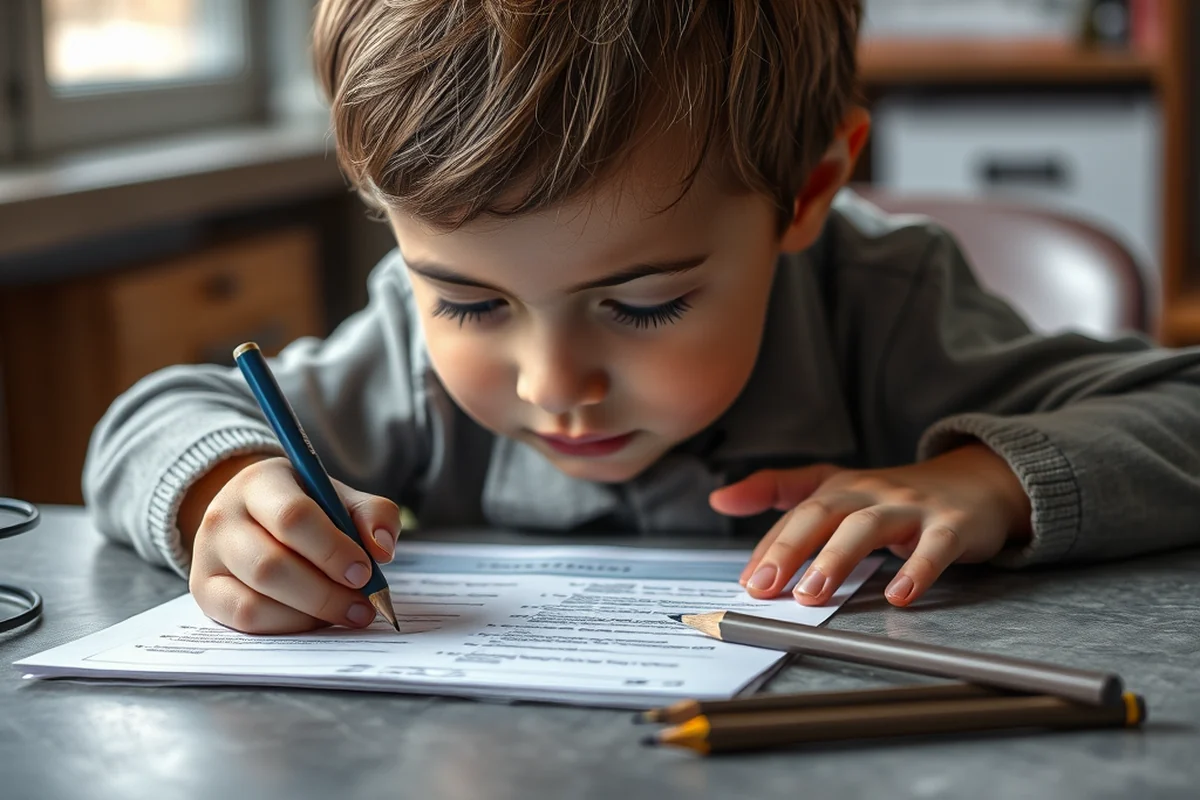
I once had a child who was obsessed with volcanoes. I found a book about the history of Mount Vesuvius, and for two weeks straight, he asked to read it every night. Not only did he learn about the eruption, but he also asked questions about the science behind it, leading to a deeper exploration of geology.
Interest-based reading works because it taps into the child's intrinsic motivation. When they're curious, they're more likely to read, ask questions, and retain the information.
This approach also helps you identify where to guide them next. If they're fascinated by space, you can introduce books about astronauts, planets, or even engineering concepts.
Interest is the spark that turns reading into a lifelong habit.
Related: What is reading comprehension strategies
Assessing Reading Level: A Practical Guide
I used to worry that my daughter was reading books that were too hard for her. I noticed that she often skipped pages or guessed at words, which was frustrating for her and me. So, I started using a simple method to assess her reading level: I read a few pages of a book and observed how she handled it.
This process helped me recognize when a book was too difficult, and I adjusted my choices accordingly. It also helped me identify areas where she needed more support — like phonics or vocabulary building.
Assessing reading level isn't about limiting your child's choices. It's about ensuring that the books they read are both engaging and educational.
Create a quick checklist with questions like, 'Can they read most of the words without help?' and 'Do they understand the story?' to gauge their reading level.
“I remember the first time I sat down with my daughter, a wide-eyed six-year-old, and asked her, 'What should I read next?' Her eyes lit…”— Teaching Reading to Homeschoolers editors
Related: What is read aloud in kindergarten
Introducing Nonfiction for Real-World Learning

I remember introducing a nonfiction book about animals to my son, and it was a revelation. He asked questions like, 'Why do elephants have big ears?' and 'How do bees make honey?' These questions led to deeper conversations and even a trip to the zoo.
Nonfiction books are powerful tools for learning because they provide factual information in a way that's accessible and engaging. They also encourage children to think critically and explore topics further.
When I look for nonfiction books, I focus on ones that are visually rich, with plenty of diagrams and photographs, and that align with the child's current interests or learning goals.
Related: What is reading journal
Building a Reading Routine That Works for You
I struggled with making reading a daily habit at first because I didn't have a clear routine. Then I started setting aside 20 minutes each evening for reading — and it made a world of difference. Not only did it help my child develop a habit, but it also became a special time we shared.[1]
Consistency is key. Whether it's reading before bedtime or during a midday break, having a set time helps your child know what to expect and builds a sense of security and anticipation.
I also found that involving the entire family in reading time — even if it's just a few minutes — helped create a culture of reading in our home.
Related: What s prime reading
Connecting Books to Other Learning Activities
After reading a book about insects, my daughter wanted to create a bug habitat using leaves and twigs. This simple activity helped her apply what she learned in the book and sparked her interest in biology.
Books are not just for reading — they can be used to inspire art projects, science experiments, and even writing activities. When you connect books to hands-on learning, the child's understanding deepens.
I've found that combining books with practical activities makes learning more engaging and memorable. It also helps children see the real-world applications of what they're learning.
A book is a beginning, not an end — it's the starting point for endless exploration.
Related: What is reading railroad
Encouraging Independent Reading and Choice
I used to worry that my daughter wouldn't read enough if I let her choose her own books. But when I allowed her to pick what she wanted to read, she became more engaged and motivated. She started reading more frequently and even shared her favorite books with her friends.
Independent reading is a powerful tool for learning and self-discovery. When children choose their own books, they're more likely to take ownership of their learning and develop a lifelong love of reading.
The key is to provide a variety of books and let them explore without judgment. Even if they choose a book that seems simple or repetitive, it's still valuable for their development.
📚 Younger Kids (Ages 3-6)
Focus on picture books with simple text and vibrant illustrations to engage young readers and build foundational literacy skills.
📖 Older Kids (Ages 7-12)
Introduce chapter books and nonfiction with more complex vocabulary to challenge and inspire older readers.
⏰ No-Prep Reading Time
Use a shared reading corner with a basket of books and a timer to keep reading sessions short and flexible.
👥 Group Reading Activities
Set up a small reading circle with peers and take turns reading aloud to build confidence and social skills.
🔍 Extension Activities
Pair each book with a themed project, like a science experiment or a creative writing prompt, to deepen learning.
| The mistake | Why it happens | The fix |
|---|---|---|
| Not letting the child choose their own books. | Children are more likely to engage in reading when they have a say in what they read. | Set up a reading corner with a variety of books and ask, 'What should I read next?' to give them a choice. |
| Overlooking the child's reading level. | Choosing books that are too difficult can discourage the child and lead to frustration. | Assess their reading level by reading a few pages together and observing how they handle the text. |
| Not connecting books to other learning activities. | Reading is more impactful when it's connected to hands-on learning and real-world experiences. | Pair each book with a related activity, like an art project or a science experiment, to deepen understanding. |
| Making reading a chore rather than a choice. | When reading feels like a task, children are less likely to engage and enjoy the experience. | Make reading a fun and interactive part of your daily routine by allowing the child to pick the book and read together as a family. |
What Should I Read Next
Common Questions
How do I know if a book is too hard for my child?
What if my child only wants to read the same book over and over?
Can I use this method with multiple children?
How do I keep track of what my child has read?
References
- Navigating NoveList to Discover Your Next Great Read - Abilene, TX (abilenetx.gov)
- Readers Advisory | Ankeny, IA (ankenyiowa.gov)
- Baltimore County Public Library (baltimorecountymd.gov)
- What to Read Next? | Bethlehem Public Library (bethlehemnhlibrary.gov)
Cite this guide
Teaching Reading to Homeschoolers (2026). What Should I Read Next. https://homeschoolread.com/what-should-i-read-next/
Feel free to cite or share this guide.
Reading Skills Checklist
Stage-filtered phonics and reading skills checklist for homeschool parents.
Open it free →