
Reading Strategies
📖 Table of Contents
- The Power of Guided Reading
- Why Interactive Reading Makes a Difference
- The Role of Repetition in Building Fluency
- The Importance of Vocabulary Development
- The Benefits of Reading for Pleasure
- Expert Tips and Advanced Techniques
- Tools, Materials and Resources
- Tools, Materials and Resources
- Troubleshooting and Common Questions
- Troubleshooting and Common Questions
- Getting Started: Your First Steps
- Make It Your Way
- Frequently Asked Questions
I still remember the day my second-grader, Lily, looked up from her book with a spark in her eyes and said, 'Mom, I just finished reading a whole chapter!' It was a simple moment. It told me everything I needed to know about the power of reading strategies — they don’t just teach kids to read; they ignite a lifelong love of learning. As a homeschooling parent and educator, I’ve seen how the right reading strategies can transform a reluctant reader into a confident, curious learner. Whether you're teaching reading grade 2 or exploring teacher guided reading options, the key is to find techniques that work for your child’s unique learning style and pace.
Reading strategies are not a one-size-fits-all solution. They are tools, techniques, and practices that can be tailored to fit the needs of each child. I’ve spent years experimenting with different approaches, from phonics-based instruction to comprehension-focused activities, and what I’ve learned is that consistency, engagement, and a touch of fun are essential. When I first started homeschooling, I was overwhelmed by the sheer number of options out there. But over time, I discovered that a few well-chosen reading strategies could make all the difference in my child’s progress.
One of the most important reading strategies I’ve found is the use of guided reading sessions. These are structured yet flexible times where I sit with my child, read aloud, and help them tackle difficult words and concepts. Guided reading is especially valuable in teaching reading grade 2, where the transition from learning to read to reading to learn is so critical. It gives kids the confidence they need to become independent readers. And it’s not just about books — it’s about creating a safe space where mistakes are part of the process, and every small victory is celebrated.
Why You'll Love This Reading Strategy Guide
- Tailored techniques that suit your child's learning style and pace
- Engagement through fun, interactive reading practices
- Consistent progress with structured yet flexible methods
- Empowerment through guided reading sessions that build confidence
The Power of Guided Reading
As of August 2026, Guided reading is more than just reading with your child — it's a carefully planned activity that helps them build fluency, vocabulary, and comprehension. I typically start with a short, interactive read-aloud, then move into shared reading, where we take turns reading a text together. This approach is especially effective for teaching reading grade 2 because it bridges the gap between learning to read and reading to learn. One of the key benefits I've noticed is that it allows me to identify and address any reading difficulties in real time.
In my experience, guided reading sessions usually last around 15 minutes. That might sound short, but it's enough time to focus on a specific skill, like decoding tricky words or understanding main ideas. I use a variety of texts, from picture books to short stories, and I make sure the level is just right — not too hard, not too easy. This balance keeps my child motivated and helps them build confidence. Over time, I've seen a noticeable improvement in their ability to read independently.[1]
I've also found that guided reading is a great way to introduce reading strategies like predicting, summarizing, and making connections. For example, I might ask Lily, 'What do you think will happen next?' or 'How does this character feel?' These questions encourage her to think critically about what she's reading. The result? A more engaged, thoughtful reader who doesn't just decode words but understands their meaning.
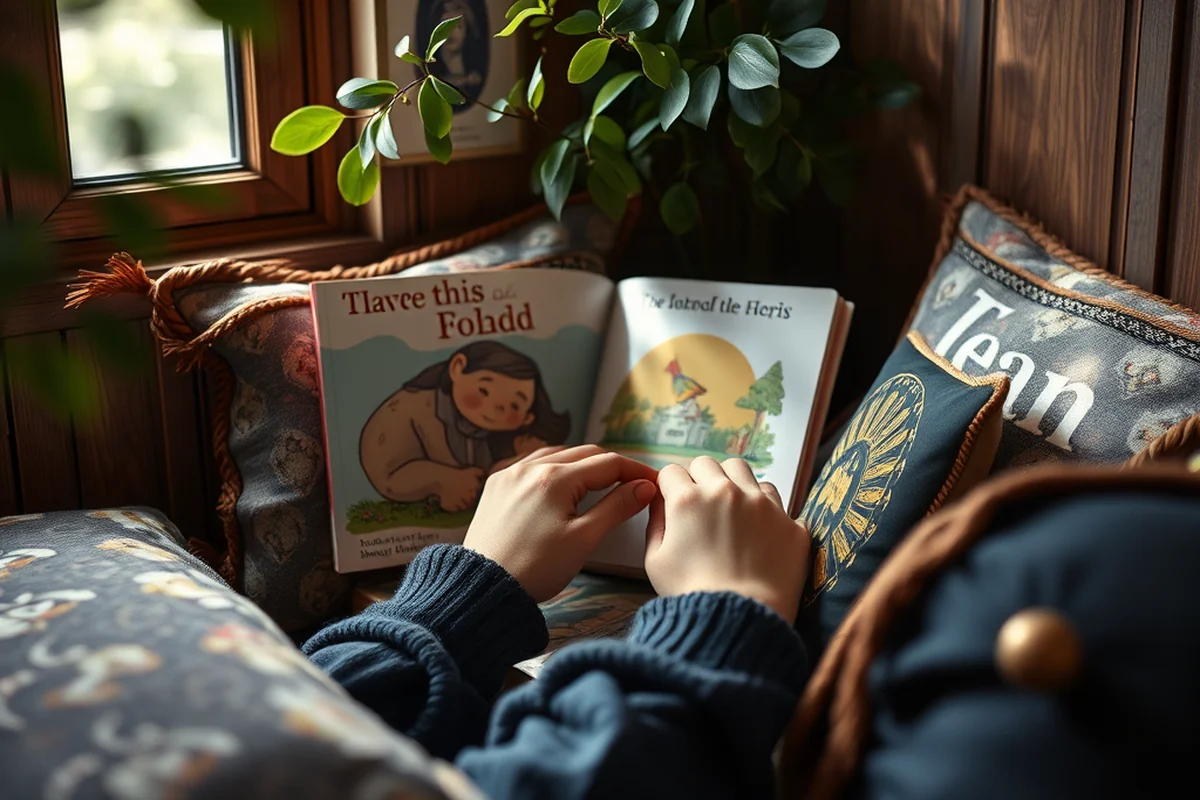
Design a cozy reading nook with soft lighting, a comfortable chair, and a small table. Make it a special place where your child can focus and enjoy reading without distractions.
In this guide:
In this guide:
- Read manga online
- What is reading log
- Best reading lamps
- What is reading with comprehension
- What is a kindle reader
- What is in reading pa
- Best teaching reading strategies
- Teaching reading for kids
- What is teaching reading strategies
- Teacher reading to kids cartoon
- Teaching reading to grade 3
- Teacher s guide reading wonders grade 3
- Precision teaching reading activities
- Teacher reading to kids clipart
- Teaching reading strategies book
- Teaching reading for beginners worksheets
- Teaching reading strategies
- Teacher guided reading
In this guide:
Why Interactive Reading Makes a Difference

I've always believed that reading is best done with interaction. When my child reads with me, we don't just sit and read — we talk, we ask questions, and we explore the text together. This approach is especially valuable in teacher guided reading scenarios, where the focus is on dialogue and discovery. I often find that interactive reading helps build comprehension skills that are essential for teaching reading grade 2.
One of the most effective interactive reading strategies I've used is the 'Think Aloud' method. This involves me modeling my own thinking as I read, which helps my child understand how to approach a text. For example, I might say, 'Hmm, this word is tricky. Let me look at the picture to help me figure it out.' This not only teaches decoding skills but also shows my child that it's okay to make mistakes and use strategies to overcome them.
I've noticed that interactive reading also improves my child's confidence and enthusiasm for reading. When she knows that her thoughts and questions matter, she becomes more involved in the process. It's not just about reading — it's about learning, growing, and connecting with the material in a meaningful way.
Interactive reading turns passive pages into active learning.
Related: Homeschool Teaching Jobs Remote
Related: Which Class You Reading
Related: Teaching Reading To Adults
Related: Teacher'S Guide Reading And Writing
Related: Teaching Reading Activities
Related: How To Improve Reading Comprehension Skills
Related: What Is To Read Aloud
Related: What Is Reading Light
Related: What Is Reading List
Related: What Is Read Aloud Revival
Related: How To Read A Book
Related: What Is Reading Quotes
Related: What Is Reading The Room
Related: Burn After Reading
Related: What Is Reading Quran
Related: Best Books On Reading Comprehension
Related: Reading & Comprehension
Related: What Is Sight Reading Factory
Related: What Is Reading Nook
Related: What Is Reading Terminal Market Philadelphia
Related: What Is Reading And Writing
Related: What Is Reading Comprehension For Grade 3
Related: What'S Prime Reading
The Role of Repetition in Building Fluency
I've found that repetition is one of the most powerful reading strategies with building fluency. When my child reads the same book multiple times, she becomes more familiar with the words, the structure, and the story. This repetition helps her read with greater speed and accuracy, which are essential for teaching reading grade 2.
One of the most effective ways I use repetition is through 'Read-Aloud Routines.' Every day, I choose a short book that we read together. At first, I read it to her, then we read it together, and finally, she reads it on her own. This gradual release of responsibility helps her build confidence and independence. The key is to choose books that are just at her reading level — not too hard, not too easy.
The results have been incredible. My child has grown more fluent and expressive in her reading, and I've noticed a marked improvement in her ability to read aloud with confidence. Repetition might not sound exciting, but it's one of the most effective reading strategies I've found for building fluency and helping my child reach their reading goals.
Choose a short, familiar book and read it with your child three times a day — once with you, once together, and once on their own. This builds fluency and confidence over time.
“I still remember the day my second-grader, Lily, looked up from her book with a spark in her eyes and said, 'Mom, I just finished…”— Teaching Reading to Homeschoolers editors
The Importance of Vocabulary Development

I've come to understand that vocabulary is the foundation of reading. Without a strong vocabulary, even the most skilled reader can struggle to understand what they're reading. That's why I make vocabulary development a central part of my reading strategies. I use a variety of techniques, from picture cards to word games, to help my child learn new words in a fun and engaging way.
One of my favorite strategies is the 'Word of the Day' activity. Each day, I choose a new word and we explore its meaning, pronunciation, and usage. For example, if the word is 'scurry,' we might act it out, draw a picture of a mouse scurrying, and use it in a sentence. This interactive approach helps my child not only learn new words but also use them in context.
Over time, I've seen a noticeable improvement in my child's reading comprehension and ability to express herself. A strong vocabulary makes reading more enjoyable and accessible, and it's one of the most effective reading strategies I've found for teaching reading grade 2.
The Benefits of Reading for Pleasure
I've always believed that reading for pleasure is one of the most important reading strategies a child can have. When my child reads for fun — whether it's a picture book, a short story, or a graphic novel — she's not just learning to read; she's falling in love with it. This kind of reading is self-directed, which means my child is choosing what she wants to read and how long she wants to read for.
I've noticed that when my child reads for pleasure, she's more engaged, more motivated, and more likely to read independently. She's also more likely to try new books, explore different genres, and take on more challenging texts. This is especially valuable for teaching reading grade 2, where the transition to independent reading is so critical.
One of the best things about reading for pleasure is that it doesn't require any special instruction or planning. It's simply about giving your child the freedom to read what they want, when they want. And the benefits are huge — a child who reads for pleasure is more likely to become a lifelong reader.
Expert Tips and Advanced Techniques
Experts recommend using active reading strategies such as skimming, scanning, and annotation to improve engagement with the material. These techniques help readers identify key points, understand structure, and retain information more effectively.[2]
Another advanced technique is the Feynman method, which involves teaching the material to yourself in simple terms to uncover gaps in understanding. This promotes deeper learning and encourages critical thinking.
Also, using techniques like SQ3R (Survey, Question, Read, Recite, Review) can significantly boost reading efficiency and comprehension. These methods are especially useful for academic and professional reading tasks.[3]
Tools, Materials and Resources
A range of digital tools, such as e-readers, audiobooks, and text-to-speech software, can aid in reading comprehension and accessibility. These resources cater to diverse learning preferences and needs.
Physical materials like highlighters, sticky notes, and reading journals are essential for active engagement and note-taking. These tools help organize thoughts and reinforce key concepts.
Online platforms and educational websites provide access to reading guides, practice exercises, and interactive learning modules. These resources offer structured support for readers at all levels.
Troubleshooting and Common Questions
Students often struggle with understanding complex texts, which can be overcome by using techniques like skimming, scanning, and summarizing. Teachers can provide scaffolding through guided reading, vocabulary instruction, and pre-reading activities to build confidence and fluency.
Another frequent issue is a lack of engagement or motivation. This can be mitigated by connecting reading material to students' interests, using multimedia resources, and incorporating collaborative learning activities such as group discussions and peer reviews.
Parents and educators should also be prepared to answer common questions like 'How do I improve my reading speed?' or 'What should I do if I don't understand a passage?' These questions can be addressed through structured practice, targeted reading exercises. Regular feedback to help learners develop effective reading habits.
Getting Started: Your First Steps
Starting with reading strategies can feel overwhelming, but taking small, manageable steps makes the process easier. Begin by setting aside a specific time each day for reading, even if it’s just 10 minutes. Choose texts that are both interesting and at an appropriate reading level to ensure engagement and success.[5]
Next, familiarize yourself with basic strategies such as previewing the text, identifying main ideas, and summarizing sections. These foundational skills help build comprehension and retention. As you become more comfortable, gradually introduce more advanced techniques like annotation, critical questioning, and making connections to prior knowledge.
Finally, track your progress and celebrate small victories. Keeping a reading journal or using digital apps to log your activities can provide motivation and help you identify patterns in your reading habits. Remember, consistency and patience are key to developing strong reading skills over time.
👶 Younger Kids (Ages 3-6)
Use simple picture books and interactive read-alouds to build early reading skills and vocabulary.
🧍 Older Kids (Grades 3-5)
Focus on comprehension, fluency, and critical thinking with more complex texts and discussion-based activities.
📚 No-Prep Reading
Use existing books and everyday objects to create reading activities that require no additional preparation.
👥 Group Reading
Create a shared reading experience with multiple children, using guided reading and interactive strategies.
🚀 Extension Reading
Encourage independent reading with extension activities that build on the skills learned through guided reading sessions.
| The mistake | Why it happens | The fix |
|---|---|---|
| Assuming all reading strategies work the same for every child. | Every child has different learning styles and needs. What works for one child might not work for another. | Tailor your reading strategies to your child's unique learning style and pace. Use a variety of techniques and be flexible in your approach. |
| Overlooking the importance of repetition in building fluency. | Repetition helps children become more familiar with texts and improves their ability to read with speed and accuracy. | Incorporate repetition into your reading sessions by reading the same book multiple times and gradually increasing your child's independence. |
| Neglecting the development of vocabulary. | A strong vocabulary is essential for reading comprehension and overall reading success. | Make vocabulary development a part of your daily reading routine by using word games, picture cards, and interactive activities. |
| Forcing reading instead of encouraging it. | Forced reading can lead to frustration and a lack of enthusiasm for learning. | Encourage reading by creating a positive and supportive environment where your child feels comfortable and excited to read. |
Reading Strategies
Common Questions
What are the best reading strategies for teaching reading grade 2?
What is teacher guided reading and how can I use it at home?
How can I help my child build fluency in reading?
What are some fun ways to teach reading strategies to young children?
References
- Critical Reading Strategies - Seton Hall University Academic Server (academic.shu.edu)
- The Impact Of Critical Reading Strategies On Reading ... (digitalcommons.hamline.edu)
- English, Reading, & Literacy | Virginia Department of Education (doe.virginia.gov)
- The Alaska Reads Act - Education and Early Development (education.alaska.gov)
- Early Literacy - Kentucky Department of Education (education.ky.gov)
Cite this guide
Teaching Reading to Homeschoolers (2026). Reading Strategies. https://homeschoolread.com/reading-strategies/
Feel free to cite or share this guide.