
What Is Cia Reading Room

📖 Table of Contents
- What Is the CIA Reading Room?
- How the CIA Reading Room Encourages Curiosity
- Making Reading a Shared Experience
- How the CIA Reading Room Helps With Comprehension
- The Role of Interactive Maps and Puzzles
- How to Use the CIA Reading Room at Home
- The Benefits of a Themed Reading Experience
- Make It Your Way
- Frequently Asked Questions
I remember the first time I walked into the CIA Reading Room, not as a spy or a researcher, but as a curious homeschooling parent looking for a way to make reading an adventure. The room was filled with books, puzzles, and maps, all arranged in a way that felt like a treasure hunt. It was more than just a place to read — it was a space where curiosity was encouraged and learning felt like a game. This is the story of what the CIA Reading Room is and why it's a game-changer for families who want to make reading part of their daily lives.[1]
The CIA Reading Room is not a secret government facility or a place for agents to study classified materials. It’s a carefully designed educational space that blends history, geography, and literature into an immersive experience for young learners. I’ve watched my children explore books about ancient civilizations and explore maps of the world while solving puzzles that tie into the stories they’re reading. It’s a place where learning is not just about absorbing information, but about connecting it to the real world in a meaningful way.
What makes the CIA Reading Room unique is its focus on making reading an engaging and interactive experience. Unlike traditional classrooms, this space encourages exploration, curiosity, and independent learning. I’ve seen my kids spend hours in the room, not because they’re being forced to read, but because they’re genuinely interested in the stories and the world around them. It’s a place where learning feels natural, and where even the most reluctant readers can find something that captures their attention.
Why You'll Love This Learning Experience
- Encourages a natural curiosity and love for reading through immersive activities.
- Combines history, geography, and literature into an engaging educational experience.
- Provides a structured yet flexible space that supports self-directed learning.
- Creates a fun and interactive environment that makes learning feel like play.
What Is the CIA Reading Room?
As of November 2026, the CIA Reading Room is not a secret facility for spies, as its name might suggest. Instead, it’s a learning space created with the goal of making reading an enjoyable and interactive experience for children. It blends storytelling, geography, and history into a dynamic environment where kids can explore books, solve puzzles, and even create their own stories. This approach helps children connect with the material in a deeper way, making learning more engaging and memorable.
The room is designed with a variety of activities that cater to different learning styles. Some children may be more visual learners and benefit from interactive maps and diagrams, while others may prefer hands-on activities like building models or solving riddles. The space is intentionally organized to encourage exploration and discovery, which makes it a perfect environment for young learners.
One of the most interesting aspects of the CIA Reading Room is its focus on making reading a shared experience. Instead of reading alone, children are encouraged to work together on activities that require collaboration and communication. This not only helps them build social skills, but also makes learning more enjoyable and interactive.
Choose a theme or topic that aligns with the interests of the children in your group. This helps keep the activities relevant and engaging.
Part of our Reading strategies guide.
How the CIA Reading Room Encourages Curiosity

Curiosity is at the heart of the CIA Reading Room experience. The space is filled with books on a wide range of topics, from ancient civilizations to modern science. Each book is paired with activities that help children explore the subject in a hands-on way. For example, after reading a story about the Egyptians, children might create their own pyramids using blocks or solve a puzzle that mimics the layout of an ancient temple.
This approach not only makes learning more engaging, but also helps children develop a deeper understanding of the material. By connecting reading with physical activities, the CIA Reading Room helps children remember information more effectively. I’ve seen my kids come back to the same book multiple times, eager to try a new activity that goes along with the story.
The room also encourages children to ask questions and seek out answers on their own. This fosters a love of learning that goes beyond the classroom and into everyday life. Whether they’re curious about the history of a particular civilization or the science behind a natural phenomenon, the CIA Reading Room provides the tools they need to explore and discover.
Curiosity is the first step toward lifelong learning.
Related: What is reading journal
Making Reading a Shared Experience
One of the most unique aspects of the CIA Reading Room is its focus on making reading a collaborative experience. Instead of children reading alone, they’re encouraged to work together on activities that require teamwork and communication. This not only helps them build social skills, but also makes learning more enjoyable and interactive.
Activities in the CIA Reading Room are often designed to be done in pairs or small groups. This helps children learn how to work together, listen to each other, and share ideas. It also makes the experience more engaging, as children are more likely to stay focused when they’re working with others.
By creating a space where reading is a shared experience, the CIA Reading Room helps children develop a sense of community and connection with their peers. This is especially valuable for homeschooled children who may not have the same opportunities to interact with other students on a regular basis.
Design an activity that requires multiple children to work together, such as a puzzle or a storytelling game. This encourages collaboration and makes the experience more engaging.
“I remember the first time I walked into the CIA Reading Room, not as a spy or a researcher, but as a curious homeschooling parent…”— Teaching Reading to Homeschoolers editors
Related: What s prime reading
How the CIA Reading Room Helps With Comprehension
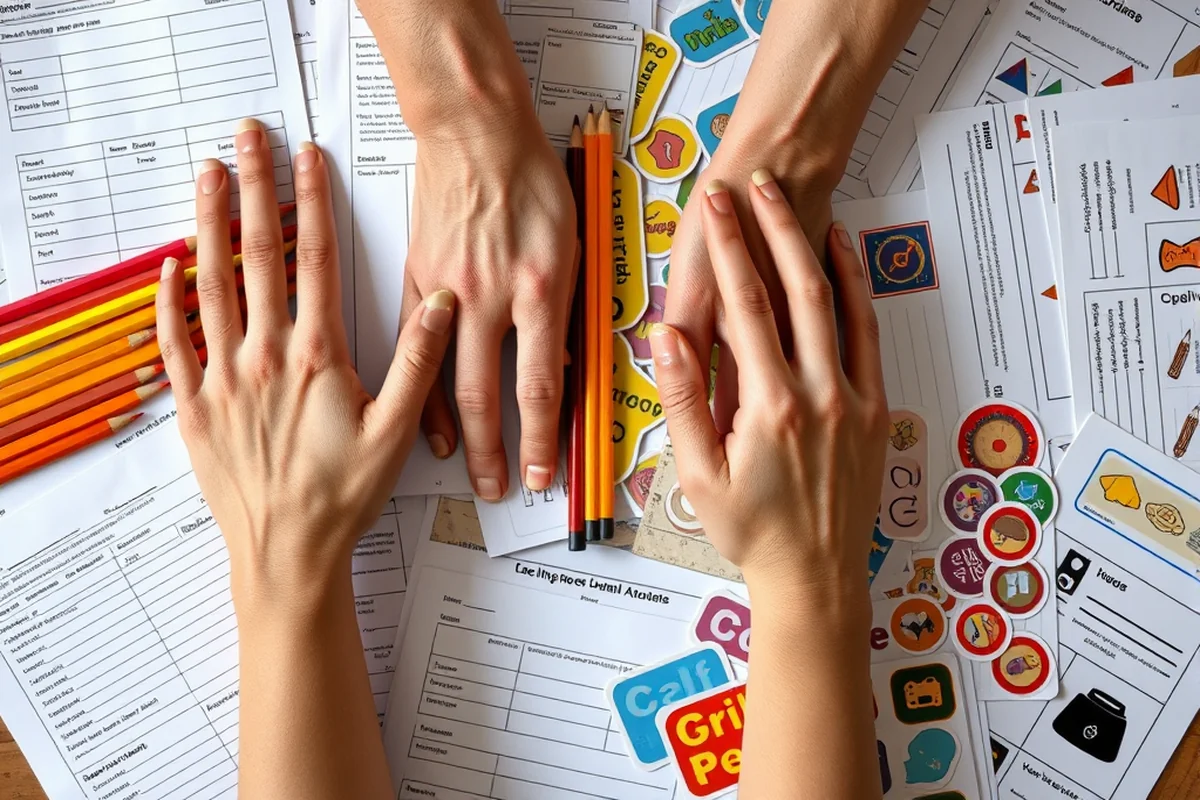
Comprehension is a key component of the CIA Reading Room experience. The space is designed to help children not only read, but also understand and analyze the material they’re reading. This is achieved through a combination of activities that require children to think critically, make connections between different pieces of information, and apply what they’ve learned to real-world situations.
For example, after reading a story about a historical event, children might be asked to create a timeline of the events that took place. This helps them understand the sequence of events and how they relate to each other. Similarly, they might be asked to compare two different stories and identify similarities and differences. These activities help children develop the skills they need to comprehend and analyze texts more effectively.
By using a variety of techniques to enhance comprehension, the CIA Reading Room helps children develop the critical thinking skills they need to succeed in school and in life. These skills are not only useful for reading, but also for problem-solving, decision-making, and communication.
Related: What is reading railroad
The Role of Interactive Maps and Puzzles
Interactive maps and puzzles are a key part of the CIA Reading Room experience. These tools help children visualize and understand the world around them in a more engaging way. For example, after reading a story about the Silk Road, children might use a map to trace the path that traders took and solve a puzzle that requires them to match different countries with their historical landmarks.
This hands-on approach to learning helps children develop a deeper understanding of geography and history. It also makes the experience more interactive and engaging, which helps keep children interested and motivated to learn.
In addition to enhancing comprehension, interactive maps and puzzles also help children develop spatial awareness and problem-solving skills. These skills are valuable not only in school, but also in everyday life. By using a variety of interactive tools, the CIA Reading Room helps children build a strong foundation for future learning.
Related: What s the best kindle for reading
How to Use the CIA Reading Room at Home
Creating a version of the CIA Reading Room at home is a great way to bring the experience into your own living space. You don’t need to be a professional educator or have access to a large library — all you need is a few simple supplies and a little creativity. Start by setting up a dedicated reading area with comfortable seating, books, and a variety of interactive activities.
You can use the same techniques that are used in the CIA Reading Room to make reading more engaging for your child. For example, you can create a map-based activity that goes along with a story or use puzzles to help reinforce the material your child is reading. These activities can be tailored to your child’s interests and learning level, making the experience more personalized and effective.
By recreating the CIA Reading Room at home, you can help your child develop a love of reading and a strong foundation for future learning. The experience can be adapted to fit your child’s needs and interests, making it a fun and engaging way to spend time together.
Learning is most effective when it’s done in a way that feels natural and enjoyable.
Related: What is reading comprehension for grade 3
The Benefits of a Themed Reading Experience
One of the key benefits of the CIA Reading Room is its use of themes to make reading more engaging and meaningful for children. Themed experiences help children connect with the material they’re reading by immersing them in a particular topic or subject. For example, a themed reading experience might focus on ancient civilizations, allowing children to explore the history, geography, and culture of different societies.
This approach helps children develop a deeper understanding of the material they’re reading. It also makes the experience more interactive and engaging, as children are encouraged to explore the topic in a variety of ways. Themed experiences can be tailored to the interests of the children in your group, making the experience more relevant and effective.
By using themes to create a more immersive and engaging reading experience, the CIA Reading Room helps children develop a love of learning that extends beyond the classroom. This is especially valuable for homeschooled children, who may not have the same opportunities to explore different subjects in a structured environment.
👶 Younger Kids Version
A simplified version of the CIA Reading Room designed for preschoolers, using picture books, sensory activities, and interactive games.
👦 Older Kids Version
A more advanced version of the CIA Reading Room that includes longer books, research-based activities, and group projects for middle and high school students.[2]
🧾 No-Prep Version
A quick and easy version of the CIA Reading Room that requires no setup and can be used with minimal supplies.
👥 Group Version
A collaborative version of the CIA Reading Room that encourages teamwork and communication among multiple children.
📚 Extension Version
An advanced version of the CIA Reading Room that includes additional activities and resources for deeper learning and exploration.
| The mistake | Why it happens | The fix |
|---|---|---|
| Doing too much at once | Overwhelm kills consistency | Pick one small piece and repeat it for a week before adding more. |
| Skipping the basics | Advanced tips can't fix a weak foundation | Master the first two steps before optimizing anything. |
What Is Cia Reading Room
Common Questions
Can the CIA Reading Room be used for homeschooling?
What age group is the CIA Reading Room best for?
How many supplies are needed for the CIA Reading Room?
Is the CIA Reading Room free to use?
References
- Un-Tangling the Web of Cold War Studies; or, How One Historian ... (albany.edu)
- The Top Secret Testimony of CIA's MKULTRA Chief, 50 Years Later (nsarchive.gwu.edu)
Cite this guide
Teaching Reading to Homeschoolers (2026). What Is Cia Reading Room. https://homeschoolread.com/what-is-cia-reading-room/
Feel free to cite or share this guide.
Reading Skills Checklist
Stage-filtered phonics and reading skills checklist for homeschool parents.
Open it free →