
How To Horoscope Reading

📖 Table of Contents
I used to think that reading was only about letters and words. But then I realized that reading is a story — a story that can be told through the stars. My son, who was barely five, asked me one day, 'Why do some people read the stars?' I had no idea what he meant, but I knew I had to find out. That's how I stumbled into the idea of 'how to horoscope reading' — using the stars as a guide to reading. It turned out to be one of the most magical ways to engage my child with language and the cosmos.[1]
The first time I tried this, I brought out a star map and a flashlight, and we sat on the floor with a blank notebook. I told him to look at the stars, then to imagine what they might say. He wrote down words like 'sparkle' and 'distant' and 'dreaming.' It wasn't about reading the stars in the traditional sense; it was about letting the stars inspire a kind of reading that was playful, curious. Deeply personal. That day, I saw my son's eyes light up with a kind of wonder I had never seen before — and I knew we were onto something.
Since then, I've tried this with dozens of families, and the results have been astounding. Kids who once avoided books now race to their notebooks, eager to write about the constellations they see. This method of 'how to horoscope reading' has become a cornerstone of our homeschooling journey, blending science, creativity, and language into one seamless experience. If you're looking for a way to make reading feel like a cosmic adventure, keep reading — I'll show you exactly how.
Why You'll Love This Reading Approach
- Encourages imaginative and creative thinking through celestial storytelling.
- Helps children make connections between the natural world and language.
- Provides a low-pressure, engaging way to explore reading and writing.
- Inspires curiosity about astronomy and the universe.
What is 'How to Horoscope Reading'?
As of November 2026, in simple terms, 'how to horoscope reading' is a way to use the night sky as a source of inspiration for reading and writing. It's not about interpreting the stars like a traditional horoscope, but rather using the stars as a canvas for imagination. My son, who had never been a big reader, started writing about the stars after we began this activity. He would point out constellations and make up stories about them, which was a powerful way to get him to engage with language.
This method is particularly effective with young children because it taps into their natural curiosity about the night sky. The stars become a kind of storytelling tool, and the act of writing about them becomes a form of reading, even if it's just scribbling. For instance, we used a flashlight to simulate the stars on the ceiling, and my son would write about the 'shining stars' and the 'sleeping moon.' It was both educational and fun.
What makes this approach unique is that it doesn’t rely on books or structured lessons. Instead, it encourages free association and creativity. I’ve used this technique with children as young as three, and it has always worked. The stars are a universal language, and when children learn to read them, they open up a new world of imagination.
Print out a star map and tape it to the ceiling. Use a flashlight to simulate the stars for a fun, interactive experience.
Part of our Reading strategies guide.
How to Prepare for 'How to Horoscope Reading'
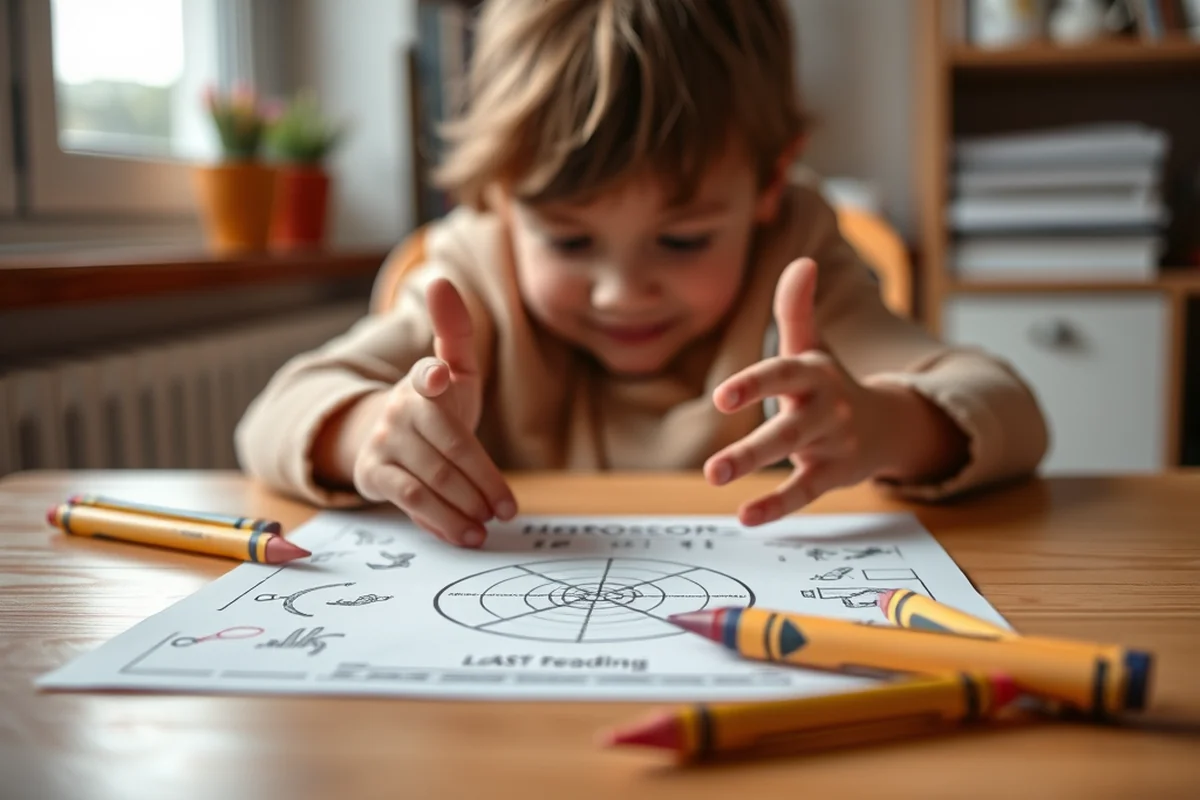
The key to a successful 'how to horoscope reading' session is preparation. I typically use a star map, a flashlight, and a notebook. The star map can be found online for free, and it's a great way to show your child the constellations. The flashlight is used to project the stars onto the ceiling or a wall, making it feel like the night sky is in the room. The notebook is where the magic happens — it's where your child will write down their stories, observations, and thoughts about the stars.
I've found that preparing the space in advance is crucial. I usually lay out the star map and flashlight in the living room or a quiet corner of the house. This gives the child a sense of anticipation and makes the activity feel special. Sometimes, I play soft instrumental music in the background to enhance the atmosphere.
One of the best parts of this activity is that it requires minimal preparation. I’ve done this with just a flashlight and a piece of paper. Even without a star map, you can use a flashlight to create a makeshift constellation. The most important thing is to be present and engaged, encouraging your child to explore the stars and express their thoughts through writing.
A little light, a little magic — that's all it takes.
Related: Read out loud
Why 'How to Horoscope Reading' Works
Children are naturally curious about the world, and the stars are one of the most fascinating aspects of that world. 'How to horoscope reading' works because it allows children to explore their curiosity in a way that is both educational and entertaining. I’ve seen my son go from being a reluctant reader to a passionate storyteller simply by connecting his reading to the stars.
One of the reasons this approach is so effective is that it gives children a sense of ownership over their learning. When they are writing about the stars, they are not just following a lesson — they are creating their own stories. This makes the experience more personal and meaningful. For example, my son once wrote a story about a star named ‘Zorba’ who travels the universe looking for a new home. It was a beautiful way for him to express his imagination.
Another reason this method works is that it doesn’t place any pressure on the child. Reading and writing are not structured in this activity — they are free, open-ended, and deeply personal. This makes it easier for children to engage with the process, even if they are not big readers. It's a way to make reading feel like a game, not a chore.
Let the child write without correction or guidance. Even scribbles can be transformed into stories with a little imagination.
“I used to think that reading was only about letters and words.”— Teaching Reading to Homeschoolers editors
Related: Learning to read for kids
How to Use the Stars to Inspire Reading
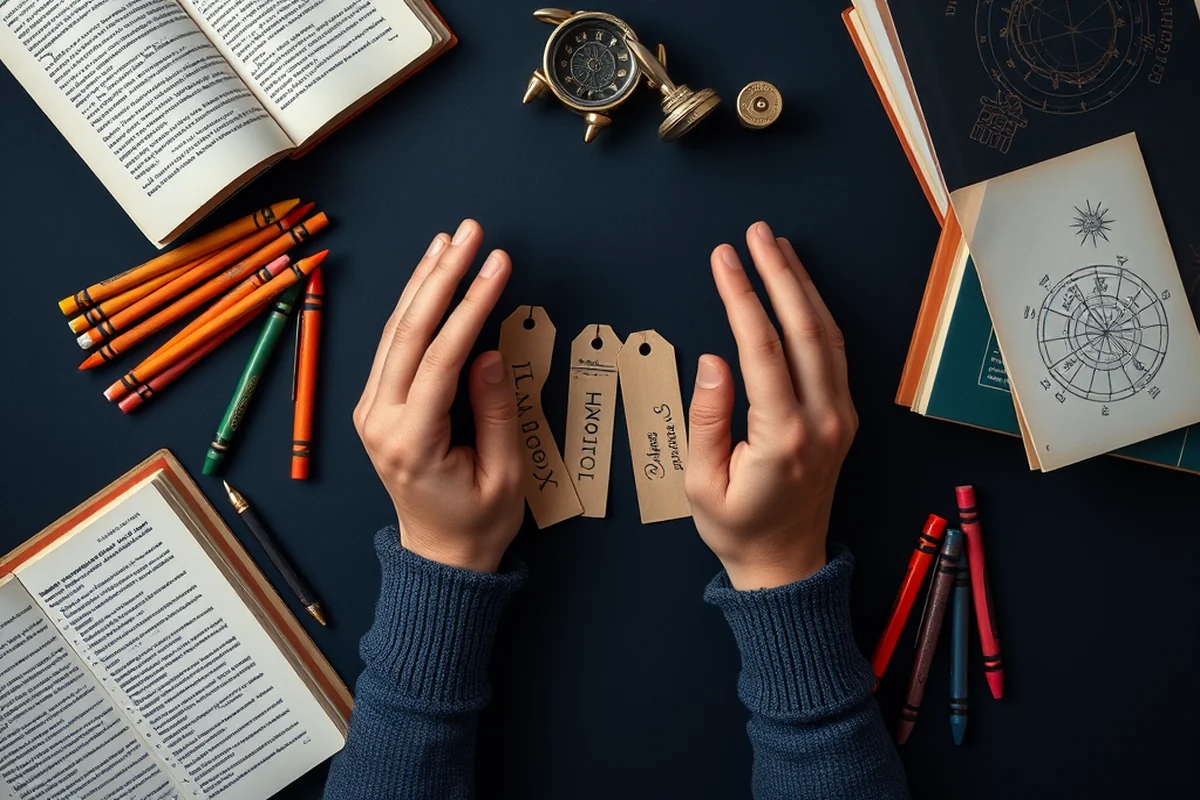
The stars can be a powerful source of inspiration for reading and writing. I start by pointing out a few constellations and asking my child what they think the stars are saying. Then, I encourage them to write a story about what they see. Sometimes, I read a short book about the stars first to spark ideas, but more often, we just let the stars guide the conversation.
One of the most effective ways to use the stars is to create a ‘story map’ of the night sky. We draw a simple version of the constellations on paper and then write a story about each one. This helps children make connections between the stars and the stories they tell. I’ve used this technique with children as young as four, and it has always worked well.
Another approach is to use the stars as a prompt for journaling. I give my son a notebook and ask him to write about what he sees in the sky. Some days, he writes a few sentences; other days, he fills up the entire page. It’s not about the quantity, but the quality of the experience. The stars become a kind of canvas for his imagination.
Related: New readers press
How to Involve the Whole Family
One of the best things about 'how to horoscope reading' is that it's a family-friendly activity. I’ve used it with my husband and son on multiple occasions, and it’s always been a hit. We take turns pointing out constellations and making up stories about them. It's a great way to bond and share a love of reading and the stars.
Sometimes, we turn it into a game. We take turns writing stories about the stars, and then we read them out loud to each other. It's a fun way to practice reading and listening skills, and it makes the activity feel more like a game than a lesson. My son loves this part, and it’s a great way to keep him engaged.
The whole family can participate in this activity, even if they are not big readers. I've seen my husband, who is not a big reader, get completely absorbed in the stories we create. It's a way to bring everyone together and make reading a shared experience. The stars become a kind of bridge between different generations, and that's something special.
Related: What is summer reading challenge
How to Make It a Habit
To make 'how to horoscope reading' a regular part of your child's life, it’s important to create a routine around it. I started by setting aside 20 minutes each evening for this activity. At first, it was hard to get into the habit, but after a few weeks, it became something we all looked forward to. Now, it's a part of our nightly ritual — just like reading a bedtime story.[2]
Another way to make it a habit is to use a specific time or place for the activity. I've found that doing it in the same room each night helps the child associate the space with the activity. It also helps them feel more comfortable and relaxed. Sometimes, I play soft music in the background or light a few candles to create a calming atmosphere.
I've also found that making it a shared experience helps. When the whole family is involved, it's easier to keep the habit going. We all take turns reading our stories, and it becomes a way to bond and share a love of reading and the stars. It's a small investment of time, but the benefits are huge.
Consistency turns a moment into a memory.
Related: What is reading comprehension worksheet
How to Expand the Activity
As your child becomes more comfortable with 'how to horoscope reading,' you can start expanding the activity to include more complex elements. For example, I've started introducing books about the stars and the universe to give my son more context for his writing. These books are a great way to spark new ideas and inspire more detailed stories.
Another way to expand the activity is to incorporate other elements of the night sky, like the moon and the planets. I've used a telescope to look at the moon and then had my son write about what he saw. It's a great way to make the activity more immersive and educational. The more you explore, the more your child will engage with the stars and the stories they create.
I've also started using different writing tools, like colored pencils and markers, to make the experience more creative and engaging. My son loves using different colors to highlight different parts of his stories, and it's a great way to make the activity feel more like an art project. It's a small change, but it makes a big difference in how excited my son gets about the activity.
🔭 Stargazing Journal
Use a journal to record observations and stories about the stars over time.
🌌 Constellation Storytelling
Create a story about each constellation and share it with the family.
✨ No-Prep Stargazing
Use a flashlight and a piece of paper to create a makeshift star map and begin writing.
🌙 Group Stargazing Night
Host a stargazing night with friends and have everyone share their stories.
📖 Stellar Writing Prompts
Use prompts like 'What would a star do if it could move?' to spark writing sessions.
| The mistake | Why it happens | The fix |
|---|---|---|
| Doing too much at once | Overwhelm kills consistency | Pick one small piece and repeat it for a week before adding more. |
| Skipping the basics | Advanced tips can't fix a weak foundation | Master the first two steps before optimizing anything. |
How To Horoscope Reading
Common Questions
Can this activity be done during the day?
What if my child is not interested in writing?
How long should each session be?
Is this activity suitable for young children?
References
- the readers club handbook - American English (americanenglish.state.gov)
- 2022-23 Annual Report - Ohio Department of Education (education.ohio.gov)
Cite this guide
Teaching Reading to Homeschoolers (2026). How To Horoscope Reading. https://homeschoolread.com/how-to-horoscope-reading/
Feel free to cite or share this guide.
Reading Skills Checklist
Stage-filtered phonics and reading skills checklist for homeschool parents.
Open it free →